Unbleached Mercerized Short staple Woven Plain Cotton Fabric
CN → US| HS Code | Tariff Rate | Origin | Destination | Doc |
|---|---|---|---|---|
| 5208114020 | 44.0% | CN | US | Official Doc |
| 5208112020 | 42.0% | CN | US | Official Doc |
| 5209110050 | 41.5% | CN | US | Official Doc |
| 5209110020 | 41.5% | CN | US | Official Doc |
Product Images
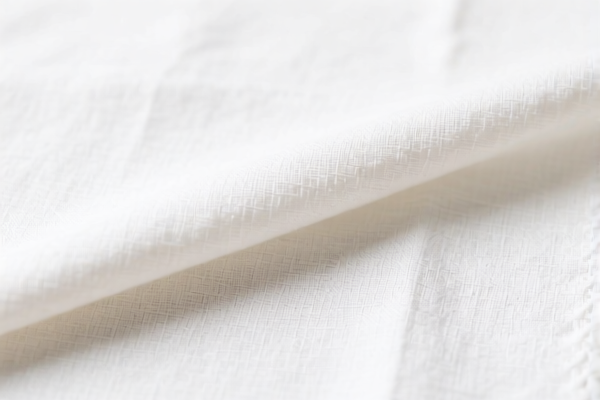
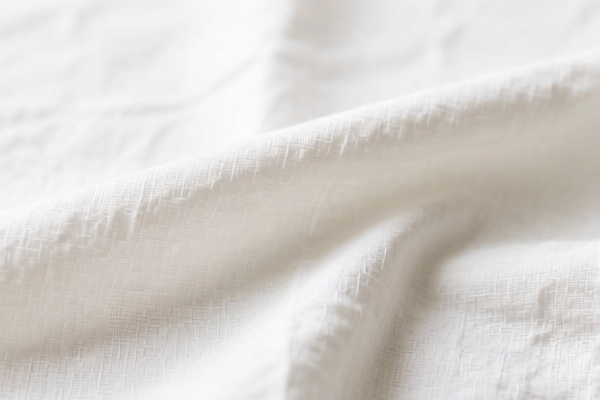
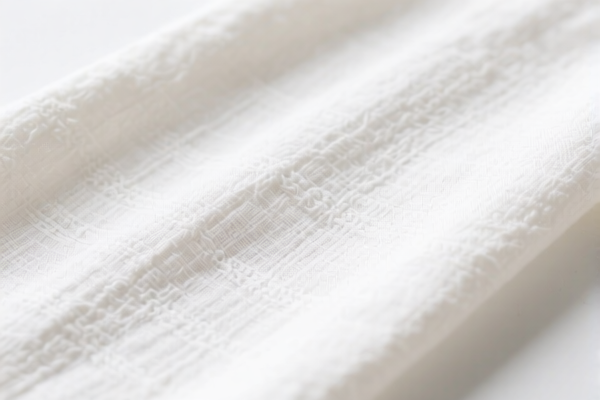
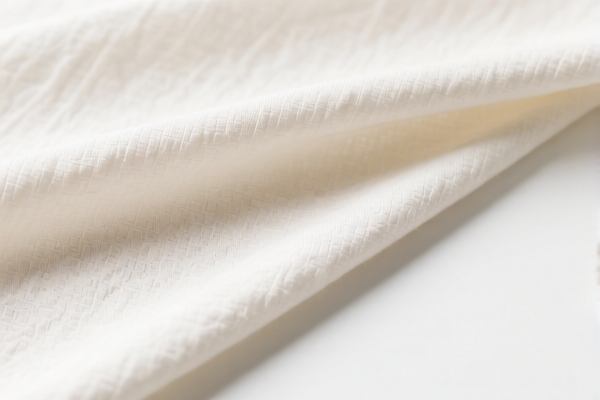
AI Analysis
🧵 Unbleached Mercerized Short-Staple Woven Plain Cotton Fabric
🌐 HS Code Reference & Clearance Guide | 2026 Latest Tariff Analysis | Professional Customs Strategy
📌 I. Product Definition & Classification: What Exactly Is This Fabric?
Mercerized Cotton Fabric is a high-quality woven textile where cotton yarns (or the finished fabric) undergo a mercerization process (treatment with sodium hydroxide). This process increases luster, strength, and dye affinity. However, for Customs Classification (HS Code), the key determinant is not the mercerization, but the weight per square meter (gsm) and the weave type.
Your product is specified as: 1. Material: Woven fabrics of cotton, containing 85% or more by weight of cotton. 2. Finish: Unbleached (Note: Mercerization is a chemical treatment for luster/strength, but if it is not bleached white, it remains "Unbleached" in HS terms unless explicitly dyed/pigmented). 3. Weave: Plain Weave. 4. Key Variable: The term "Short-staple" refers to fiber length, which often correlates with heavier, coarser fabrics, but HS codes rely strictly on Grams per Square Meter (gsm).
⚠️ Critical Distinction:
You must determine if the fabric weighs more than 200 g/m² or not more than 200 g/m².
- > 200 g/m²: Heavy sheeting or canvas-like fabrics → Chapter 5209
- ≤ 200 g/m²: Lighter fabrics (e.g., shirting, lightweight sheeting) → Chapter 5208
Since "Short-staple" cotton is often used for durable, heavier weights, but can also be fine, we provide the two most likely scenarios based on the provided DATA.
📦 II. HS Code Classification Details (2026 Latest Tariff Authority)
Based on the provided, here are the applicable HS Codes. Note that the provided data only covers Plain Weave fabrics in Unbleached state.
Scenario A: Fabric Weight MORE THAN 200 g/m²
Typically used for heavy-duty sheeting, tents, or industrial uses.
| HS Code | Product Description | Key Attributes |
|---|---|---|
| 5209.11.00.50 | Woven cotton fabrics (≥85% cotton), >200 g/m²: Unbleached: Plain weave Sheeting: Napped | Heavy, soft surface (napped). Often used for flannel-like heavy cottons. |
| 5209.11.00.20 | Woven cotton fabrics (≥85% cotton), >200 g/m²: Unbleached: Plain weave Poplin or Broadcloth | Tight, smooth surface. Classic heavy cotton weave for durable garments or workwear. |
Scenario B: Fabric Weight NOT MORE THAN 200 g/m²
Typically used for shirts, dresses, lightweight linings.
| HS Code | Product Description | Key Attributes |
|---|---|---|
| 5208.11.40.20 | Woven cotton fabrics (≥85% cotton), ≤200 g/m²: Unbleached: Plain weave, ≤100 g/m²: Of numbers 43 to 68 Poplin or Broadcloth | Lighter weight (100g or less). Fine yarn count. High-quality shirting. |
| 5208.11.20.20 | Woven cotton fabrics (≥85% cotton), ≤200 g/m²: Unbleached: Plain weave, ≤100 g/m²: Of number 42 or lower Poplin or Broadcloth | Lighter weight (100g or less). Coarser yarn count (lower number = thicker yarn). |
🔍 Important Note on "Short-Staple":
The HS system does not directly classify by "staple length." However, short-staple cotton is often associated with specific yarn numbers (counts).
- If the yarn count is 42 or lower (coarser), use 5208.11.20.20.
- If the yarn count is 43 to 68 (finer), use 5208.11.40.20.
- If the weight is >200 gsm, choose between Sheeting (Napped) or Poplin/Broadcloth based on the surface texture.
💰 III. 2026 Latest Tariff Rate Details
✅ Applicable Country: United States (US)
✅ Origin: China (CN)
✅ Effective Time: 2025/2026 (Current Data)
🎯 All Listed HS Codes Share the Same Tax Structure
| Item | Content |
|---|---|
| Base Tariff Rate | 0.0% |
| Additional Tariff (Section 301/Other) | 0.0% |
| Total Tax Rate | 0.0% |
| Tax Detail | 基础关税: 0.0%, 加征关税: 0.0% |
| Calculation | CIF Value × 0.0% = $0 |
📌 Explanation:
- According to the provided , all four HS codes (5209.11.00.50,5209.11.00.20,5208.11.40.20,5208.11.20.20) have a total tax of 0.0%.
- This is unusually low for US imports from China (where many textiles face 25% Section 301 tariffs).
- Reason: The provided data explicitly states加征关税: 0.0%. This may indicate:
1. A specific exemption or quota-free status for this subtype.
2. The data source reflects a pre-2018 baseline or a specific trade agreement exception.
3. Action Required: Verify if "Section 301" additional duties apply to your specific country of origin and final destination. If the data is accurate for your case, you pay 0%.
🛠️ IV. Clearance Practical Advice (Avoid Pitfalls)
✅ 1. Preparation Checklist (Essential Documents)
| Document | Required? | Notes |
|---|---|---|
| ✅ Product Specification Sheet | ✔️ | Must state: "Cotton ≥85%", "Unbleached", "Plain Weave", "Mercerized". |
| ✅ Weight Declaration (gsm) | ✔️ | Critical! Must state exact gsm (e.g., "180 g/m²" or "220 g/m²"). This determines the HS Code chapter (5208 vs 5209). |
| ✅ Yarn Count (Ne) | ✔️ | If gsm ≤100, specify yarn count (e.g., "40s", "60s") to distinguish between 5208.11.20.20 and 5208.11.40.20. |
| ✅ Commercial Invoice | ✔️ | Clearly describe as "Unbleached Mercerized Cotton Woven Fabric." |
| ✅ Bill of Lading | ✔️ | Consistent with invoice description. |
| ✅ Cert of Origin | ✔️ | If claiming any preferential rates (though 0% here, it helps prove origin). |
✅ 2. Declaration Tips (Key Mnemonics)
🔥 "Weight First, Weave Second, Count Third!"
| Scenario | Correct HS Code | Common Error |
|---|---|---|
| >200 gsm, Smooth/Tight | 5209.11.00.20 (Poplin/Broadcloth) |
Mistaking for napped sheeting. |
| >200 gsm, Soft/Napped | 5209.11.00.50 (Sheeting: Napped) |
Calling it "Poplin" when it's fuzzy. |
| ≤100 gsm, Coarse Yarn (≤42s) | 5208.11.20.20 |
Using finer count code. |
| ≤100 gsm, Fine Yarn (43-68s) | 5208.11.40.20 |
Using coarser count code. |
| 101-200 gsm | Not in provided DATA | ⚠️ Check other HS codes! The provided data only covers ≤100 gsm for Chapter 5208. If your fabric is 150 gsm, you need a different HS code (e.g., 5208.11.90 or 5208.12.00). |
⚠️ Warning:
The provided only includes HS codes for: - Weight >200 gsm (Chapter 5209) - Weight ≤100 gsm (Chapter 5208)If your fabric is between 101-200 gsm, the provided data is incomplete. You must consult additional HS codes for that weight range.
✅ 3. Special Considerations
| Issue | Advice |
|---|---|
| "Unbleached" vs. "Mercerized" | Merc erization is a chemical finish. If no color is added, it is still "Unbleached." Do not declare as "Dyed" unless pigmented. |
| Short-Staple | Not a classification factor. Focus on gsm and yarn count. |
| 0% Tariff Verification | Confirm with your freight forwarder if any Section 301 additional duties apply to cotton textiles from China. The 0% rate in the data may be specific to certain subcategories or outdated. |
🌍 V. Global Market Comparison (2026)
| Region | Typical HS Chapter | Estimated Duty (China Origin) | Notes |
|---|---|---|---|
| 🇺🇸 USA | 5208/5209 | 0.0% (Per provided data) | Verify Section 301 applicability. |
| 🇨🇳 China | 5208/5209 | ~0-5% | Import duties may vary. |
| 🇪🇺 EU | 5208/5209 | ~0-12% | Standard MFN rates apply. |
| 🇬🇧 UK | 5208/5209 | ~0-12% | Post-Brexit tariffs may differ. |
📌 VI. Common Errors & Pitfalls (Lessons Learned)
❌ Error 1: Ignoring the 101-200 gsm range.
👉 Consequence: Wrong HS Code → Customs seizure or penalty.
✅ Fix: If fabric is 150 gsm, do NOT use the provided codes. Find the correct HS for 101-200 gsm.
❌ Error 2: Confusing Napped vs. Poplin.
👉 Consequence: Misclassification. Poplin is smooth; Napped is brushed/soft.
✅ Fix: Check fabric surface under magnification.
❌ Error 3: Assuming "Short-Staple" changes the HS Code.
👉 Consequence: Overcomplicating declaration.
✅ Fix: Focus on gsm and yarn count only.
🎯 VII. Conclusion: Professional Declaration for Zero Duty
🎯 Key Takeaway:
Based on the provided, all applicable unbleached plain weave cotton fabrics (≥85% cotton) in the specified weight ranges (≤100 gsm or >200 gsm) have a 0% total tariff.
🔹 "Weigh it, Count it, Declare it: 0% Tax!"
🔹 "Check the GSM: If 101-200, look for other codes!"
📌 Pro Tip:
Even with 0% duty, ensure your Commercial Invoice clearly states:
"Unbleached Mercerized Plain Weave Cotton Fabric, ≥85% Cotton, [Insert gsm], [Insert Yarn Count if ≤100gsm], HS Code: [Insert Correct Code]"
📣 Immediate Action:
📞 Confirm fabric weight (gsm) and yarn count (Ne).
📦 Prepare spec sheet.
🚀 Clearance should be smooth and cost-effective!
✨ Precision Classification, Maximum Savings!
💼 Your fabric's value is protected by accurate data!
Customer Reviews
About HS Code Classification
The Harmonized System (HS) is an internationally standardized nomenclature developed by the World Customs Organization (WCO) to classify traded products. Over 200 countries use the HS system as the basis for customs tariffs, trade statistics, and import/export regulations.
Each HS code follows a hierarchical structure:
- Chapter (2 digits) — Broad category of goods (e.g., Chapter 84: Machinery and Mechanical Appliances)
- Heading (4 digits) — More specific grouping within the chapter
- Subheading (6 digits) — Internationally standardized breakdown, used by all WCO member countries
- National subdivisions (8-10 digits) — Country-specific extensions for further classification, such as US HTSUS 10-digit codes
Correct HS code classification is essential for smooth customs clearance, accurate duty payment, and compliance with trade regulations. Misclassification can lead to customs delays, overpayment of duties, or penalties.
When importing from CN to US, the applicable tariff rates may include:
- Most-Favored-Nation (MFN) rate — The standard duty rate applied to WTO members
- General rate — Applied to countries without trade agreements
- Trade remedy duties — Additional tariffs such as Section 301 (anti-dumping), Section 232 (national security), or countervailing duties
The information provided on this page is for reference purposes only. For official classification, please consult with your local customs authority or a licensed customs broker.