Unbleached Modified Acrylic Short Fiber Woven Plain Cloth/Cotton Cloth
CN → US| HS Code | Tariff Rate | Origin | Destination | Doc |
|---|---|---|---|---|
| 5513410020 | 49.9% | CN | US | Official Doc |
| 5513310000 | 49.9% | CN | US | Official Doc |
| 5512210020 | 47.0% | CN | US | Official Doc |
| 5512210090 | 47.0% | CN | US | Official Doc |
Product Images
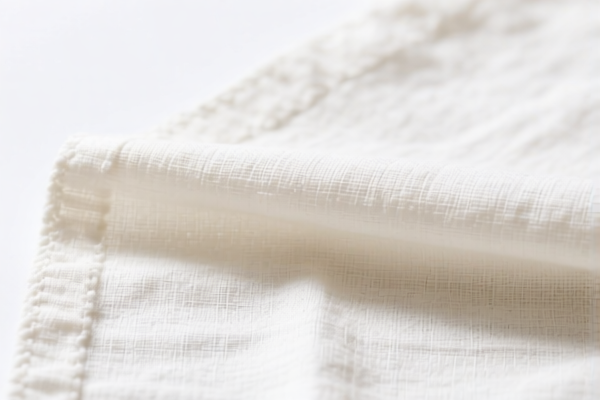
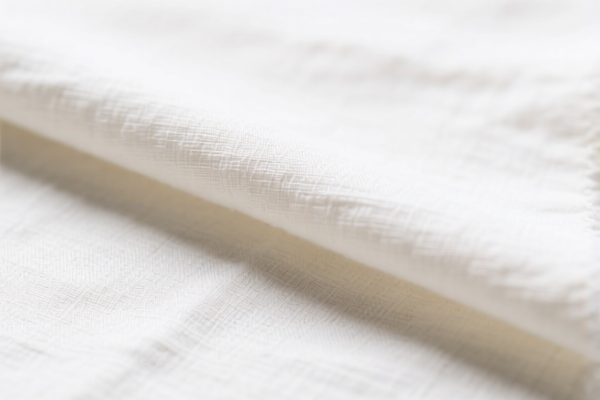
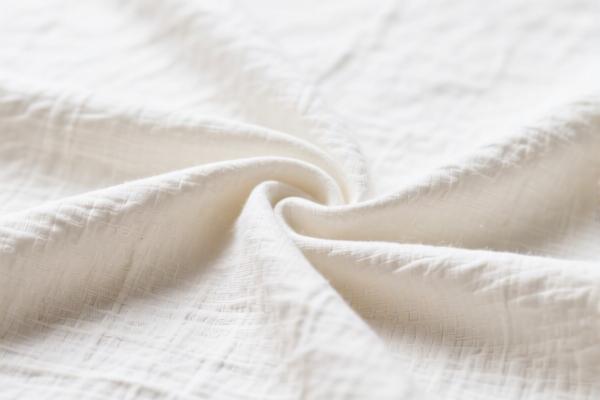
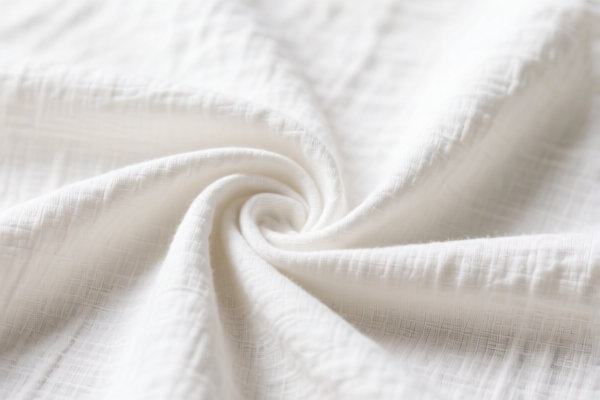
AI Analysis
🧵 Unbleached Modified Acrylic & Cotton Woven Plain Cloth
🌐 HS Code Reference & Customs Clearance Guide | 2026 Latest Tariff Analysis | Professional Clearance Strategy
📌 I. Product Definition & Classification: Do You Truly Understand "Modified Acrylic Fabric"?
Unbleached Modified Acrylic Short Fiber Woven Plain Cloth/Cotton Cloth refers to a specific type of textile fabric. In international trade, its classification hinges on the precise definition of "Modified" (chemically altered) vs. "Synthetic" and the fiber composition ratio. This product is not standard acrylic; it is a modified synthetic short fiber blended with cotton, woven in a plain weave, and in its unbleached state.
In the Harmonized System (HS), this falls under Chapter 55: Man-made Staple Fibers. The critical distinction lies between: 1. "Modified" Acrylics: Often treated as a distinct category from standard acrylics, potentially triggering different duty rates. 2. "Synthetic" vs. "Man-made": "Modified" acrylics are still man-made staple fibers, but their chemical modification can affect classification in specific national tariffs (especially the US).
⚠️ Key Distinction Point:
- If the fabric is Unbleached (raw, natural color) and Plain Weave, it generally falls under Heading 5513 (if cotton content is dominant or specific blend rules apply) or 5512 (if acrylic is dominant).
- "Modified" vs. "Standard": The US tariff schedule specifically distinguishes "Modified" acrylics, often applying higher duties or specific sub-headings.
- Blend Rule: The percentage of acrylic vs. cotton determines the chapter (55 vs. 52), but "Modified" acrylics often have special provisions.
📦 II. HS Code Classification Details (2026 Latest Tariff Authority Comparison)
Based on the provided data, here are the specific HS Codes for Unbleached Modified Acrylic/Cotton Plain Woven Fabric:
| HS Code | Product Description | Application Scenario | Tax Rate (Total) |
|---|---|---|---|
5513.41.00.20 |
Unbleached Plain Woven Fabric of Modified Acrylic Short Fibers Mixed with Cotton | Standard modified acrylic-cotton blend, plain weave, unbleached | 49.9% |
5513.31.00.00 |
Unbleached Plain Woven Fabric of Modified Polyacrylonitrile Short Fibers Mixed with Cotton | Technically precise: "Modified Polyacrylonitrile" (scientific name for modified acrylic) | 49.9% |
5512.21.00.20 |
Unbleached Woven Fabric Containing Acrylic (Contains Cotton) | Broader category: Acrylic-dominant blend, unbleached | 47.0% |
5512.21.00.90 |
Unbleached Woven Fabric of Acrylic Staple Fibers | Generic acrylic staple fiber fabric, unbleached (may apply if "modified" is not explicitly declared or if cotton % is low) | 47.0% |
5513.41.00.20 |
Unbleached Plain Woven Fabric of Synthetic Short Fibers Mixed with Cotton | Alternative classification if "Modified" is not distinguished from general "Synthetic" in some contexts | 49.9% |
🔍 Critical Note:
-5513vs.5512:
-5513typically applies when the fabric is mixed with cotton and the synthetic fiber content is < 85% (or specific blend rules).
-5512applies when the fabric is primarily acrylic (often > 85% acrylic) or when the specific sub-heading for "modified" isn't available in the local tariff, forcing a generic "acrylic" classification.
- "Modified" Matters: Codes like5513.41.00.20and5513.31.00.00explicitly mention "Modified" or "Modified Polyacrylonitrile", leading to a 49.9% rate. Generic "Acrylic" codes (5512.21.00.xx) have a slightly lower base rate (12% vs. 14.9%), but the total tax remains high due to Section 301 and IEEPA penalties.
💰 III. 2026 Latest Tariff Rate Breakdown (Including Surcharges & Policy Add-ons)
✅ Applicable Country: United States (US)
✅ Origin: China (CN)
✅ Effective Date: November 10, 2025 (and onwards)
🎯 1. 5513.41.00.20 / 5513.31.00.00 / 5513.41.00.20 (Synthetic Blend)
Product: Unbleached Modified Acrylic/Cotton Plain Woven Fabric
| Item | Details |
|---|---|
| Base Tariff Rate | 14.9% (Standard MFN rate for this specific modified blend) |
| Section 301 Tariff | +25.0% (Under USTR Public Notice 1135/1146) |
| Section 122 Tariff | +10.0% (Under 19 U.S.C. § 1677j, often applied to textiles from China) |
| Total Tariff Rate | 49.9% |
| Tax Calculation | CIF Value × 49.9% |
| De Minimis Eligibility | ❌ Not Eligible (Deny De Minimis for Section 301/122 goods) |
| Legal Basis Path | Section 301: 19 CFR 122.49 → Section 122: 19 U.S.C. 1677j → HTSUS: 5513.41.00.20 |
📌 Explanation:
- The 14.9% base rate is higher than standard acrylics (12%) because of the "Modified" classification.
- The +25% is the standard Section 301 penalty on Chinese textiles.
- The +10% is the Section 122 tariff, which is specifically targeted at Chinese textile imports to protect domestic manufacturers.
- Total 49.9% is a very high tariff burden.
🎯 2. 5512.21.00.20 / 5512.21.00.90 (Generic Acrylic)
Product: Unbleached Woven Fabric of Acrylic Staple Fibers
| Item | Details |
|---|---|
| Base Tariff Rate | 12.0% (Standard rate for acrylic staple fiber fabrics) |
| Section 301 Tariff | +25.0% |
| Section 122 Tariff | +10.0% |
| Total Tariff Rate | 47.0% |
| Tax Calculation | CIF Value × 47.0% |
| De Minimis Eligibility | ❌ Not Eligible |
| Legal Basis Path | Section 301 → Section 122 → HTSUS: 5512.21.00.xx |
📌 Note:
- While the base rate is lower (12% vs. 14.9%), the total tax (47.0%) is still punitive.
- Use this code only if the fabric does not meet the strict definition of "Modified" under US CBP rulings. If it is "Modified," using5512codes may lead to misclassification penalties.
🛠️ IV. Customs Clearance Practical Advice (Combat Pitfalls Guide)
✅ 1. Required Documentation Checklist (Missing Items = Delay/Rejection)
| Document | Mandatory? | Description |
|---|---|---|
| ✅ Product Specification Sheet | ✔️ | Must detail: Fiber composition (% Acrylic vs. % Cotton), Weave Type (Plain), Bleach State (Unbleached), Width, Weight. |
| ✅ Lab Test Report | ✔️ | Third-party report confirming "Modified" vs. "Standard" Acrylic. This is crucial for distinguishing between 49.9% and 47.0% rates. |
| ✅ Commercial Invoice | ✔️ | Must explicitly state: "Unbleached Modified Acrylic Short Fiber Woven Plain Cloth/Cotton Cloth." |
| ✅ Packing List | ✔️ | Detail gross/net weight, number of packages. |
| ✅ Bill of Lading | ✔️ | Standard shipping document. |
| ✅ Certificate of Origin | ✔️ | Required for Section 301/122 applicability. |
| ✅ Customs Entry Type | ✔️ | Specify "Type 86" or "Type 98" for formal entry. |
✅ 2. Declaration Tips (Critical Mantras)
🔥 "Declare 'Modified', Specify 'Unbleached', Avoid 'Generic'!"
| Scenario | Correct Declaration | Incorrect Action |
|---|---|---|
| Fabric is Modified Acrylic | 5513.41.00.20 or 5513.31.00.00 |
Declare as "General Acrylic" → Risk of misclassification penalty. |
| Fabric is Unbleached | Explicitly state "Unbleached" | State "Bleached" → Wrong duty rate, potential fraud allegation. |
| Plain Weave | Specify "Plain Weave" | Omit weave type → Customs may assign higher default rate. |
| Cotton Blend | Specify % Cotton | Hide cotton content → Misclassification under 5512 (Acrylic only) instead of 5513 (Blend). |
✅ 3. Special Case Handling
| Scenario | Handling Advice |
|---|---|
| "Modified" vs. "Standard" Dispute | Provide chemical analysis reports. CBP may challenge "Modified" status. If denied, you may fall back to 47.0%, but you must defend the technical definition. |
| Small Shipments | De Minimis does NOT apply due to Section 122 and 301. Even small samples pay full tax. |
| Transshipment from Vietnam/Malaysia | If fabricated in Vietnam using Chinese modified acrylic yarn, Country of Origin remains China (substantial transformation rules). 49.9% tax still applies. |
| OEM Custom Fabric | Provide buyer's tech pack. Ensure the description matches the exact fiber content to avoid CBP audits. |
🌍 V. Global Market Clearance Comparison (2026 Latest)
| Country/Region | Recommended HS Code | Tariff Rate | Certification | Notes |
|---|---|---|---|---|
| 🇺🇸 USA | 5513.41.00.20 |
49.9% | No specific tech certs | Highest tax burden. Section 122 + 301. |
| 🇨🇳 China | 5513.41.00.20 |
~5-7% | N/A | Low import tax for domestic use. |
| 🇪🇺 EU | 5513.41 |
~0-4% | REACH, OEKO-TEX | No Section 301/122. Much cheaper. |
| 🇬🇧 UK | 5513.41 |
~5% | UKCA, REACH | Post-Brexit, rates similar to EU. |
| 🇨🇦 Canada | 5513.41 |
~5-10% | N/A | No Section 301. |
📌 Conclusion:
- USA is the only major market with punitive 49.9% tariffs for this specific product from China.
- EU/UK/Canada are significantly cheaper for importers, but re-export to the US triggers the US tariffs.
- Supply Chain Strategy: If targeting the US market, consider sourcing modified acrylic from non-Chinese sources (e.g., South Korea, Japan) to avoid Section 301/122, if feasible.
📌 VI. Common Mistakes & Pitfalls (Lessons Learned)
❌ Mistake 1: Declaring as "General Acrylic Fabric" (5512.21.00.90) to save 2.9%.
👉 Consequence: CBP audits reveal "Modified" status → Back taxes + 30% penalty + seizure risk.
Correct: Always declare "Modified" if chemically altered. The 2.9% savings is not worth the risk.
❌ Mistake 2: Claiming De Minimis for shipments < $800.
👉 Consequence: Customs holds goods. Section 122 and 301 goods do not qualify for de minimis.
Correct: File formal entry for all shipments, regardless of value.
❌ Mistake 3: Omitting "Unbleached" in description.
👉 Consequence: Customs may assume bleached/dyed, applying different duty rates or requiring additional documentation.
Correct: Always specify "Unbleached" in commercial invoice.
❌ Mistake 4: Ignoring Section 122.
👉 Consequence: Underpaying by 10%.
Correct: Section 122 is mandatory for Chinese textiles. Ensure your broker includes it.
✅ Correct Declaration Example:
"Unbleached Plain Woven Fabric, Modified Acrylic Short Fiber, 65% Acrylic / 35% Cotton, 150gsm, Width 150cm, HTS 5513.41.00.20"
🎯 VII. Conclusion: Professional Declaration, Cost Control, Efficiency
🎯 Remember the Mantra:
🔹 "Modified = 14.9% Base, Generic = 12.0% Base. But 301+122 = 35% Add-on. Total = 47-50%."
🔹 "De Minimis is Dead for Textiles from China."
🔹 "Always Specify 'Unbleached' and 'Plain Weave'."
📌 Pro Tip:
If your modified acrylic fabric is produced in Vietnam, India, or Bangladesh, you avoid Section 301 (if origin is not China). However, Section 122 may still apply depending on the origin of the yarn.
- Yarn from China + Weaving in Vietnam → Still Subject to Section 122.
- Yarn from Non-China + Weaving in Vietnam → Lower Tax (0-5%).
Recommendation:
📞 Contact a licensed customs broker.
📄 Provide a Lab Report confirming "Modified" status.
📝 Apply for a Customs Ruling if unsure about "Modified" classification.
📣 Act Now:
🚀 Ensure your commercial invoice matches the HS Code exactly.
💼 Your cost of goods sold (COGS) is highly sensitive to these tariffs. Precision saves thousands.
✨ Professional Clearance Starts with Accurate Classification!
💼 Every cent of tax is worth calculating!
Customer Reviews
About HS Code Classification
The Harmonized System (HS) is an internationally standardized nomenclature developed by the World Customs Organization (WCO) to classify traded products. Over 200 countries use the HS system as the basis for customs tariffs, trade statistics, and import/export regulations.
Each HS code follows a hierarchical structure:
- Chapter (2 digits) — Broad category of goods (e.g., Chapter 84: Machinery and Mechanical Appliances)
- Heading (4 digits) — More specific grouping within the chapter
- Subheading (6 digits) — Internationally standardized breakdown, used by all WCO member countries
- National subdivisions (8-10 digits) — Country-specific extensions for further classification, such as US HTSUS 10-digit codes
Correct HS code classification is essential for smooth customs clearance, accurate duty payment, and compliance with trade regulations. Misclassification can lead to customs delays, overpayment of duties, or penalties.
When importing from CN to US, the applicable tariff rates may include:
- Most-Favored-Nation (MFN) rate — The standard duty rate applied to WTO members
- General rate — Applied to countries without trade agreements
- Trade remedy duties — Additional tariffs such as Section 301 (anti-dumping), Section 232 (national security), or countervailing duties
The information provided on this page is for reference purposes only. For official classification, please consult with your local customs authority or a licensed customs broker.