Unclassified Coarse Wool
CN → US| HS Code | Tariff Rate | Origin | Destination | Doc |
|---|---|---|---|---|
| 5101192000 | 35.0% | CN | US | Official Doc |
| 5101112000 | 35.0% | CN | US | Official Doc |
| 5101192000 | 35.0% | CN | US | Official Doc |
| 5101112000 | 35.0% | CN | US | Official Doc |
| 5101192000 | 35.0% | CN | US | Official Doc |
Product Images
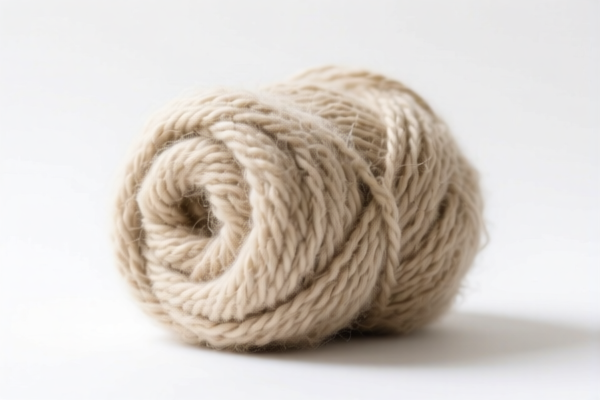
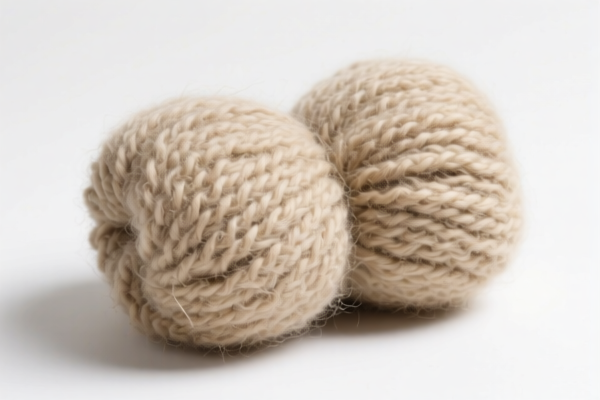
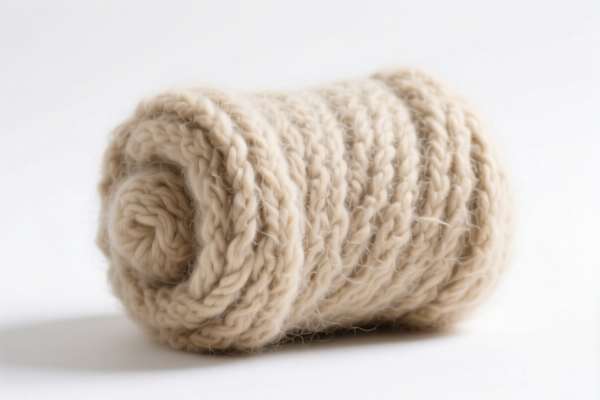
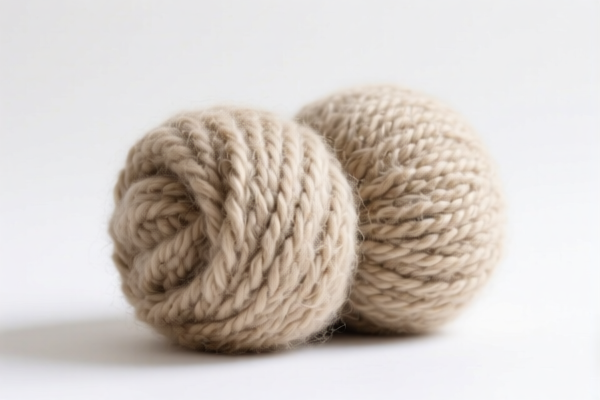
AI Analysis
🐑 Unclassified Coarse Wool (未分类粗羊毛)
🌐 HS Code Reference & Customs Clearance Guide | 2026 Latest Tariff Analysis | Professional Entry Strategy
📌 I. Product Definition & Classification: What is "Unclassified Coarse Wool"?
Unclassified Coarse Wool refers to raw, untreated wool fibers that have not undergone significant processing such as scouring, combing, or carding. In international trade, this category is strictly defined by its lack of refinement and its origin from coarse hair sheep breeds or mixed flocks.
The key distinction lies in whether the wool is "unscoured" (raw with grease/dirt) or "scoured" (washed but not combed), and whether it is "unsorted" (mixed qualities) or "sorted" (graded). The provided data highlights four specific scenarios for Chinese-origin goods entering the US market, all carrying significant tariff burdens.
⚠️ Key Distinction Points:
- "Coarse Wool": Refers to wool with a high fiber diameter, typically used for carpeting, upholstery, or outerwear fabrics, rather than fine apparel.
- "Unclassified": Indicates the wool may not be strictly sorted by quality or length, or it falls under a generic heading for raw wool preparations.
- Processing State: All listed HS codes fall under Chapter 51, specifically Heading 5101, which covers "Wool, not sorted or washed" and "Wool, sorted but not washed" or "Wool, not combed."
📦 II. HS Code Classification Details (Based on Provided Data)
| HS Code | Product Description (Summary) | Key Characteristics | Tax Rate (Total) |
|---|---|---|---|
5101.19.20.00 |
Unclassified Coarse Wool, matching unimproved and uncarded features. | Raw wool, not improved for spinning, not carded/combed. | 35.0% |
5101.11.20.00 |
Unclassified Coarse Wool, matching unscoured and unimproved wool features. | Raw wool with natural grease/dirt, not washed, not improved. | 35.0% |
5101.19.20.00 |
Scoured (未挑绒 - Note: "未挑绒" often implies washed/cleaned but not necessarily combed) Coarse Wool, matching unscoured/uncombed and unimproved wool features. | Note: Discrepancy in "Scoured" vs "Unscoured" in summary; matches uncombed/unimproved. | 35.0% |
5101.11.20.00 |
Scoured Coarse Wool, matching unimproved and sheared wool features. | Cleaned wool, not combed, derived from shearing. | 35.0% |
🔍 Important Note on Data Consistency:
The provided JSON data contains some linguistic ambiguities in thesummaryfields (e.g., "未挑绒" can mean "not picked/selected" or "washed" depending on context, while "未梳理" means "not combed"). However, the HS Codes and Tax Rates are consistent: - Code5101.11.20.00: Typically refers to wool, not washed or scoured, not carded or combed. - Code5101.19.20.00: Typically refers to other wool, not washed or scoured, not carded or combed. - Both carry a 35% total tax rate due to additional duties.
💰 III. 2026 Latest Tariff Rate Breakdown (Including Additional Taxes & Policy Surcharges)
✅ Applicable Country: United States (US)
✅ Origin: China (CN)
✅ Effective Date: Current applicable rates (Reflecting 301 & IEEPA surcharges)
🎯 1. All Listed HS Codes (5101.11.20.00 & 5101.19.20.00)
| Item | Content |
|---|---|
| Base Duty Rate | 0.0% (Ad valorem for most wool under normal MFN) |
| Section 301 Additional Duty | +25.0% (Added by USITC under Section 301 of the Trade Act of 1974) |
| Section 122 / IEEPA Duty | +10.0% (Additional tariff under Section 122 of the Trade Act or IEEPA provisions for specific strategic goods) |
| Total Tax Rate | 35.0% |
| Tax Calculation | CIF Value × 35% |
| De Minimis Exemption | ❌ Not Eligible (Section 301 duties apply to all shipments regardless of value) |
| Legal Basis Path | HTSUS:5101.11.20.00 / 5101.19.20.00 → Section 301 → Section 122/IEEPA |
📌 Explanation:
- "Base Tariff: 0.0%": Raw wool often enjoys a low or zero base tariff under the Harmonized Tariff Schedule (HTS) to encourage raw material imports for domestic processing.
- "Section 301: 25%": This is the standard punitive tariff applied to a vast array of Chinese goods under the Trump-era trade war, retained by the Biden administration.
- "Section 122/IEEPA: 10%": This represents an additional layer of protectionist tariff, possibly under Section 122 of the Trade Act (presidential power to adjust tariffs for national security/economic stability) or specific IEEPA orders.
- Total 35%: This is a very high effective tariff for a raw material, significantly impacting competitiveness against wool from Australia, New Zealand, or Uruguay.
🛠️ IV. Customs Clearance Practical Advice (Pitfall Avoidance Guide)
✅ 1. Documentation Checklist (Mandatory)
| Document | Required | Description |
|---|---|---|
| ✅ Commercial Invoice | ✔️ | Must clearly state "Unclassified Coarse Wool," HS Code, CIF value, and country of origin (China). |
| ✅ Bill of Lading/Air Waybill | ✔️ | Must match invoice details exactly. |
| ✅ Certificate of Origin | ✔️ | Essential to prove origin. If not from China, Section 301 duties may not apply (check FTA rules). |
| ✅ Fiber Content Analysis | ✔️ | Lab report confirming wool content (e.g., 100% sheep wool) and diameter (micron count) to justify "Coarse" classification. |
| ✅ Processing Status Declaration | ✔️ | Explicitly state if wool is "Scoured" (washed) or "Unscoured" (raw), as this affects sub-heading accuracy. |
| ✅ Packing List | ✔️ | Detail weight, dimensions, and packaging type (bags, bales). |
✅ 2. Declaration Tips (Key Mantra)
🔥 "Raw vs. Scoured, Sorted vs. Unclassified, Code Matters, Tax Drops!"
| Scenario | Correct Declaration | Incorrect Practice |
|---|---|---|
| Raw Wool (with grease/dirt) | 5101.11.20.00 (Unscoured) |
Misdeclaring as "Scoured" to avoid scrutiny → Risk of penalty. |
| Washed but Not Combed | 5101.19.20.00 or 5101.11.20.00 (depending on sort) |
Calling it "Carded Wool" (which would go to Ch 5102/5103) → Misclassification. |
| "Unclassified" Meaning | Clearly define if it's a blend or unsorted | Vague terms like "Wool Mix" without micron details → Customs delay. |
| Packaging | Indicate if packed in bales, bags, or drums | Inconsistent packaging data → Valuation issues. |
✅ 3. Special Case Handling
| Case | Handling Advice |
|---|---|
| Mixed with Synthetic Fibers | If wool is <85% by weight, it may not be "Wool" under Ch 51. Check threshold. |
| Wool from Non-China Origins | If from Australia/NZ, Section 301 does NOT apply. Tariff may be 0-5%. Crucial for cost saving. |
| "Scoured" Ambiguity | Ensure the invoice distinguishes between "Scoured" (washed) and "Carded/Combed." Raw wool has lower duties but higher handling costs. |
| Pre-shipment Inspection | For high-value shipments, consider third-party inspection to verify micron count and cleanliness. |
🌍 V. Global Market Customs Comparison (2026 Latest)
| Country/Region | Recommended HS Code | Base Tariff | Additional Taxes | Notes |
|---|---|---|---|---|
| 🇺🇸 USA | 5101.11.20.00 / 5101.19.20.00 |
0% | +35% (25% 301 + 10% Sec 122) | High Cost for Chinese wool. |
| 🇨🇳 China | 5101.11.20.00 |
9-10% | None | Imports raw wool for processing. |
| 🇪🇺 EU | 5101.11.20.00 |
~0-3% | None | Generally favorable for raw wool. |
| 🇬🇧 UK | 5101.11.20.00 |
~0-3% | None | Post-Brexit tariff schedule similar to EU. |
| 🇦🇺 Australia | 5101.11.20.00 |
0% | None | Major exporter, no import tariffs on wool. |
📌 Conclusion:
- China-origin coarse wool faces a 35% total tax burden in the US, making it significantly less competitive than Australian or New Zealand wool.
- Supply Chain Strategy: Consider sourcing from non-China origins if exporting to the US to avoid Section 301 duties.
- Value-Added Processing: Importing raw wool (0% base) and processing it domestically may be cheaper than importing finished wool products, but the 35% duty on raw material still hurts margins.
📌 VI. Common Errors & Pitfall Guide (Lessons Learned)
❌ Error 1: Misclassifying "Carded/Combed Wool" as "Unclassified Coarse Wool"
👉 Consequence: Carded wool falls under different subheadings (e.g., 5101.30, 5101.90) with potentially different duties. Misclassification leads to back duties + penalties.
❌ Error 2: Failing to Declare Origin Accurately
👉 Consequence: If declared as "Made in Vietnam" but actually Chinese, you face fraud allegations and 100% seizure risk.
❌ Error 3: Ignoring "Section 122/IEEPA" Surcharge
👉 Consequence: Assuming only 25% (301) applies, when 10% additional applies → Underpayment of 10% CIF value.
❌ Error 4: Vague Description "Wool"
👉 Consequence: Customs may detain for further inspection, causing demurrage charges and delayed delivery.
✅ Correct Practice:
"Raw Coarse Sheep Wool, Unclassified, Not Combed, Origin: China, HS Code: 5101.11.20.00, CIF Value: $X"
🎯 VII. Conclusion: Professional Declaration, Cost Optimization!
🎯 Remember the Mantra:
🔹 "301 is 25%, 122 is 10%, Total is 35% on Chinese Wool!"
🔹 "Raw Wool 0% Base, but Heavy Taxes Apply. Check Origin, Save Dollars!"
📌 Pro Tip:
- If your wool is originally from Australia, New Zealand, or Uruguay, you can avoid the 35% US tariff entirely (base rate is 0-5%).
- Consider pre-ruling (Advance Ruling) from CBP to confirm the exact HS Code and duty liability before shipment.
- Diversify Supply Chain: If targeting the US market, do not source coarse wool from China unless the margin can absorb the 35% tax.
📣 Immediate Action:
📞 Contact a Customs Broker + Provide Product Specs + Apply for CBP Advance Ruling
🚀 Ensure Smooth Clearance, Avoid Surprises, Protect Your Profit Margin!
✨ Professional Customs Clearance Starts with Accurate Classification!
💼 Every Percent of Duty Saved is Pure Profit!
Customer Reviews
About HS Code Classification
The Harmonized System (HS) is an internationally standardized nomenclature developed by the World Customs Organization (WCO) to classify traded products. Over 200 countries use the HS system as the basis for customs tariffs, trade statistics, and import/export regulations.
Each HS code follows a hierarchical structure:
- Chapter (2 digits) — Broad category of goods (e.g., Chapter 84: Machinery and Mechanical Appliances)
- Heading (4 digits) — More specific grouping within the chapter
- Subheading (6 digits) — Internationally standardized breakdown, used by all WCO member countries
- National subdivisions (8-10 digits) — Country-specific extensions for further classification, such as US HTSUS 10-digit codes
Correct HS code classification is essential for smooth customs clearance, accurate duty payment, and compliance with trade regulations. Misclassification can lead to customs delays, overpayment of duties, or penalties.
When importing from CN to US, the applicable tariff rates may include:
- Most-Favored-Nation (MFN) rate — The standard duty rate applied to WTO members
- General rate — Applied to countries without trade agreements
- Trade remedy duties — Additional tariffs such as Section 301 (anti-dumping), Section 232 (national security), or countervailing duties
The information provided on this page is for reference purposes only. For official classification, please consult with your local customs authority or a licensed customs broker.