Unclassified Machine Parts
CN → US| HS Code | Tariff Rate | Origin | Destination | Doc |
|---|---|---|---|---|
| 8487900040 | 38.9% | CN | US | Official Doc |
| 8487900080 | 88.9% | CN | US | Official Doc |
| 8548000000 | 35.0% | CN | US | Official Doc |
Product Images
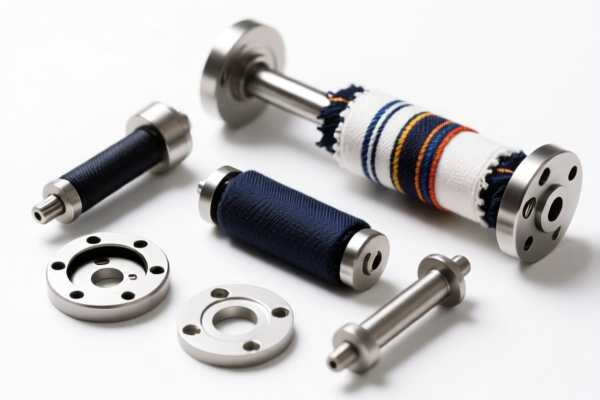
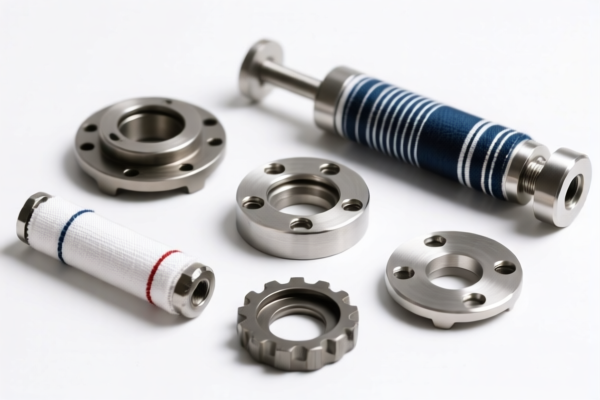
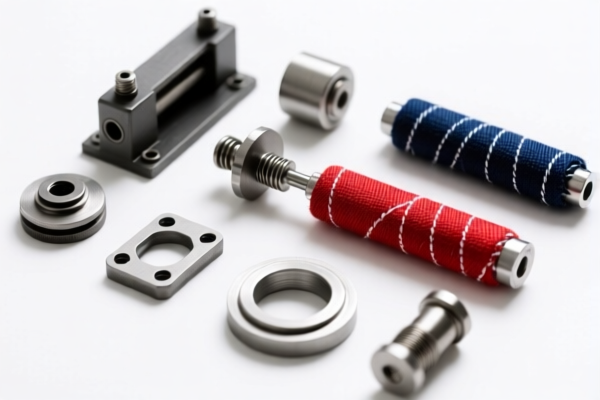
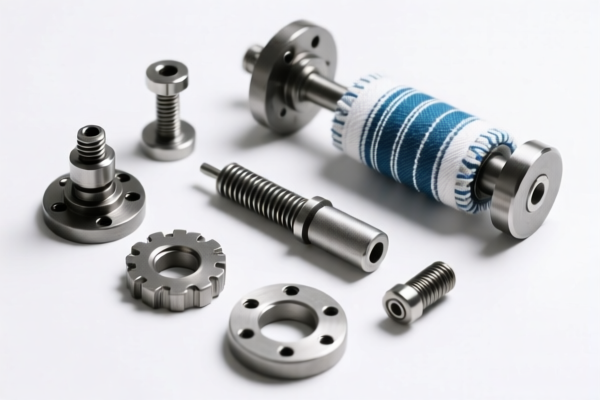
AI Analysis
⚙️ Unclassified Machine Parts (Machinery Components)
🌐 HS Code Reference & Customs Clearance Guide | 2026 Latest Tariff Analysis | Professional Clearance Strategy 📌 Part I: Product Definition & Classification: What Are "Unclassified Machine Parts"?
In international trade, "Unclassified Machine Parts" is a broad and often ambiguous term. It generally refers to components that do not have a specific heading in Chapters 84 or 85 and are intended for use with general machinery. However, the critical distinction in customs classification lies in electrical features and specific machinery association. Misclassification here leads to severe tariff shocks (up to 78.9% vs. 0%).
There are two main categories based on the provided data: 1. Electrical Parts of Machinery: Parts containing electrical features (connectors, coils, contacts) that are not elsewhere specified. 2. Non-Electrical Mechanical Parts: Parts used for specific high-value machinery (Heading 8479-8485) or general machinery without electrical features.
⚠️ Key Distinction Point: * If the part has electrical features (coils, contacts, insulators) → It likely falls under 8548.00.00.00. * If the part is specifically designed for machinery in Headings 8479–8485 (industrial robots, cleaning machines, etc.) → It likely falls under 8486.90.90.00. * If the part is a general mechanical component (seals, gears) without electrical features → It likely falls under 8487.90.
📦 Part II: HS Code Classification Details (Latest 2026 Tariff Reference)
| HS Code | Product Description | Applicable Scenario | Electrical Features? |
|---|---|---|---|
8548.00.00.00 |
Electrical parts of machinery or apparatus, not specified or included elsewhere in this chapter | Motors parts, switches, relays, wiring harnesses, insulators not covered elsewhere | ✅ Yes (Contains coils/contacts/connectors) |
8486.90.90.00 |
Other parts and accessories suitable for use solely or principally with machinery of heading 8479 to 8485 | Parts for industrial robots, automated cleaning machines, or other general industrial machinery | ❌ No (Or not the primary classifier) |
8487.90.00.80 |
Machinery parts, not containing electrical connectors... Other: Other | General mechanical parts (gears, shafts, brackets) made of Steel, Aluminum, or Copper | ❌ No (But subject to extra metal tariffs) |
8487.90.00.40 |
Machinery parts, not containing electrical connectors... Other: Oil seals, other than those of chapter 40 | Mechanical seals, gaskets, O-rings (not rubber/chapter 40) | ❌ No |
🔍 Important Reminder: * Electrical parts are grouped under Chapter 85. If a part has any electrical function, it is rarely classified as a "general mechanical part" (Chapter 84). * Specificity Rule: Parts for Headings 8479-8485 have their own specific subheading (8486.90), distinguishing them from general parts (8487.90).
💰 Part III: 2026 Latest Tariff Rate Breakdown (Including Surcharge Taxes)
✅ Applicable Country: United States (US) ✅ Origin: China (CN) ✅ Effective Time: Current tariffs apply (Section 301 & IEEPA measures)
🎯 1. 8548.00.00.00 —— Electrical Parts of Machinery
| Item | Detail |
|---|---|
| Base Tariff | 0.0% |
| Section 301 Surcharge | +25.0% |
| Total Tax Rate | 25.0% |
| Calculation | CIF Value × 25% |
| De Minimis Exemption | ❌ Not Available (Section 301 duties apply to low-value shipments if not exempted by other rules) |
| Legal Basis | USITC:8548.00.00.00 + Section 301 Footnote |
📌 Explanation: * "Electrical parts not elsewhere specified" captures a wide range of components. * The 25% total tax is significant. Unlike some consumer electronics which face higher combined rates (IEEPA + 301), this specific heading shows a total of 25% in the provided data. Ensure no additional IEEPA surcharge is applied to this specific code in your current ruling, as rates can fluctuate.
🎯 2. 8486.90.90.00 —— Parts for Machinery (Headings 8479-8485)
| Item | Detail |
|---|---|
| Base Tariff | N/A |
| Surcharge Status | Error / Unavailable |
| Total Tax Rate | Error |
| Tax Detail | "Failed to retrieve tax information" |
| Action Required | Consult Customs Broker Immediately |
⚠️ Critical Warning: * The tax information for this HS Code is missing/Error in the current dataset. * Risk: This could range from 0% to 25%+ depending on recent policy updates. * Recommendation: Do not rely on this code for final cost estimation without a Pre-Ruling or confirmation from a licensed customs broker. Misclassifying a part here instead of 8487.90 or 8548 could lead to underpayment.
🎯 3. 8487.90.00.80 —— General Machinery Parts (Non-Electrical)
| Item | Detail |
|---|---|
| Base Tariff | 3.9% |
| Section 301 Surcharge | +25.0% |
| Metal Surcharge (Steel/Aluminum/Copper) | +50.0% |
| Total Tax Rate | 78.9% |
| Calculation | CIF Value × 78.9% |
| Applicable Materials | Steel, Aluminum, Copper products |
| Legal Basis | USITC:8487.90.00.80 + Section 301 + Metal Tariff Annex |
📌 Explanation: * This is the highest tariff category. * The 50% metal surcharge is added on top of the base and Section 301 duties for parts made of steel, aluminum, or copper. * Strategy: If your part is made of Plastic, Ceramic, or Composite Materials, verify if it can be classified here without the metal surcharge. If it is metal, the cost is prohibitive (78.9%).
🎯 4. 8487.90.00.40 —— Oil Seals & Mechanical Seals
| Item | Detail |
|---|---|
| Base Tariff | 3.9% |
| Section 301 Surcharge | +25.0% |
| Total Tax Rate | 28.9% |
| Calculation | CIF Value × 28.9% |
| Material Exemption | Not subject to the 50% metal surcharge (unless the seal contains metal components that define the classification) |
| Legal Basis | USITC:8487.90.00.40 + Section 301 |
📌 Explanation: * Specifically for Oil Seals (and seals other than rubber Chapter 40). * This code is lower than the general "Other" machinery parts (8487.90.00.80) because it does not attract the 50% metal surcharge in the provided data (or the surcharge is already factored differently). * Crucial Check: Ensure the seal is not made of rubber (Chapter 40). If it is rubber, it is classified elsewhere.
🛠️ Part IV: Customs Clearance Practical Advice (Real-World Pitfall Guide)
✅ 1. Preparation Checklist (Non-Negotiable)
| Document | Required | Explanation |
|---|---|---|
| ✅ Technical Datasheet | ✔️ | Must specify materials (Steel? Plastic? Copper?) and function (Electrical? Mechanical?). |
| ✅ Electrical Schematic/Photo | ✔️ | To prove/disprove electrical features. If it has wires/contacts, it’s likely 8548. |
| ✅ Material Composition | ✔️ | Critical for 8487.90.00.80. If >50% metal by value/weight, expect the 50% surcharge. |
| ✅ Intended Machinery | ✔️ | If the part is only for machinery in Headings 8479-8485, it may qualify for 8486.90.90.00 (but verify tax!). |
| ✅ Commercial Invoice | ✔️ | Must clearly describe the item. Vague terms like "Machine Part" invite scrutiny. |
✅ 2. Classification Strategy (Key Mantra)
🔥 "Electrical goes to 85, Specific to 8486, General Metal to 8487/78.9%, Seals to 8487/28.9%!"
| Scenario | Correct HS Code | Tax Rate | Why? |
|---|---|---|---|
| Motor Winding / Coil | 8548.00.00.00 |
25.0% | It is an electrical part not elsewhere specified. |
| Robot Arm Joint (Mechanical) | 8486.90.90.00 |
Verify | Fits "Machinery of 8479-8485". Tax is unclear, requires ruling. |
| Steel Gear (General) | 8487.90.00.80 |
78.9% | General part + Steel material + Section 301 = High Tax. |
| Rubber O-Ring | NOT LISTED | N/A | Falls under Chapter 40 (Rubber). Check Chapter 40 tariffs. |
| Hydraulic Seal (Non-Rubber) | 8487.90.00.40 |
28.9% | Specific for "Oil seals". Lower than general parts. |
✅ 3. Special Handling & Optimization
| Situation | Advice |
|---|---|
| Part is Made of Plastic/Composite | Try to classify under 8487.90.00.80 but argue NO metal surcharge. If successful, tax drops from 78.9% to 28.9% (3.9% + 25%). |
| Part is an Oil Seal | Ensure it is not rubber. If it’s PTFE or Metal-Cased, use 8487.90.00.40 for 28.9% instead of 78.9%. |
| Unclear Tax for 8486.90.90.00 | Do not guess. Apply for an Advance Ruling. The "Error" status poses a compliance risk. |
| Electrical vs. Mechanical | If a part has a simple sensor, it might be considered "electrical" (8548) or "mechanical" (8487) depending on prominence. Seek clarification. |
🌍 Part V: Global Market Comparison (2026 Snapshot)
| Country | Recommended HS Code | Est. Tariff (China Origin) | Note |
|---|---|---|---|
| 🇺🇸 USA | 8487.90.00.80 (Steel) |
78.9% | Highest due to metal surcharge. |
| 🇺🇸 USA | 8487.90.00.40 (Seals) |
28.9% | Optimal for seal manufacturers. |
| 🇺🇸 USA | 8548.00.00.00 (Electrical) |
25.0% | Moderate for electrical components. |
| 🇨🇳 China | Varies | 0-10% | Import duties into China are lower; focus on export clarity. |
| 🇪🇺 EU | Varies | 0-6% | Generally no Section 301 equivalent. |
📌 Conclusion: * USA is the most complex due to layered surcharges (Section 301 + Metal). * Material choice matters: Switching from Steel to Plastic for general parts can save 50% in duties. * Product specificity: Defining a part as an "Oil Seal" instead of "General Part" saves 50% in duties.
📌 Part VI: Common Errors & Pitfalls (Lessons Learned)
❌ Error 1: Classifying a Steel Gear as 8487.90.00.40 (Oil Seals)
👉 Consequence: Customs reclassifies to 8487.90.00.80 → Back tax of 50% + Penalties!
❌ Error 2: Ignoring the Metal Surcharge for 8487.90.00.80
👉 Consequence: Underpaying 50% on steel/aluminum parts → Seizure or Audit.
❌ Error 3: Using 8486.90.90.00 without verifying tax
👉 Consequence: "Error" status means potential audit trigger. Customs may assess maximum duty.
❌ Error 4: Calling an Electrical Connector a "Machinery Part"
👉 Consequence: Should be 8548.00.00.00. While the rate is similar (25%), the classification error can delay clearance.
✅ Correct Approach:
"Steel Hydraulic Coupling, No Electrical Components, Model XYZ, 304 Stainless Steel" → Classify under
8487.90.00.80but check if plastic alternative is viable to avoid metal surcharge.
🎯 Part VII: Conclusion: Precision Saves Money!
🎯 Remember the Mantra:
🔹 "Electrical = 85 (25%), Seals = 8487.40 (28.9%), Steel Gears = 8487.80 (78.9%), Robot Parts = Check 8486!" 🔹 "Material Determines Surcharge, Specificity Determines Code!"
📌 Pro Tip: If your part is made of Aluminum or Copper, the 78.9% tax is brutal.
Action: Can you redesign the part in Plastic or Polymer? If yes, reclassify under
8487.90.00.80without metal surcharge → Tax drops to 28.9%.
📣 Immediate Action:
📞 Contact a Customs Broker for Pre-Ruling on
8486.90.90.00. 📝 Verify Material Composition for all8487.90.00.80entries. 🚀 Clear Classification = Clear Customs = Maximized Profit!
✨ Professional Clearance Starts with Accurate Classification! 💼 Every Percentage Point of Duty is a Percentage Point of Profit!
Customer Reviews
About HS Code Classification
The Harmonized System (HS) is an internationally standardized nomenclature developed by the World Customs Organization (WCO) to classify traded products. Over 200 countries use the HS system as the basis for customs tariffs, trade statistics, and import/export regulations.
Each HS code follows a hierarchical structure:
- Chapter (2 digits) — Broad category of goods (e.g., Chapter 84: Machinery and Mechanical Appliances)
- Heading (4 digits) — More specific grouping within the chapter
- Subheading (6 digits) — Internationally standardized breakdown, used by all WCO member countries
- National subdivisions (8-10 digits) — Country-specific extensions for further classification, such as US HTSUS 10-digit codes
Correct HS code classification is essential for smooth customs clearance, accurate duty payment, and compliance with trade regulations. Misclassification can lead to customs delays, overpayment of duties, or penalties.
When importing from CN to US, the applicable tariff rates may include:
- Most-Favored-Nation (MFN) rate — The standard duty rate applied to WTO members
- General rate — Applied to countries without trade agreements
- Trade remedy duties — Additional tariffs such as Section 301 (anti-dumping), Section 232 (national security), or countervailing duties
The information provided on this page is for reference purposes only. For official classification, please consult with your local customs authority or a licensed customs broker.