Unclassified Waste and Scrap
CN → US| HS Code | Tariff Rate | Origin | Destination | Doc |
|---|---|---|---|---|
| 8548000000 | 35.0% | CN | US | Official Doc |
| 7308900000 | 0.0% | CN | US | Official Doc |
| 7204490080 | 35.0% | CN | US | Official Doc |
| 7204410080 | 35.0% | CN | US | Official Doc |
| 3825900100 | 35.0% | CN | US | Official Doc |
| 3825690000 | 35.0% | CN | US | Official Doc |
Product Images
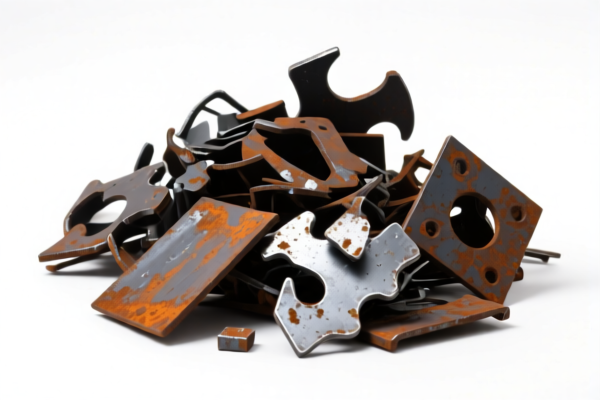
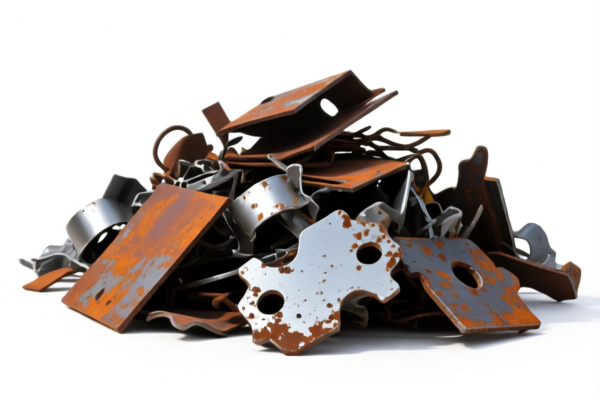
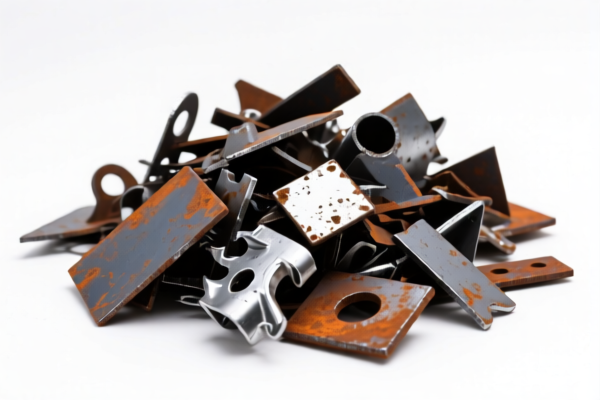
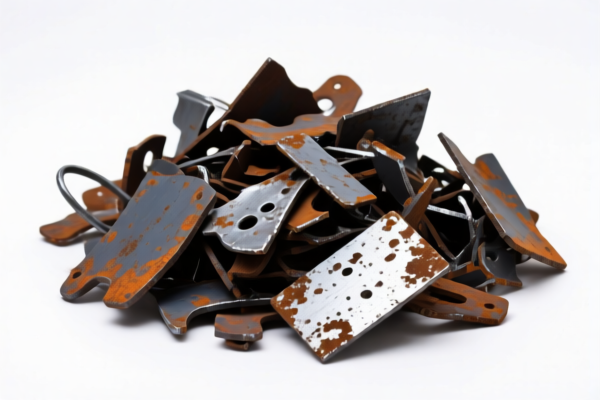
AI Analysis
🗑️ Unclassified Waste and Scrap (Industrial & Municipal Residue)
🌐 HS Code Reference & Customs Clearance Guide | 2026 Latest Tariff Analysis | Strategic Compliance Strategy
📌 I. Product Definition & Classification: What Exactly is "Unclassified Waste"?
In international trade, "Unclassified Waste and Scrap" is not a single product but a catch-all category for residual materials that do not fit into specific, narrowly defined scrap categories (like pure iron, copper, or specific chemical by-products).
The data provided in <DATA> reveals three distinct categories of "waste/scrap" with vastly different regulatory treatments:
- Electrical/Electronic Scrap: Waste from machinery or apparatus (HS 8548).
- Ferrous Metal Scrap: Iron/Steel waste, ranging from remelting ingots to turnings/shavings (HS 7308 & 7204).
- Chemical/Municipal Residue: Non-specified residual products of chemical industries or municipal sewage sludge (HS 3825).
⚠️ Critical Distinction:
- "Waste and Scrap" generally refers to materials intended for recycling or reclamation.
- "Unclassified" means the material does not meet the strict purity or form criteria of more specific HS headings (e.g., it’s not "Pure Copper Scrap" but a mix).
- Misclassification Risk: Classifying mixed industrial waste under the wrong HS code can lead to 25% penalty tariffs or import bans.
📦 II. HS Code Classification Details (2026 Latest Tariff Mapping)
Based strictly on the provided <DATA>, here is the breakdown of "Unclassified Waste and Scrap" items and their corresponding HS Codes:
| HS Code | Product Description | Source Category | Key Identifier |
|---|---|---|---|
8548.00.00.00 |
Electrical parts of machinery or apparatus, not specified or included elsewhere in this chapter. | Electronic/Electrical Waste | Mixed electrical components, motors, wiring harnesses from end-of-life machinery. |
7308.90.00.00 |
Waste and scrap of iron or steel, not elsewhere specified or included. | Ferrous Metal Scrap | General iron/steel scrap (e.g., structural steel debris, mixed metal waste). |
7204.49.00.80 |
Ferrous waste and scrap; remelting scrap ingots... Other waste and scrap: Other Other: Other. | Ferrous Metal Scrap | General ferrous waste not covered by specific sub-headings (e.g., mixed iron scraps). |
7204.41.00.80 |
Ferrous waste and scrap... Turnings, shavings, chips, milling waste, sawdust, filings, trimmings and stampings, whether or not in bundles. | Ferrous Metal Scrap | Process-specific waste: Metal turnings, shavings, chips from machining operations. |
3825.90.01.00 |
Residual products of the chemical or allied industries... municipal waste; sewage sludge; other wastes... Other. | Chemical/Municipal Waste | General chemical residues, municipal waste, sewage sludge (non-specific). |
3825.69.00.00 |
Residual products of the chemical or allied industries... Other wastes from the chemical or allied industries. | Chemical Waste | Specific chemical industry waste (e.g., spent catalysts, chemical sludge). |
🔍 Key Observation:
- HS 7308 and HS 7204 both deal with Iron/Steel scrap, but 7204 is more specific to ferrous metallurgical by-products (like turnings/chips), while 7308 is a broader "unspecified" category for iron/steel waste. - HS 3825 covers non-hazardous chemical/municipal waste. Note that 3825.69 has a 25% additional tariff, while 3825.90 does not. This distinction is critical. - HS 8548 covers electrical waste, which is often subject to strict environmental regulations.
💰 III. 2026 Latest Tariff Rate Breakdown (Including Surtaxes)
✅ Context: Tariff data from
<DATA>indicates a 25% Additional Tariff for most categories, likely under Section 301 (US-China Trade War) or similar retaliatory measures.
✅ Base Tariff: 0% for most waste/scrap items.
🎯 1. 8548.00.00.00 – Electrical Scrap/Waste
| Item | Content |
|---|---|
| Base Tariff | 0.0% |
| Additional Tariff | 25.0% |
| Total Tax Rate | 25.0% |
| Legal Basis | Section 301 / USITC Footnote (implied) |
📌 Interpretation:
- Electrical scrap is treated as a strategic material. The 25% surcharge reflects trade restrictions on Chinese-origin electronic waste/components. - No "Failed to Retrieve" status – Clear tariff structure.
🎯 2. 7204.49.00.80 & 7204.41.00.80 – Ferrous Metal Scrap
| Item | Content |
|---|---|
| Base Tariff | 0.0% |
| Additional Tariff | 25.0% |
| Total Tax Rate | 25.0% |
| Legal Basis | Section 301 / USITC Footnote (implied) |
📌 Interpretation:
- Both general ferrous waste (49) and turnings/chips (41) are subject to the same 25% additional tariff. - Note: While base tariffs for scrap are often 0% to encourage recycling, the 25% surcharge negates this benefit for goods from certain origins (e.g., China).
🎯 3. 3825.90.01.00 – General Chemical/Municipal Waste
| Item | Content |
|---|---|
| Base Tariff | 0.0% |
| Additional Tariff | 0.0% |
| Total Tax Rate | 0.0% |
| Legal Basis | No additional tariff applied |
📌 Critical Insight:
- This is the only item with 0% total tax. - Why? Municipal waste, sewage sludge, and non-specific chemical residues are often exempt from retaliatory tariffs due to environmental disposal needs or lack of commercial value. - Caution: Do not confuse3825.90.01.00(0%) with3825.69.00.00(25%).
🎯 4. 3825.69.00.00 – Specific Chemical Industry Waste
| Item | Content |
|---|---|
| Base Tariff | 0.0% |
| Additional Tariff | 25.0% |
| Total Tax Rate | 25.0% |
| Legal Basis | Section 301 / USITC Footnote (implied) |
📌 Critical Insight:
- 0.0% vs 25.0% Split: The HS Code3825is split.
-3825.90.01.00(Other/General) → 0%
-3825.69.00.00(Chemical Industries) → 25%
- Compliance Tip: Ensure your chemical waste is correctly classified as "General Municipal/Residual" (if applicable) to qualify for 0%. If it is specifically from "chemical manufacturing," it may fall under the 25% bracket.
🎯 5. 7308.90.00.00 – Iron/Steel Scrap (Unspecified)
| Item | Content |
|---|---|
| Tax Detail | Failed to retrieve tax information |
| Total Tax Rate | Error |
| Legal Basis | N/A |
⚠️ Risk Alert:
- Status:Error/Failed to retrieve.
- Implication: This HS Code is not clearly defined in the provided dataset.
- Action Required:
- Do not rely on this code for final clearance without verification.
- Likely falls under Section 301 (25%) given the pattern of other ferrous codes (7204).
- Recommendation: Use7204.49.00.80or7204.41.00.80if the waste is ferrous, as these have clear 25% rates.7308may be for "Structural Iron/Steel" rather than "Scrap," so verify if your product is truly "scrap" or "used machinery parts."
🛠️ IV. Customs Clearance Practical Advice (Real-World Pitfalls)
✅ 1. Documentation Checklist (Mandatory)
| Document | Requirement | Purpose |
|---|---|---|
| Commercial Invoice | Must clearly state "Waste and Scrap" + Specific Material (e.g., "Iron Turnings," "Electronic Waste") | Determines HS Code eligibility |
| Certificate of Composition | For Chemical Waste (3825) |
Proves it is not hazardous/controlled waste |
| MSDS (Material Safety Data Sheet) | For 3825 and 8548 |
Confirms non-hazardous status for municipal/industrial waste |
| Certificate of Origin | Critical for 8548, 7204, 3825.69 |
To determine if 25% surcharge applies |
| Waste Export License | Required in exporting country | Compliance with Basel Convention (if hazardous) |
| Import Permit for Waste | Required by destination country | Many countries ban import of "Unclassified Waste" |
✅ 2. Classification Strategy (Key Tips)
🔥 "Be Specific, Not Generic!"
| Scenario | Correct HS Code | Incorrect HS Code | Consequence |
|---|---|---|---|
| Iron Turnings/Shavings | 7204.41.00.80 |
7308.90.00.00 |
Avoid 7308 (Error status); use clear 7204 |
| Mixed Electronic Parts | 8548.00.00.00 |
8548.90.00.00 (if exists) |
Stick to provided 8548.00.00.00 |
| Municipal Sewage Sludge | 3825.90.01.00 |
3825.69.00.00 |
0% vs 25% – Huge cost difference! |
| Chemical Factory Sludge | 3825.69.00.00 |
3825.90.01.00 |
Must prove it's from chemical industry for 25% |
📌 Critical Warning:
- Do NOT use7308.90.00.00if you can classify under7204. The7308code has no tax data, creating clearance uncertainty.
- Verify if3825.90.01.00truly covers your waste. If it’s a specific chemical by-product, it may fall under3825.69.00.00(25%).
✅ 3. Special Considerations for Waste Imports
| Consideration | Detail |
|---|---|
| Basel Convention | If waste is hazardous, import may be banned regardless of HS Code. Provide Non-Hazardous Declaration. |
| Environmental Permits | Many countries (e.g., US, EU) require EPA/Environmental Agency approval for waste imports. |
| "Unclassified" Trap | Customs may reject "Unclassified" descriptions. Use specific material names (e.g., "Ferrous Turnings," "Electronic Circuit Boards Waste"). |
| Country of Origin | If from China, 25% additional tariff applies to 8548, 7204, 3825.69. 3825.90.01.00 is exempt. |
🌍 V. Global Market Clearance Comparison (2026)
| Country | Key HS Code | Tax Rate (China Origin) | Environmental Requirement |
|---|---|---|---|
| 🇺🇸 USA | 8548.00.00.007204.41.00.803825.90.01.00 |
25% (for 8548, 7204, 3825.69) 0% (for 3825.90.01) |
EPA Approval required for all waste imports. |
| 🇨🇳 China | Varies | Varies | Strict Import Ban on most foreign waste. |
| 🇪🇺 EU | Varies | Varies | Basel Convention compliance. Strict hazardous waste tracking. |
| 🇯🇵 Japan | Varies | Varies | Ministry of Environment approval. High standards for recyclability. |
📌 Conclusion:
- USA is the only major market providing clear tariff data in<DATA>.
- 0% Rate Opportunity: Only3825.90.01.00(General Chemical/Municipal Waste) is tax-free. All others carry 25% surcharge.
- Environmental Compliance is as critical as tax compliance.
📌 VI. Common Mistakes & Pitfalls (Lessons Learned)
❌ Mistake 1: Using 7308.90.00.00 for iron scrap without verifying tax status.
👉 Result: Clearance delay due to "Failed to retrieve tax information."
✅ Fix: Use 7204.41.00.80 or 7204.49.00.80 for clear 25% rate.
❌ Mistake 2: Classifying chemical sludge as 3825.90.01.00 (0%) when it’s from a chemical plant.
👉 Result: Underpayment of 25% tariff → Back taxes + Penalties.
✅ Fix: Verify if waste is "municipal/general" (0%) or "chemical industry-specific" (25%).
❌ Mistake 3: Importing "Unclassified Waste" without Environmental Permits.
👉 Result: Shipment rejected/destroyed.
✅ Fix: Obtain Non-Hazardous Waste Declaration and Import Permits before shipping.
❌ Mistake 4: Assuming all scrap is subject to 25% tariff.
👉 Result: Overpaying on 3825.90.01.00.
✅ Fix: Double-check if waste falls under the 0% bracket (3825.90.01.00).
🎯 VII. Conclusion: Smart Clearance, Lower Costs
🎯 Key Takeaways:
🔹 "Waste is not 'Waste'" – Be specific: Turnings, Sludge, Electronic Parts.
🔹 "Check the 0% Loophole" –3825.90.01.00is 0% tax; everything else is 25%.
🔹 "Avoid the 'Error' Code" – Do not use7308.90.00.00without verification. Use7204series.
🔹 "Environmental First" – No permits, no clearance.
📌 Pro Tip:
If your waste is municipal sewage sludge or general non-hazardous residual, aim for
3825.90.01.00to save 25% in duties.
If it’s iron/steel or electronic scrap, budget for 25% additional tariff and ensure Basel Convention compliance.
📣 Immediate Action:
📞 Contact Customs Broker: Verify if
7308.90.00.00can be replaced by7204series.
📄 Prepare MSDS: For all3825and8548items.
📋 Apply for Import Permit: Do not ship until environmental approval is secured.
✨ Accurate Classification Saves 25% + Avoids Penalties!
💼 Your waste is valuable – but only if declared correctly!
Customer Reviews
About HS Code Classification
The Harmonized System (HS) is an internationally standardized nomenclature developed by the World Customs Organization (WCO) to classify traded products. Over 200 countries use the HS system as the basis for customs tariffs, trade statistics, and import/export regulations.
Each HS code follows a hierarchical structure:
- Chapter (2 digits) — Broad category of goods (e.g., Chapter 84: Machinery and Mechanical Appliances)
- Heading (4 digits) — More specific grouping within the chapter
- Subheading (6 digits) — Internationally standardized breakdown, used by all WCO member countries
- National subdivisions (8-10 digits) — Country-specific extensions for further classification, such as US HTSUS 10-digit codes
Correct HS code classification is essential for smooth customs clearance, accurate duty payment, and compliance with trade regulations. Misclassification can lead to customs delays, overpayment of duties, or penalties.
When importing from CN to US, the applicable tariff rates may include:
- Most-Favored-Nation (MFN) rate — The standard duty rate applied to WTO members
- General rate — Applied to countries without trade agreements
- Trade remedy duties — Additional tariffs such as Section 301 (anti-dumping), Section 232 (national security), or countervailing duties
The information provided on this page is for reference purposes only. For official classification, please consult with your local customs authority or a licensed customs broker.