Uncoated Thermal Paper Base
CN → US| HS Code | Tariff Rate | Origin | Destination | Doc |
|---|---|---|---|---|
| 4811904090 | 35.0% | CN | US | Official Doc |
| 4811909080 | 35.0% | CN | US | Official Doc |
| 4802201000 | 35.0% | CN | US | Official Doc |
| 4811908030 | 35.0% | CN | US | Official Doc |
| 4811909030 | 35.0% | CN | US | Official Doc |
| 4802202000 | 35.0% | CN | US | Official Doc |
Product Images

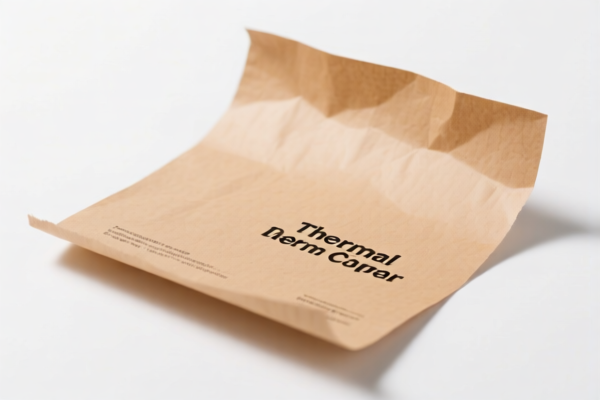
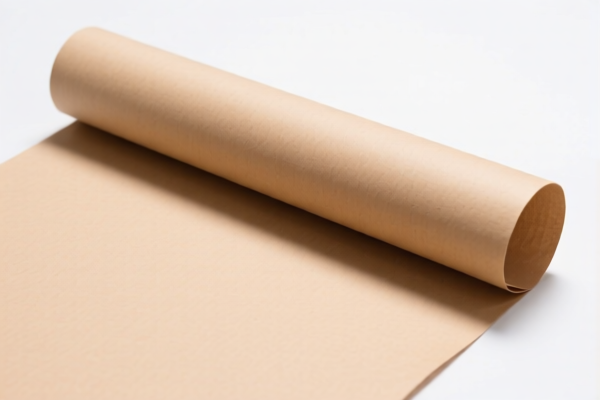
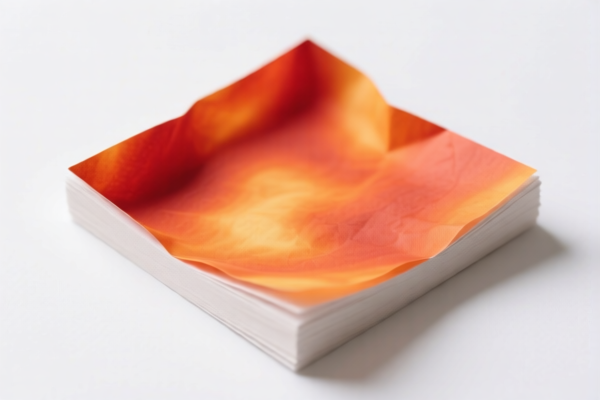
AI Analysis
📄 Thermal Paper & Uncoated Paper Base (Thermal Base Stock)
🌐 HS Code Reference & Customs Clearance Guide | 2026 Latest Tariff Analysis | Professional Clearance Strategy
📌 I. Product Definition & Classification: Do You Know "Thermal Paper" vs. "Uncoated Base"?
"Thermal Paper" and "Uncoated Paper Base" are often confused, but their customs classification depends heavily on material composition, surface treatment, and specific function. In international trade, they fall into two distinct categories:
1. Uncoated Paper Base (Uncoated Wallpaper/Non-Wallpaper Paper):
Raw paper sheets without chemical coatings (thermal, heat-sensitive, etc.). Used as substrates for further processing.
2. Thermal Paper Base (Thermal Paper):
Paper coated with heat-sensitive chemicals (leuco dyes + developers) that turns black when exposed to heat. Used directly for receipts, faxes, or labels.
⚠️ Key Distinction Point:
- If it is plain white paper with no chemical coating → Chapter 48, Heading 4802/4811
- If it is chemically coated to react to heat → Chapter 48, Heading 4811 (Coated Paper) or 4802 (Specific Thermal Base)
📦 II. HS Code Classification Details (2026 Latest Tariff Authority Mapping)
Based on the provided data, here is the precise mapping for "Uncoated Thermal Paper Base" and related thermal products.
| HS Code | Product Description | Application Scenario | Is it Coated? | Total Tax Rate (CN→US) |
|---|---|---|---|---|
4811.90.40.90 |
Uncoated Paper, Other (e.g., Uncoated Wallpaper Base) | Raw paper for wallpapers, uncoated packaging base | ❌ No | 35.0% |
4811.90.90.80 |
Uncoated Paper, Other (Non-Thermal, Non-Specific Size) | General non-coated cellulose products, uncoated rolls | ❌ No | 35.0% |
4802.20.10.00 |
Thermal Paper (Heat-Sensitive) | Direct thermal receipts, fax paper, label base | ✅ Yes (Thermal) | 35.0% |
4811.90.80.30 |
Thermal Coated Paper (Heat-Sensitive Core) | Paper with thermal coating applied, fit for thermal printing | ✅ Yes (Thermal) | 35.0% |
4811.90.90.30 |
Thermal Paper (Direct Heat-Sensitive Coated) | Specific thermal-sensitive coating for direct thermal use | ✅ Yes (Thermal) | 35.0% |
4802.20.20.00 |
Base Paper for Photo/Thermal/Electrosensitive Use | Uncoated base paper specifically prepared for thermal/photographic coating | ❌ No (Base only) | 35.0% |
🔍 Key Insight:
- Despite the name "Uncoated Thermal Paper Base", if it is specifically prepared to accept thermal coating, it may fall under4802.20.20.00.
- If it is plain uncoated paper with no specific thermal preparation, it falls under4811.90.40.90or4811.90.90.80.
- If it is already coated with thermal chemicals, it falls under4811.90.80.30,4811.90.90.30, or4802.20.10.00.
💰 III. 2026 Latest Tariff Rate Breakdown (Including Surtaxes & Policy Add-ons)
✅ Applicable Country: United States (US)
✅ Origin: China (CN)
✅ Effective Date: November 10, 2025 (and subsequent imports)
🎯 1. All HS Codes Listed (4811.90.40.90, 4811.90.90.80, 4802.20.10.00, 4811.90.80.30, 4811.90.90.30, 4802.20.20.00)
| Item | Content |
|---|---|
| Base Tariff | 0.0% (ad valorem) |
| Section 301 Surtax | +25.0% (Added Tariff) |
| Section 122 Tariff | +10.0% (122 Clause Tariff) |
| Total Tax Rate | 35.0% |
| Tax Calculation | CIF Value × 35% |
| De Minimis Exemption | ❌ Not Available (Denied) |
| Legal Basis Path | 301: Section 301 Surtax → 122: Section 122 Clause → HS Code Specific Footnotes |
📌 Explanation:
- "Section 301 Surtax 25%": Imposed under U.S. Trade Law Section 301 against Chinese goods.
- "Section 122 Tariff 10%": Additional tariff under Section 122 of the Trade Expansion Act of 1962.
- Total 35%: This is a high-duty category. Importers must factor this into landed cost calculations.
- No De Minimis: Packages under $800 do not qualify for exemption due to the nature of the goods and trade restrictions.
🛠️ IV. Customs Clearance Practical Advice (Real-World Pitfall Guide)
✅ 1. Required Documentation Checklist (No Exceptions)
| Document | Required? | Notes |
|---|---|---|
| ✅ Product Specification Sheet | ✔️ | Must specify: Base weight, coating status, thermal sensitivity, dimensions. |
| ✅ Material Composition Statement | ✔️ | Clarify if it is uncoated cellulose or chemically treated. |
| ✅ Product Photos (Label & Roll) | ✔️ | Show if any thermal coating is visible (color tint, texture). |
| ✅ Certificate of Origin (CO) | ✔️ | For China-origin goods; helps confirm duty eligibility. |
| ✅ Commercial Invoice | ✔️ | Must clearly state: "Uncoated Paper Base" or "Thermal Paper" as per HS description. |
| ✅ Packing List | ✔️ | Detail roll diameter, core size, and net/gross weight. |
✅ 2. Declaration Strategy (Critical Keywords)
🔥 “Be Precise: ‘Uncoated’ vs. ‘Thermal’ Changes Nothing on Tax, But Saves Time!”
| Scenario | Correct Declaration | Wrong Declaration |
|---|---|---|
| Plain white paper for further processing | 4811.90.40.90 or 4811.90.90.80 |
"Thermal Paper" → Misclassification risk |
| Paper pre-treated for thermal coating | 4802.20.20.00 |
"Uncoated Paper" → May trigger questions |
| Already thermal-coated paper | 4802.20.10.00 / 4811.90.80.30 |
"Uncoated Paper" → High Audit Risk |
| Receipt paper rolls | 4802.20.10.00 |
"Wallpaper Base" → Incorrect Use |
📌 Note:
- Even though all codes in this dataset carry 35% tax, misdeclaration can lead to audits, fines, or cargo hold.
- Use specific phrases: "Uncoated cellulose paper, for wallpaper backing" or "Direct thermal sensitive paper, receipt format".
✅ 3. Special Cases & Handling
| Case | Recommendation |
|---|---|
| OEM Custom Thermal Paper | Provide customer PO + tech sheet showing thermal layer. Avoid vague terms like "paper roll". |
| Mixed Shipment (Coated + Uncoated) | Split HS Codes. Do not lump together. Each item must be declared accurately. |
| Paper for Medical/Lab Use | If intended for thermal label printers in medical settings, still use thermal HS codes. |
| Recycled Content Paper | Disclose recycling percentage if claiming environmental benefits, but duty remains 35%. |
🌍 V. Global Market Comparison (2026 Latest)
| Country/Region | Recommended HS Code | Tariff (CN Origin) | Certification | Notes |
|---|---|---|---|---|
| 🇺🇸 USA | 4811.90.40.90 / 4802.20.10.00 |
35.0% | None required | High duty due to 301 + 122 clauses |
| 🇨🇳 China | 4811.90.40.90 / 4802.20.10.00 |
5-13% | CCC (if applicable) | Lower duty, no surtaxes |
| 🇪🇺 EU | 4811.90 / 4802.20 |
0-6.5% | REACH Compliance | No 301/122 equivalents |
| 🇦🇺 Australia | 4811.90 / 4802.20 |
5% | RCM (if electronic add-ons) | Standard FTA rates may apply |
| 🇯🇵 Japan | 4811.90 / 4802.20 |
3-6% | PSE (if electronics linked) | Stable duty rates |
📌 Conclusion:
- USA imposes the highest duty (35%) on these paper products.
- EU, Japan, and Australia are more cost-effective markets for Chinese paper exports.
- Strategic Suggestion: Consider third-country transshipment (e.g., Vietnam, Mexico) if eligible for FTA benefits, but ensure substantial transformation occurs to avoid anti-dumping rules.
📌 VI. Common Errors & Pitfalls (Lessons Learned)
❌ Error 1: Declaring "Thermal Paper" as "Uncoated Paper"
👉 Result: Customs may reject the declaration, request additional testing, or impose penalties for misclassification.
❌ Error 2: Ignoring the "122 Clause Tariff"
👉 Result: Underpayment of 10%. Audit leads to back taxes + interest.
❌ Error 3: Assuming "De Minimis" Applies to Paper Rolls
👉 Result: Small shipments are still subject to 35% duty. No $800 exemption.
❌ Error 4: Vague Description "Paper"
👉 Result: Customs assigns highest default duty or delays clearance.
✅ Correct Practice:
"Uncoated Wood Pulp Paper Base, 50gsm, Uncoated, for Wall Covering, HS 4811.90.40.90"
OR
"Direct Thermal Paper Roll, 57mm x 30m, Heat-Sensitive Coated, HS 4802.20.10.00"
🎯 VII. Conclusion: Precision Declares, Cost Controls!
🎯 Key Takeaway:
🔹 "Uncoated" vs. "Thermal" does NOT change the 35% duty rate, but changes the HS Code path.
🔹 "35% is Non-Negotiable for CN Origin" – Include this in all cost models.
🔹 "Documentation is Key" – Be specific to avoid delays.
📌 Pro Tip:
If your goods are re-exported from Vietnam, Mexico, or Thailand, verify if they qualify for USMCA (Mexico) or ASEAN-US FTA benefits. However, simple assembly or packaging does NOT confer origin. Substantial transformation is required.
📣 Immediate Action:
📞 Consult a licensed customs broker
📄 Prepare technical data sheets for each paper type
🚀 Declare Accurately to avoid 35% surprise bills or cargo holds
✨ Professional Clearance Starts with Accurate HS Codes!
💼 Every Dollar Saved on Misclassification is Pure Profit!
Customer Reviews
About HS Code Classification
The Harmonized System (HS) is an internationally standardized nomenclature developed by the World Customs Organization (WCO) to classify traded products. Over 200 countries use the HS system as the basis for customs tariffs, trade statistics, and import/export regulations.
Each HS code follows a hierarchical structure:
- Chapter (2 digits) — Broad category of goods (e.g., Chapter 84: Machinery and Mechanical Appliances)
- Heading (4 digits) — More specific grouping within the chapter
- Subheading (6 digits) — Internationally standardized breakdown, used by all WCO member countries
- National subdivisions (8-10 digits) — Country-specific extensions for further classification, such as US HTSUS 10-digit codes
Correct HS code classification is essential for smooth customs clearance, accurate duty payment, and compliance with trade regulations. Misclassification can lead to customs delays, overpayment of duties, or penalties.
When importing from CN to US, the applicable tariff rates may include:
- Most-Favored-Nation (MFN) rate — The standard duty rate applied to WTO members
- General rate — Applied to countries without trade agreements
- Trade remedy duties — Additional tariffs such as Section 301 (anti-dumping), Section 232 (national security), or countervailing duties
The information provided on this page is for reference purposes only. For official classification, please consult with your local customs authority or a licensed customs broker.