Uncolored Recycled Bleached Chemical Pulp Paperboard
CN → US| HS Code | Tariff Rate | Origin | Destination | Doc |
|---|---|---|---|---|
| 4706200000 | 35.0% | CN | US | Official Doc |
| 4707200040 | 35.0% | CN | US | Official Doc |
| 4707200020 | 35.0% | CN | US | Official Doc |
| 4706920100 | 35.0% | CN | US | Official Doc |
| 4807009200 | 35.0% | CN | US | Official Doc |
Product Images
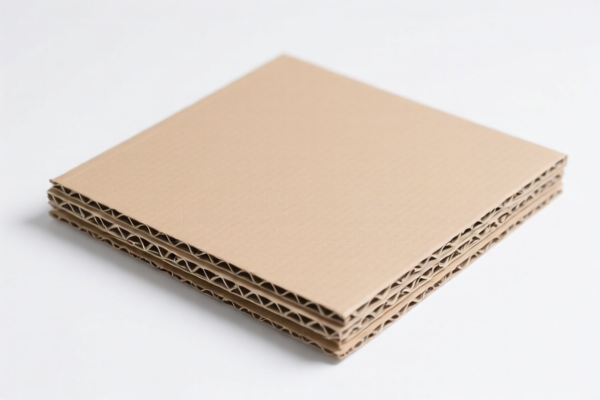
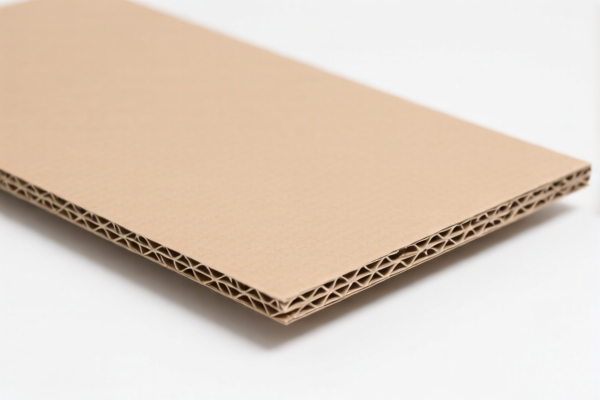
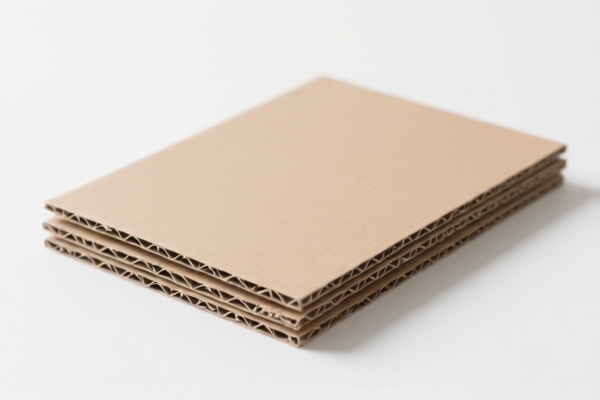
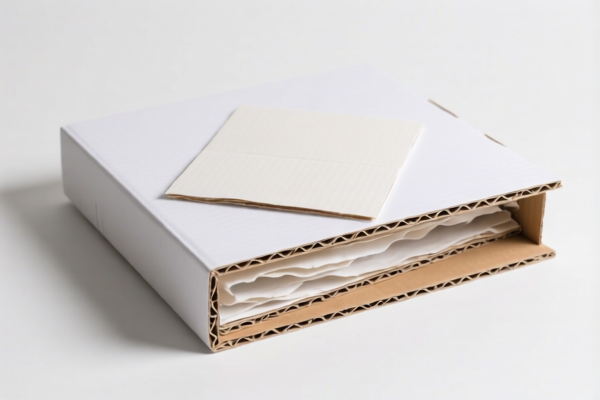
AI Analysis
📦 Uncolored Recycled Bleached Chemical Pulp Paperboard (漂白化学浆废纸及纸板)
🌐 HS Code Reference & Customs Clearance Guide | 2026 Latest Tariff Analysis | Professional Entry Strategy
📌 I. Product Definition & Classification: What Exactly Is This Product?
Uncolored Recycled Bleached Chemical Pulp Paperboard is a specialized material derived from recycled paper and cardboard that has undergone a bleaching process using chemical pulping methods. It is distinct from virgin wood pulp because it originates from recovered materials, yet it retains high whiteness and purity due to the bleaching stage.
In international trade, this product is strictly categorized based on its material origin (recycled) and its processing state (bleached chemical pulp). It is crucial not to confuse it with: 1. Virgin Wood Pulp Paperboard: Made from fresh wood chips, not recycled waste. 2. Uncolored/Non-Bleached Recycled Pulp: Recycled pulp that has not undergone the bleaching process (typically grey/brown). 3. Finished Paperboard Products: Such as folded cartons or boxes; this entry refers to the raw material form (pulp in sheets or bales) suitable for further manufacturing.
⚠️ Key Distinction Point:
- If the product is 100% recycled and bleached using chemical processes → It falls under Chapter 47 (Paper Pulp) or Chapter 48 (Paper Products) depending on the specific physical form and whether it meets the strict definition of "waste and scrap" vs. "manufactured board."
- The data provided focuses on HS Codes within 4706 and 4707, which specifically target waste and scrap of paper or paperboard and paper/paperboard made from recovering paper (recycled).
📦 II. HS Code Classification Details (2026 Authoritative Data)
Based on the provided dataset, here are the precise classifications for Uncolored Recycled Bleached Chemical Pulp Paperboard:
| HS Code | Product Summary (English) | Summary (Chinese) | Applicable Scenario |
|---|---|---|---|
4706.20.00.00 |
Bleached chemical pulp of废纸 (waste paper) and paperboard, conforming to recycled material and fiber pulp morphology requirements. | 漂白化学浆废纸及纸板,符合回收纸或纸板材质与纤维浆形态要求 | Recycled pulp in fiber form, bleached chemically, from waste paper/board. |
4707.20.00.40 |
Bleached chemical pulp waste and paperboard, fully compliant with the definition of being made from bleached chemical pulp and falling under waste/recycled paper & board. | 漂白化学浆废纸及纸板,完全符合漂白化学浆制成及回收纸及纸板定义 | Strictly defined recycled bleached pulp board/waste. |
4707.20.00.20 |
Bleached chemical pulp waste and paperboard, primarily made from bleached chemical pulp and belonging to the category of waste/recycled paper & board. | 漂白化学浆废纸及纸板,主要由漂白化学浆制成且属于废纸及纸板范畴 | Recycled board containing significant bleached chemical pulp content. |
4706.92.01.00 |
Chemical pulp waste and paperboard, conforming to the material of recycled waste paper/board and the morphology of chemical pulp. | 化学浆废纸及纸板,符合回收废旧纸、纸板材质与化学浆形态要求 | General recycled chemical pulp board/waste. |
4807.00.92.00 |
Chemically bleached wood pulp boxboard, conforming to paper/board material attributes and belonging to uncoated paper products. | 化学木浆漂白箱板纸,符合纸/纸板材质属性且属于未表面涂布纸类 | Note: This code implies a manufactured board (Chapter 48) rather than raw pulp/waste (Chapter 47). It is included in the dataset but represents a finished/uncoated board form. |
🔍 Critical Insight:
- Codes4706and4707are for Waste, Scrap, and Pulps (Chapter 47).
- Code4807is for Paper and Paperboard (Chapter 48), specifically uncoated board.
- Most entries in the dataset carry a 35% Total Tax, indicating high sensitivity in US Customs (likely due to trade remedy measures).
💰 III. 2026 Latest Tariff Rate Breakdown (Including Surtaxes & Policy Add-ons)
✅ Applicable Country: United States (US)
✅ Origin: China (CN)
✅ Effective Date: Current rates apply (Data reflects 35% total)
🎯 1. Codes 4706.20.00.00, 4707.20.00.40, 4707.20.00.20, 4706.92.01.00
(Recycled Bleached Chemical Pulp / Waste & Scrap)
| Item | Details |
|---|---|
| Base Tariff Rate | 0.0% |
| Section 301 Surtax (Additional Tariff) | +25.0% |
| Section 122 Tariff (IEEPA/China Specific) | +10.0% |
| Total Effective Tax Rate | 35.0% |
| Tax Calculation | CIF Value × 35% |
| De Minimis Eligibility | ❌ Not Eligible (High risk of audit/rejection) |
| Legal Basis Path | HTSUS:4706.20.00.00 → Section 301: Footnote 9903.88.01 → Section 122/IEEPA |
📌 Explanation:
- The 0% base rate reflects the general MFN rate for waste/recycled pulp.
- The 25% Section 301 tariff is the standard retaliatory/additional tariff on Chinese goods.
- The 10% Section 122 tariff (or similar IEEPA provision) adds a specific surcharge for this category of Chinese-origin goods.
- Total: 35%. This is a heavy cost burden. Importers must calculate this into their landed cost immediately.
🎯 2. Code 4807.00.92.00
(Chemically Bleached Wood Pulp Boxboard - Uncoated)
| Item | Details |
|---|---|
| Base Tariff Rate | 0.0% |
| Section 301 Surtax (Additional Tariff) | +25.0% |
| Section 122 Tariff (IEEPA/China Specific) | +10.0% |
| Total Effective Tax Rate | 35.0% |
| Tax Calculation | CIF Value × 35% |
| De Minimis Eligibility | ❌ Not Eligible |
| Legal Basis Path | HTSUS:4807.00.92.00 → Section 301 → IEEPA |
📌 Note:
Even though this is a finished/uncoated board (Chapter 48), it is subject to the same 35% total tariff as the pulp entries. This suggests that uncoated boxboard of Chinese origin is heavily targeted by trade measures.
🛠️ IV. Customs Clearance Practical Advice (Real-World Pitfall Avoidance)
✅ 1. Preparation Checklist (Non-Negotiable)
| Document | Required? | Explanation |
|---|---|---|
| ✅ Product Specification Sheet | ✔️ | Must specify: "Bleached Chemical Pulp," "Recycled Content %," "Pulping Method (Chemical)." |
| ✅ Material Composition Statement | ✔️ | Prove the material is recycled (waste/scrap) and not virgin wood pulp. Misclassification here can lead to fraud allegations. |
| ✅ Photographs (Raw Material State) | ✔️ | Show the material in its shipment state (bales, sheets, or pulp cakes). Distinguish between "pulp" and "finished box." |
| ✅ Commercial Invoice | ✔️ | Clearly state: "Uncolored Recycled Bleached Chemical Pulp Paperboard." Avoid vague terms like "Paper Material." |
| ✅ Certificate of Origin (CO) | ✔️ | Essential for proving Chinese origin to apply (or challenge) the 35% tariff. |
| ✅ Processing Description | ✔️ | Detail the bleaching process. Is it "ECF" (Elemental Chlorine Free) or "TCF" (Total Chlorine Free)? |
✅ 2. Declaration Tips (Crucial Mnemonics)
🔥 "Recycled + Bleached = 35% Cost! Be Precise or Pay More!"
| Scenario | Correct Declaration | Incorrect Action | Consequence |
|---|---|---|---|
| Recycled Bleached Pulp | 4706.20.00.00 or 4707.20.00.40 |
Declaring as Virgin Pulp (4703) |
Penalty for Misclassification + Potential higher duty if virgin rules apply differently. |
| Uncoated Boxboard | 4807.00.92.00 |
Declaring as "Packaging Material" generic | Delays + Possible reassessment to higher duty. |
| Mixed Shipment | Separate entries for Pulp (47xx) and Board (48xx) |
Blurring lines | Audit Risk. Customs will scrutinize the physical nature. |
| Value Declaration | CIF Value accurately reported | Under-declaring to avoid 35% | Seizure/Fines. The 35% is hard to evade without false origin claims. |
✅ 3. Special Case Handling
| Situation | Recommendation |
|---|---|
| Virgin vs. Recycled Confusion | If there is doubt, provide lab test results showing fiber origin. Misdeclaring recycled as virgin to avoid tariffs is illegal and risky. |
| Section 301 Exclusion? | Check if 4707.20.00.40 or similar codes had prior exclusions. Most 301 exclusions have expired. Assume 35% is the baseline. |
Uncoated Board (4807.00.92.00) |
Ensure it is not coated. If coated, it may fall under 4804 or 4805, which might have different duty structures. Verify coating status. |
| Transshipment | Do NOT attempt to transship through Vietnam/Malaysia without substantial transformation. Rule of Origin will still flag Chinese origin if minimal processing occurs. |
🌍 V. Global Market Comparison (2026 Update)
| Country/Region | Recommended HS Code | Est. Tariff (China Origin) | Notes |
|---|---|---|---|
| 🇺🇸 USA | 4706.20.00.00 / 4807.00.92.00 |
35% (0% Base + 25% Sec 301 + 10% Sec 122) | High Barrier. Cost-sensitive. |
| 🇨🇳 China | 4706.20.00.00 |
5-13% | Lower duty for recycled materials import into China. |
| 🇪🇺 EU | 4707.20.00 |
0-6.5% | Generally lower duties on recycled pulp. No 301 equivalent. |
| 🇯🇵 Japan | 4707.20.00 |
0-5% | Favorable for recycled materials. |
| 🇻🇳 Vietnam | N/A |
Varies | No direct 35% tariff, but origin rules apply. |
📌 Conclusion:
- The US market is the most expensive for Chinese-origin recycled bleached pulp/board due to the layered tariffs (Section 301 + Section 122).
- Importers should absorb the 35% cost or negotiate price adjustments with suppliers.
- No duty-free options are currently available for this specific Chinese-origin product in the US.
📌 VI. Common Errors & Pitfalls (Lessons Learned)
❌ Error 1: Declaring "Recycled Pulp" as "Virgin Wood Pulp" to avoid higher scrutiny.
👉 Consequence: Customs lab tests reveal recycled fibers → Seizure, fines, and blacklisting.
❌ Error 2: Ignoring the "Uncoated" requirement for 4807.00.92.00.
👉 Consequence: If coated, the code is wrong → Reassessment penalty + back taxes.
❌ Error 3: Assuming "De Minimis" (Section 321) applies.
👉 Consequence: Paper/pulp products from China are explicitly excluded from de minimis thresholds. Small shipments still face 35% duty + processing fees.
❌ Error 4: Using vague descriptions like "Paper Waste."
👉 Consequence: Customs may assign a higher, less favorable code. Specificity is key.
✅ Correct Declaration Example:
"Uncolored Recycled Bleached Chemical Pulp Paperboard, HS Code 4706.20.00.00, Section 301 & 122 Tariffs Applicable, Made from 100% Recovered Post-Consumer Waste, Chemically Bleached, ECF Process."
🎯 VII. Conclusion: Professional Declaration, Cost Control, Efficiency!
🎯 Remember the Mantra:
🔹 "Recycled Bleached = 35% Duty in US!"
🔹 "Specify Origin, Specify Process, Specify Form!"
🔹 "No De Minimis, No Exceptions for China!"
📌 Pro Tip:
- If you are importing large volumes, consider Section 301 Exclusion Requests (if still open) or Supply Chain Diversification (e.g., sourcing from Southeast Asia with substantial transformation).
- Always request a Pre-Ruling (Advance Ruling) from CBP if the product's recycled vs. virgin status is borderline.
📣 Immediate Action:
📞 Consult a Licensed Customs Broker + Provide Material Safety Data Sheet (MSDS) / Spec Sheet + Verify Section 301 Applicability.
🚀 Let your recycled pulp clear smoothly, maximize margins, and comply fully!
✨ Professional Clearance Starts with Precise Classification!
💼 Every 1% of Duty Saved is Pure Profit Gained!
Customer Reviews
About HS Code Classification
The Harmonized System (HS) is an internationally standardized nomenclature developed by the World Customs Organization (WCO) to classify traded products. Over 200 countries use the HS system as the basis for customs tariffs, trade statistics, and import/export regulations.
Each HS code follows a hierarchical structure:
- Chapter (2 digits) — Broad category of goods (e.g., Chapter 84: Machinery and Mechanical Appliances)
- Heading (4 digits) — More specific grouping within the chapter
- Subheading (6 digits) — Internationally standardized breakdown, used by all WCO member countries
- National subdivisions (8-10 digits) — Country-specific extensions for further classification, such as US HTSUS 10-digit codes
Correct HS code classification is essential for smooth customs clearance, accurate duty payment, and compliance with trade regulations. Misclassification can lead to customs delays, overpayment of duties, or penalties.
When importing from CN to US, the applicable tariff rates may include:
- Most-Favored-Nation (MFN) rate — The standard duty rate applied to WTO members
- General rate — Applied to countries without trade agreements
- Trade remedy duties — Additional tariffs such as Section 301 (anti-dumping), Section 232 (national security), or countervailing duties
The information provided on this page is for reference purposes only. For official classification, please consult with your local customs authority or a licensed customs broker.