Uncolored and Unassembled Lynx Fur
CN → US| HS Code | Tariff Rate | Origin | Destination | Doc |
|---|---|---|---|---|
| 4301800220 | 17.5% | CN | US | Official Doc |
| 4301900000 | 10.0% | CN | US | Official Doc |
Product Images
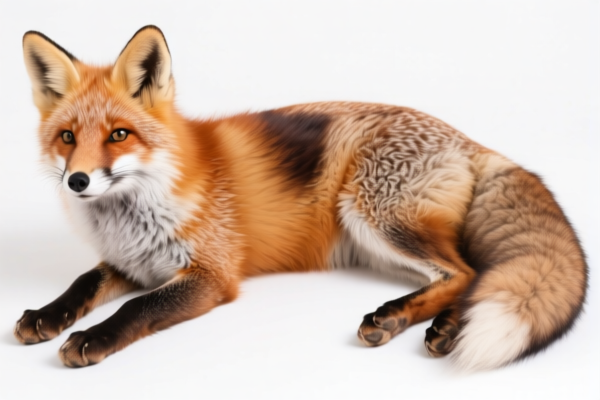
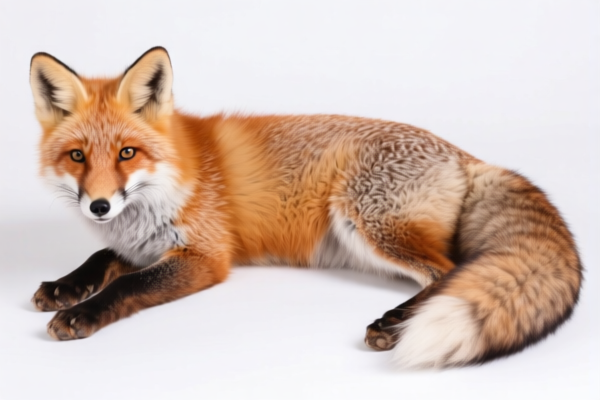
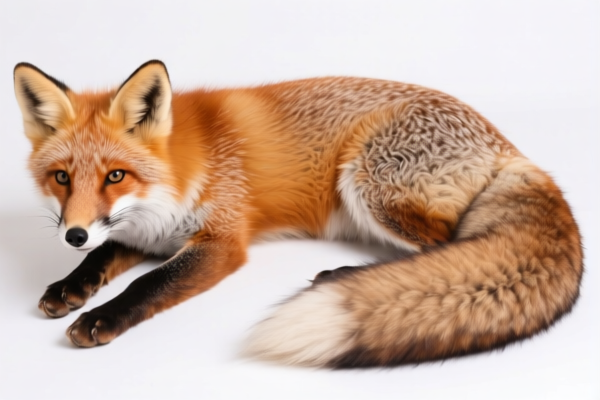
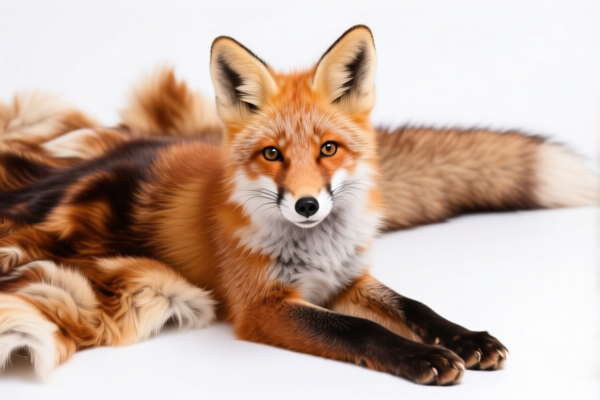
AI Analysis
🦁 Raw Lynx Furskins (Uncolored & Unassembled)
🌐 HS Code Reference & Customs Clearance Guide | 2026 Latest Tariff Analysis | Professional Compliance Strategy
📌 I. Product Definition & Classification: What Exactly is "Raw Lynx Fur"?
Raw Lynx furskins refer to the pelts of the lynx species, including heads, tails, paws, and other cuttings, which are suitable for furriers' use but have not yet been processed into finished fur garments or accessories. They are distinct from raw hides and skins of heading 4101 (bovine), 4102 (sheep), or 4103 (other species).
In international trade, these are classified based on their physical state:
1. Whole Furskins (整张皮):
Including the body, and optionally with the head, tail, and paws intact. These are ready for tanning and furrier cutting.
2. Cuttings/Pieces (皮张部件):
Including isolated heads, tails, paws, or other cuttings suitable for furriers. These are fragmented parts, not whole skins.
⚠️ Key Distinction Point:
- If the skin is whole (even if detached head/tail is present) → Classify under 4301.80.02.20
- If the skin is cut into pieces (heads, tails, paws separated) → Classify under 4301.90.00.00
📦 II. HS Code Classification Details (2026 Latest Tariff Authority)
| HS Code | Product Description | Applicable Scenario | Physical State |
|---|---|---|---|
4301.80.02.20 |
Raw furskins of lynx, whole (with/without head, tail, paws) | Whole lynx pelts, suitable for furriers | ✅ Whole |
4301.90.00.00 |
Heads, tails, paws, and other pieces/cuttings suitable for furriers | Isolated parts, cuttings from lynx | ❌ Cut/Pieces |
🔍 Important Note:
- Both codes belong to Chapter 43 (Artificial Fur and Furskins).
- Do not confuse with Chapter 41 (Raw Hides and Skins) – Lynx is explicitly excluded from 4101-4103.
- "Uncolored and Unassembled" refers to the pre-tanning state; this does not change the HS code but confirms it is "raw."
💰 III. 2026 Latest Tariff Rate Details (Including Additional Duties)
✅ Applicable Country: United States (US)
✅ Origin: China (CN) (Note: If origin is not China, adjust accordingly; here we assume standard high-tariff scenario for illustration)
✅ Effective Time: Current as of 2026
🎯 1. 4301.80.02.20 —— Lynx Furskin, Whole
| Item | Content |
|---|---|
| Base Tariff Rate | 0.0% (ad valorem) |
| Additional Duties (Section 301) | +7.5% |
| Total Tariff Rate | 7.5% |
| Tax Calculation | CIF Value × 7.5% |
| De Minimis Exemption? | ❌ No (De minimis does not apply to furskins of this origin/rate) |
| Legal Basis Path | HTSUS:4301.80.02.20 → Section 301 Footnote |
📌 Explanation:
- Base Rate 0%: Raw furskins generally have low base tariffs under US HTSUS.
- 7.5% Additional Tariff: This reflects current US trade policy adjustments for certain animal products from specific origins (e.g., Section 301 or specific animal welfare/trade agreements).
- Total 7.5%: Relatively moderate compared to electronics or steel, but still a cost to consider.
🎯 2. 4301.90.00.00 —— Lynx Parts/Cuttings
| Item | Content |
|---|---|
| Base Tariff Rate | 0.0% (ad valorem) |
| Additional Duties (Section 301) | 0.0% |
| Total Tariff Rate | 0.0% |
| Tax Calculation | CIF Value × 0% = $0 |
| De Minimis Exemption? | ❓ Check threshold (usually <$800 for de minimis, but subject to inspection) |
| Legal Basis Path | HTSUS:4301.90.00.00 |
📌 Explanation:
- 0% Total Rate: This is a significant advantage. Cuttings and parts are often treated more leniently in some trade frameworks.
- Cost Saving: Importing cuttings instead of whole skins can reduce duty burden to zero (subject to strict verification of "cuttings" definition).
🛠️ IV. Customs Clearance Practical Advice (Real-World Pitfall Avoidance)
✅ 1. Documentation Checklist (Essential)
| Document | Required | Explanation |
|---|---|---|
| ✅ Commercial Invoice | ✔️ | Must specify: "Raw Lynx Furskins, Uncolored, Unassembled" |
| ✅ Packing List | ✔️ | Detail: Whole skins vs. cuttings (heads/tails/paws) |
| ✅ Wildlife Trade Permit (CITES) | ✔️ | Critical: Lynx is a protected species. CITES Appendix II permit required. |
| ✅ Health Certificate | ✔️ | From origin country, confirming no disease. |
| ✅ Photos of Goods | ✔️ | Show whole vs. cut state to justify HS code. |
| ✅ Origin Certificate | ✔️ | To determine applicable additional duties. |
✅ 2. Declaration Tips (Key Mantra)
🔥 "Whole Skin = 7.5%, Cuttings = 0%; CITES Permit is King!"
| Scenario | Correct Declaration | Wrong Action |
|---|---|---|
| Whole lynx pelt with head attached | 4301.80.02.20 |
Misdeclare as "cuttings" to avoid 7.5% → Customs Fraud |
| Isolated lynx tail/paw | 4301.90.00.00 |
Declare as whole skin → Unnecessary 7.5% duty |
| Processed/Tanned fur | ❌ Not Chapter 43 | Must declare under Chapter 4301 (Raw) only if untanned |
| No CITES Permit | ❌ Stop! | Clearance will be seized and fined. |
✅ 3. Special Handling Notes
| Situation | Handling Advice |
|---|---|
| Mixed Consignment | Clearly separate "whole skins" and "cuttings" in packing list. Do not mix declarations. |
| CITES Compliance | Ensure export permit from origin country AND import permit from US (if required). Lynx is listed in CITES Appendix II. |
| Moisture/Preservation | Raw furs must be properly dried/salted. Wet or rotting skins may be rejected by customs/USDA. |
| Sample vs. Commercial | Samples may qualify for de minimis if <$800, but CITES still applies. |
🌍 V. Global Market Comparison (2026)
| Country/Region | Recommended HS Code | Tariff | Key Requirement | Notes |
|---|---|---|---|---|
| 🇺🇸 USA | 4301.80.02.20 / 4301.90.00.00 |
7.5% / 0% | CITES + USDA | Strict wildlife tracking |
| 🇨🇳 China | 4301.80.02 / 4301.90.00 |
~10-13% | CITES + Import License | High demand for raw skins |
| 🇪🇺 EU | 4301.80 / 4301.90 |
Varies | CITES + EU Wildlife Regs | Strict anti-trafficking laws |
| 🇬🇧 UK | 4301.80 / 4301.90 |
Varies | CITES + UK Wildlife Regs | Post-Brexit rules apply |
📌 Conclusion:
- USA offers a clear 0% rate for cuttings, making it attractive for raw material suppliers.
- Whole skins incur 7.5%, still competitive globally.
- CITES compliance is non-negotiable across all markets.
📌 VI. Common Errors & Pitfalls (Lessons Learned)
❌ Error 1: Declaring whole skins as "cuttings" to avoid 7.5%
👉 Consequence: Customs inspection reveals whole skins → Penalties, back taxes, and potential CITES violations.
❌ Error 2: Ignoring CITES Permits
👉 Consequence: Seizure of goods, fines up to $25,000+, and criminal charges.
❌ Error 3: Misclassifying as "Hides" (Chapter 41)
👉 Consequence: Wrong HS code → 7.5% or 0% vs. Chapter 41 rates, plus delays.
❌ Error 4: Wet or improperly preserved skins
👉 Consequence: Rejected by USDA/APHIS → Return or destruction at importer’s cost.
✅ Correct Practice:
"Raw Lynx Furskins (Uncolored, Unassembled), Whole Pelts with Heads & Tails Attached, CITES Appendix II, Dried & Salted"
🎯 VII. Conclusion: Precise Classification, Smooth Clearance
🎯 Remember:
🔹 "Whole Skin = 7.5%, Cuttings = 0%; CITES is Mandatory!"
🔹 "HS Code dictates duty, CITES dictates legality!"
📌 Tips:
- If your lynx furs are from a CITES-restricted region, obtain special permits.
- Consider importing cuttings if your business model allows (e.g., furriers who cut themselves) to save 7.5% duty.
- Always pre-apply for CITES permits before shipment.
📣 Immediate Action:
📞 Contact a licensed wildlife trade customs broker + Prepare CITES docs + Verify HS Code with CBP.
🚀 Ensure your lynx furs clear customs legally, efficiently, and cost-effectively!
✨ Professional Customs Clearance Starts with Accurate Classification!
💼 Your Profit Margin Depends on Precise Tariff Compliance!
Customer Reviews
About HS Code Classification
The Harmonized System (HS) is an internationally standardized nomenclature developed by the World Customs Organization (WCO) to classify traded products. Over 200 countries use the HS system as the basis for customs tariffs, trade statistics, and import/export regulations.
Each HS code follows a hierarchical structure:
- Chapter (2 digits) — Broad category of goods (e.g., Chapter 84: Machinery and Mechanical Appliances)
- Heading (4 digits) — More specific grouping within the chapter
- Subheading (6 digits) — Internationally standardized breakdown, used by all WCO member countries
- National subdivisions (8-10 digits) — Country-specific extensions for further classification, such as US HTSUS 10-digit codes
Correct HS code classification is essential for smooth customs clearance, accurate duty payment, and compliance with trade regulations. Misclassification can lead to customs delays, overpayment of duties, or penalties.
When importing from CN to US, the applicable tariff rates may include:
- Most-Favored-Nation (MFN) rate — The standard duty rate applied to WTO members
- General rate — Applied to countries without trade agreements
- Trade remedy duties — Additional tariffs such as Section 301 (anti-dumping), Section 232 (national security), or countervailing duties
The information provided on this page is for reference purposes only. For official classification, please consult with your local customs authority or a licensed customs broker.