Underwear
CN → US| HS Code | Tariff Rate | Origin | Destination | Doc |
|---|---|---|---|---|
| 6108910015 | 18.5% | CN | US | Official Doc |
| 6107110010 | 17.4% | CN | US | Official Doc |
| 6108920015 | 33.5% | CN | US | Official Doc |
Product Images
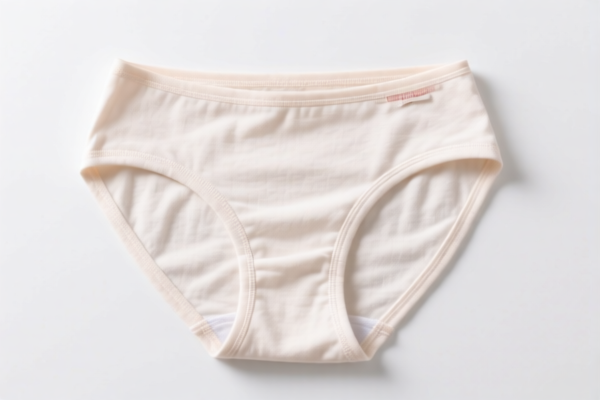


AI Analysis
👙 Underwear: HS Code Classification & 2026 Clearance Guide
🌐 Comprehensive HS Code Reference & Duty Breakdown | 2026 Customs Strategy
📌 Welcome to the Ultimate Guide for Underwear Imports!
Underwear is a fundamental garment category in global trade, ranging from daily wear to specialized athletic gear. In the 2026 tariff schedule, precise classification depends on fabric type, knitting vs. weaving, and specific use. Misclassification can lead to massive duty discrepancies, especially with the "122 Clause" (Section 301) and Base Tariffs.
Below is the exclusive analysis based on the provided data for three key HS Codes.
📦 1. HS Code Classification & Reasoning (2026 Data)
The following classification logic strictly adheres to the provided dataset:
| HS Code | Product Description | Classification Logic (Why this code?) |
|---|---|---|
| 6108.91.00.15 | Underwear (General) | ✅ Summary Match: 1. Use: Fits general "underwear" usage perfectly. 2. Material: No obvious material conflict detected. 3. Preliminary Verdict: "Possible match" (Default). 👉 Best for: Knitted non-chemically fiber underwear not classified elsewhere. |
| 6107.11.00.10 | Knitted Underwear (Briefs/Skim) | ✅ Summary Match: 1. Category: Explicitly identified as Knitted underwear. 2. Range: Falls under Briefs / Tights (内裤/紧身内裤范畴). 3. Material: No obvious material conflict. 👉 Best for: Men's/Women's knit briefs and tight-fitting shorts. |
| 6108.92.00.15 | Underwear (Synthetic/Artificial Fiber) | ✅ Summary Match: 1. Inference: Material inferred to be Artificial/Synthetic Fibers (人造纤维). 2. Fit: No shape or material conflicts found. 3. Usage: Matches underwear function. 👉 Best for: Synthetic fiber (e.g., polyester, rayon) underwear. |
⚠️ Key Insight:
- 6107 vs 6108:6107typically covers men's underwear (briefs), while6108often covers women's or general knitted underwear.
- Material Sensitivity:6108.92specifically targets Artificial Fibers, which attracts higher duties due to "Base Tariff + Add-on Tariff".
💰 2. 2026 Duty Rate Breakdown (Detailed Tax Analysis)
✅ Applicable Context:
- Target Market: China-Export to US (based on "122 Clause" terminology).
- 生效时间: Effective for 2026 imports.
- Tax Structure: Base Tariff + Additional Tariffs (Section 301/122).
🎯 Case A: 6108.91.00.15 (General Knitted Underwear)
| Component | Rate | Details |
|---|---|---|
| Base Tariff | 8.5% | Standard MFN rate for this category. |
| Section 301 | 0.0% | No additional penalty tariff applied. |
| 122 Clause | 10% | Specific tariff clause (likely Section 301 Phase 4 or similar). |
| TOTAL DUTY | 18.5% | (8.5% + 0% + 10%) |
📌 Why 18.5%?
This code is relatively "friendly" compared to synthetic options. The 122 Clause adds a flat 10%, but the Base Tariff is lower (8.5%) with no Section 301 surcharge.
🎯 Case B: 6107.11.00.10 (Knitted Briefs/Tights)
| Component | Rate | Details |
|---|---|---|
| Base Tariff | 7.4% | Lower base rate for specific knit briefs. |
| Section 301 | 0.0% | No penalty surcharge. |
| 122 Clause | 10% | Mandatory 122 Clause tariff. |
| TOTAL DUTY | 17.4% | (7.4% + 0% + 10%) |
📌 Why 17.4%?
The Base Tariff is the lowest in the dataset (7.4%), making this the most cost-effective option for men's briefs or tight-fitting knitted underwear. Still subject to the 10% 122 Clause.
🎯 Case C: 6108.92.00.15 (Artificial Fiber Underwear)
| Component | Rate | Details |
|---|---|---|
| Base Tariff | 16.0% | High Base Rate due to synthetic material classification. |
| Section 301 | 7.5% | Significant Additional Penalty (Not 0.0% like others!). |
| 122 Clause | 10% | Mandatory 122 Clause tariff. |
| TOTAL DUTY | 33.5% | (16.0% + 7.5% + 10%) |
📌 Why 33.5%? (THE HIGHEST)
This is the danger zone for importers. 1. Base Tariff (16.0%) is nearly double the other codes. 2. Section 301 (7.5%) is the only code in this list with an active penalty tariff. 3. 122 Clause (10%) remains constant. 👉 Action: Avoid6108.92.00.15unless the product is strictly artificial fiber and no alternative exists.
🛠️ 3. Clearance & Operational Recommendations
✅ Step 1: Material Verification (Critical!)
Before shipping, confirm the fiber composition:
- If 100% Cotton or Natural Fibers: Aim for 6108.91.00.15 (18.5%).
- If Men's Knitted Briefs: Aim for 6107.11.00.10 (17.4%).
- If Polyester/Spandex/Rayon (Artificial): Prepare for 6108.92.00.15 (33.5%).
💡 Strategy: If possible, blend fibers or switch to natural fibers to avoid the 7.5% Section 301 surcharge.
✅ Step 2: Document Preparation
To avoid delays at US Customs (CBP), ensure the following:
- Fabric Content Label: Must explicitly state "100% Cotton" or "85% Polyester, 15% Spandex".
- Product Photos: Show the knitted structure (essential for 6107.11.00.10).
- HS Code Declaration: Explicitly state the HS Code on the Commercial Invoice.
- Country of Origin: Must be clearly marked "Made in China" (or applicable origin).
✅ Step 3: Cost Calculation Formula
$$ \text{Total Duty} = \text{CIF Value} \times \left( \text{Base} + \text{Section 301} + \text{122 Clause} \right) $$
| Scenario | Example CIF ($1,000) | Duty Calculation | Total Duty Cost |
|---|---|---|---|
Best Case (6107.11) |
$1,000 | $1,000 × (7.4% + 0% + 10%) | $174 |
Mid Case (6108.91) |
$1,000 | $1,000 × (8.5% + 0% + 10%) | $185 |
Worst Case (6108.92) |
$1,000 | $1,000 × (16.0% + 7.5% + 10%) | $335 |
🚨 Warning: The difference between
6107.11and6108.92is $161 per $1,000. A container of $50,000 could cost $8,000 extra if misclassified!
🚫 4. Common Pitfalls & Avoidance
| ❌ Mistake | ⚠️ Consequence | ✅ Correct Action |
|---|---|---|
| Grouping all underwear as "6108" | Risk of paying 33.5% instead of 17.4% | Split shipment based on gender and fiber type. |
| Ignoring "122 Clause" | Unexpected tax bill upon arrival | Include 10% in your margin calculation immediately. |
| Vague Material Description | "Other Textiles" → Seizure or Audit | Specify "Knitted Cotton" or "Artificial Fiber" on invoice. |
| Mixing Synthetic & Natural | Customs may re-classify the whole batch | Segregate goods in the container. |
📌 5. Quick Decision Matrix
text Is the item Knitted? ├─ YES -> Is it Men's Briefs/Tights? │ ├─ YES -> Use 6107.11.00.10 (17.4%) ✅ LOWEST │ └─ NO -> Is it Artificial Fiber? │ ├─ YES -> Use 6108.92.00.15 (33.5%) ⚠️ HIGHEST │ └─ NO -> Use 6108.91.00.15 (18.5%) ✅ MID └─ NO -> (Woven) Not in current dataset (Check other codes)
🌍 6. Final Professional Advice
"Know Your Fiber, Know Your Duty!"
In 2026, the Section 301 (7.5%) and 122 Clause (10%) are the deal-breakers for underwear imports.
- Optimize: Switch to 6107.11.00.10 (Men's knit briefs) for the absolute lowest rate (17.4%).
- Avoid: 6108.92.00.15 unless the product is strictly synthetic, as the 33.5% rate eats into margins.
- Verify: Always double-check the fabric label before shipping to prevent re-classification penalties.
✨ Ready to Ship?
🔹 Action: Check fabric composition today.
🔹 Goal: Target 17.4% duty, avoid the 33.5% trap.
🔹 Result: Maximize profit, minimize customs friction.
💼 Your Supply Chain, Your Competitive Edge.
Stay Compliant. Stay Profitable. 🚢📦
Customer Reviews
About HS Code Classification
The Harmonized System (HS) is an internationally standardized nomenclature developed by the World Customs Organization (WCO) to classify traded products. Over 200 countries use the HS system as the basis for customs tariffs, trade statistics, and import/export regulations.
Each HS code follows a hierarchical structure:
- Chapter (2 digits) — Broad category of goods (e.g., Chapter 84: Machinery and Mechanical Appliances)
- Heading (4 digits) — More specific grouping within the chapter
- Subheading (6 digits) — Internationally standardized breakdown, used by all WCO member countries
- National subdivisions (8-10 digits) — Country-specific extensions for further classification, such as US HTSUS 10-digit codes
Correct HS code classification is essential for smooth customs clearance, accurate duty payment, and compliance with trade regulations. Misclassification can lead to customs delays, overpayment of duties, or penalties.
When importing from CN to US, the applicable tariff rates may include:
- Most-Favored-Nation (MFN) rate — The standard duty rate applied to WTO members
- General rate — Applied to countries without trade agreements
- Trade remedy duties — Additional tariffs such as Section 301 (anti-dumping), Section 232 (national security), or countervailing duties
The information provided on this page is for reference purposes only. For official classification, please consult with your local customs authority or a licensed customs broker.