Undyed, Unassembled Fur with Tail
CN → US| HS Code | Tariff Rate | Origin | Destination | Doc |
|---|---|---|---|---|
| 4301100020 | 17.5% | CN | US | Official Doc |
| 4103901190 | 17.5% | CN | US | Official Doc |
| 4103901130 | 17.5% | CN | US | Official Doc |
| 4302193030 | 36.5% | CN | US | Official Doc |
| 4302193040 | 36.5% | CN | US | Official Doc |
Product Images
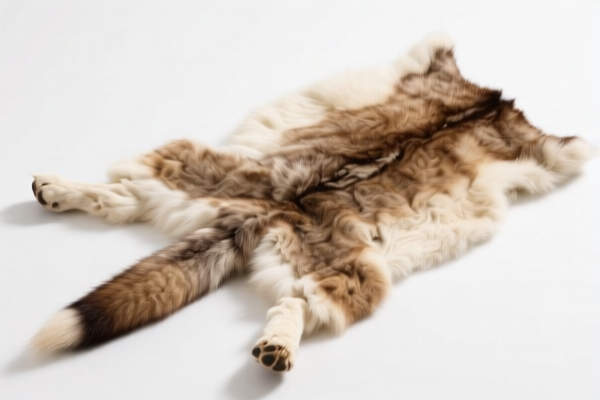
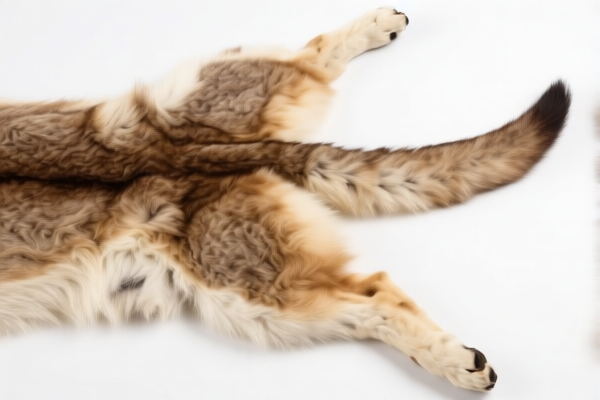
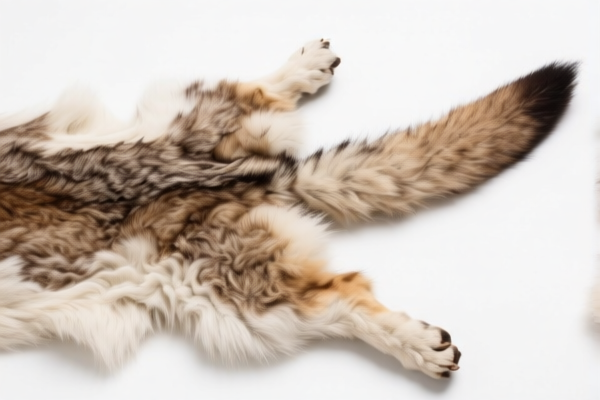
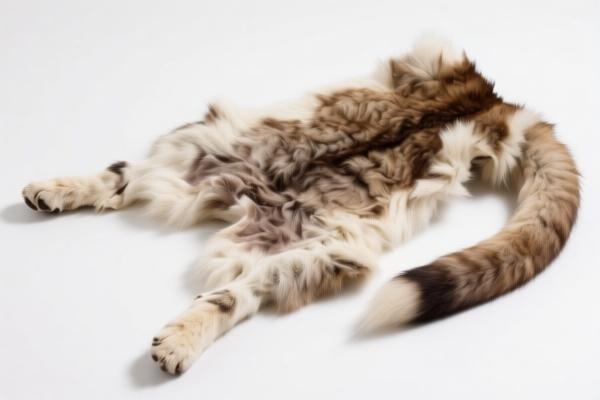
AI Analysis
🦊 Undyed, Unassembled Fur with Tail (Raw Skins & Whole Skins)
🌐 HS Code Reference & Customs Clearance Guide | 2026 Latest Tariff Analysis | Professional Strategy for Raw Fur Imports
📌 I. Product Definition & Classification: Do You Know What "Raw Fur" Really Is?
"Undyed, Unassembled Fur with Tail" refers to animal skins that have been removed from the carcass but have NOT undergone tanning, curing, or any chemical processing that stabilizes the hide. They are in their raw, biological state.
In international trade, these are strictly divided into two categories based on their nature:
- Raw Pelts/Hides with Fur (生皮/毛皮): The skin itself, with hair/fur attached, used as the raw material for further processing. These fall under Chapter 41 (Leather) or Chapter 43 (Furskins) depending on specific customs interpretation of "fur" vs. "leather."
- Raw Furskins (整张原皮): Specifically prepared for furriers, often implying a higher value ornamental or luxury raw material. These fall strictly under Chapter 43.
⚠️ Critical Distinction:
- If classified as "Leather" (Chapter 41): The focus is on the hide structure. Even with fur, if customs views it primarily as a leather raw material, it falls under 4103.
- If classified as "Furskins" (Chapter 43): The focus is on the fur value and animal type (e.g., Fox). These fall under 4301 (Whole skins) or 4302 (Prepared/Assembled furs).
- "Undyed & Unassembled" means no color has been added, and skins are not sewn together into garments or panels.
📦 II. HS Code Classification Details (2026 Latest Tariff Authority Comparison)
| HS Code | Product Description | Applicable Scenario | Key Feature |
|---|---|---|---|
4301.10.00.20 |
Whole furskins of fox, marten, squirrel, etc., unworked or simply dried, salted, or limed, including tails | Raw fur imports where the item is clearly identified as "Furskin" in Chapter 43 context | ✅ Includes Tail (Complete Skin) |
4103.90.11.90 |
Other hides and skins, including with hair on, dyed or not, unworked, unprepared for leather, excluding those of heading 41.01 or 41.02 | Raw skins classified under Chapter 41 (Leather) due to material characteristics | ✅ Raw Skin (Chapter 41) |
4103.90.11.30 |
Other hides and skins, including with hair on, raw category, undyed, un-pre-tanned | Raw skins where "Undyed" confirms no pre-tanning process | ✅ Raw Skin (Chapter 41) |
4302.19.30.30 |
Other furskins, unassembled, of fox, undyed | Specific fox furs, not yet assembled into garments, raw state | ✅ Fox + Undyed + Unassembled |
4302.19.30.40 |
Other furskins, unassembled, material is undyed, animal species is Fox, form is unassembled | Precise match for "Undyed Fox Fur, Unassembled" | ✅ Fox + Undyed + Unassembled |
🔍 Key Reminder:
- "With Tail" is a critical descriptor for4301.10.00.20. If the tail is missing, it may be classified differently.
- "Undyed" eliminates value-added processing, keeping it in the raw material category.
- "Unassembled" means not sewn into panels or garments, avoiding higher-taxed finished goods codes.
💰 III. 2026 Latest Tariff Rate Details (Including Surcharges & Policy Add-ons)
✅ Applicable Country: United States (US)
✅ Origin: China (CN)
✅ Effective Date: From November 10, 2025 (and subsequent imports)
🎯 1. 4301.10.00.20 / 4103.90.11.90 / 4103.90.11.30 — Raw Furskins & Hides (With Tail / Raw Skin)
| Item | Content |
|---|---|
| Base Tariff | 0.0% (ad valorem) |
| USITC Surcharge (Section 301) | +7.5% |
| IEEPA Surcharge (Section 122) | +10% |
| Total Tariff Rate | 17.5% |
| Tax Calculation | CIF Value × 17.5% |
| De Minimis Exemption? | ❌ No (deny_de_minimis) |
| Legal Basis Path | IEEPA:9903.01.25 → IEEPA:9903.01.24 → USITC:4301.10.00.20 / 4103.90.11.90 / 4103.90.11.30 → FOOTNOTE:9903.88.01 |
📌 Explanation:
- While base tariffs are low (0%), the Section 122 tariff (10%) and Section 301 tariff (7.5%) apply strictly to Chinese-origin raw fur and leather goods.
- Total 17.5% is the standard burden for raw fur/hide imports.
🎯 2. 4302.19.30.30 / 4302.19.30.40 — Undyed Unassembled Fox Fur
| Item | Content |
|---|---|
| Base Tariff | 1.5% (ad valorem) |
| USITC Surcharge (Section 301) | +25.0% |
| IEEPA Surcharge (Section 122) | +10% |
| Total Tariff Rate | 36.5% |
| Tax Calculation | CIF Value × 36.5% |
| De Minimis Exemption? | ❌ No (deny_de_minimis) |
| Legal Basis Path | IEEPA:9903.01.25 → IEEPA:9903.01.24 → USITC:4302.19.30.30 / 4302.19.30.40 → FOOTNOTE:9903.88.01 |
📌 Explanation:
- Fox fur is often classified under 4302 (Prepared or assembled furskins, even if raw/unassembled, due to specific subheadings for certain animals like fox).
- The Section 301 tariff jumps to 25% for these specific fur codes, resulting in a much higher 36.5% total rate.
- Crucial: Misclassifying Fox Fur as generic "Raw Skin" (4103) to get 17.5% instead of 36.5% is a high-risk audit trigger.
🛠️ IV. Customs Clearance Practical Advice (Combat Avoidance Guide)
✅ 1. Document Checklist (Non-negotiable)
| Document | Required | Description |
|---|---|---|
| ✅ Commercial Invoice | ✔️ | Must explicitly state "Undyed," "Unassembled," "With Tail," and Animal Species (e.g., "Vulpes vulgis" for Fox). |
| ✅ Packing List | ✔️ | Detail count of skins, total weight, and confirm tails are included. |
| ✅ Species Certificate | ✔️ | Critical for 4302 codes. Prove it is Fox (or other specified species) vs. generic fur. |
| ✅ Photo Evidence | ✔️ | Clear images showing undyed state, raw texture, and tail attachment. |
| ✅ CITES Permit (If Applicable) | ✔️ | If the fur comes from protected species, CITES is mandatory. Most farmed fur is exempt, but wild-caught requires permits. |
✅ 2. Declaration Tactics (Key Mantras)
🔥 "Raw vs. Prepared, Fox vs. Generic, Tail Present, Tax Hides!"
| Scenario | Correct Declaration | Error to Avoid |
|---|---|---|
| Generic Undyed Skin with Tail | 4301.10.00.20 or 4103.90.11.90 (17.5%) |
Misclassifying as finished fur → 36.5% |
| Undyed Fox Fur, Unassembled | 4302.19.30.30 / 40 (36.5%) |
Misclassifying as generic leather → Audit Risk |
| Dyed Fox Fur | Different 4302 code (Higher Base) | Claiming "Undyed" → Fraud |
| Assembled Fox Fur Panels | Different 4302 code (Higher Rate) | Claiming "Unassembled" → 36.5% vs. higher |
📌 Note:
- The difference between 17.5% and 36.5% is nearly 100% of the tax amount.
- Fox fur is specifically targeted in subheading4302.19. If it is fox, you must use the 36.5% code.
- If it is marten, squirrel, etc.,4301.10.00.20(17.5%) may be more appropriate.
✅ 3. Special Situations
| Situation | Handling Advice |
|---|---|
| Mixed Species Containers | Declare separately. Fox fur cannot be mixed with generic skins to avoid "General" classification errors. |
| Wild-Caught vs. Farmed | Farmed fox is standard. Wild-caught requires CITES. Do not misdeclare wild as farmed. |
| Salted vs. Dry | Ensure invoice states "Simply dried, salted, or limed" to fit 4301 definition. |
🌍 V. Global Market Comparison (2026 Latest)
| Country/Region | Recommended HS Code | Tariff (China Origin) | Certification | Notes |
|---|---|---|---|---|
| 🇺🇸 USA | 4301.10.00.20 / 4302.19.30.x0 |
17.5% (Raw) / 36.5% (Fox) | No special certs | High surcharges apply |
| 🇨🇳 China | 4301.10.00.20 / 4302.19.30.x0 |
1.5% - 10% | None | Low base tariffs |
| 🇪🇺 EU | 4301.10.00.20 / 4302.19.30.x0 |
4% - 8% | CITES (if wild) | No Section 122/301 |
| 🇬🇧 UK | 4301.10.00.20 / 4302.19.30.x0 |
4% - 8% | CITES (if wild) | Post-Brexit rules apply |
📌 Conclusion:
- USA is the most expensive market due to Section 301 and Section 122 tariffs.
- Fox fur carries a significant penalty in the US.
- EU/UK are much more friendly for raw fur imports, making them attractive alternatives for cost optimization.
📌 VI. Common Errors & Pitfalls (Blood & Tears Lessons)
❌ Error 1: Declaring Fox Fur as "General Raw Hide" (4103) to save tax
👉 Consequence: US Customs will catch the species mismatch. Penalty + Back Tax + 36.5% Rate Applied Retroactively!
❌ Error 2: Omitting "With Tail" in description for 4301
👉 Consequence: Customs may reclassify to a subheading without tails, potentially changing the rate or requiring additional documentation.
❌ Error 3: Claiming "Undyed" for slightly stained fur
👉 Consequence: "Undyed" means no colorants added. Natural staining is okay, but artificial dyeing changes the nature. Discrepancy leads to delays.
❌ Error 4: Not separating Fox from other species in a mixed container
👉 Consequence: The entire container may be subject to the highest tax rate (36.5%) if Fox fur is present and not declared separately.
✅ Correct Practice:
"Undyed Fox Furskins (Vulpes vulgis), Unassembled, With Tail, Simply Dried, For Further Processing, HS 4302.19.30.40"
🎯 VII. Conclusion: Precision in Classification Saves Thousands!
🎯 Remember Mantras:
🔹 "Fox is 36.5%, Generic is 17.5%!"
🔹 "Tail Included for 4301, Undyed is Key!"
🔹 "Misclassify Fox as Generic = Audit Nightmare!"
📌 Pro Tip:
If your volume is high, consider Advance Rulings (APA) with US Customs. Proving the exact species and state (Undyed/Unassembled) in advance protects you from costly reclassifications at the border.
📣 Immediate Action:
📞 Verify Species (Fox vs. Other)
📞 Confirm State (Undyed, Unassembled, With Tail)
📞 Calculate Tax: 17.5% vs. 36.5%
🚀 Ensure Smooth Customs Clearance, Avoid Surprises!
✨ Professional Clearance Starts with Accurate Classification!
💼 Your Every Dollar Saved is a Dollar Earned!
Customer Reviews
About HS Code Classification
The Harmonized System (HS) is an internationally standardized nomenclature developed by the World Customs Organization (WCO) to classify traded products. Over 200 countries use the HS system as the basis for customs tariffs, trade statistics, and import/export regulations.
Each HS code follows a hierarchical structure:
- Chapter (2 digits) — Broad category of goods (e.g., Chapter 84: Machinery and Mechanical Appliances)
- Heading (4 digits) — More specific grouping within the chapter
- Subheading (6 digits) — Internationally standardized breakdown, used by all WCO member countries
- National subdivisions (8-10 digits) — Country-specific extensions for further classification, such as US HTSUS 10-digit codes
Correct HS code classification is essential for smooth customs clearance, accurate duty payment, and compliance with trade regulations. Misclassification can lead to customs delays, overpayment of duties, or penalties.
When importing from CN to US, the applicable tariff rates may include:
- Most-Favored-Nation (MFN) rate — The standard duty rate applied to WTO members
- General rate — Applied to countries without trade agreements
- Trade remedy duties — Additional tariffs such as Section 301 (anti-dumping), Section 232 (national security), or countervailing duties
The information provided on this page is for reference purposes only. For official classification, please consult with your local customs authority or a licensed customs broker.