Undyed Cowhide Leather
CN → US| HS Code | Tariff Rate | Origin | Destination | Doc |
|---|---|---|---|---|
| 4101201010 | 17.5% | CN | US | Official Doc |
| 4101501010 | 17.5% | CN | US | Official Doc |
Product Images
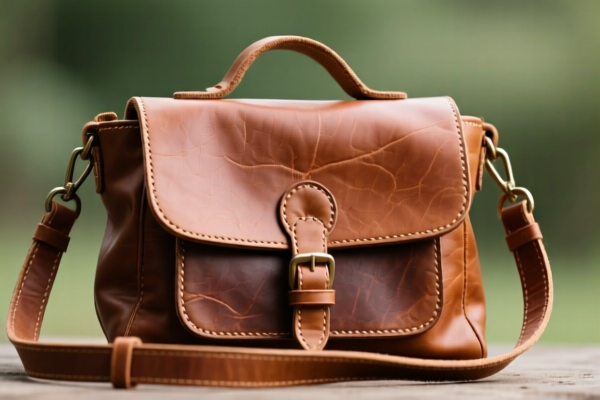
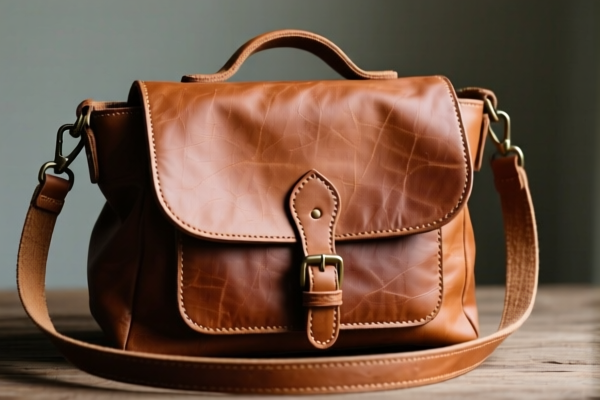
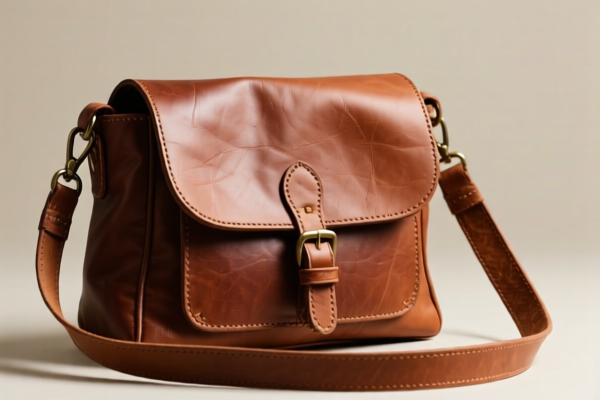
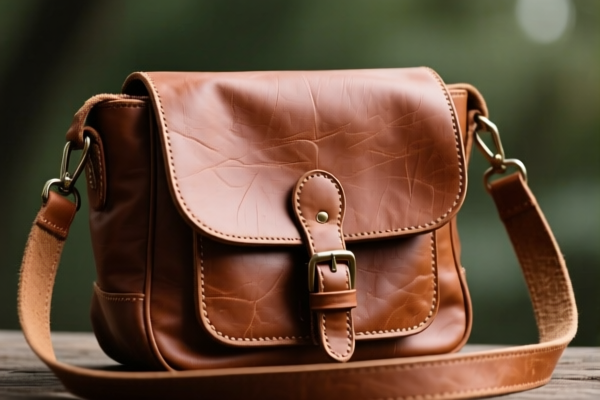
AI Analysis
🐂 Undyed Cowhide Leather (Raw Bovine Hides)
🌐 HS Code Reference & Customs Clearance Guide | 2026 Latest Tariff Analysis | Professional Clearance Strategy
📌 I. Product Definition & Classification: Do You Really Understand "Undyed Cowhide"?
Undyed Cowhide Leather, in the context of international trade and customs classification, refers to raw hides and skins of bovine animals that have undergone preservation processes (such as salting, drying, liming, or pickling) but have not been tanned, parchment-dressed, or further prepared. The key distinction lies in the state of preservation and weight per skin.
In the provided data, this product is classified into two specific categories based on weight limits and preservation method:
- Lighter Skins (≤16kg when fresh/wet-salted): Small or medium-sized cowhides.
- Heavier Skins (>16kg): Large adult cattle hides.
⚠️ Key Distinction Point:
- If the hide is fresh, wet-salted, or preserved and weighs ≤16kg → Goes to 4101.20.10.10.
- If the hide is dried and weighs ≤8kg → Also goes to 4101.20.10.10.
- If the hide is any preservation state and weighs >16kg → Goes to 4101.50.10.10.
- "Undyed" implies it is not pretanned or colored, fitting squarely into Chapter 41 (Raw Hides and Skins).
📦 II. HS Code Classification Details (2026 Latest Tariff Authority Comparison)
| HS Code | Product Description | Applicable Scenario | Weight Limit |
|---|---|---|---|
4101.20.10.10 |
Whole hides/skins, not split, of bovine animals, not pretanned | Fresh, wet-salted, dried, or limed hides weighing ≤8kg (dried) or ≤16kg (fresh/wet-salted/preserved) | ≤16 kg (Fresh) ≤8 kg (Dried) |
4101.50.10.10 |
Whole hides/skins, of bovine animals, not pretanned | Cattle hides weighing exceeding 16kg regardless of preservation method (fresh, salted, dried, etc.) | >16 kg |
🔍 Key Reminder:
- Both codes apply to whole, unsplit hides. If the hide is split into layers (grain and flesh), it may fall under different subheadings (e.g., 4101.30 or 4101.40), which are not included in this specific data set.
- "Not Pretanned" is critical. If the hide has undergone any tanning process, it belongs to Chapter 41, Section III (Tanned Leather), not Section II (Raw Hides).
💰 III. 2026 Latest Tariff Rate Breakdown (Detailed Tax Clauses)
✅ Applicable Country: United States (US)
✅ Origin: China (CN) (Assumed based on typical context for "7.5% additional tariff" queries, though the data just lists rates)
✅ Effective Date: Current rates apply as per the provided data.
🎯 1. 4101.20.10.10 — Light Raw Bovine Hides (≤16kg)
| Item | Content |
|---|---|
| Base Tariff Rate | 0.0% (ad valorem) |
| Section 301 Additional Tariff | +7.5% |
| Total Tax Rate | 7.5% |
| Tax Calculation | CIF Value × 7.5% |
| Legal Basis | Section 301 Tariff Act (China-origin goods) |
📌 Explanation:
- The base tariff for raw bovine hides under HTS 4101.20 is generally 0% for many countries, but for China-origin goods, significant additional duties apply.
- The 7.5% is the Section 301 additional tariff, which is a punitive trade measure against Chinese imports.
- No De Minimis Exemption: These goods are bulk agricultural/raw materials and do not qualify for the $800 de minimis exemption (Section 321) typically reserved for small parcels.
🎯 2. 4101.50.10.10 — Heavy Raw Bovine Hides (>16kg)
| Item | Content |
|---|---|
| Base Tariff Rate | 0.0% (ad valorem) |
| Section 301 Additional Tariff | +7.5% |
| Total Tax Rate | 7.5% |
| Tax Calculation | CIF Value × 7.5% |
| Legal Basis | Section 301 Tariff Act (China-origin goods) |
📌 Explanation:
- Similar to the lighter hides, the base rate is 0%, but the 7.5% additional tariff applies uniformly to all raw bovine hides from China under these codes.
- This rate is flat regardless of the size of the hide, as long as it exceeds 16kg.
🛠️ IV. Customs Clearance Practical Advice (Real-World Pitfall Avoidance)
✅ 1. Documentation Checklist (Essential)
| Document | Required | Notes |
|---|---|---|
| ✅ Commercial Invoice | ✔️ | Must specify: "Raw Bovine Hides," "Not Tanned," "Salted/Dried," and Weight per Skin. |
| ✅ Packing List | ✔️ | Must detail total weight, number of skins, and average weight per skin to justify HS Code selection. |
| ✅ Health/Veterinary Certificate | ✔️ | Critical! Raw hides require veterinary certification confirming they are free from infectious diseases (e.g., Foot-and-Mouth Disease, Anthrax). |
| ✅ Preservation Method Statement | ✔️ | Clearly state if hides are "Wet-Salted," "Dry-Salted," "Fresh-Chilled," or "Limed." |
| ✅ Bill of Lading | ✔️ | Standard shipping document. |
⚠️ Warning:
- Misclassification Risk: If you declare "Leather" instead of "Raw Hides," customs may classify it as tanned leather (Chapter 41, Section III), which has different duties and requires different certifications (e.g., EPA compliance).
- Weight Accuracy: Ensure the weight on the invoice matches the packing list and the actual physical weight. Discrepancies can lead to audits and delays.
✅ 2. Declaration Tips (Key Mantras)
🔥 "Raw, Not Tanned; Weight Matters; Vet Cert is Key!"
| Scenario | Correct Declaration | Incorrect Action |
|---|---|---|
| Hides are wet-salted, avg weight 14kg | 4101.20.10.10 |
Declare as "Leather" → Wrong chapter |
| Hides are fresh, avg weight 18kg | 4101.50.10.10 |
Declare as "4101.20" → Under-declare weight |
| Hides are tanned (colored/dyed) | Not in this data (Check 4104/4105) | Use 4101 codes → Major misclassification |
| Hides are split (two layers) | Not in this data (Check 4101.30/40) | Use 4101.20/50 → Incorrect description |
✅ 3. Special Considerations
| Situation | Handling Advice |
|---|---|
| Mixed Weights in Shipment | If a shipment contains both <16kg and >16kg hides, you must split the entry or use the higher-weight code for the entire lot if not separately declared. Best practice: Declare separately with accurate weights. |
| Preservation Method Change | If hides are "fresh" in the factory but "salted" during transit, ensure the invoice reflects the state at time of import. Customs will inspect and verify. |
| Country of Origin | If hides are from Argentina or Australia, the 7.5% Section 301 tariff does not apply. Only apply if originating from China. |
🌍 V. Global Market Customs Comparison (2026 Latest)
| Country/Region | Recommended HS Code | Tariff (China Origin) | Certification Required | Notes |
|---|---|---|---|---|
| 🇺🇸 USA | 4101.20.10.10 / 4101.50.10.10 |
7.5% (Total) | Vet Cert, BSE Compliance | Strict weight limits apply. |
| 🇨🇳 China | 4101.20 / 4101.50 |
Varies (Often 0-5%) | Import License, Quarantine | Import controls may apply. |
| 🇪🇺 EU | 4101.20 / 4101.50 |
0% (Most) | BSE, TSE Compliance | EU has strict BSE rules. No 301 tariff. |
| 🇬🇧 UK | 4101.20 / 4101.50 |
0% (Post-Brexit) | BSE, TSE Compliance | Similar to EU. |
| 🇮🇳 India | 4101.20 / 4101.50 |
0% - 5% | BSE Cert | Import restrictions may apply on raw hides. |
📌 Conclusion:
- The 7.5% additional tariff is unique to China-origin goods entering the US.
- For other markets, the base duty is often 0%, but health and safety certifications (BSE/TSE) are strictly enforced globally.
📌 VI. Common Errors & Pitfalls (Lessons Learned)
❌ Error 1: Declaring "Cowhide Leather" instead of "Raw Hides"
👉 Consequence: Misclassification into tanned leather codes → Penalties + Back Duty. Raw hides are Chapter 41, Section II; Tanned leather is Chapter 41, Section III.
❌ Error 2: Ignoring the 16kg Weight Threshold
👉 Consequence: Using 4101.20.10.10 for a 20kg hide → Customs will reclassify to 4101.50.10.10 → Delay + Inspection.
❌ Error 3: Missing Veterinary Certificate
👉 Consequence: Seizure or Return of goods. Raw hides are high-risk for disease transmission.
❌ Error 4: Not specifying "Not Tanned"
👉 Consequence: Ambiguity leads to customs holding goods for further classification → Demurrage Fees.
✅ Correct Approach:
"Raw Bovine Hides, Wet-Salted, Unsplit, Not Tanned, Average Weight 12kg per Skin, Origin: China, Vet Cert Attached."
🎯 VII. Conclusion: Precision in Classification Saves Costs!
🎯 Remember the Mantra:
🔹 "Raw & Unsplit? Check the Weight. <16kg = .20, >16kg = .50."
🔹 "7.5% Tax for China, Vet Cert is a Must."
🔹 "Not Tanned, Not Dyed, Chapter 41, Section II."
📌 Pro Tip:
If your shipment contains mixed weights, consider separating the skins by size before shipping to optimize HS Code usage and avoid disputes. Always pre-apply for a binding tariff ruling if the shipment value is high.
📣 Immediate Action:
📞 Consult a licensed customs broker + Provide Vet Cert + Ensure Weight Accuracy
🚀 Ensure smooth clearance, avoid seizures, and minimize costs!
✨ Professional Clearance Starts with Accurate Classification!
💼 Every Kilogram Counts in the World of Raw Hides!
Customer Reviews
About HS Code Classification
The Harmonized System (HS) is an internationally standardized nomenclature developed by the World Customs Organization (WCO) to classify traded products. Over 200 countries use the HS system as the basis for customs tariffs, trade statistics, and import/export regulations.
Each HS code follows a hierarchical structure:
- Chapter (2 digits) — Broad category of goods (e.g., Chapter 84: Machinery and Mechanical Appliances)
- Heading (4 digits) — More specific grouping within the chapter
- Subheading (6 digits) — Internationally standardized breakdown, used by all WCO member countries
- National subdivisions (8-10 digits) — Country-specific extensions for further classification, such as US HTSUS 10-digit codes
Correct HS code classification is essential for smooth customs clearance, accurate duty payment, and compliance with trade regulations. Misclassification can lead to customs delays, overpayment of duties, or penalties.
When importing from CN to US, the applicable tariff rates may include:
- Most-Favored-Nation (MFN) rate — The standard duty rate applied to WTO members
- General rate — Applied to countries without trade agreements
- Trade remedy duties — Additional tariffs such as Section 301 (anti-dumping), Section 232 (national security), or countervailing duties
The information provided on this page is for reference purposes only. For official classification, please consult with your local customs authority or a licensed customs broker.