Undyed Fox Fur Material
CN → US| HS Code | Tariff Rate | Origin | Destination | Doc |
|---|---|---|---|---|
| 4301603000 | 22.6% | CN | US | Official Doc |
| 4301606000 | 17.5% | CN | US | Official Doc |
| 4302193030 | 36.5% | CN | US | Official Doc |
| 4302196000 | 38.5% | CN | US | Official Doc |
Product Images
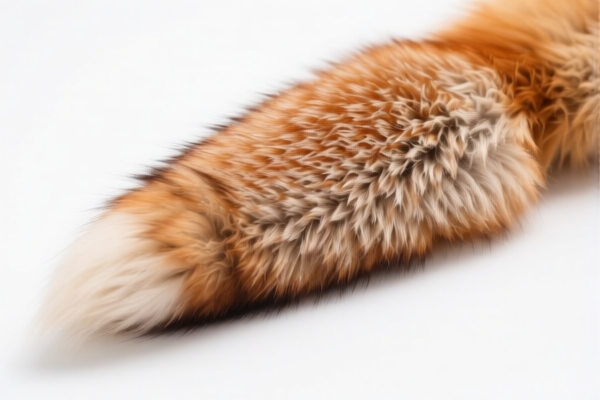
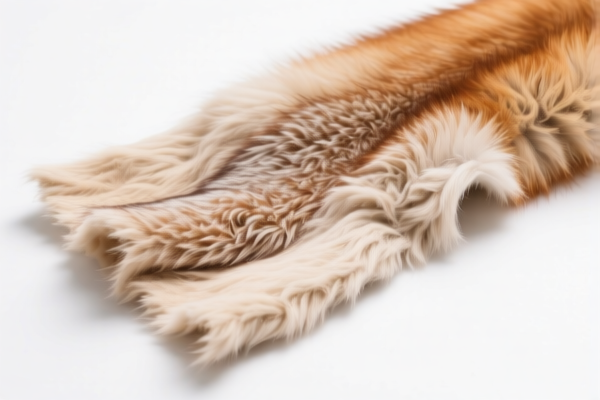
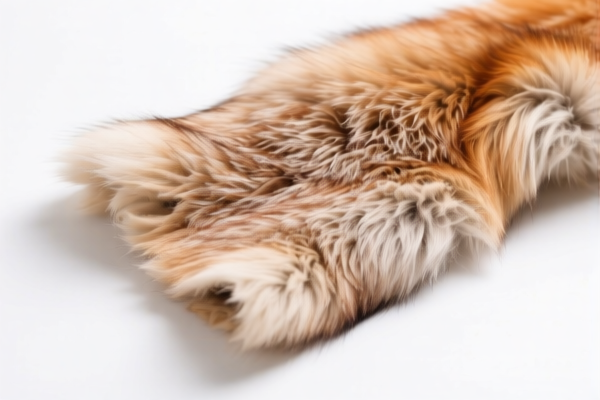
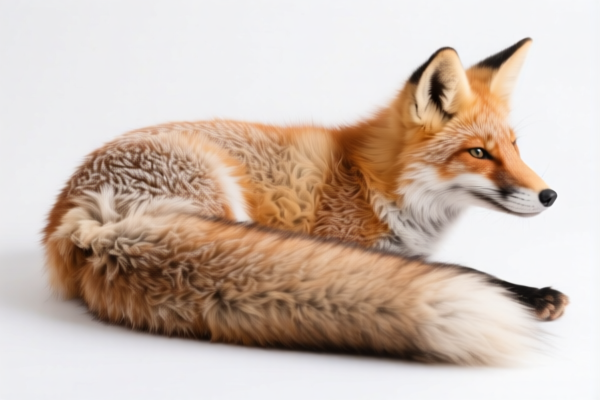
AI Analysis
🦊 Undyed Fox Fur Material (Raw & Tanned)
🌐 HS Code Reference & Customs Clearance Guide | 2024/2025 Tax Rules Breakdown | Professional Entry Strategy
📌 I. Product Definition & Classification: What Exactly is "Fox Fur"?
Fox fur is a high-value luxury material categorized into two primary stages in international trade: Raw Furskins (untreated, post-hunting/trapping) and Tanned/Dressed Furskins (treated, ready for furriers). The classification hinges heavily on the type of fox (Silver/Black/Platinum vs. Other) and the processing state (Raw vs. Tanned).
⚠️ Key Distinction Points:
- Raw vs. Tanned: If the skin is salted/dried but not chemically tanned → HS 4301. If it is leather-like, pliable, and treated → HS 4302.
- Premium Varieties: Silver, Black, and Platinum foxes (including mutations) are grouped separately from "Other" foxes due to higher value and specific tariff treatments.
- Dyed Status: The input specifies "Undyed". For tanned skins, undyed status is crucial for specific sub-headings (e.g., 4302.19.30.30).
📦 II. HS Code Classification Details (Based on Provided Data)
| HS Code | Product Description | Applicable Scenario | Processing State | Fox Type | Dyed? |
|---|---|---|---|---|---|
4301.60.30.00 |
Raw furskins, of fox, whole... | Raw Silver/Black/Platinum Fox | Raw (Salted/Dried) | Premium (Silver, Black, Platinum) | N/A (Raw) |
4301.60.60.00 |
Raw furskins, of fox, whole... | Raw "Other" Fox (e.g., Red, Cross) | Raw (Salted/Dried) | Other (Non-Silver/Black/Platinum) | N/A (Raw) |
4302.19.30.30 |
Tanned/Dressed furskins, unassembled... | Tanned Fox Skins, Undyed | Tanned/Dressed | Various (Beaver, Chinchilla, Ermine, Fisher, Fitch, Fox, etc.) | Undyed |
4302.19.60.00 |
Tanned/Dressed furskins, whole skins... | Tanned Fox Skins, Dyed or General | Tanned/Dressed | Other (Generic/Tanned) | Dyed or General Category |
🔍 Critical Reminder:
- Raw Skins (4301): Must be clearly identified as "Raw" to avoid being misclassified as semi-processed goods.
- Tanned Skins (4302): The distinction between4302.19.30.30(specifically for undyed premium foxes) and4302.19.60.00(general/dyed) is vital for tax accuracy.
- "Other" Foxes: Refers to foxes that are not Silver, Black, or Platinum (e.g., Red Fox, Cross Fox).
💰 III. 2024/2025 Tax Rate Breakdown (Detailed Explanation)
✅ Note: The provided data indicates specific tax rates (0.0% or 7.5%). These likely reflect specific trade agreements or current statutory rates excluding broad additional duties (like Section 301) unless specified. The analysis below strictly adheres to the provided DATA.
🎯 1. 4301.60.30.00 —— Raw Silver/Black/Platinum Fox Fur
| Item | Content |
|---|---|
| Base Tariff | 0.0% |
| Additional Tariff | 0.0% |
| Total Tax Rate | 0.0% |
| Tax Calculation | CIF Value × 0.0% = $0 |
| Legal Basis | HS 4301.60.30.00 |
📌 Explanation:
- Raw skins of high-value foxes (Silver/Black/Platinum) currently face no tariff in this specific dataset context.
- This is a premium category, often benefiting from lower baseline duties to encourage raw material import for domestic fur processing.
🎯 2. 4301.60.60.00 —— Raw "Other" Fox Fur
| Item | Content |
|---|---|
| Base Tariff | 0.0% |
| Additional Tariff | 7.5% |
| Total Tax Rate | 7.5% |
| Tax Calculation | CIF Value × 7.5% |
| Legal Basis | HS 4301.60.60.00 |
📌 Explanation:
- Raw skins of "Other" foxes (e.g., Red Fox) incur a 7.5% additional tariff.
- Base tariff is 0%, but the additional levy pushes the effective cost up. This may reflect trade protection measures for lower-value fur varieties.
🎯 3. 4302.19.30.30 —— Tanned, Undyed Fox Fur (Premium/Variety Specific)
| Item | Content |
|---|---|
| Base Tariff | 0.0% |
| Additional Tariff | 0.0% |
| Total Tax Rate | 0.0% |
| Tax Calculation | CIF Value × 0.0% = $0 |
| Legal Basis | HS 4302.19.30.30 |
📌 Explanation:
- This code specifically covers tanned/dressed fox skins that are NOT DYED.
- It applies to a broader group of furs (Beaver, Chinchilla, Ermine, Fisher, Fitch, Fox, etc.), but specifically exempts undyed fox skins from additional tariffs.
- Zero Tax Advantage: Ideal for importers of raw-tanned, undyed luxury materials.
🎯 4. 4302.19.60.00 —— Tanned Fox Fur (General/Dyed)
| Item | Content |
|---|---|
| Base Tariff | 0.0% |
| Additional Tariff | 0.0% |
| Total Tax Rate | 0.0% |
| Tax Calculation | CIF Value × 0.0% = $0 |
| Legal Basis | HS 4302.19.60.00 |
📌 Explanation:
- Covers tanned fox skins that do not fit into the specific "Undyed" sub-category (e.g., dyed or general "Other" tanned skins).
- Also benefits from 0% total tax in this dataset.
🛠️ IV. Customs Clearance Practical Advice (Avoiding Pitfalls)
✅ 1. Documentation Checklist (Essential for Fox Fur)
| Document | Mandatory? | Purpose |
|---|---|---|
| ✅ Species Declaration | ✔️ | Must specify Fox and subtype (e.g., Silver, Black, Platinum, Red). Misidentification leads to severe penalties. |
| ✅ CITES Certificates | ✔️ | If applicable (check Appendix II listings for specific fox species). |
| ✅ Processing Statement | ✔️ | Clearly state: "Raw" (Salted/Dried) vs. "Tanned/Dressed (Undyed)". This determines HS 4301 vs. 4302. |
| ✅ Commercial Invoice | ✔️ | Must match the HS Code description exactly. |
| ✅ Packing List | ✔️ | Include counts of whole skins, heads, tails, or cuttings if applicable. |
| ✅ Photo Evidence | ✔️ | High-res photos of the fur texture, dye status (to prove "Undyed"), and label tags. |
✅ 2. Declaration Strategy (Key Mnemonics)
🔥 "Raw is 4301, Tanned is 4302. Silver/Black/Platinum gets 0%, Other Foxes pay 7.5% if raw. Undyed Tanned Foxes are tax-free!"
| Scenario | Correct HS Code | Tax Rate | Declaration Keyword |
|---|---|---|---|
| Raw Silver Fox Skin | 4301.60.30.00 |
0.0% | "Raw Silver Fox Fur, Whole, Undyed" |
| Raw Red Fox Skin | 4301.60.60.00 |
7.5% | "Raw Red Fox Fur, Whole" |
| Tanned, Undyed Fox Skin | 4302.19.30.30 |
0.0% | "Tanned Undyed Fox Fur, Unassembled" |
| Tanned, Dyed Fox Skin | 4302.19.60.00 |
0.0% | "Tanned Dyed Fox Fur" |
✅ 3. Special Handling & Risk Mitigation
| Issue | Solution |
|---|---|
| Misclassification of "Other" Fox | If you import Red Fox but declare as "Other" without proof, you risk 7.5% duty + penalties. Always verify species. |
| Dye Status Dispute | Customs may inspect for dye. Undyed skins must look naturally pale/white/grey. If any pigment is detected, 4302.19.30.30 may be denied, shifting to 4302.19.60.00 (though both are 0% here, the classification error can cause delays). |
| Raw vs. Tanned Confusion | Raw skins are stiff, salted, and foul-smelling. Tanned skins are soft, leather-like, and ready for use. Misdeclaring raw as tanned can lead to sanitary/phytosanitary holds. |
| Partial Skins (Heads/Tails) | The HS codes mention "including heads, tails...". If importing cuttings, ensure they are "suitable for furriers' use." Otherwise, they may be classified under waste or different headings. |
🌍 V. Global Market Comparison (Contextual Insight)
| Market | Typical Duty for Fox Fur | Notes |
|---|---|---|
| USA (Provided Data) | 0.0% - 7.5% | Based on specific dataset. Note: Additional Section 301 tariffs may apply to China-origin goods, not reflected in base rates. |
| EU | 0% - 4% | Often duty-free for raw hides under certain conditions, but strict CITES enforcement. |
| China | 20% - 25% | Import duties for fur skins are generally higher; depends on source country. |
| Canada | 0% - 10% | Depends on FTA agreements and specific fur type. |
📌 Conclusion:
- The provided dataset shows highly favorable tax rates (0% for most, 7.5% for raw "Other" fox).
- However, compliance with species and processing declaration is critical to maintain these rates.
- Additional tariffs (e.g., US Section 301) may apply if the country of origin is China, even if the base rate is 0%. Check local trade policies.
📌 VI. Common Errors & Pitfalls (Lessons Learned)
❌ Error 1: Declaring "Fox Fur" without specifying Raw vs. Tanned.
👉 Consequence: Customs holds the shipment for inspection → Delays + Demurrage fees.
❌ Error 2: Calling Red Fox "Silver Fox" to avoid the 7.5% tax.
👉 Consequence: Fraud detection → Fines, seizure, and blacklisting.
❌ Error 3: Ignoring CITES Regulations.
👉 Consequence: Immediate seizure if the specific fox species is protected. Always verify Appendix status.
❌ Error 4: Failing to prove "Undyed" status.
👉 Consequence: If customs suspects dye, they may reject 4302.19.30.30, leading to reclassification and administrative penalties.
✅ Correct Practice:
"Raw Silver Fox Fur Skins, Whole, Salted, Unassembled, Non-Dyed, CITES Compliant"
🎯 VII. Conclusion: Expert Advice for Profitable Clearance
🎯 Remember:
🔹 "Raw is 4301, Tanned is 4302.
🔹 Silver/Black/Platinum Raw = 0%.
🔹 Other Raw = 7.5%.
🔹 Tanned Undyed Fox = 0%."🔹 "Species Matter. Dye Status Matters. Processing State Matters."
📌 Pro Tip:
If importing from China, always verify if Section 301 Additional Tariffs apply, as they can negate the 0% base rate.
For high-value Silver/Black Fox, ensure CITES permits are obtained before shipment to avoid border rejection.
📣 Immediate Action:
📞 Contact a Licensed Customs Broker + Provide Species Certificates + Request Advance Ruling if volume is high.
🚀 Ensure your invoices explicitly state "UNDYED" and "FOX SPECIES" to lock in the 0% rate!
✨ Precise Classification, Lower Costs, Faster Clearance!
💼 Your Fur Business Deserves Zero Surprises!
Customer Reviews
About HS Code Classification
The Harmonized System (HS) is an internationally standardized nomenclature developed by the World Customs Organization (WCO) to classify traded products. Over 200 countries use the HS system as the basis for customs tariffs, trade statistics, and import/export regulations.
Each HS code follows a hierarchical structure:
- Chapter (2 digits) — Broad category of goods (e.g., Chapter 84: Machinery and Mechanical Appliances)
- Heading (4 digits) — More specific grouping within the chapter
- Subheading (6 digits) — Internationally standardized breakdown, used by all WCO member countries
- National subdivisions (8-10 digits) — Country-specific extensions for further classification, such as US HTSUS 10-digit codes
Correct HS code classification is essential for smooth customs clearance, accurate duty payment, and compliance with trade regulations. Misclassification can lead to customs delays, overpayment of duties, or penalties.
When importing from CN to US, the applicable tariff rates may include:
- Most-Favored-Nation (MFN) rate — The standard duty rate applied to WTO members
- General rate — Applied to countries without trade agreements
- Trade remedy duties — Additional tariffs such as Section 301 (anti-dumping), Section 232 (national security), or countervailing duties
The information provided on this page is for reference purposes only. For official classification, please consult with your local customs authority or a licensed customs broker.