Undyed Fox Skins with Tail
CN → US| HS Code | Tariff Rate | Origin | Destination | Doc |
|---|---|---|---|---|
| 4103901190 | 17.5% | CN | US | Official Doc |
| 4103901130 | 17.5% | CN | US | Official Doc |
| 4301100020 | 17.5% | CN | US | Official Doc |
Product Images
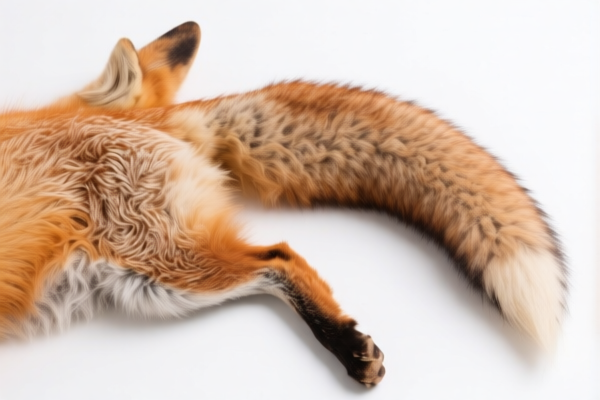
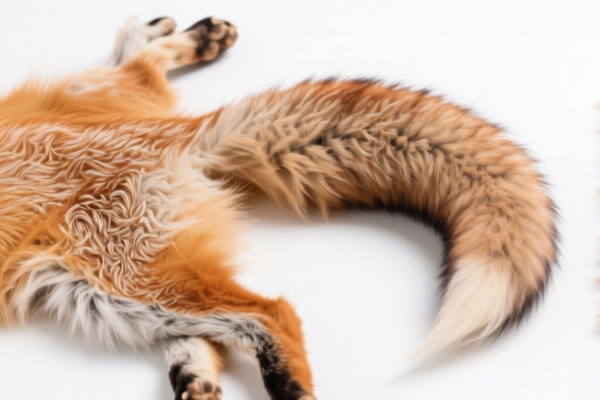
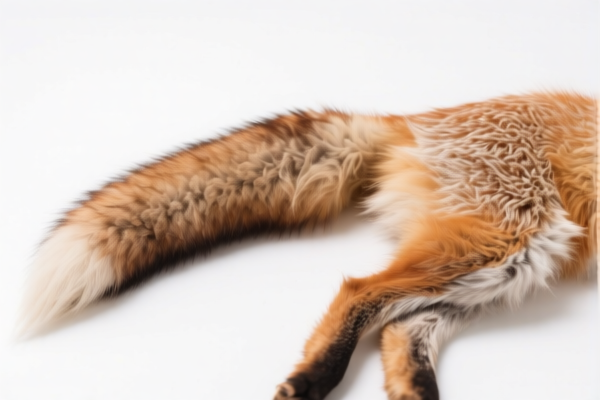
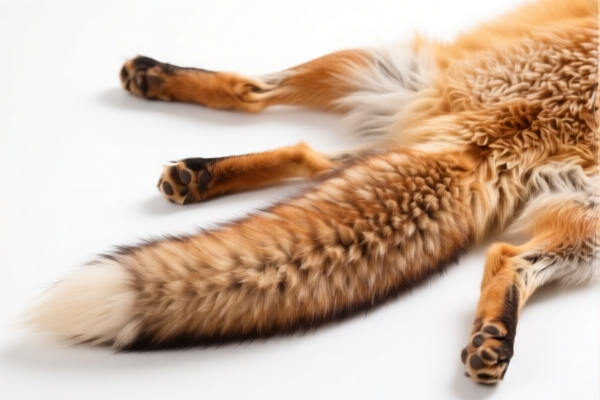
AI Analysis
🦊 Undyed Fox Skins with Tail (未染色毛皮带尾)
🌐 HS Code Reference & Customs Clearance Guide | 2026 Latest Tariff Analysis | Professional Strategy 📌 1. Product Definition: What are "Undyed Fox Skins with Tail"?
In international trade, "Undyed Fox Skins with Tail" refers to raw animal skins (specifically from foxes) that retain their natural hair/fur and have not undergone any dyeing or coloring processes. Crucially, the tail is intact, which significantly impacts their classification under the Harmonized System (HS).
⚠️ Key Distinction: - If the skin is merely "fur without tail" or heavily processed, it might fall under different subheadings. - However, skins with tails are typically classified as "Complete Skins" or "Whole Skins" under Chapter 43 (Furskins and artificial fur), specifically aiming for the description of "complete furskins" or "original furskins."
📦 2. HS Code Classification Details (2026 Latest Tariff Authority)
Based on the provided data, there are three specific HS codes that apply to this product, depending on the precise customs interpretation of "raw skin" vs. "furskin."
| HS Code | Product Description | Key Characteristics | Tax Rate |
|---|---|---|---|
4103.90.11.90 |
Other skins, undyed, unmatched to original skin material or unprepared tanned state. | Classified under Chapter 41 (Raw Hides & Skins). Treats the item as a basic raw material, not yet processed into "furskins" in the commercial sense. | 17.5% |
4103.90.11.30 |
Undyed fur skins with tail, where fur belongs to the category of raw hides, undyed and unprepared tanned state. | Also under Chapter 41. Explicitly mentions "undyed" and "unprepared tanned" (raw). Focuses on the biological state of the skin. | 17.5% |
4301.10.00.20 |
Undyed fur skins with tail, possessing fur material and tail morphology, fitting the description of complete furskins in original category. | Classified under Chapter 43 (Furskins). This is the most specific classification for "complete furskins" that are undyed. It recognizes the "tail" and "fur" as a complete product unit. | 17.5% |
🔍 Critical Note: - All three codes result in the same total tax rate of 17.5%. - The difference lies in the legal definition:
4103treats them as raw hides/skins (Chapter 41), while4301treats them as finished "furskins" (Chapter 43). - Customs officers may prefer4301.10.00.20if the product is clearly marketed as "fur skins" for manufacturing goods like coats. If it's sold as an industrial raw material,4103might be used.
💰 3. 2026 Latest Tariff Rate Breakdown (Including Surcharges & Policy Add-ons)
✅ Applicable Country: United States (US) ✅ Origin: China (CN) ✅ Effective Date: 2025年11月10日起 (From Nov 10, 2025, including subsequent imports)
🎯 Total Tax Rate: 17.5%
This rate is composed of the following components:
| Component | Rate | Description |
|---|---|---|
| Base Tariff | 0.0% | Standard MFN (Most Favored Nation) duty for furskins/hides is often 0% or low, but here listed as 0%. |
| Additional Tariff (Section 301) | 7.5% | Standard additional duty imposed on many Chinese goods under US Trade Act Section 301. |
| Section 122 Tariff | 10.0% | Specific surcharge applied under Section 122 of relevant trade agreements or emergency measures. |
| TOTAL | 17.5% | Sum of all applicable duties. |
📌 Legal Pathway Explanation: - Base Tariff (0%): Reflects the basic customs duty rate for the HS code. - Additional Tariff (7.5%): Part of the broader trade war tariffs on Chinese imports. - Section 122 Tariff (10%): A specific provision that adds a 10% surcharge, often linked to national security or specific trade remedy actions. - No De Minimis Exemption: ❌ Cannot use the $800 de minimis exemption for these goods if shipped individually as commercial samples or small batches, due to the nature of the goods and potential anti-circumvention rules.
🛠️ 4. Customs Clearance Practical Advice (Pitfall Avoidance)
✅ 1. Required Documentation Checklist
| Document | Required | Notes |
|---|---|---|
| Commercial Invoice | ✅ | Must clearly state "Undyed Fox Skins with Tail." Avoid vague terms like "Animal Parts." |
| Packing List | ✅ | Detail the number of skins, condition (raw, undyed), and ensure tails are accounted for. |
| Product Description | ✅ | Specify: "Fox Skin, Undyed, Whole with Tail, Raw State." |
| Origin Certificate | ✅ | If claiming any preferential treatment (though unlikely for China-US trade), provide CO. |
| Photos | ✅ | Provide clear photos showing the skin, fur, and tail attachment to support HS code selection. |
| Health/Sanitary Certificate | ⚠️ | If applicable, some jurisdictions require proof that the skins are free from diseases. |
✅ 2. Declaration Strategy (Key Tips)
🔥 "Be Specific, Be Consistent!"
| Scenario | Correct Declaration | Risk if Incorrect |
|---|---|---|
| HS Code Selection | Use 4301.10.00.20 for "Furskins" or 4103.90.11.30 for "Raw Skins." |
Misclassification leads to delays, fines, or retroactive duties. |
| Description | "Undyed Fox Skin, Tail Included, Raw Material." | Vague descriptions trigger customs audits. |
| Value Declaration | Declare CIF value accurately. | Undervaluation leads to severe penalties. |
✅ 3. Special Considerations for Furskins
| Issue | Advice |
|---|---|
| Tail Presence | Emphasize "With Tail" in documentation. This distinguishes it from "Skinned" or "Trimmed" hides, supporting the 4301 classification. |
| Undyed Status | Clearly state "Undyed" or "Raw Color." If dyed, the HS code and tax rate could change significantly (Chapter 43 has different rates for dyed furs). |
| Material Origin | Ensure the origin is clearly declared as China (if applicable) to apply the correct 17.5% rate and avoid misdeclaration. |
🌍 5. Global Market Comparison (2026 Latest)
| Country/Region | Recommended HS Code | Approx. Duty Rate | Notes |
|---|---|---|---|
| 🇺🇸 United States | 4301.10.00.20 or 4103.90.11.30 |
17.5% | Includes 7.5% Section 301 + 10% Section 122. |
| 🇨🇳 China | 4301.10.00.20 |
Low/0% | Import duties for raw materials may be low, but check VAT. |
| 🇪🇺 European Union | 4301.10 |
~1.7% + VAT | No Section 301/122 surcharges, but high VAT (20%+). |
| 🇬🇧 United Kingdom | 4301.10 |
~1.7% + VAT | Post-Brexit, follows UK Global Tariff. |
| 🇯🇵 Japan | 4301.10 |
0% | No duties on undyed furskins under many FTAs. |
📌 Conclusion: - The US market is the most challenging due to the 17.5% total duty (0% base + 7.5% + 10%). - EU, UK, Japan, and China have significantly lower or no import duties for this product, making them more attractive markets if supply chain flexibility exists.
📌 6. Common Mistakes & Pitfalls (Lessons Learned)
❌ Mistake 1: Declaring as "Leather" instead of "Furskin" 👉 Consequence: If declared as leather (Chapter 41), it might be correct, but if the intent is "furskins" (Chapter 43), misclassification can lead to penalties. Ensure the description matches the physical product (fur present).
❌ Mistake 2: Ignoring the "Tail" in the description 👉 Consequence: Customs may classify it as a "processed skin" or "trim," leading to incorrect HS codes and potential audits.
❌ Mistake 3: Assuming "Undyed" means "No Tax" 👉 Consequence: Even if undyed, Section 301 and Section 122 tariffs apply. The total rate is still 17.5%.
✅ Correct Approach:
"Undyed Fox Skins with Tail, Raw State, HS Code 4301.10.00.20, Origin: China, CIF Value: $X, Incoterms: DDP/DDU"
🎯 7. Conclusion: Professional Declaration, Efficient Clearance
🎯 Key Takeaway:
🔹 HS Code:
4301.10.00.20(Preferred for "Furskins") or4103.90.11.30(For "Raw Skins"). 🔹 Total Duty: 17.5% (0% Base + 7.5% Section 301 + 10% Section 122). 🔹 Critical Factor: Clearly state "With Tail" and "Undyed" in documentation.
📌 Pro Tip: If your fox skins are sourced from non-China origins (e.g., Europe, Canada), the Section 301 and Section 122 tariffs may not apply, significantly reducing the duty burden. Always verify the country of origin on the commercial invoice.
📣 Immediate Action:
📞 Consult with a licensed customs broker. 📄 Prepare detailed product photos and specifications. 📋 Apply for a Pre-Ruling if possible, to confirm the HS code and duty rate before shipment.
✨ Professional Customs Clearance Starts with Accurate Classification! 💼 Every Percentage Point Counts in Your Cost Structure!
Customer Reviews
About HS Code Classification
The Harmonized System (HS) is an internationally standardized nomenclature developed by the World Customs Organization (WCO) to classify traded products. Over 200 countries use the HS system as the basis for customs tariffs, trade statistics, and import/export regulations.
Each HS code follows a hierarchical structure:
- Chapter (2 digits) — Broad category of goods (e.g., Chapter 84: Machinery and Mechanical Appliances)
- Heading (4 digits) — More specific grouping within the chapter
- Subheading (6 digits) — Internationally standardized breakdown, used by all WCO member countries
- National subdivisions (8-10 digits) — Country-specific extensions for further classification, such as US HTSUS 10-digit codes
Correct HS code classification is essential for smooth customs clearance, accurate duty payment, and compliance with trade regulations. Misclassification can lead to customs delays, overpayment of duties, or penalties.
When importing from CN to US, the applicable tariff rates may include:
- Most-Favored-Nation (MFN) rate — The standard duty rate applied to WTO members
- General rate — Applied to countries without trade agreements
- Trade remedy duties — Additional tariffs such as Section 301 (anti-dumping), Section 232 (national security), or countervailing duties
The information provided on this page is for reference purposes only. For official classification, please consult with your local customs authority or a licensed customs broker.