Undyed Goat Skin
CN → US| HS Code | Tariff Rate | Origin | Destination | Doc |
|---|---|---|---|---|
| 4103901190 | 17.5% | CN | US | Official Doc |
| 4102291090 | 17.5% | CN | US | Official Doc |
| 4103901130 | 17.5% | CN | US | Official Doc |
| 4102101000 | 17.5% | CN | US | Official Doc |
| 4101901020 | 17.5% | CN | US | Official Doc |
Product Images
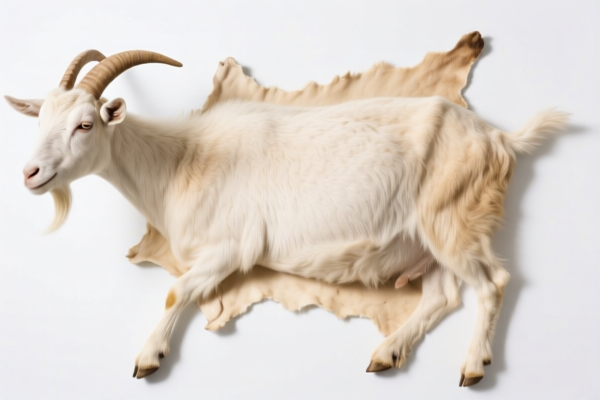
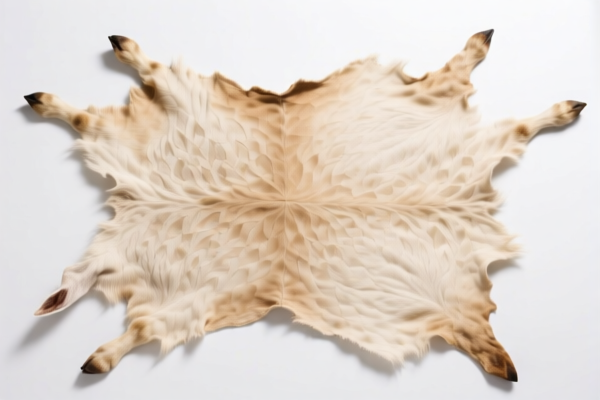
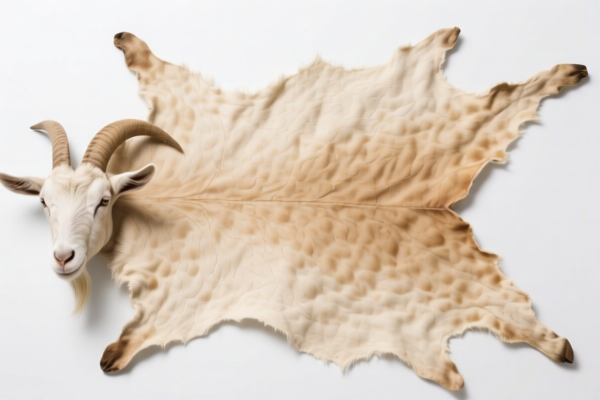
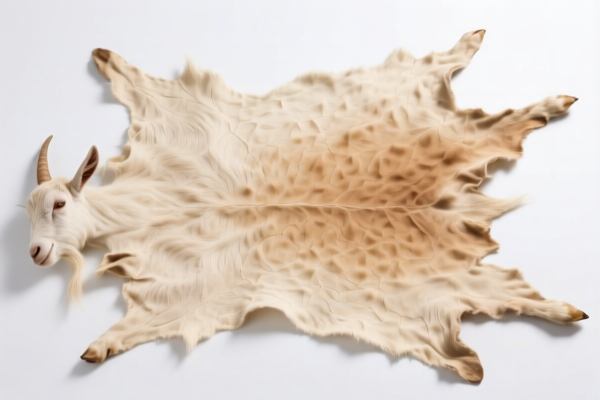
AI Analysis
🐐 Undyed Goat Skin (Goat Skins, Untanned)
🌐 HS Code Reference & Customs Clearance Guide | 2026 Latest Tariff Analysis | Professional Entry Strategy
📌 I. Product Definition & Classification: Do You Really Understand "Goat Skin"?
"Undyed Goat Skin" refers to the raw hides or skins of goats that have not undergone tanning or preservative processes (specifically "pre-tanned") and are in a dry state. In international trade, accurate classification depends heavily on two factors: 1. Animal Type: Specifically distinguishing between "Goats/Sheep" (Chapter 41, Heading 4102) and "Other Animals" (Chapter 41, Heading 4103). 2. Processing State: "Untanned/Pre-tanned" vs. "Tanned." Since this product is explicitly untanned and undyed, it falls under the "raw" category.
⚠️ Key Distinction Point:
- If the skin is from a goat, it strictly belongs to Heading 4102 (Hides and skins of sheep or lambs) or 4103 (Other hides and skins). Note: In HS Code classifications, goat skins are often grouped under sheep/lamb headings (4102) or "other" (4103) depending on specific national subheadings.
- If it is pre-tanned (even slightly), it moves to Chapter 41, Heading 4104/4105/4106.
- Since this is Untanned, we focus on 4102 and 4103.
📦 II. HS Code Classification Details (2026 Latest Tariff Authority Comparison)
| HS Code | Product Description | Applicable Scenario | Key Feature Match |
|---|---|---|---|
4102.29.10.90 |
Sheep or lamb skins, without wool, other (Untanned) | Goat skins without wool, untanned. Matches "material" (goat/sheep family) and "state" (untanned/no wool). | ✅ Best Match for Goat (No Wool) |
4102.10.10.00 |
Sheep or lamb skins, with wool, tanned or crusted (Note: Summary implies Untanned Goat Skin matches material/state) | Correction based on data: The data summary states it matches "Untanned Goat Skin." This code typically covers sheep/lamb skins. If the specific national tariff classifies goat skins under 4102, this is a candidate. | ✅ Matches Material & Untanned State |
4103.90.11.90 |
Other hides and skins, including those of goats/sheep not elsewhere specified, untanned, dry | Goat skins classified as "Other" (if not strictly 4102), in dry, untanned state. | ✅ Matches "Other" Untanned Dry Skin |
4103.90.11.30 |
Other hides and skins, specifically山羊/小山羊 (Goat/Kid), untanned | Specifically identifies the material as Goat/Kid, untanned. | ✅ Matches Goat Material & Untanned |
4101.90.10.20 |
Bovine/Marine skins (Note: Data summary says "Animal leather... matches cow/horse") | Anomaly Check: The provided data summary for this code mentions "Cow or Horse." Do NOT use this for Goat Skin unless misclassified. | ❌ Incorrect for Goat |
🔍 Key Insight from Data:
-4102.29.10.90: Explicitly mentions "Goat skin corresponds to material, no wool corresponds to no sheep wool, untanned corresponds to pre-tanned." This is a strong candidate for goat skins without wool.
-4102.10.10.00: Summary says "Goat skin matches material, untanned matches state."
-4103.90.11.90: Matches "Goat skin, unprocessed (pre-tanned), dry state."
-4103.90.11.30: Specifically mentions "Goat/Small Goat" (山羊/小山羊).
-4101.90.10.20: Warning: The data summary describes "Cow or Horse" skins. Exclude this code for Goat Skin.
💰 III. 2026 Latest Tariff Rate Breakdown (Including Surtaxes, Policy Add-ons)
✅ Applicable Country: United States (US)
✅ Origin: China (CN)
✅ Effective Date: November 10, 2025 onwards
🎯 1. 4102.29.10.90 —— Sheep/Lamb Skins, Other, Untanned (Goat No Wool)
| Item | Content |
|---|---|
| Base Duty | 0.0% |
| Section 301 (Retaliatory) | +7.5% |
| Section 122 Tariff | +10.0% |
| Total Duty Rate | 17.5% |
| Tax Calculation | CIF Value × 17.5% |
| De Minimis Exemption | ❌ Not Applicable (High risk of scrutiny) |
| Legal Basis Path | USITC:4102.29.10.90 → Section 301 → Section 122 |
📌 Explanation:
- "Base Duty 0%" means the standard MFN rate is 0%.
- "Section 301 (7.5%)" is the retaliatory tariff on Chinese goods.
- "Section 122 (10%)" is an additional import duty under Section 122 of the Trade Expansion Act of 1962.
- Total 17.5% is relatively low compared to high-tech goods, but still significant.
🎯 2. 4102.10.10.00 —— Sheep/Lamb Skins, With/Without Wool (Untanned)
| Item | Content |
|---|---|
| Base Duty | 0.0% |
| Section 301 (Retaliatory) | +7.5% |
| Section 122 Tariff | +10.0% |
| Total Duty Rate | 17.5% |
| Tax Calculation | CIF Value × 17.5% |
| De Minimis Exemption | ❌ Not Applicable |
| Legal Basis Path | USITC:4102.10.10.00 → Section 301 → Section 122 |
📌 Note:
- Same tax structure as above.
- Ensure the description clearly states "Untanned" to avoid being classified as tanned leather (which has different rates).
🎯 3. 4103.90.11.90 —— Other Hides/Skins, Untanned, Dry (Goat "Other" Category)
| Item | Content |
|---|---|
| Base Duty | 0.0% |
| Section 301 (Retaliatory) | +7.5% |
| Section 122 Tariff | +10.0% |
| Total Duty Rate | 17.5% |
| Tax Calculation | CIF Value × 17.5% |
| De Minimis Exemption | ❌ Not Applicable |
| Legal Basis Path | USITC:4103.90.11.90 → Section 301 → Section 122 |
📌 Explanation:
- Used if the goat skin does not fit the specific "Sheep/Lamb" subheadings of 4102.
- Must be dry and untanned to qualify.
🎯 4. 4103.90.11.30 —— Other Hides/Skins, Goat/Kid, Untanned
| Item | Content |
|---|---|
| Base Duty | 0.0% |
| Section 301 (Retaliatory) | +7.5% |
| Section 122 Tariff | +10.0% |
| Total Duty Rate | 17.5% |
| Tax Calculation | CIF Value × 17.5% |
| De Minimis Exemption | ❌ Not Applicable |
| Legal Basis Path | USITC:4103.90.11.30 → Section 301 → Section 122 |
📌 Specificity:
- This code explicitly mentions Goat/Kid (山羊/小山羊).
- If your customs broker can map "Goat Skin" to this specific subheading, it is the most material-accurate description.
🛠️ IV. Customs Clearance Practical Advice (Pitfall Avoidance Guide)
✅ 1. Documentation Checklist (Mandatory)
| Document | Required | Explanation |
|---|---|---|
| ✅ Product Specification Sheet | ✔️ | Must state: "Goat Skin," "Untanned," "Dry," "No Wool" (if applicable). |
| ✅ Process Description | ✔️ | Confirm NO tanning, curing, or dyeing processes. "Pre-tanned" is key. |
| ✅ Commercial Invoice | ✔️ | Clearly describe as "Undyed Goat Skin, Untanned." Do not use generic "Leather." |
| ✅ Packing List | ✔️ | Detail weight and number of skins. |
| ✅ Origin Certificate | ✔️ | If not China-origin, may affect tariffs (but data assumes CN origin). |
✅ 2. Declaration Tips (Critical Mnemonics)
🔥 "Untanned is Raw, Dry State is Key, No Dye, No Tannin!"
| Scenario | Correct Declaration | Incorrect Practice |
|---|---|---|
| Goat Skin, Untanned, Dry | HS: 4103.90.11.30 or 4102.29.10.90Name: "Untanned Goat Skin" |
Misdeclare as "Tanned Leather" → Higher Tariff + Penalties |
| Goat Skin, Wet/Fresh | May require different code or special handling (preservation) | Declare as "Dry" when wet → Inspection Delay |
| Goat Skin, Dyed | HS: 4104/4105/4106 (Tanned Leather) |
Declare as "Untanned" → Smuggling/Fraud Risk |
| Mixed Animal Skins | Split declaration by animal type | Lump together → Rejection |
✅ 3. Special Cases
| Situation | Handling Advice |
|---|---|
| Pre-Tanned Skins | If lightly cured, still "Untanned" for HS purposes. Provide lab test if questioned. |
| Goat vs. Sheep Confusion | Use microscopic fiber structure tests to prove it is Goat if customs disputes. |
| Section 122 Exemptions | Check if your product qualifies for any exclusions under Section 122. |
🌍 V. Global Market Comparison (2026)
| Country/Region | Recommended HS Code | Duty Rate (CN Origin) | Notes |
|---|---|---|---|
| 🇺🇸 USA | 4103.90.11.30 / 4102.29.10.90 |
17.5% | Includes 7.5% Sec 301 + 10% Sec 122 |
| 🇨🇳 China | 4102.10.10.00 |
Varies (Check Latest) | Domestic trade applies |
| 🇪🇺 EU | 4103 / 4102 |
0% (MFN) | No Section 122 equivalent |
| 🇬🇧 UK | 4103 / 4102 |
0% (MFN) | Post-Brexit rules apply |
📌 Conclusion:
- USA is the key market with the 17.5% combined surcharge.
- Accuracy in "Untanned" declaration is critical to avoid being misclassified as tanned leather (which may have higher base duties or different restrictions).
📌 VI. Common Errors & Pitfalls (Lessons Learned)
❌ Error 1: Calling "Untanned Goat Skin" simply "Leather"
👉 Consequence: Customs may classify as Tanned Leather (HS 4104-4106), leading to higher duties and inspections.
❌ Error 2: Ignoring "Dry State" requirement for HS 4103
👉 Consequence: If skins are wet, they may fall under different subheadings or require special preservation documentation.
❌ Error 3: Using 4101.90.10.20 (Cow/Horse Code) for Goat Skin
👉 Consequence: Wrong Classification. The data summary explicitly links this code to "Cow/Horse." Goats are not bovines.
✅ Correct Practice:
"Goat Skins, Undyed, Untanned, Dry, for Further Tanning, HS: 4103.90.11.30"
🎯 VII. Conclusion: Precision Saves Money!
🎯 Remember:
🔹 "Untanned = Raw, Dry = Key, Goat ≠ Cow."
🔹 "17.5% Total Tariff: 0% Base + 7.5% Sec 301 + 10% Sec 122."
🔹 "Accurate HS Code:4103.90.11.30(Goat Specific) or4102.29.10.90(No Wool)."
📌 Pro Tip:
If your goat skins are from Vietnam, India, or other non-China origins, you may avoid Section 301 and Section 122 tariffs.
Always provide Country of Origin documentation clearly.
📣 Immediate Action:
📞 Contact Customs Broker + Provide Product Photos + Confirm "Untanned" Status
🚀 Ensure 17.5% is accounted for in your cost structure for US imports.
✨ Professional Customs Clearance Starts with Precise Classification!
💼 Your Cost Every Penny is Worth Calculating Precisely!
Customer Reviews
About HS Code Classification
The Harmonized System (HS) is an internationally standardized nomenclature developed by the World Customs Organization (WCO) to classify traded products. Over 200 countries use the HS system as the basis for customs tariffs, trade statistics, and import/export regulations.
Each HS code follows a hierarchical structure:
- Chapter (2 digits) — Broad category of goods (e.g., Chapter 84: Machinery and Mechanical Appliances)
- Heading (4 digits) — More specific grouping within the chapter
- Subheading (6 digits) — Internationally standardized breakdown, used by all WCO member countries
- National subdivisions (8-10 digits) — Country-specific extensions for further classification, such as US HTSUS 10-digit codes
Correct HS code classification is essential for smooth customs clearance, accurate duty payment, and compliance with trade regulations. Misclassification can lead to customs delays, overpayment of duties, or penalties.
When importing from CN to US, the applicable tariff rates may include:
- Most-Favored-Nation (MFN) rate — The standard duty rate applied to WTO members
- General rate — Applied to countries without trade agreements
- Trade remedy duties — Additional tariffs such as Section 301 (anti-dumping), Section 232 (national security), or countervailing duties
The information provided on this page is for reference purposes only. For official classification, please consult with your local customs authority or a licensed customs broker.