Undyed Lynx Skins (Unassembled)
CN → US| HS Code | Tariff Rate | Origin | Destination | Doc |
|---|---|---|---|---|
| 4301100010 | 17.5% | CN | US | Official Doc |
| 4103902000 | 20.8% | CN | US | Official Doc |
| 4301100020 | 17.5% | CN | US | Official Doc |
| 4103901190 | 17.5% | CN | US | Official Doc |
| 4302110010 | 37.1% | CN | US | Official Doc |
Product Images
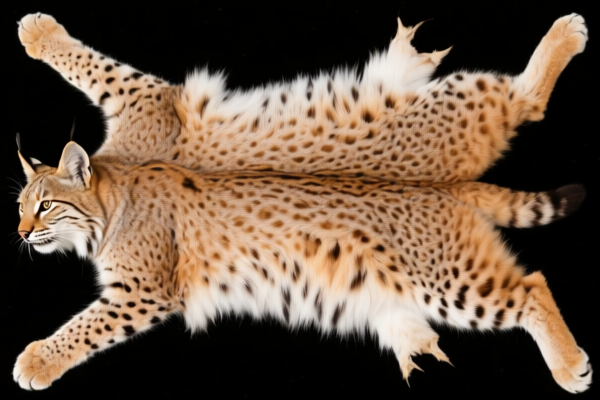
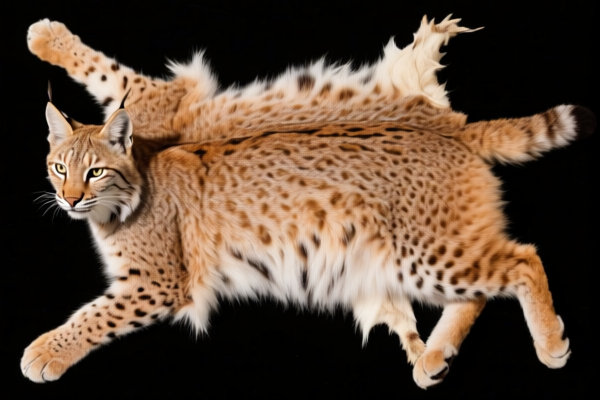
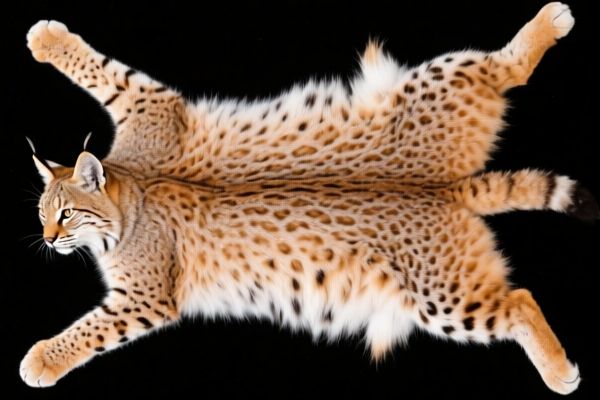
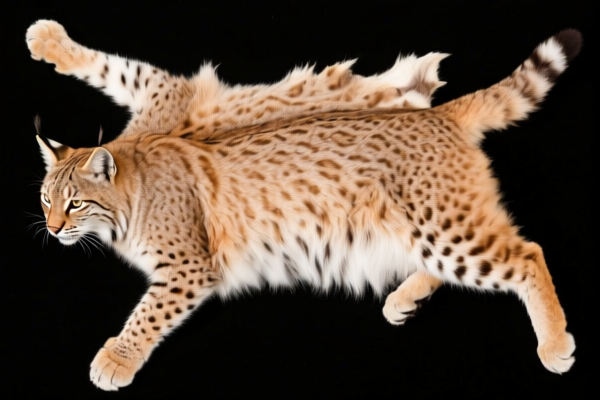
AI Analysis
🦊 Lynx Skins (Undyed, Unassembled) – Customs Classification & Tax Breakdown
🌐 HS Code Reference & Customs Clearance Guide | 2026 Latest Tariff Analysis | Professional Clearance Strategy
📌 1. Product Definition & Classification: What are "Undyed Lynx Skins (Unassembled)"?
Lynx Skins are raw hides obtained from lynxes (wild felines). In international trade, their classification depends heavily on their processing state:
- Raw Hides (Unassembled): Skins that have been removed from the animal but have not yet undergone tanning or further processing. They are typically shipped in a dried, salted, or fresh state, flat or folded, without being stitched together into garments or other articles.
- Key Distinction: If the skins are tanned, they fall under Chapter 41 (Leather) or Chapter 43 (Furs) depending on the specific tanning method and final use. If they are raw/unassembled, they are generally classified under Chapter 43 (Furskins and Artificial Furs) as "raw furskins," specifically under heading 4301 (Raw Furskins of Mink, Astrakhan, Broadtail, Caracul, Persian, Chinchilla, Montezuma, Lamb, Fox, Sheep, or Other Animals).
⚠️ Critical Classification Point:
- Raw, Unassembled, Undyed Lynx Skins → Generally classified under HS Code 4301.10 (Raw furskins of mink, astrakhan, broadtail, caracul, Persian, chinchilla, montezuma, lamb, fox, sheep, or other animals) or potentially 4302.11 if deemed "prepared" but not assembled.
- Misclassification Risk: Classifying under 4103 (Other raw hides and skins, excluding leather) is incorrect for furskins, as Chapter 43 specifically covers furskins. Chapter 41 covers hides/skins of bovine, equine, etc., not typically feline furskins intended for fur products.
📦 2. HS Code Classification Details (Based on Provided Data)
Below are the five possible HS Codes derived from the provided data, along with their summaries and tax rates. Note that while 4301 is the standard for raw furskins, 4103 may be mistakenly used for raw hides, and 4302 may be used if the skins are considered "prepared" (though unassembled suggests raw).
| HS Code | Summary (From Data) | Total Tax | Tax Detail |
|---|---|---|---|
4301.10.00.10 |
Undyed Lynx Skins (Unassembled) classified as 4301.10.00.10, based on material being lynx skin and in raw skin form. | 17.5% | Base Duty: 0.0%, Additional Duty: 7.5%, Section 122 Duty: 10% |
4103.90.20.00 |
Undyed Lynx Skins (Unassembled) classified as 4103.90.20.00, conforming to the attribute of untanned raw skins. | 20.8% | Base Duty: 3.3%, Additional Duty: 7.5%, Section 122 Duty: 10% |
4301.10.00.20 |
Undyed Lynx Skins (Unassembled) classified as 4301.10.00.20, based on raw fur characteristics and source category matching. | 17.5% | Base Duty: 0.0%, Additional Duty: 7.5%, Section 122 Duty: 10% |
4103.90.11.90 |
Undyed Lynx Skins (Unassembled) classified as 4103.90.11.90, conforming to the requirement of other raw skins classified as untanned. | 17.5% | Base Duty: 0.0%, Additional Duty: 7.5%, Section 122 Duty: 10% |
4302.11.00.10 |
Undyed Lynx Skins (Unassembled) classified as 4302.11.00.10, based on material being lynx skin and the definition of unassembled whole skins. | 37.1% | Base Duty: 2.1%, Additional Duty: 25.0%, Section 122 Duty: 10% |
🔍 Key Insight:
- The most accurate classification for raw, unassembled furskins is typically under 4301 (Raw Furskins). Hence,4301.10.00.10and4301.10.00.20are the most appropriate.
-4103.90.xxxxis likely incorrect for furskins, as Chapter 41 is for leather hides (bovine, equine, etc.), not fur pelts.
-4302.11.00.10implies prepared furskins (e.g., tanned/dried but not assembled), which may attract higher duties (37.1%) due to the 25% Additional Duty.
💰 3. 2026 Latest Tariff Rate Breakdown (Including Additional Taxes & Policy Surcharges)
✅ Applicable Country: United States (US)
✅ Country of Origin: China (CN)
✅ Effective Date: November 10, 2025 onwards
🎯 1. 4301.10.00.10 & 4301.10.00.20 – Raw Lynx Skins (Most Likely Correct)
| Item | Detail |
|---|---|
| Base Duty | 0.0% (ad valorem) |
| Section 301 Additional Duty | +7.5% |
| Section 122 Duty | +10% |
| Total Duty | 17.5% |
| Tax Calculation | CIF Value × 17.5% |
| De Minimis Eligibility | ❌ No (Furskins are generally excluded from de minimis exemptions) |
| Legal Basis Path | Section 122: 122 → Section 301: 7.5% → USITC: 4301.10.00.10/20 |
📌 Explanation:
- Base Duty (0%): Raw furskins often have low base duties.
- Section 301 Additional Duty (7.5%): Applies to Chinese-origin goods under the 301 Tariff List.
- Section 122 Duty (10%): A specific surcharge for certain categories, including furskins.
- Total: 17.5% – This is the recommended classification for raw, unassembled lynx skins.
🎯 2. 4103.90.20.00 & 4103.90.11.90 – Misclassified as Raw Hides (Chapter 41)
| Item | Detail |
|---|---|
| Base Duty | 0.0% (for 4103.90.11.90) / 3.3% (for 4103.90.20.00) |
| Section 301 Additional Duty | +7.5% |
| Section 122 Duty | +10% |
| Total Duty | 17.5% (for 4103.90.11.90) / 20.8% (for 4103.90.20.00) |
| Tax Calculation | CIF Value × Total Rate |
| De Minimis Eligibility | ❌ No |
| Legal Basis Path | Section 122: 122 → Section 301: 7.5% → USITC: 4103.90.xxxx |
📌 Warning:
- Classifying furskins under Chapter 41 is incorrect. This may lead to customs penalties, audits, or shipment delays.
- Even if the rate is similar (17.5% or 20.8%), the legal risk is high.
🎯 3. 4302.11.00.10 – Prepared Unassembled Skins (Higher Risk)
| Item | Detail |
|---|---|
| Base Duty | 2.1% |
| Section 301 Additional Duty | +25.0% |
| Section 122 Duty | +10% |
| Total Duty | 37.1% |
| Tax Calculation | CIF Value × 37.1% |
| De Minimis Eligibility | ❌ No |
| Legal Basis Path | Section 122: 122 → Section 301: 25% → USITC: 4302.11.00.10 |
📌 Critical Note:
- This code applies if the skins are considered "prepared" (e.g., tanned, dressed, or otherwise processed beyond raw state).
- The 25% Additional Duty is significantly higher, resulting in a 37.1% total duty.
- Only use this if the skins are not raw (e.g., partially tanned or dried in a prepared manner).
🛠️ 4. Customs Clearance Practical Advice (Avoid Pitfalls)
✅ 1. Required Documents Checklist
| Document | Must Provide | Description |
|---|---|---|
| ✅ Product Description | ✔️ | Clearly state "Undyed Lynx Skins, Raw, Unassembled" |
| ✅ Material Composition | ✔️ | Confirm material is 100% Lynx Fur, no synthetic mix |
| ✅ Processing State | ✔️ | Specify Raw/Untanned, not prepared |
| ✅ Photo/Specs | ✔️ | Show raw skins, flat or folded, no stitching |
| ✅ CITES Permit | ✔️ | Critical! Lynx is a CITES-listed species. Import/export requires CITES permits. |
| ✅ Commercial Invoice | ✔️ | Declare accurate CIF value, HS Code 4301.10.00.10 |
| ✅ Packing List | ✔️ | Detail number of skins, weight, dimensions |
✅ 2. Declaration Tips (Key Mnemonics)
🔥 "Raw Skins Go to 4301, Tanned Skins to 4302, CITES Permit is a Must!"
| Scenario | Correct Declaration | Incorrect Declaration |
|---|---|---|
| Raw, Undyed, Unassembled Lynx Skins | 4301.10.00.10 or 4301.10.00.20 |
4103.90.20.00 (Chapter 41 error) |
| Prepared (Tanned/Dried) Unassembled Skins | 4302.11.00.10 |
4301.10.00.10 (Under-declaring duty) |
| Assembled Lynx Fur Garments | 4303.10.00.00 |
4301.10.00.10 (Under-declaring value/duty) |
✅ 3. Special Cases Handling
| Scenario | Recommendation |
|---|---|
| CITES Listing | Lynx is listed in CITES Appendix II. Ensure valid CITES permits are provided for both export and import. Failure to do so results in confiscation and heavy fines. |
| Mixed Shipments | If shipment contains both raw and prepared skins, separate declarations are required. |
| Sample Shipments | Even for samples, CITES permits and proper HS Codes are mandatory. No de minimis exemption for furskins. |
| Origin Verification | Confirm origin is China to apply Section 301 duties. If from non-China origin, Section 301 may not apply, but Section 122 may still apply. |
🌍 5. Global Market Comparison (2026)
| Country/Region | Recommended HS Code | Duty Rate | Certification Requirements | Remarks |
|---|---|---|---|---|
| 🇺🇸 USA | 4301.10.00.10 |
17.5% | CITES + FDA (if applicable) | Highest duty due to Section 301 & 122 |
| 🇨🇳 China | 4301.10.00.10 |
5-10% | CITES + Domestic Permit | Lower base duty, no Section 301 |
| 🇪🇺 EU | 4301.10 |
0-5% | CITES + EU Wildlife Regulations | No additional duties, but strict CITES enforcement |
| 🇬🇧 UK | 4301.10 |
0-5% | CITES + UK Wildlife Regulations | Post-Brexit rules apply |
| 🇦🇺 Australia | 4301.10 |
5% | CITES + EPBC Act Permit | Strict wildlife protection laws |
📌 Conclusion:
- USA has the highest duty (17.5%) for raw lynx skins due to Section 301 and Section 122.
- CITES permits are non-negotiable globally.
- Misclassification (e.g., using Chapter 41) leads to legal risks, not cost savings.
📌 6. Common Errors & Pitfalls (Lessons Learned)
❌ Error 1: Classifying under 4103 (Chapter 41) for furskins
👉 Consequence: Customs audit, penalties, shipment delay. Furskins belong in Chapter 43.
❌ Error 2: Ignoring CITES Permits
👉 Consequence: Confiscation, fines up to $10,000+ per violation, criminal charges.
❌ Error 3: Declaring "Raw" when skins are Prepared/Tanned
👉 Consequence: Under-declaring duty (17.5% vs 37.1%), leading to back taxes + penalties.
❌ Error 4: Using "De Minimis" exemption
👉 Consequence: Furskins are excluded from de minimis. Even small shipments are fully taxed and inspected.
✅ Correct Practice:
"Undyed Lynx Skins, Raw, Unassembled, CITES Permit Attached, HS Code 4301.10.00.10, Origin: China"
🎯 7. Conclusion: Professional Declaration, Save Time & Money!
🎯 Remember Mnemonics:
🔹 "Raw Skins → 4301, Prepared Skins → 4302, CITES is Key!"
🔹 "HS Code Defines Duty, Mistake Costs Thousands, Declare Accurately!"
📌 Tips:
- If your lynx skins are tanned or prepared, expect 37.1% duty under 4302.11.00.10.
- Always verify CITES status before shipment.
- For USA imports, budget for 17.5% duty on raw skins.
📣 Immediate Action:
📞 Consult a Licensed Customs Broker + Apply for CITES Permits + Verify HS Code with USITC
🚀 Ensure Smooth Clearance, Avoid Penalties, Maximize Profit!
✨ Professional Clearance Starts with Accurate Classification!
💼 Every Dollar Saved is a Dollar Earned!
Customer Reviews
About HS Code Classification
The Harmonized System (HS) is an internationally standardized nomenclature developed by the World Customs Organization (WCO) to classify traded products. Over 200 countries use the HS system as the basis for customs tariffs, trade statistics, and import/export regulations.
Each HS code follows a hierarchical structure:
- Chapter (2 digits) — Broad category of goods (e.g., Chapter 84: Machinery and Mechanical Appliances)
- Heading (4 digits) — More specific grouping within the chapter
- Subheading (6 digits) — Internationally standardized breakdown, used by all WCO member countries
- National subdivisions (8-10 digits) — Country-specific extensions for further classification, such as US HTSUS 10-digit codes
Correct HS code classification is essential for smooth customs clearance, accurate duty payment, and compliance with trade regulations. Misclassification can lead to customs delays, overpayment of duties, or penalties.
When importing from CN to US, the applicable tariff rates may include:
- Most-Favored-Nation (MFN) rate — The standard duty rate applied to WTO members
- General rate — Applied to countries without trade agreements
- Trade remedy duties — Additional tariffs such as Section 301 (anti-dumping), Section 232 (national security), or countervailing duties
The information provided on this page is for reference purposes only. For official classification, please consult with your local customs authority or a licensed customs broker.