Undyed Raccoon Fur with Tail
CN → US| HS Code | Tariff Rate | Origin | Destination | Doc |
|---|---|---|---|---|
| 4103901190 | 17.5% | CN | US | Official Doc |
| 4103901200 | 17.5% | CN | US | Official Doc |
| 4302194540 | 37.2% | CN | US | Official Doc |
| 4103901190 | 17.5% | CN | US | Official Doc |
| 4302194540 | 37.2% | CN | US | Official Doc |
Product Images
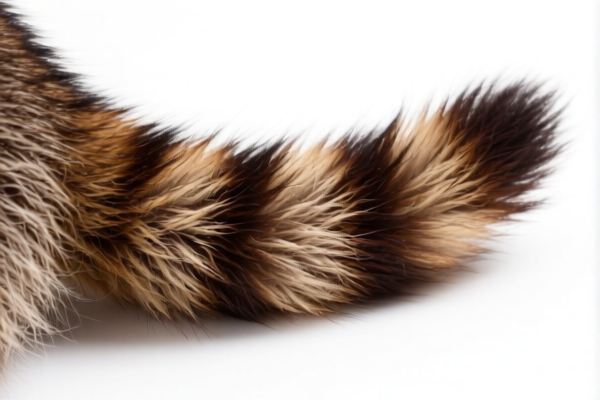
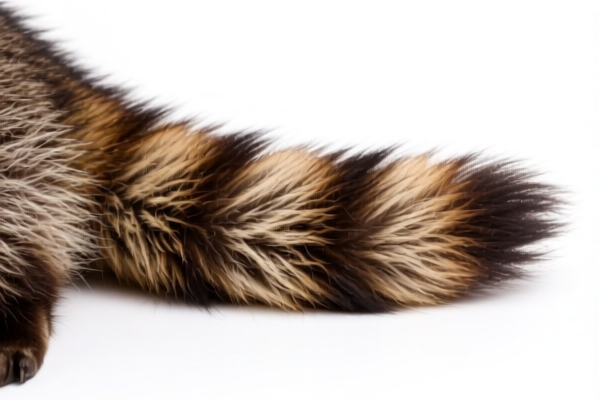
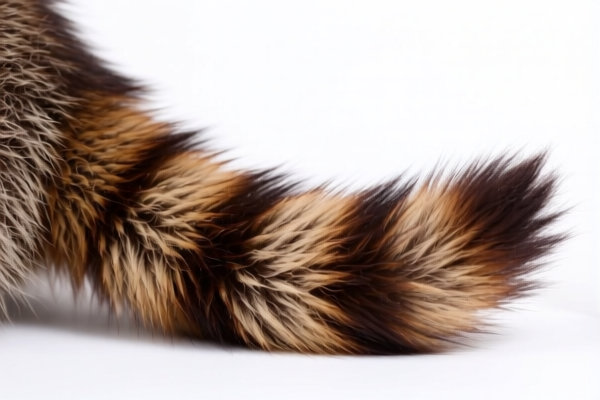
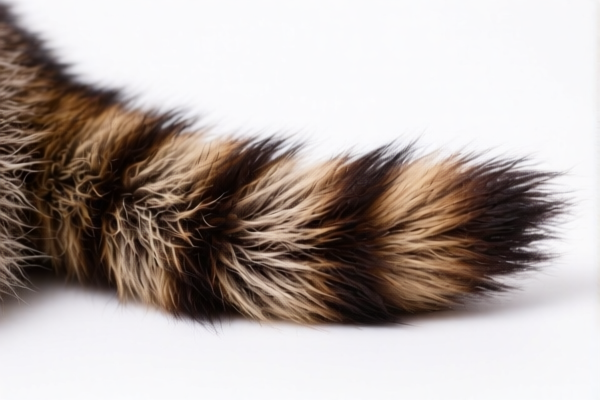
AI Analysis
🦝 Undyed Raccoon Fur with Tail (Raccoon Pelts)
🌐 HS Code Reference & Customs Clearance Guide | 2026 Latest Tariff Analysis | Professional Compliance Strategy
📌 I. Product Definition & Classification: Do You Really Understand "Undyed Raccoon Fur"?
Undyed Raccoon Fur with Tail refers to the raw skins of raccoons (Procyon lotor) that have been removed from the animal but have not undergone coloring, dyeing, or tanning processes (or are only minimally processed as raw pelts). In international trade, these are strictly classified as "Raw Skins" rather than "Prepared Furs."
The critical distinction lies in the processing state: * Raw/Undyed Skins: Salted, fresh, or dried but not chemically altered for color. → Classified under Chapter 41 (Raw Hides and Skins). * Prepared/Tanned/Dyed Furs: Tanned, dressed, or dyed (even if just "dyed raccoon fur"). → Classified under Chapter 43 (Prepared Furskins).
⚠️ Key Distinction Point:
- If the pelt is undyed, uncolored, and merely dried/salted → It is a Raw Skin (Chapter 41).
- If the pelt is dyed (any color) or tanned → It becomes a Prepared Fur (Chapter 43).
- Note: The phrase "Undyed Raccoon Fur with Tail" specifically points to the raw stage.
📦 II. HS Code Classification Details (2026 Latest Tariff Authority Mapping)
Based on the provided data, here is the precise mapping for Undyed Raccoon Pelts:
| HS Code | Product Description | Application Scenario | Processing State |
|---|---|---|---|
4103.90.11.90 |
Undyed Raccoon Skins with Tail | Other raw skins, not pre-saddled | ✅ Raw/Undyed |
4103.90.12.00 |
Farmed Undyed Raccoon Skins | Other raw skins, undyed and unprocessed | ✅ Raw/Undyed |
🔍 Critical Reminder:
- Both HS Codes above fall under Chapter 41 because the product is UNDYED.
- If the product were DYED, it would shift to4302.19.45.40with a significantly higher tax rate.
- Do NOT confuse "Undyed Raccoon Fur" with "Dyed Raccoon Fur." The processing state dictates the Chapter (41 vs. 43).
💰 III. 2026 Latest Tariff Rate Breakdown (Including Surtaxes & Policy Add-ons)
✅ Applicable Country: United States (US)
✅ Origin: China (CN)
✅ Effective Time: Current (Subject to 301 & IEEPA measures)
🎯 1. 4103.90.11.90 —— Undyed Raccoon Skins with Tail (Other Raw Skins)
| Item | Detail |
|---|---|
| Base Tariff | 0.0% (ad valorem) |
| Section 301 Surtax | +7.5% |
| IEEPA Section 122 Tariff | +10.0% |
| Total Tariff Rate | 17.5% |
| Tax Calculation | CIF Value × 17.5% |
| De Minimis Exemption? | ❌ NO (Denied for fur/skin products under current restrictions) |
| Legal Basis Path | USITC:4103.90.11.90 → Section 301: 7.5% → IEEPA: 10% |
📌 Explanation:
- Although the Base Tariff is 0%, the Section 301 surtax (7.5%) and IEEPA Section 122 tariff (10%) apply, resulting in a 17.5% total cost.
- This applies to wild-caught undyed raccoon pelts classified as "Other Raw Skins."
🎯 2. 4103.90.12.00 —— Farmed Undyed Raccoon Skins
| Item | Detail |
|---|---|
| Base Tariff | 0.0% (ad valorem) |
| Section 301 Surtax | +7.5% |
| IEEPA Section 122 Tariff | +10.0% |
| Total Tariff Rate | 17.5% |
| Tax Calculation | CIF Value × 17.5% |
| De Minimis Exemption? | ❌ NO |
| Legal Basis Path | USITC:4103.90.12.00 → Section 301: 7.5% → IEEPA: 10% |
📌 Note:
- Whether wild-caught (4103.90.11.90) or farmed (4103.90.12.00), Undyed raccoon skins carry the same 17.5% total tariff.
- The distinction is mainly for statistical and regulatory compliance, not tax savings in this case.
⚠️ WARNING: What if it is DYED?
If your product is "Dyed Raccoon Fur with Tail", it falls under 4302.19.45.40:
| Item | Detail |
|---|---|
| Base Tariff | 2.2% |
| Section 301 Surtax | +25.0% |
| IEEPA Section 122 Tariff | +10.0% |
| Total Tariff Rate | 37.2% |
| Difference | +19.7% HIGHER than Undyed skins |
📌 Crucial Insight:
- Undyed = 17.5%
- Dyed = 37.2%
- Tax Saving Opportunity: Importing UNDYED pelts and dyeing them domestically in the US could save 19.7% in import duties, provided you have local processing capabilities.
🛠️ IV. Customs Clearance Practical Advice (Avoid Pitfalls)
✅ 1. Documentation Checklist (Mandatory)
| Document | Required | Explanation |
|---|---|---|
| ✅ Commercial Invoice | ✔️ | Must clearly state "Undyed Raccoon Skins, Raw, With Tail". Do NOT use "Fur Garment" or "Tanned Fur." |
| ✅ Packing List | ✔️ | Detail number of pelts, condition (salted/dried), and weight. |
| ✅ Species Declaration | ✔️ | Confirm species as Procyon lotor. Raccoons are widely available, but accurate identification is required. |
| ✅ CITES/ESA Compliance | ⚠️ Check | While Raccoons are not typically CITES-listed, verify endangered status in specific US states. Some states have strict transport laws. |
| ✅ Processing Statement | ✔️ | Explicitly state "NOT DYED, NOT TANNED" to justify Chapter 41 classification. |
| ✅ Photos of Skins | ✔️ | Show raw, undyed appearance to prove lack of dyeing. |
✅ 2. Declaration Strategy (Key Mantra)
🔥 “Raw vs. Prepared: Undyed is Key, Chapter 41 Saves Money!”
| Scenario | Correct HS Code | Risk of Misclassification |
|---|---|---|
| Undyed, Raw Skins | 4103.90.11.90 / 4103.90.12.00 |
Low (if clearly raw) |
| Dyed/Prepared Furs | 4302.19.45.40 |
High (if declared as raw) |
| Garments Made from Raccoon Fur | Other HS Codes (e.g., 4303) | High (different chapter) |
| Mislabeling Undyed as Dyed | 4302.19.45.40 |
Overpaying 37.2% instead of 17.5% |
| Mislabeling Dyed as Undyed | 4103.90.11.90 |
Severe Penalty: Tax evasion, seizure, fines |
📌 Tip:
- If you are importing raw pelts to dye them in the US, clearly declare "For Further Processing" or "Raw Skins for Tanning/Dyeing."
- If the skins are already dyed, you MUST declare them as such to avoid fraud allegations.
✅ 3. Special Considerations
| Situation | Handling Advice |
|---|---|
| Wild vs. Farmed | Ensure the invoice specifies "Wild-Caught" or "Farm-Raised." 4103.90.11.90 is typically wild; 4103.90.12.00 is farmed. Both have the same tax rate but different regulatory tracking. |
| Tail Inclusion | The description "With Tail" is critical. Some classifications differentiate "With Tail" vs. "Tailless." Ensure the product matches the HS description exactly. |
| Dyeing in USA | If you plan to dye the pelts, consider the 19.7% tax arbitrage. Importing undyed skins (17.5%) and domestic dyeing may be cheaper than importing dyed furs (37.2%). |
| CITES | Raccoons are generally not CITES-listed, but always check the latest US Fish and Wildlife Service regulations for any changes. |
🌍 V. Global Market Comparison (2026)
| Country/Region | Recommended HS Code | Tariff (China Origin) | Notes |
|---|---|---|---|
| 🇺🇸 USA | 4103.90.11.90 / 4103.90.12.00 |
17.5% (Undyed) 37.2% (Dyed) |
High surtaxes under Section 301 & IEEPA. |
| 🇨🇳 China | 4103.90.11.00 |
~0-5% | Lower base tariffs, but export restrictions may apply. |
| 🇪🇺 EU | 4103.90 |
~2.7% | No Section 301 or IEEPA surtaxes. Lower duty than US. |
| 🇬🇧 UK | 4103.90 |
~2.7% | Post-Brexit trade terms apply. |
📌 Conclusion:
- The US market is the most expensive for importing Chinese-origin raccoon pelts due to additional tariffs.
- Undyed pelts are significantly cheaper to import than dyed ones in the US.
- If targeting the EU, tariffs are lower (~2.7%), but you must still comply with EU REACH and CITES regulations.
📌 VI. Common Mistakes & Pitfalls (Blood Lessons)
❌ Mistake 1: Declaring Dyed Raccoon Fur as "Undyed Raw Skin"
👉 Consequence: Customs inspection reveals dye → Tax Evasion Charge, Seizure, Fines.
❌ Mistake 2: Using "Fur Garment" for Raw Skins
👉 Consequence: Wrong Chapter (43 vs. 41) → Delay in Clearance, Retrospective Tax Adjustment.
❌ Mistake 3: Ignoring the "With Tail" Specification
👉 Consequence: Mismatch with HS Code description → Customs Query, Delays.
❌ Mistake 4: Assuming All Fur is Subject to High Taxes
👉 Reality: Undyed Raw Skins (17.5%) are much cheaper than Dyed/Prepared Furs (37.2%).
✅ Correct Approach:
“Undyed Raccoon Skins, Raw, With Tail, Not Tanned, Not Dyed”
🎯 VII. Conclusion: Smart Classification, Lower Costs!
🎯 Remember the Mantra:
🔹 “Undyed is 17.5%, Dyed is 37.2% – Choose Wisely!”
🔹 “Raw Skins go to Chapter 41, Prepared Furs to Chapter 43 – Don’t Mix!”
🔹 “Accurate Description Saves Money – ‘With Tail’ is Mandatory!”
📌 Pro Tip:
If you are a manufacturer, consider importing Undyed Raccoon Skins and performing the dyeing process domestically in the US. This strategy can save you 19.7% in import duties per unit, significantly boosting your profit margin.
📣 Immediate Action:
📞 Consult a Customs Broker for Pre-Ruling on your specific batch.
📸 Provide Photos of the skins (showing lack of dye) to support your declaration.
📄 Ensure your Commercial Invoice explicitly states "UNDYED".
✨ Professional Clearance Starts with Accurate Classification!
💼 Every Percent in Tariffs Counts!
Customer Reviews
About HS Code Classification
The Harmonized System (HS) is an internationally standardized nomenclature developed by the World Customs Organization (WCO) to classify traded products. Over 200 countries use the HS system as the basis for customs tariffs, trade statistics, and import/export regulations.
Each HS code follows a hierarchical structure:
- Chapter (2 digits) — Broad category of goods (e.g., Chapter 84: Machinery and Mechanical Appliances)
- Heading (4 digits) — More specific grouping within the chapter
- Subheading (6 digits) — Internationally standardized breakdown, used by all WCO member countries
- National subdivisions (8-10 digits) — Country-specific extensions for further classification, such as US HTSUS 10-digit codes
Correct HS code classification is essential for smooth customs clearance, accurate duty payment, and compliance with trade regulations. Misclassification can lead to customs delays, overpayment of duties, or penalties.
When importing from CN to US, the applicable tariff rates may include:
- Most-Favored-Nation (MFN) rate — The standard duty rate applied to WTO members
- General rate — Applied to countries without trade agreements
- Trade remedy duties — Additional tariffs such as Section 301 (anti-dumping), Section 232 (national security), or countervailing duties
The information provided on this page is for reference purposes only. For official classification, please consult with your local customs authority or a licensed customs broker.