Undyed Raccoon Skin (with Tail)
CN → US| HS Code | Tariff Rate | Origin | Destination | Doc |
|---|---|---|---|---|
| 4103901190 | 17.5% | CN | US | Official Doc |
| 4103902000 | 20.8% | CN | US | Official Doc |
Product Images
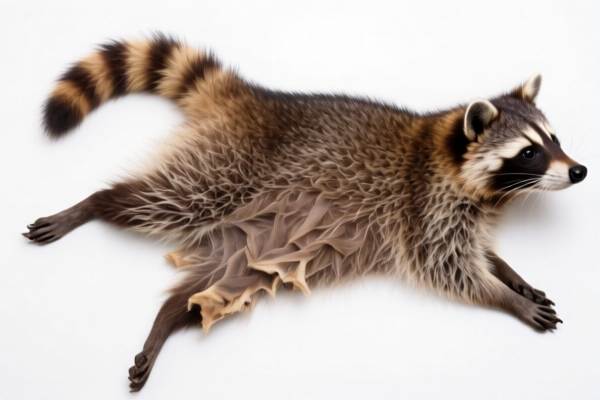
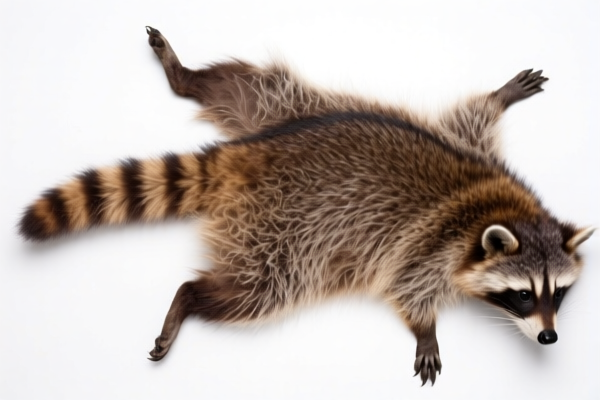
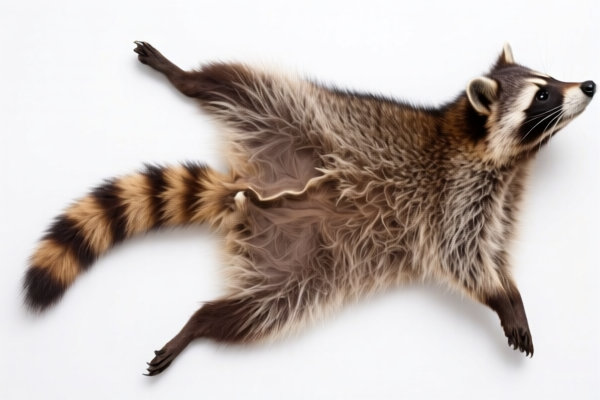
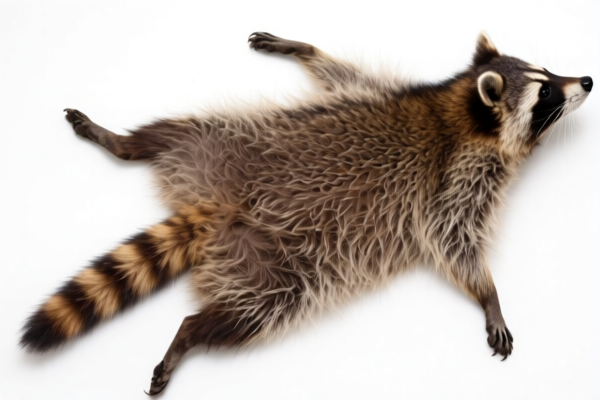
AI Analysis
🦝 Undyed Raccoon Skin (with Tail)
🌐 HS Code Reference & Customs Clearance Guide | 2026 Latest Tariff Analysis | Professional Clearance Strategy
📌 1. Product Definition & Classification: Do You Really Understand "Raw Raccoon Skins"?
Raw raccoon skins, whether or not retaining their tails, are classified under Chapter 41 of the Harmonized System (HS). The key distinction lies in whether the skins have undergone pretanning or further preparation beyond initial preservation (salting, drying, liming, etc.).
Key Classification Criteria: * Not Pretanned: Skins that are fresh, salted, dried, limed, pickled, or otherwise preserved but not tanned. * Other Raw Hides and Skins: This includes skins that do not fall under specific exclusions (like fur skins in specific states) or those excluded by Chapter 41 Note 1(b) or 1(c).
⚠️ Critical Distinction:
- If the raccoon skin is raw (preserved but not tanned/pretanned) → It falls under 4103.90.11.90 or 4103.90.20.00 depending on specific sub-category definitions.
- If the skin is tanned or further prepared (even slightly) → It may fall under Chapter 43 (Furskins), which is not covered in the provided .
- Focus: This guide strictly covers undyed, raw raccoon skins as per the provided.
📦 2. HS Code Classification Details (Based on Provided )
The provided lists two HS codes for "Other raw hides and skins... not pretanned." Here is the breakdown for Undyed Raccoon Skin (with Tail) assuming it is not pretanned:
| HS Code | Product Description | Applicability to Raccoon Skin | Tax Rate (China to US) |
|---|---|---|---|
4103.90.11.90 |
Other raw hides and skins... Other: Not pretanned | ✅ Likely Applicable if classified under "Not pretanned" sub-category. This is typically for specific raw skin types not otherwise specified. | Base: 0.0% Add-on: 7.5% Total: 7.5% |
4103.90.20.00 |
Other raw hides and skins... Other: Other: Other | ✅ Likely Applicable as a general catch-all for other raw hides/skins not pretanned. | Base: 3.3% Add-on: 7.5% Total: 10.8% |
🔍 Important Note on Constraints:
- The provided only includes these two HS codes for raw hides and skins.
- No further preparation: Ensure the skins are not tanned, parchment-dressed, or further prepared. If they are, these codes are incorrect.
- Tail Inclusion: The presence of the tail does not change the HS code in Chapter 41 for raw skins, as they are still classified as raw hides/skins.
💰 3. Detailed Tariff Rate Analysis (Based on )
✅ Applicable Country: United States (US)
✅ Origin: China (CN) (Assumed based on typical trade context, but rates apply to most origins unless specified otherwise in base rate)
✅ Effective Date: Current 2026 Tariff Schedule
🎯 1. 4103.90.11.90 —— Raw Hides and Skins, Not Pretanned
| Item | Details |
|---|---|
| Base Tariff | 0.0% |
| Additional Tariff | 7.5% |
| Total Tariff | 7.5% |
| Calculation | CIF Value × 7.5% |
| De Minimis Exemption | ❌ Not Applicable (Raw hides/skins generally do not qualify for de minimis under standard rules if over threshold, but check specific USCBP rules for value) |
📌 Explanation:
- Base Rate 0.0%: Indicates no general MFN (Most Favored Nation) duty for this specific sub-category of raw hides.
- Additional 7.5%: This is likely a Section 301 or other trade remedy tariff applied to Chinese-origin goods.
- Total Cost Impact: 7.5% of the CIF value. This is relatively low compared to manufactured goods.
🎯 2. 4103.90.20.00 —— Raw Hides and Skins, Other
| Item | Details |
|---|---|
| Base Tariff | 3.3% |
| Additional Tariff | 7.5% |
| Total Tariff | 10.8% |
| Calculation | CIF Value × 10.8% |
| De Minimis Exemption | ❌ Not Applicable |
📌 Explanation:
- Base Rate 3.3%: A standard MFN duty for "other" raw hides/skins.
- Additional 7.5%: Same trade remedy tariff as above.
- Total Cost Impact: 10.8% of the CIF value.⚠️ Critical Decision Point:
- You must determine whether your raccoon skins fall under 4103.90.11.90 ("Not pretanned" specific) or 4103.90.20.00 ("Other").
- Recommendation: If there is ambiguity, consult a customs broker. However, 4103.90.11.90 offers a lower tax rate (7.5% vs 10.8%). If your product qualifies as "Not pretanned" under the specific definition for this sub-code, choose it.
🛠️ 4. Customs Clearance Practical Advice (Real-World Pitfall Avoidance)
✅ 1. Required Documentation Checklist (Must-Haves)
| Document | Mandatory? | Description |
|---|---|---|
| ✅ Commercial Invoice | ✔️ | Must clearly state: "Undyed Raccoon Skin (with Tail), Raw, Not Pretanned." |
| ✅ Packing List | ✔️ | Detail weight, quantity, and packaging type. |
| ✅ Certificate of Origin | ✔️ | Proof of origin (e.g., China) to apply correct additional tariffs. |
| ✅ Processing Statement | ✔️ | Explicitly state: "Skins are raw, preserved, and not tanned, limed beyond preservation, or pretanned." |
| ✅ Product Photos | ✔️ | Show raw state, no dye, no tanning finish. |
| ✅ FDA/USDA Forms | ✔️ | If applicable for animal products, ensure all veterinary and phytosanitary requirements are met. |
✅ 2. Declaration Tips (Key Rules)
🔥 "Raw is Raw, Pretanned is Tanned! Name it Right!"
| Scenario | Correct HS Code | Incorrect HS Code | Consequence |
|---|---|---|---|
| Raw, salted, undyed raccoon skin | 4103.90.11.90 or 4103.90.20.00 |
4302.99.00 (Tanned) |
Under-declaration of tax if tanned, or misclassification if raw. |
| Tanned, dyed raccoon fur | Not in (Likely Ch 43) | 4103.90.11.90 |
Severe penalty for misclassification. Chapter 43 has different rates. |
| Skins with residual tanning chemicals | Not in (Likely Ch 43) | 4103.90.11.90 |
Misclassification if "pretanned." |
📌 Key Advice:
- Do NOT describe as "Fur Coating Material" or "Tanned Skin" if they are raw.
- Be precise: Use "Raw Raccoon Skin, Salted/Dried, Not Pretanned."
- Tail: Mention "with tail" in the description, but it does not change the HS code in Chapter 41.
✅ 3. Special Cases
| Case | Handling Advice |
|---|---|
| OEM Custom Skins | Provide design specs if any, but emphasize raw state. |
| Mixed Shipments | If shipment contains both raw and tanned skins, separate declarations are required. Do not mix. |
| USDA/FDA Requirements | Ensure compliance with import restrictions on animal products. Some raw skins may require prior approval. |
| Country of Origin | If not China, the 7.5% additional tariff may not apply. Verify MFN rates for your origin. |
🌍 5. Global Market Comparison (2026 Latest)
| Country/Region | Recommended HS Code | Tariff (China Origin) | Notes |
|---|---|---|---|
| 🇺🇸 USA | 4103.90.11.90 |
7.5% (Base 0% + Add-on 7.5%) | Best option if applicable. |
| 🇨🇳 China | 4103.90.11.90 |
Varies | Import duty into China for raw skins may differ. |
| 🇪🇺 EU | 4103.90.90 |
Varies | EU classification may differ; check TARIC. |
| 🇬🇧 UK | 4103.90.90 |
Varies | Post-Brexit tariff schedule may apply. |
📌 Conclusion:
- USA is the primary market here.
- Tariff Impact: 7.5% to 10.8% is moderate. Compare this to Chapter 43 (tanned furs), which may have higher or lower rates depending on origin and treaties.
- Accuracy is Key: Misclassifying raw skins as tanned (Ch 43) can lead to higher duties or rejections if permits are missing.
📌 6. Common Errors & Pitfalls (Blood Lessons)
❌ Error 1: Declaring raw skins as "Tanned Raccoon Fur"
👉 Consequence: Wrong HS Code (Ch 43), potential higher taxes, and permit violations if USDA/FDA requirements are not met for tanned vs. raw.
❌ Error 2: Not specifying "Not Pretanned"
👉 Consequence: Customs may assume "Other" (4103.90.20.00) and charge 10.8% instead of 7.5%.
❌ Error 3: Ignoring Tail Presence
👉 Consequence: Minor, but must be declared. Tail adds weight and value. Ensure it is included in CIF value.
❌ Error 4: Mixing Raw and Tanned Skins in One Shipment
👉 Consequence: Customs Seizure or Delay. Separate shipments for different classifications.
✅ Correct Practice:
"Undyed Raccoon Skins, Raw, Preserved (Salted/Dried), Not Pretanned, with Tail, 50 Pieces, CIF $10,000"
🎯 7. Conclusion: Precision in Classification, Savings in Costs!
🎯 Remember:
🔹 "Raw is Raw! Don't Tannify!"
🔹 "7.5% vs 10.8%: Choose4103.90.11.90if Applicable!"
🔹 "Customs Checks for Pretanning: Be Honest and Precise!"
📌 Pro Tip:
If your raccoon skins are tanned, dyed, or further prepared, they likely fall under Chapter 43 (e.g., 4302.99.00), which is not covered in the provided . Consult a customs broker for Chapter 43 codes.
📣 Immediate Action:
📞 Verify with Customs Broker: Confirm if your specific raccoon skins qualify for
4103.90.11.90(7.5%) or4103.90.20.00(10.8%).
🚀 Clearance Efficiency: Accurate declaration saves time and money.
💼 Your Profit Margin Depends on Correct Tariff Application!
✨ Professional Clearance Starts with Accurate Classification!
💼 Every Percent Saved is Pure Profit!
Customer Reviews
About HS Code Classification
The Harmonized System (HS) is an internationally standardized nomenclature developed by the World Customs Organization (WCO) to classify traded products. Over 200 countries use the HS system as the basis for customs tariffs, trade statistics, and import/export regulations.
Each HS code follows a hierarchical structure:
- Chapter (2 digits) — Broad category of goods (e.g., Chapter 84: Machinery and Mechanical Appliances)
- Heading (4 digits) — More specific grouping within the chapter
- Subheading (6 digits) — Internationally standardized breakdown, used by all WCO member countries
- National subdivisions (8-10 digits) — Country-specific extensions for further classification, such as US HTSUS 10-digit codes
Correct HS code classification is essential for smooth customs clearance, accurate duty payment, and compliance with trade regulations. Misclassification can lead to customs delays, overpayment of duties, or penalties.
When importing from CN to US, the applicable tariff rates may include:
- Most-Favored-Nation (MFN) rate — The standard duty rate applied to WTO members
- General rate — Applied to countries without trade agreements
- Trade remedy duties — Additional tariffs such as Section 301 (anti-dumping), Section 232 (national security), or countervailing duties
The information provided on this page is for reference purposes only. For official classification, please consult with your local customs authority or a licensed customs broker.