Unexposed Photographic Film Roll
CN → US| HS Code | Tariff Rate | Origin | Destination | Doc |
|---|---|---|---|---|
| 3707903290 | 35.0% | CN | US | Official Doc |
| 3701996060 | 35.0% | CN | US | Official Doc |
| 3702320160 | 38.7% | CN | US | Official Doc |
| 3707100090 | 38.0% | CN | US | Official Doc |
| 3702390100 | 38.7% | CN | US | Official Doc |
Product Images

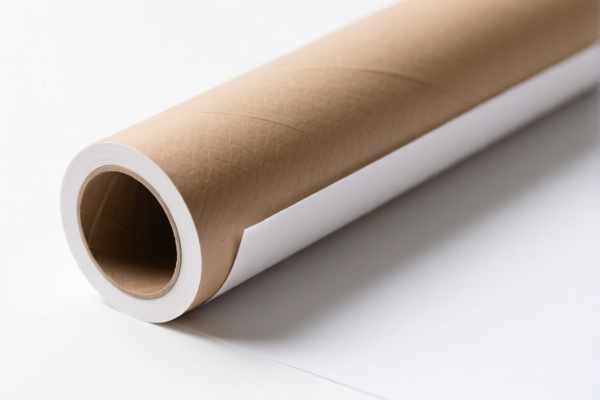
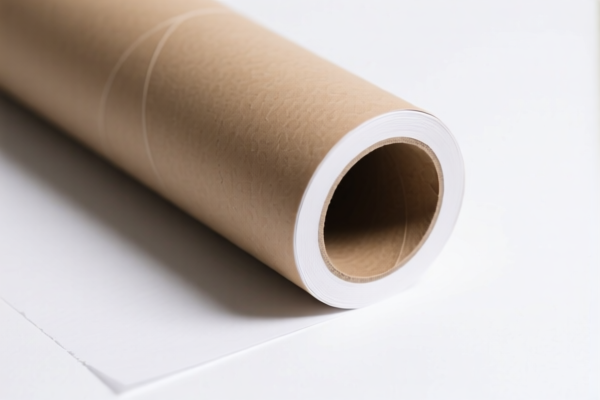
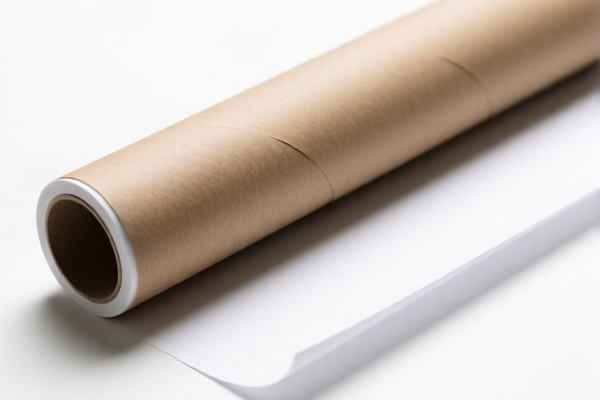
AI Analysis
🎞️ Unexposed Photographic Film Roll (未曝光胶卷)
🌐 HS Code Reference & Customs Clearance Guide | 2026 Latest Tariff Analysis | Professional Clearance Strategy
📌 I. Product Definition & Classification: Do You Really Understand "Unexposed Film"?
Unexposed photographic film is the core medium for traditional photography, medical imaging, and industrial inspection. In international trade, it is categorized based on its chemical composition, physical structure (perforated vs. non-perforated), and specific photographic application.
Key Distinction Points: * Photographic Preparations (HS 3707): Refers to chemical emulsions or preparations before they are coated onto a support material, or specific photographic aids. * Photographic Plates & Film (HS 3701/3702): Refers to the actual physical roll or sheet containing the light-sensitive emulsion on a base (plastic, paper, textile). * B&W vs. Color: Black & White (B&W) film often has different tax treatments compared to Color film due to base materials and emulsion complexity.
⚠️ Critical Classification Rule:
- If the product is a chemical emulsion not yet coated on a base → HS 3707
- If the product is B&W film with specific halogen silver content → Check HS 3702 subheadings
- If the product is general unexposed film (color or specific materials) → HS 3701 or HS 3702 depending on base material
📦 II. HS Code Classification Details (2026 Latest Tariff Authority Comparison)
The following HS Codes are derived from the provided data. They cover various types of unexposed film and photographic preparations.
| HS Code | Product Description | Classification Logic | Key Characteristics |
|---|---|---|---|
3707.90.32.90 |
Unexposed B&W Film (Other Preparations) | Classified as "Other" photographic preparations. | Note: The summary suggests this may refer to specific chemical preparations or specialized B&W film variants归类为“其他类别”. |
3701.99.60.60 |
Unexposed Film (Photographic Material) | Classified as "Photographic Material" with "Unexposed" attribute. | Generic unexposed film, fits under "Other materials". |
3702.32.01.60 |
Unexposed B&W Film (Halogen Silver, Non-Perforated) | Specifically for B&W film containing halogen silver emulsion, non-perforated. | High precision classification for B&W roll film without perforations. |
3707.10.00.90 |
B&W Film (Photographic Sensitizing Emulsion) | Classified under "Photographic Sensitizing Emulsions". | Specifically for emulsions or B&W film treated as sensitizing agents. |
3702.39.01.00 |
Unexposed Film (Other, Non-paper/Cardboard/Textile Base) | Classified as "Other Film" not made of paper, cardboard, or textile. | Likely plastic or acetate-based film, excluding paper-based photographic paper. |
🔍 Key Reminder:
- HS 3702 is generally for Roll Film (photographic film rolls).
- HS 3707 is for Chemical Preparations/Emulsions. Ensure your product is physically a "roll" and not a liquid/chemical container if aiming for 3702.
- Base Material Matters: If the film is on paper base, it might be classified differently (often as photographic paper, not film roll). The provided HS codes3702.39.01.00explicitly exclude paper/cardboard/textile bases.
💰 III. 2026 Latest Tariff Rate Detail (Including Additional Taxes & Policy Surcharges)
✅ Applicable Country: USA (US)
✅ Origin: China (CN)
✅ Effective Date: From November 10, 2025 (Including subsequent imports)
✅ General Trend: High tariff burden due to Section 301 and IEEPA.
🎯 1. 3707.90.32.90 —— Other Photographic Preparations (Unexposed)
| Item | Content |
|---|---|
| Base Duty Rate | 0.0% (ad valorem) |
| Section 301 Surcharge (USITC) | +25.0% (From USITC Footnote regarding China imports) |
| Section 122/IIEPA Surcharge | +10.0% (Specific tariff for China/HK products) |
| Total Tax Rate | 35.0% |
| Tax Calculation | CIF Value × 35.0% |
| De Minimis Eligibility | ❌ Not Eligible (Typically denied for high-tariff HS codes from China) |
| Legal Basis Path | Base: 0% → Section 301: 25% → Section 122: 10% |
📌 Explanation:
- Although the base duty is 0%, the additional tariffs push the total to 35%.
- This is a high-cost clearance scenario. Importers must factor this into landed cost calculations.
🎯 2. 3701.99.60.60 —— Unexposed Film (Other Materials)
| Item | Content |
|---|---|
| Base Duty Rate | 0.0% (ad valorem) |
| Section 301 Surcharge (USITC) | +25.0% |
| Section 122/IIEPA Surcharge | +10.0% |
| Total Tax Rate | 35.0% |
| Tax Calculation | CIF Value × 35.0% |
| De Minimis Eligibility | ❌ Not Eligible |
| Legal Basis Path | Base: 0% → Section 301: 25% → Section 122: 10% |
📌 Note:
- Identical tax treatment to3707.90.32.90.
- Applies to generic unexposed film not specified in more detailed subheadings.
🎯 3. 3702.32.01.60 —— Unexposed B&W Film (Halogen Silver, Non-Perforated)
| Item | Content |
|---|---|
| Base Duty Rate | 3.7% (ad valorem) |
| Section 301 Surcharge (USITC) | +25.0% |
| Section 122/IIEPA Surcharge | +10.0% |
| Total Tax Rate | 38.7% |
| Tax Calculation | CIF Value × 38.7% |
| De Minimis Eligibility | ❌ Not Eligible |
| Legal Basis Path | Base: 3.7% → Section 301: 25% → Section 122: 10% |
📌 Warning:
- This is the highest tax rate in the list (38.7%).
- Applies specifically to Non-Perforated B&W film with halogen silver.
- Ensure your product is indeed non-perforated; if it has perforations, it might fall under a different (potentially cheaper) subheading, but based on the data provided, this is the rate for this specific description.
🎯 4. 3707.10.00.90 —— B&W Film (Sensitizing Emulsion)
| Item | Content |
|---|---|
| Base Duty Rate | 3.0% (ad valorem) |
| Section 301 Surcharge (USITC) | +25.0% |
| Section 122/IIEPA Surcharge | +10.0% |
| Total Tax Rate | 38.0% |
| Tax Calculation | CIF Value × 38.0% |
| De Minimis Eligibility | ❌ Not Eligible |
| Legal Basis Path | Base: 3.0% → Section 301: 25% → Section 122: 10% |
📌 Note:
- Slightly lower than3702.32.01.60but still very high.
- Classification depends on whether the product is considered an "Emulsion" or "Finished Film".
🎯 5. 3702.39.01.00 —— Unexposed Film (Other, Non-Paper/Base)
| Item | Content |
|---|---|
| Base Duty Rate | 3.7% (ad valorem) |
| Section 301 Surcharge (USITC) | +25.0% |
| Section 122/IIEPA Surcharge | +10.0% |
| Total Tax Rate | 38.7% |
| Tax Calculation | CIF Value × 38.7% |
| De Minimis Eligibility | ❌ Not Eligible |
| Legal Basis Path | Base: 3.7% → Section 301: 25% → Section 122: 10% |
📌 Warning:
- Same high rate as3702.32.01.60.
- Applies to film not made of paper, cardboard, or textile (i.e., plastic/acetate base).
- Common for standard consumer color or B&W film rolls.
🛠️ IV. Customs Clearance Practical Advice (Real-World Pitfall Avoidance)
✅ 1. Required Documentation Checklist (Mandatory)
| Document | Required | Description |
|---|---|---|
| ✅ Product Specification Sheet | ✔️ | Must detail: Film type (B&W/Color), Sensitivity (ISO), Base material, Perforation status, Length/Width. |
| ✅ Material Safety Data Sheet (MSDS) | ✔️ | Photographic chemicals may be regulated. Required for safety assessment. |
| ✅ Product Photos (Label & Roll) | ✔️ | Clear view of the brand, model, ISO speed, and "Unexposed" marking. |
| ✅ Commercial Invoice | ✔️ | Must clearly state "Unexposed Photographic Film" and not just "Film". |
| ✅ Packing List | ✔️ | Detail number of rolls, weight, and dimensions. |
| ✅ Certificate of Origin (CO) | ✔️ | If claiming any potential exemptions (rare for China-origin high-tariff goods). |
✅ 2. Declaration Tips (Key Mantra)
🔥 "Specify Base, Define Perforation, Declare Emulsion Type!"
| Scenario | Correct Declaration | Wrong Practice |
|---|---|---|
| Non-Perforated B&W Roll | 3702.32.01.60 |
Declaring as general film → 38.7% |
| Perforated B&W Roll | Check other subheadings not in list | Using 3702.32.01.60 incorrectly → Risk of penalty |
| Plastic-Based Color Film | 3702.39.01.00 or 3701.99.60.60 |
Declaring as "Paper-based" → Customs rejection |
| Chemical Emulsion (Liquid) | 3707.xxxxx |
Declaring as "Film Roll" → Misclassification |
✅ 3. Special Case Handling
| Situation | Handling Suggestion |
|---|---|
| Art Film / High-End Film | Provide detailed brand authorization and technical specs to avoid "unknown product" delays. |
| Sample Shipments | Even for samples, tariffs apply. Do not claim "De Minimis" unless the total value is extremely low and HS code allows (but most HS 3702/3707 do not). |
| Mix of Paper & Film | Split Declaration! Paper-based photographic paper is often taxed differently than plastic-based film. Do not mix them in one HS code line item. |
| Expired Film | Declare as "Unexposed" but note expiry date if asked. Customs may inspect for safety. |
🌍 V. Global Market Comparison (2026 Latest)
| Country/Region | Recommended HS Code | Est. Total Tariff (China Origin) | Certification Requirements | Notes |
|---|---|---|---|---|
| 🇺🇸 USA | 3702.39.01.00 etc. |
35.0% – 38.7% | FDA/MSDS (sometimes) | High Tariff. Section 301 + 122 applies. |
| 🇨🇳 China | 3702.39.01.00 |
~5-10% (Import Duty) | CCC (if applicable) | Lower entry barrier, but export taxes may apply. |
| 🇪🇺 EU | 3702.39.01.00 |
0-4% (Standard MFN) | REACH Compliance | No Section 301. Much cheaper than US. |
| 🇬🇧 UK | 3702.39.01.00 |
0-4% (Standard MFN) | UKCA/REACH | Post-Brexit rules apply. |
| 🇯🇵 Japan | 3702.39.01.00 |
0-3% | PSE (if electrical, not applicable) | Very low tariff. |
📌 Conclusion:
- USA is the most expensive market for importing unexposed film from China due to additional tariffs.
- EU and Japan offer significantly better tariff advantages (0-4% vs 35-38.7%).
- Consider supply chain diversification if targeting the US market heavily.
📌 VI. Common Errors & Pitfalls Guide (Lessons from Blood & Tears)
❌ Error 1: Declaring "Photographic Paper" as "Film Roll"
👉 Consequence: Misclassification, potential fines, and incorrect duty assessment. Paper base ≠ Plastic base.
❌ Error 2: Ignoring the "Perforation" status
👉 Consequence: Customs may audit and reclassify, leading to delays. B&W film with/without perforations can have different subheadings.
❌ Error 3: Assuming "De Minimis" (Section 321) applies
👉 Consequence: DO NOT TRY. HS Codes 3702/3707 are typically excluded from de minimis thresholds for Chinese goods. The 35-38% tax will still be charged, and the package may be seized.
❌ Error 4: Vague Description "Photographic Film"
👉 Consequence: Customs officers will choose the highest/default duty rate or request additional info, causing delays.
✅ Correct Practice:
"Unexposed Black & White Photographic Film, Plastic Base, Non-Perforated, ISO 400, 135-36, for Artistic Photography, Brand: [Brand], Model: [Model]"
🎯 VII. Conclusion: Professional Declaration, Cost Control, Efficiency!
🎯 Remember the Mantra:
🔹 "Base Material Defines Base, Perforation Defines Type, Tariffs are High in US!"
🔹 "35-39% is the reality for China-origin film in the US. Plan accordingly!"
📌 Pro Tip:
If your film is originally manufactured in Vietnam, Thailand, or Malaysia, you might qualify for lower tariffs or exemptions under US trade agreements (if applicable).
Recommendation:
📞 Contact a Professional Customs Broker + Provide Product Specs + Apply for Advance Ruling (Optional but recommended)
🚀 Ensure Smooth Clearance, Avoid Seizure, Maximize Profit Margins!
✨ Professional Clearance Starts with Accurate Classification!
💼 Every Percent of Tariff Counts!
Customer Reviews
About HS Code Classification
The Harmonized System (HS) is an internationally standardized nomenclature developed by the World Customs Organization (WCO) to classify traded products. Over 200 countries use the HS system as the basis for customs tariffs, trade statistics, and import/export regulations.
Each HS code follows a hierarchical structure:
- Chapter (2 digits) — Broad category of goods (e.g., Chapter 84: Machinery and Mechanical Appliances)
- Heading (4 digits) — More specific grouping within the chapter
- Subheading (6 digits) — Internationally standardized breakdown, used by all WCO member countries
- National subdivisions (8-10 digits) — Country-specific extensions for further classification, such as US HTSUS 10-digit codes
Correct HS code classification is essential for smooth customs clearance, accurate duty payment, and compliance with trade regulations. Misclassification can lead to customs delays, overpayment of duties, or penalties.
When importing from CN to US, the applicable tariff rates may include:
- Most-Favored-Nation (MFN) rate — The standard duty rate applied to WTO members
- General rate — Applied to countries without trade agreements
- Trade remedy duties — Additional tariffs such as Section 301 (anti-dumping), Section 232 (national security), or countervailing duties
The information provided on this page is for reference purposes only. For official classification, please consult with your local customs authority or a licensed customs broker.