Unexposed Sensitized Paperboard
CN → US| HS Code | Tariff Rate | Origin | Destination | Doc |
|---|---|---|---|---|
| 4823400000 | 35.0% | CN | US | Official Doc |
| 4823908680 | 35.0% | CN | US | Official Doc |
Product Images
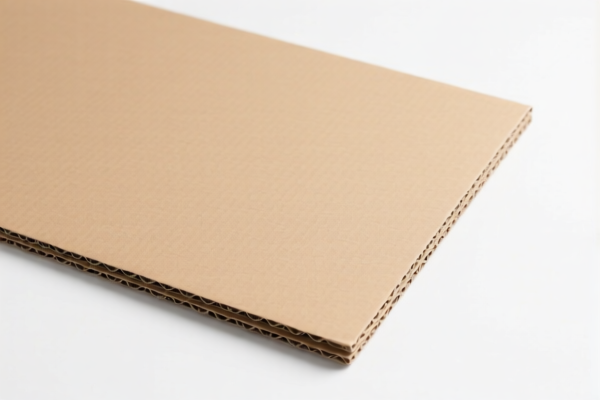
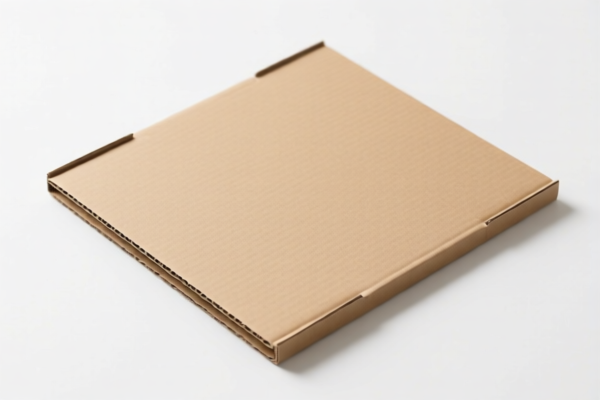
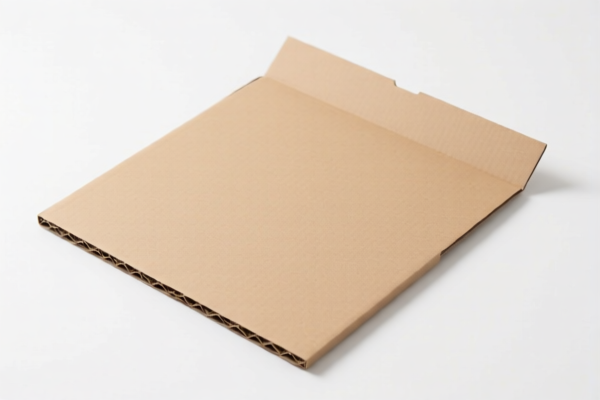
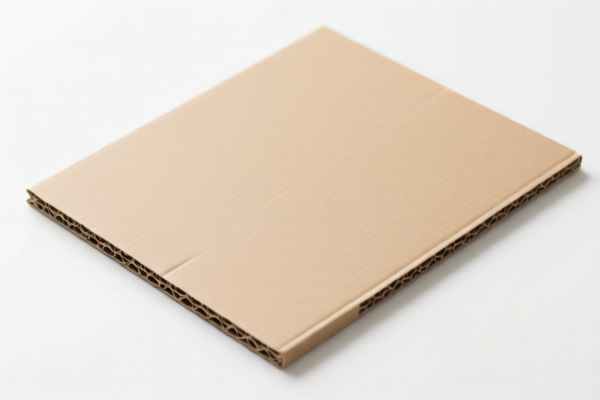
AI Analysis
📄 Unexposed Sensitized Paperboard (Chemically Prepared Paper for Imaging)
🌐 HS Code Reference & Customs Clearance Guide | 2026 Latest Tariff Analysis | Professional Entry Strategy
📌 Part 1: Product Definition & Classification: Do You Really Understand "Sensitized Paperboard"?
Unexposed Sensitized Paperboard refers to paper or paperboard that has been chemically treated (sensitized) to become responsive to light or other stimuli, typically used for creating images, blueprints, technical drawings, or specific industrial recording applications. It is not ordinary paper; it is a specialized industrial chemical product.
In international trade, it is broadly categorized under Chapter 48 (Paper and Paperboard), specifically focusing on cut-to-size shapes and specific recording uses.
⚠️ Key Distinction Point:
- If the paperboard is cut into rolls, sheets, or dials specifically for self-recording apparatus (like chart recorders, fax machines, or specific sensor dials) → It falls under 4823.40.
- If it is sensitized paperboard for other imaging purposes (like blueprints, cyanotypes, or general chemical paper) that does not fit the strict "self-recording apparatus" definition → It often falls under 4823.90 (Other articles).
- Crucial Note: The term "Unexposed" means the chemical reaction hasn't happened yet. The classification depends on the intended use and physical form (cut size vs. roll).
📦 Part 2: HS Code Classification Details (2026 Latest Tariff Authority Comparison)
| HS Code | Product Description | Applicable Scenario | Is it for Self-Recording? |
|---|---|---|---|
4823.40.00.00 |
Rolls, sheets and dials, printed for self-recording apparatus | Technical chart recorders, data loggers, specific industrial dial paper | ✅ Yes (Specific Intent) |
4823.90.86.80 |
Other paper, paperboard...: Other: Other: Other: Other: Other Other | Sensitized paper for blueprints, cyanotypes, or general chemical imaging not strictly for "self-recording dials" | ❌ No (General Imaging/Specialty) |
🔍 Key Reminder:
- 4823.40 is very specific: It requires the paper to be printed (often pre-printed with grids/scales) AND intended for self-recording apparatus (machines that automatically record data).
- 4823.90.86.80 is a "catch-all" for specialty paper articles, including sensitized paper used for photography-like processes, blueprints, or other chemical imaging, provided it doesn't fit the narrow "self-recording" definition of 4823.40.
- If your product is simply "sensitized paperboard" without being pre-printed for a specific recorder, 4823.90.86.80 is the safer, more common classification.
💰 Part 3: 2026 Latest Tariff Rate Breakdown (Including Additional Duties)
✅ Applicable Country: United States (US)
✅ Origin: China (CN)
✅ Effective Date: November 10, 2025 (and onwards)
🎯 1. 4823.40.00.00 – Rolls, Sheets, Dials for Self-Recording Apparatus
| Item | Content |
|---|---|
| Base Duty Rate | 0% (Ad Valorem) |
| USITC Additional Duty (Section 301) | +25% (From USITC Footnote 9903.88.01 or similar Chapter 48 provisions) |
| IEEPA Additional Duty | +0% (Note: Data shows 25% total, implying no extra IEEPA layer on top of 301 for this specific code in the provided data, or 301 is the sole addition) |
| Total Duty Rate | 25.0% |
| Tax Calculation | CIF Value × 25% |
| De Minimis Exemption Available? | ❌ No (Deny De Minimis) |
| Legal Basis Path | USITC:4823.40.00.00 → FOOTNOTE:9903.88.01 (or equivalent Section 301 list) |
📌 Explanation:
- The 0% base rate reflects the low traditional tariff for paper products.
- The 25% additional duty is the critical cost driver. This is typically the Section 301 tariff applied to many Chinese-made paper and paperboard products.
- Total Cost Impact: Every $10,000 of goods incurs $2,500 in duties.
🎯 2. 4823.90.86.80 – Other Sensitized Paperboard/Articles
| Item | Content |
|---|---|
| Base Duty Rate | 0% (Ad Valorem) |
| USITC Additional Duty (Section 301) | +25% |
| IEEPA Additional Duty | +0% (Based on provided data showing 25% total) |
| Total Duty Rate | 25.0% |
| Tax Calculation | CIF Value × 25% |
| De Minimis Exemption Available? | ❌ No (Deny De Minimis) |
| Legal Basis Path | USITC:4823.90.86.80 → FOOTNOTE:9903.88.01 (or equivalent Section 301 list) |
📌 Note:
- Like 4823.40, this "other" category also faces the 25% Section 301 tariff.
- This applies to sensitized papers used for blueprints, cyanotypes, or other chemical imaging processes that are not pre-printed dials for automatic recorders.
- Even though it's "other," the trade war tariffs still apply fully.
🛠️ Part 4: Customs Clearance Practical Advice (Real-World Pitfall Guide)
✅ 1. Required Documentation Checklist (Non-Negotiable)
| Document | Must Provide? | Explanation |
|---|---|---|
| ✅ Product Specification Sheet | ✔️ | Detail the chemical sensitization process, light sensitivity, and intended use. |
| ✅ Product Photos | ✔️ | Show rolls/sheets, packaging, and any markings (e.g., "Unexposed," "Sensitized"). |
| ✅ Commercial Invoice | ✔️ | Must clearly state "Unexposed Sensitized Paperboard" and HS Code. Avoid vague terms like "Paper." |
| ✅ Material Safety Data Sheet (MSDS) | ✔️ | Critical! Sensitized paper often contains chemicals. Customs and EPA require MSDS to verify no hazardous restrictions apply. |
| ✅ Declaration of Non-Use for Self-Recording | ✔️ | If using 4823.90, you may need to declare it is not for self-recording apparatus to avoid misclassification under 4823.40. |
| ✅ Packing List | ✔️ | Confirm dimensions (rolls vs. sheets) and weights. |
✅ 2. Declaration Tips (Key Mnemonic)
🔥 "Chemical Paper, Check MSDS, Use Right Code, Avoid 25% Trap!"
| Scenario | Correct Declaration | Incorrect Practice |
|---|---|---|
| Sensitized Paper for Blueprints | 4823.90.86.80 |
Misclassifying as "Office Paper" (0%) → Audit Risk |
| Pre-printed Dial for Recorder | 4823.40.00.00 |
Misclassifying as "Other Paper" → Minor Risk, but 25% applies anyway |
| Unexposed Photo Paper | 4823.90.86.80 |
Misclassifying as "4823.40" → Complexity, same tax but wrong description |
| Exposed/Dark Paper | 4823.90.86.80 |
N/A |
✅ 3. Special Cases Handling
| Situation | Handling Advice |
|---|---|
| MSDS Requirement | Sensitized papers contain light-sensitive chemicals. Always provide MSDS. If hazardous, additional EPA/FDA regulations may apply. |
| "Self-Recording" Ambiguity | If the buyer uses it for custom chart recorders, it might fall under 4823.40. However, both codes have 25% tariff, so the main risk is description accuracy, not duty savings. |
| Origin Marking | Clearly mark "Made in China" on all packages. Mislabeling origin can lead to severe penalties. |
| Chemical Restrictions | Some sensitizing agents may be regulated. Verify if the specific chemicals comply with US EPA TSCA requirements. |
🌍 Part 5: Global Market Comparison (2026 Latest)
| Country/Region | Recommended HS Code | Tariff | Certification | Notes |
|---|---|---|---|---|
| 🇺🇸 USA | 4823.90.86.80 |
25% | MSDS Required | High tariff due to Section 301. |
| 🇨🇳 China | 4823.90.86.80 |
~6-10% | None | Lower base tariff, no Section 301. |
| 🇪🇺 EU | 4823.90.86.80 |
~0-6.5% | REACH Compliance | No Section 301. REACH for chemicals. |
| 🇬🇧 UK | 4823.90.86.80 |
~0-6.5% | UK REACH | Post-Brexit rules apply. |
| 🇯🇵 Japan | 4823.90.86.80 |
~0-6% | JIS Standards | No additional tariffs. |
📌 Conclusion:
- The US market is significantly more expensive due to the 25% additional tariff.
- EU and Asia offer more favorable tax conditions, but chemical compliance (REACH/TSCA) is strict everywhere.
- Cost Advantage: Consider sourcing from non-China origins if targeting the US market to avoid the 25% tariff.
📌 Part 6: Common Errors & Pitfalls (Lessons Learned)
❌ Error 1: Declaring "Sensitized Paper" as "Copy Paper" (4802.59)
👉 Consequence: Customs Seizure or Heavy Penalties. Sensitized paper is chemically different and classified under Chapter 48.90/4823, not printing paper.
❌ Error 2: Failing to provide MSDS
👉 Consequence: Shipment Delay or Return. Customs may detain the shipment until chemical safety is verified.
❌ Error 3: Misclassifying as "4823.40" for non-recording paper
👉 Consequence: Audit Flag. While the duty is the same (25%), incorrect description can lead to fines for misdeclaration.
❌ Error 4: Ignoring Section 301 Impact
👉 Consequence: Unexpected Costs. Importers assume 0% base rate = 0% total. They fail to budget for the 25% additional duty.
✅ Correct Practice:
"Unexposed Sensitized Paperboard, for Blueprinting, Chemical Coating, Rolls/Sheets, Not for Self-Recording Apparatus, Origin: China, MSDS Provided"
🎯 Part 7: Conclusion: Precise Classification Saves Money and Time
🎯 Remember the Mnemonic:
🔹 "Sensitized Paper, Check MSDS First!"
🔹 "US Market: 25% Duty Always Applies!"
🔹 "4823.40 vs. 4823.90: Use Right Description, Same Tax Rate."
📌 Pro Tip:
If your product is not strictly for "self-recording apparatus," use 4823.90.86.80. It is the broader and safer category for most sensitized papers (blueprints, cyanotypes, etc.).
Always verify chemical compliance (TSCA in the US) before shipment.
📣 Immediate Action:
📞 Contact your Customs Broker: Provide MSDS and product photos.
📝 Apply for Advance Ruling: If unsure, request a binding ruling from CBP to confirm HS Code.
💡 Budget for 25% Duty: Ensure your pricing model includes the full 25% US tariff.
✨ Professional Clearance Starts with Accurate Classification!
💼 Every Percent Counts in Logistics!
Customer Reviews
About HS Code Classification
The Harmonized System (HS) is an internationally standardized nomenclature developed by the World Customs Organization (WCO) to classify traded products. Over 200 countries use the HS system as the basis for customs tariffs, trade statistics, and import/export regulations.
Each HS code follows a hierarchical structure:
- Chapter (2 digits) — Broad category of goods (e.g., Chapter 84: Machinery and Mechanical Appliances)
- Heading (4 digits) — More specific grouping within the chapter
- Subheading (6 digits) — Internationally standardized breakdown, used by all WCO member countries
- National subdivisions (8-10 digits) — Country-specific extensions for further classification, such as US HTSUS 10-digit codes
Correct HS code classification is essential for smooth customs clearance, accurate duty payment, and compliance with trade regulations. Misclassification can lead to customs delays, overpayment of duties, or penalties.
When importing from CN to US, the applicable tariff rates may include:
- Most-Favored-Nation (MFN) rate — The standard duty rate applied to WTO members
- General rate — Applied to countries without trade agreements
- Trade remedy duties — Additional tariffs such as Section 301 (anti-dumping), Section 232 (national security), or countervailing duties
The information provided on this page is for reference purposes only. For official classification, please consult with your local customs authority or a licensed customs broker.