Unfinished Wood
CN → US| HS Code | Tariff Rate | Origin | Destination | Doc |
|---|---|---|---|---|
| 4403210130 | 35.0% | CN | US | Official Doc |
| 4403220120 | 35.0% | CN | US | Official Doc |
| 4403420000 | 35.0% | CN | US | Official Doc |
| 4403490200 | 35.0% | CN | US | Official Doc |
| 4418999195 | 38.2% | CN | US | Official Doc |
Product Images
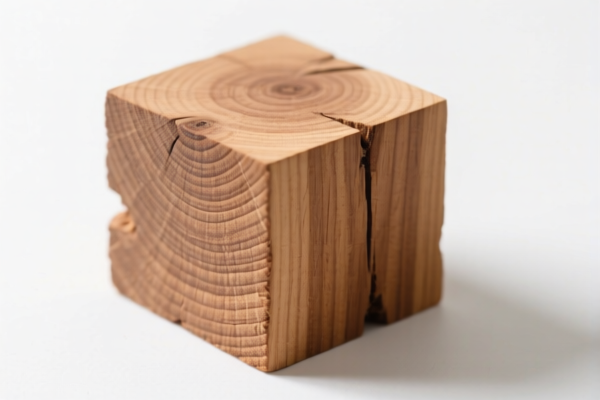
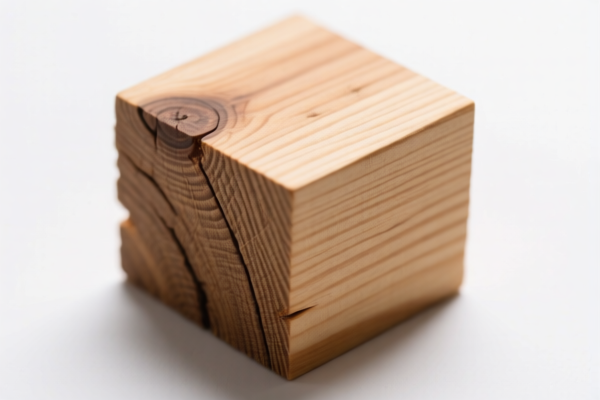
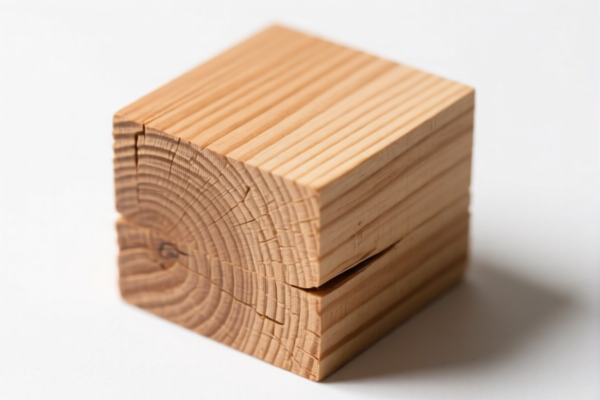
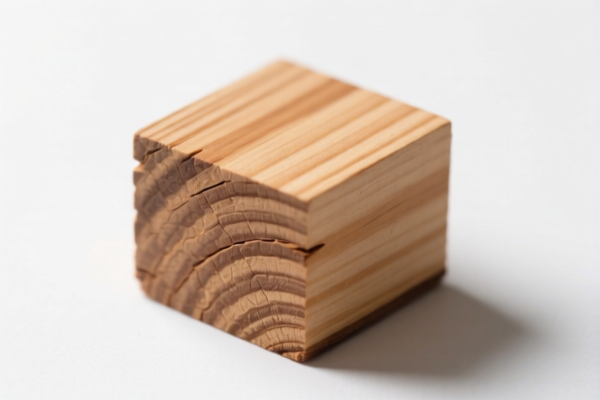
AI Analysis
🌲 Unfinished Wood (Raw Timber & Logs)
🌐 HS Code Reference & Clearance Guide | 2026 Latest Tariff Analysis | Special Focus on US-China Trade Restrictions
📌 I. Product Definition & Classification: What is "Unfinished Wood"?
In international trade, "Unfinished Wood" primarily refers to timber that has undergone minimal processing. It is generally categorized into two main forms:
1. Raw Logs/Timbers (Logs/Square Timbers):
Wood that has been felled, debarked (or partly debarked), and optionally cut to length, but has not been sawn, planed, or further processed.
2. Roughly Shaped Wood:
Wood that has been roughly squared, edged, or shaped (e.g., "coarse wood") but still retains its natural characteristics and has not been planed, glued, or assembled into components.
⚠️ Key Distinction Point:
- If the wood is unprocessed logs (round or roughly cut) → Classified under 4403 (Wood in the rough).
- If the wood is processed into construction elements (like beams, planks, or building materials) but still "unfinished" → Classified under 4418 (Builders' joinery and carpentry).
- Crucial Warning: All items listed below are subject to heavy additional tariffs (35%–38.2%) due to US-China trade disputes (Section 301 & Section 122).
📦 II. HS Code Classification Details (2026 Latest Tariff Authority Cross-Reference)
| HS Code | Product Description | Applicable Scenario | Processing State |
|---|---|---|---|
4403.21.01.30 |
Unfinished Pine Logs (Pine wood) | Raw pine logs, debarked or not, round or roughly cut | 🪵 Raw/Unprocessed |
4403.22.01.20 |
Unfinished Pine Rough Wood | Pine wood, roughly squared or edged, not planed | 🔨 Roughly Shaped |
4403.42.00.00 |
Unfinished Teak Logs | Raw teak logs, primary form | 🌳 Raw/Exotic |
4403.49.02.00 |
Unfinished Tropical Wood (Teak/Other) | Tropical woods (including teak), roughly shaped | 🌴 Roughly Shaped/Tropical |
4418.99.91.95 |
Unfinished Paulownia Wood (Construction) | Paulownia wood, used as primary building material components | 🏗️ Construction Component |
🔍 Critical Reminder:
- Species Matters: Pine (4403.21/22), Teak/Tropical (4403.42/49), and Paulownia (4418.99) have different HS codes.
- "Unfinished" Means Minimal Processing: If the wood is sawn into planks, planed, or glued, it may fall under different chapters (e.g., 4407 for sawn wood, 4412 for plywood). These codes are strictly for logs and rough timber.
💰 III. 2026 Latest Tariff Rate Detailed Breakdown (Including Surtaxes & Policy Add-ons)
✅ Applicable Country: United States (US)
✅ Country of Origin: China (CN)
✅ Effective Date: Ongoing (including imports post-2025)
🎯 1. Pine Logs & Rough Wood (4403.21.01.30 & 4403.22.01.20)
| Item | Content |
|---|---|
| Base Tariff Rate | 0.0% (ad valorem) |
| Additional Tariff (Sec. 301) | +25.0% (Section 301 tariffs on Chinese goods) |
| Section 122 Tariff | +10.0% (Specific tariff on certain wood products under Section 122) |
| Total Effective Rate | 35.0% |
| Tax Calculation | CIF Value × 35% |
| De Minimis Exemption Available? | ❌ NO (High-risk goods, subject to strict scrutiny) |
| Legal Pathway | USITC:4403.21.01.30 → Section 301:25% → Section 122:10% |
📌 Explanation:
- Base Rate 0%: Most logs have low base tariffs to support US construction/materials.
- +25% Sec. 301: This is the major hit from the US-China trade war.
- +10% Sec. 122: This is a specific levy on certain raw wood materials.
- Total 35%: This is a significant cost increase. Importers must factor this into their landed cost.
🎯 2. Teak & Tropical Wood (4403.42.00.00 & 4403.49.02.00)
| Item | Content |
|---|---|
| Base Tariff Rate | 0.0% |
| Additional Tariff (Sec. 301) | +25.0% |
| Section 122 Tariff | +10.0% |
| Total Effective Rate | 35.0% |
| Tax Calculation | CIF Value × 35% |
| De Minimis Exemption Available? | ❌ NO |
| Legal Pathway | USITC:4403.42.00.00 → Section 301:25% → Section 122:10% |
📌 Note:
- Teak and tropical woods are high-value materials. The 35% total tariff applies equally.
- Even if the wood is "roughly shaped" (4403.49.02.00), it is still subject to the same surtaxes as raw logs.
🎯 3. Unfinished Paulownia Construction Wood (4418.99.91.95)
| Item | Content |
|---|---|
| Base Tariff Rate | 3.2% |
| Additional Tariff (Sec. 301) | +25.0% |
| Section 122 Tariff | +10.0% |
| Total Effective Rate | 38.2% |
| Tax Calculation | CIF Value × 38.2% |
| De Minimis Exemption Available? | ❌ NO |
| Legal Pathway | USITC:4418.99.91.95 → Section 301:25% → Section 122:10% |
📌 Important:
- Paulownia is often used for lightweight construction. Because it is classified as a "builder's joinery/carpentry" item (4418) rather than raw timber (4403), it has a higher base rate (3.2%).
- Total Rate 38.2%: This is the highest tariff among the listed items.
🛠️ IV. Customs Clearance Practical Advice (Real-World Pitfall Avoidance Guide)
✅ 1. Required Documentation Checklist (None Missing)
| Document | Mandatory | Explanation |
|---|---|---|
| ✅ Species Declaration | ✔️ | Must specify exact species (e.g., "Pinus spp." for Pine, "Tectona grandis" for Teak). Generic "wood" is rejected. |
| ✅ Phytosanitary Certificate | ✔️ | Essential for all wood products to prove no pests/diseases (ISPM 15 standard if packaged). |
| ✅ Commercial Invoice | ✔️ | Must clearly state: "Unfinished Wood," HS Code, CIF Value, and Country of Origin (China). |
| ✅ Packing List | ✔️ | Detailed description of each package, weight, and dimensions. |
| ✅ Fumigation Certificate | ✔️ | If wood is not ISPM 15 compliant, fumigation proof is required. |
| ✅ Proof of Origin | ✔️ | Critical for verifying Chinese origin to apply correct surtaxes. |
✅ 2. Declaration Tips (Key Mantras)
🔥 “Species Specific, Process Clear, No Hidden Glue, Tax Avoided!”
| Situation | Correct Declaration | Wrong Practice |
|---|---|---|
| Raw Pine Logs | 4403.21.01.30 - "Unfinished Pine Logs" |
Declaring as "Building Materials" → Higher scrutiny |
| Rough Pine Squares | 4403.22.01.20 - "Unfinished Pine Rough Wood" |
Declaring as "Sawn Wood" → Wrong HS Code (4407) |
| Teak Logs | 4403.42.00.00 - "Unfinished Teak Logs" |
Declaring as "Tropical Wood" → Too vague |
| Paulownia Beams | 4418.99.91.95 - "Unfinished Paulownia Construction Parts" |
Declaring as "Raw Wood" → Wrong HS Code (4403) |
📌 Note:
- "Unfinished" is Key: If the wood is painted, varnished, or glued, it is no longer "unfinished" and may fall under different codes with different tariffs.
- Avoid Vague Terms: Never use "Wood" alone. Use "Unfinished Pine Logs" or "Rough Teak Timber."
✅ 3. Special Case Handling
| Situation | Handling Advice |
|---|---|
| Mixed Shipments | If a container has both Pine and Teak, they must be declared separately with distinct HS Codes. |
| ISPM 15 Marking | Ensure all wood pallets/crates are marked with the ISPM 15 logo. Unmarked pallets will be rejected or re-exported. |
| Origin Evasion | Do not misdeclare Chinese wood as "Vietnamese" or "Malaysian" to avoid tariffs. US Customs performs strict origin verification. Penalties include fraud charges. |
| Paulownia Special | Since Paulownia has a higher base rate, ensure you are not under-declaring its value. The 38.2% total rate is non-negotiable for Chinese origin. |
🌍 V. Global Market Clearance Comparison (2026 Latest)
| Country/Region | Recommended HS Code | Tariff (Chinese Origin) | Certification Requirements | Notes |
|---|---|---|---|---|
| 🇺🇸 USA | 4403.21.01.30 etc. |
35% - 38.2% | Phytosanitary, ISPM 15 | Highest tariffs due to Sec. 301 & 122 |
| 🇨🇳 China | 4403.21.01.30 etc. |
5% - 15% (Import Duty) | Phytosanitary | Low import tariffs for raw wood |
| 🇪🇺 EU | 4403.21.00.00 etc. |
0% - 3% (if FLEGT) | FLEGT, Phytosanitary | Strict EUTR regulations for tropical wood |
| 🇦🇺 Australia | 4403.21.00.00 etc. |
5% | Biosecurity Clearance | Strict biosecurity inspections |
| 🇯🇵 Japan | 4403.21.00.00 etc. |
3.2% | Phytosanitary | No additional surtaxes for wood |
📌 Conclusion:
- USA is the most expensive market for unfinished wood from China due to 35%-38.2% total tariffs.
- China, EU, Japan, and Australia have significantly lower or no additional surtaxes on raw wood.
- Strategy: If targeting the US market, consider sourcing wood from non-China origins (e.g., Southeast Asia, South America) to avoid Section 301 and Section 122 tariffs.
📌 VI. Common Errors & Pitfall Guide (Blood & Tears Lessons)
❌ Error 1: Declaring "Paulownia Construction Parts" as "Raw Logs"
👉 Consequence: Wrong HS Code (4403 vs 4418). Base rate is higher for 4418. Penalties for misdeclaration.
❌ Error 2: Ignoring Section 122 Tariff
👉 Consequence: You calculate 25% (Sec. 301) but forget the 10% (Sec. 122). Underpayment by 10%, leading to audits, fines, and back-taxes.
❌ Error 3: Vague Species Description ("Tropical Wood")
👉 Consequence: Customs cannot verify if it's Teak (4403.42) or other tropical wood (4403.49). Hold for further inspection, delaying shipment by weeks.
❌ Error 4: Using Non-ISPM 15 Pallets
👉 Consequence: Entire container rejected at US port. Re-export or destruction costs exceed the value of the goods.
✅ Correct Approach:
"Unfinished Pine Logs, Debarked, Pinus spp., HS 4403.21.01.30, Origin China, Fumigated, ISPM 15 Compliant"
🎯 VII. Conclusion: Professional Declaration, Cost Control, Efficient Clearance
🎯 Remember Mantra:
🔹 "Species Specific, Process Clear, No Hidden Glue, Tax Avoided!"
🔹 "US Market: 35% Min, Check Sec. 301 & 122, Avoid Misdeclaration!"
🔹 "Paulownia: Higher Base Rate, Total 38.2%, Be Precise!"
📌 Pro Tip:
If your unfinished wood is sourced from Vietnam, Thailand, or Brazil, you can avoid the 25% Sec. 301 tariff. The total tariff may drop to 10% (Sec. 122 only) or even 0% depending on the specific HS code and FTAs.
Recommendation: Diversify supply chain outside China for US-bound wood products to save 25% in costs.
📣 Immediate Action:
📞 Contact a professional customs broker + Provide Species Declaration + Phytosanitary Certificate
🚀 Let your unfinished wood pass US customs smoothly, control costs, and maximize profit!
✨ Professional Clearance Starts with Accurate Classification!
💼 Your Every Dollar of Tariff is Worth Precise Calculation!
Customer Reviews
About HS Code Classification
The Harmonized System (HS) is an internationally standardized nomenclature developed by the World Customs Organization (WCO) to classify traded products. Over 200 countries use the HS system as the basis for customs tariffs, trade statistics, and import/export regulations.
Each HS code follows a hierarchical structure:
- Chapter (2 digits) — Broad category of goods (e.g., Chapter 84: Machinery and Mechanical Appliances)
- Heading (4 digits) — More specific grouping within the chapter
- Subheading (6 digits) — Internationally standardized breakdown, used by all WCO member countries
- National subdivisions (8-10 digits) — Country-specific extensions for further classification, such as US HTSUS 10-digit codes
Correct HS code classification is essential for smooth customs clearance, accurate duty payment, and compliance with trade regulations. Misclassification can lead to customs delays, overpayment of duties, or penalties.
When importing from CN to US, the applicable tariff rates may include:
- Most-Favored-Nation (MFN) rate — The standard duty rate applied to WTO members
- General rate — Applied to countries without trade agreements
- Trade remedy duties — Additional tariffs such as Section 301 (anti-dumping), Section 232 (national security), or countervailing duties
The information provided on this page is for reference purposes only. For official classification, please consult with your local customs authority or a licensed customs broker.