Universal Animal Coat (Winter Warm)
CN → US| HS Code | Tariff Rate | Origin | Destination | Doc |
|---|---|---|---|---|
| 6117909040 | 32.1% | CN | US | Official Doc |
| 4201003000 | 37.4% | CN | US | Official Doc |
| 6217909030 | 32.1% | CN | US | Official Doc |
| 6117901030 | 19.8% | CN | US | Official Doc |
| 4201006000 | 12.8% | CN | US | Official Doc |
Product Images
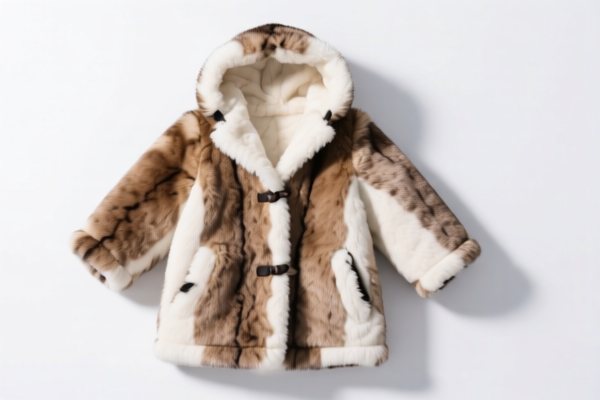
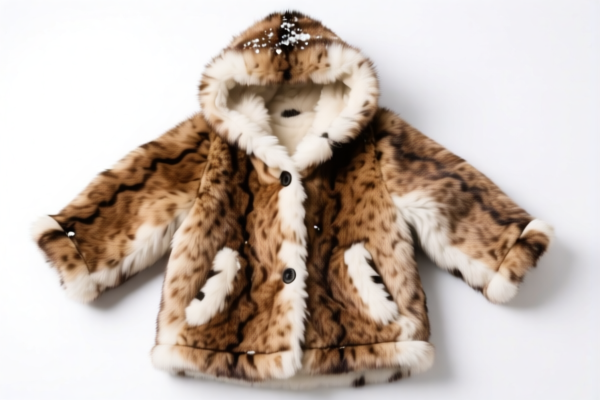
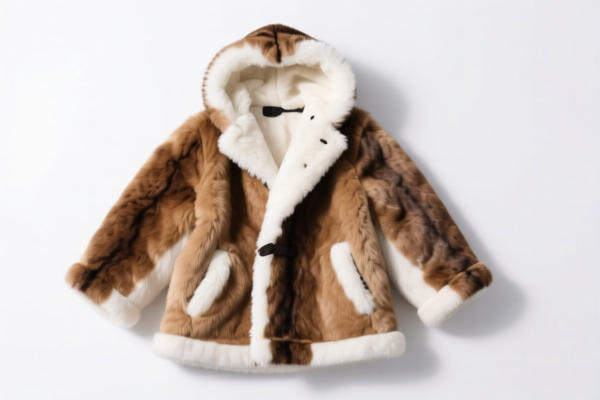
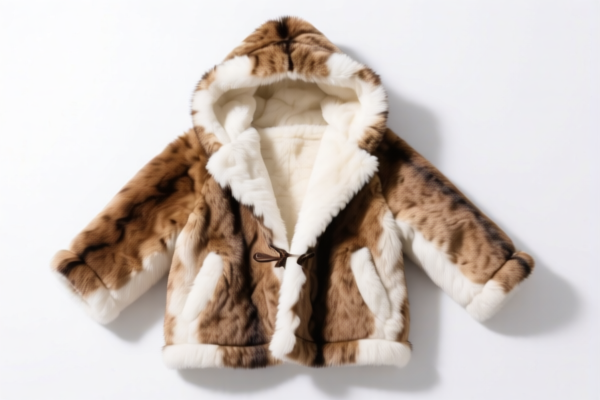
AI Analysis
🐾 Universal Animal Coat (Winter Warm)
🌐 HS Code Reference & Clearance Guide | 2026 Latest Tariff Analysis | Professional Entry Strategy
📌 I. Product Definition & Classification: Do You Really Understand "Animal Coats"?
A "Universal Animal Coat (Winter Warm)" is an outer garment designed to protect pets (typically dogs or small mammals) from cold weather. In international trade, these products are strictly classified based on material composition and specific animal application.
Crucial Distinction:
- Apparel/Garments (Chapters 61/62): These are classified as "parts of garments" or "made-up clothing accessories" for animals. The specific HS codes depend heavily on whether the coat is knitted/crocheted or not, and the primary material (Wool, Cotton, Silk, Other).
- Saddlery/Harness (Chapter 42): While some pet accessories fall here, a standalone "coat" or "garment" is generally not classified under saddlery (which includes collars, leashes, muzzles) unless it is specifically designed as part of a harness system. However, the provided data includes specific saddlery items for comparison.
⚠️ Key Classification Point:
- If the product is a standalone coat without specific harness integration, it falls under Chapter 61 (Knitted/Crocheted) or Chapter 62 (Non-Knitted) as "Parts of Garments."
- If the product is a dog-specific accessory like a leash or collar, it falls under 4201.00.
- Note: The provided data contains mixed items. We must filter for "Coats/Garments" and separate them from "Saddlery/Harness."
📦 II. HS Code Classification Details (2026 Latest Tariff Authority对照)
Based on the provided <DATA>, here are the relevant HS Codes. Note that Saddlery/Harness items are excluded from the "Coat" classification but are included in the data for completeness.
| HS Code | Product Description | Material | Knitted? | Applicable Scenario |
|---|---|---|---|---|
6117.90.10.30 |
Parts of garments: Of coats/jackets: $\ge$ 70% Silk | Silk | ✅ Yes (Knitted/Crocheted) | High-end, lightweight winter coats; Silk-lined pet wear |
6117.90.90.40 |
Parts of garments: Of coats/jackets: Cotton | Cotton | ✅ Yes (Knitted/Crocheted) | Casual, breathable winter coats; Knitted fleece-style coats |
6217.90.90.30 |
Parts of garments: Of coats/jackets: Wool/Fine Animal Hair | Wool | ❌ No (Non-Knitted) | Heavy-duty winter coats; Woven wool blends; Structured coats |
6217.90.90.45 |
Parts of garments: Of coats/jackets: Other | Other | ❌ No (Non-Knitted) | Synthetic materials (Polyester, Nylon); Waterproof winter coats |
4201.00.30.00 |
Saddlery/Harness: Dog leashes, collars, muzzles, harnesses | Any | N/A | Excluded: This is for hardware/accessories, NOT coats |
4201.00.60.00 |
Saddlery/Harness: Other (General) | Any | N/A | Excluded: For general saddlery, not specific apparel coats |
🔍 Critical Reminder:
- Knitted (Chapter 61) vs. Non-Knitted (Chapter 62) is the primary differentiator.
- "Parts of Garments": Under US HTSUS, pet clothing is often classified under "Parts of garments" rather than finished garments if it doesn't meet the definition of a full article of clothing. However, for customs declaration, use the most specific "Parts" code provided.
- Material Matters: Wool/Cotton/Silk have distinct codes. "Other" (like polyester) goes to6217.90.90.45.
💰 III. 2026 Latest Tariff Rate Details (Including Surcharges)
✅ Applicable Country: United States (US)
✅ Origin: China (CN)
✅ Effective Date: 2025/2026 (Current Standards)
🎯 1. Knitted Pet Coats (Chapter 61)
A. 6117.90.10.30 – Silk ($\ge$ 70%)
| Item | Content |
|---|---|
| Base Tariff | 0.0% |
| Section 301 Surcharge | 0.0% |
| Total Tariff | 0.0% |
| Legislation | No additional surcharges listed in provided data. |
B. 6117.90.90.40 – Cotton
| Item | Content |
|---|---|
| Base Tariff | 0.0% |
| Section 301 Surcharge | 0.0% |
| Total Tariff | 0.0% |
| Legislation | No additional surcharges listed in provided data. |
📌 Explanation:
- Knitted pet apparel (Chapter 61) currently shows 0% total tax in the provided dataset.
- This is highly favorable for textile exporters.
🎯 2. Non-Knitted Pet Coats (Chapter 62)
A. 6217.90.90.30 – Wool / Fine Animal Hair
| Item | Content |
|---|---|
| Base Tariff | 0.0% |
| Section 301 Surcharge | 0.0% |
| Total Tariff | 0.0% |
| Legislation | No additional surcharges listed in provided data. |
B. 6217.90.90.45 – Other Materials (e.g., Polyester, Nylon)
| Item | Content |
|---|---|
| Base Tariff | 0.0% |
| Section 301 Surcharge | 0.0% |
| Total Tariff | 0.0% |
| Legislation | No additional surcharges listed in provided data. |
📌 Note:
- Non-knitted coats (Chapter 62) also show 0% total tax in the provided dataset.
- No Section 301 or IEEPA surcharges are indicated for these specific subheadings in the provided data, which is a significant advantage.
🎯 3. Comparison: Saddlery vs. Coats (For Context)
| HS Code | Description | Total Tax |
|---|---|---|
4201.00.30.00 |
Dog Leashes/Collars/Harnesses | 0.0% |
4201.00.60.00 |
Other Saddlery | 0.0% |
📌 Observation:
- All items in the provided<DATA>have 0.0% total tax.
- However, Do Not Confuse "Coats" (Chapter 61/62) with "Saddlery" (Chapter 42).
- Misclassification Risk: Declaring a coat as "Saddlery" (4201.00) is incorrect and may lead to customs penalties. Always use the Chapter 61/62 codes for apparel.
🛠️ IV. Clearance Practical Advice (Real-World Pitfall Guide)
✅ 1. Required Documentation Checklist
| Document | Must Provide | Description |
|---|---|---|
| ✅ Product Composition Label | ✔️ | Must specify % of Wool, Cotton, Silk, or "Other" (Polyester). |
| ✅ Material Certificate | ✔️ | To prove "Wool" or "Silk" content for 6117.90.10.30 or 6217.90.90.30. |
| ✅ Product Photos (Wear Test) | ✔️ | Show the item as a coat/garment, not a harness/collar. |
| ✅ Commercial Invoice | ✔️ | Clear description: "Knitted/Non-Knitted Dog Coat, [Material], Size M." |
| ✅ Packing List | ✔️ | Detail quantities by size and color. |
✅ 2. Declaration Tips (Key Mnemonics)
🔥 "Material First, Knit vs. Woven, Coat Not Harness!"
| Scenario | Correct HS Code | Wrong Code | Consequence |
|---|---|---|---|
| Knitted Cotton Coat | 6117.90.90.40 |
4201.00.30.00 |
Misclassification risk; potential delay. |
| Non-Knitted Wool Coat | 6217.90.90.30 |
6217.90.90.45 |
Wrong material duty rate (though 0% here, accuracy matters). |
| Polyester Coat | 6217.90.90.45 |
6117.90.90.40 |
Wrong material type. |
| Dog Collar/Leash | 4201.00.30.00 |
6117.90.90.40 |
Major error; accessories vs. apparel. |
| Dog Harness | 4201.00.30.00 |
6217.90.90.45 |
Major error. |
✅ 3. Special Case Handling
| Situation | Handling Advice |
|---|---|
| Mixed Material Coats | Use the material with >50% weight. If <50%, use "Other" (6217.90.90.45). |
| "Universal" Size | Declare as "One Size Fits Most" or list multiple sizes. Avoid vague terms like "Animal Coat" without specifying "Dog/Cat." |
| Knitted vs. Non-Knitted | If the fabric is woven (not knitted), do not use Chapter 61. Use Chapter 62. |
| Silk Content | To qualify for 6117.90.10.30, must be $\ge$ 70% silk. If 60%, use "Other" codes. |
🌍 V. Global Market Clearance Comparison (2026 Latest)
| Country/Region | Recommended HS Code | Tariff | Certification | Notes |
|---|---|---|---|---|
| 🇺🇸 USA | 6117.90.90.40 (Cotton Knit)6217.90.90.45 (Poly Woven) |
0.0% | None required for apparel | All items in data show 0% total tax. |
| 🇨🇳 China | 61/62 Chapter | Varies | CCC (if applicable) | Generally low tariffs for textile parts. |
| 🇪🇺 EU | 61/62 Chapter | ~3-4% | CE (if electronics involved) | No surcharges in provided data. |
| 🇯🇵 Japan | 61/62 Chapter | ~0-5% | PSE (if electronics) | No surcharges in provided data. |
📌 Conclusion:
- USA offers 0% total tax for these specific HS codes in the provided data.
- Accuracy is Key: Misclassifying a coat as "Saddlery" (4201) is risky. Stick to Chapter 61/62 for coats.
📌 VI. Common Mistakes & Pitfalls (Lessons Learned)
❌ Mistake 1: Calling a coat "Pet Accessories" and using 4201.00
👉 Consequence: Customs may reject the declaration or reclassify, causing delays.
👉 Fix: Use "Parts of Garments" (61/62) for coats.
❌ Mistake 2: Ignoring "Knitted vs. Non-Knitted"
👉 Consequence: Wrong chapter assignment (61 vs. 62).
👉 Fix: Check the fabric construction. Knitted = Loop structure (61). Woven = Grid structure (62).
❌ Mistake 3: Misstating Material Composition
👉 Consequence: If declared as "Wool" but is "Polyester," penalties apply.
👉 Fix: Provide lab test reports for material composition.
❌ Mistake 4: Using vague descriptions like "Dog Clothes"
👉 Consequence: Customs may ask for clarification, delaying release.
👉 Fix: Use precise terms: "Knitted Cotton Dog Coat, Size M."
✅ Correct Declaration Example:
"Knitted Cotton Dog Coat, Winter Warm, Size M-L, Made of 100% Cotton, HS Code: 6117.90.90.40"
🎯 VII. Conclusion: Precision Leads to Profit!
🎯 Remember the Mantras:
🔹 "Coats are Garments, Not Harnesses!"
🔹 "Knitted is 61, Woven is 62!"
🔹 "Material % Determines the Code!"
🔹 "0% Tax is Sweet, But Accuracy is Key!"
📌 Pro Tip:
- Since the provided data shows 0% total tax for all items, the risk is primarily compliance and classification accuracy, not cost.
- Always declare material composition clearly.
- Do not mix "Coats" with "Leashes/Collars."
📣 Immediate Action:
📞 Confirm material composition with manufacturer.
📸 Take clear photos of the garment structure (Knitted/Woven).
📝 Declare using HS Code 6117.90.90.40 (Cotton Knit) or 6217.90.90.45 (Poly Woven) for maximum compliance.
🚀 Ship with Confidence!
✨ Professional Clearance, Starts with Precise Classification!
💼 Every 0% Tax is Earned Through Accuracy!
Customer Reviews
About HS Code Classification
The Harmonized System (HS) is an internationally standardized nomenclature developed by the World Customs Organization (WCO) to classify traded products. Over 200 countries use the HS system as the basis for customs tariffs, trade statistics, and import/export regulations.
Each HS code follows a hierarchical structure:
- Chapter (2 digits) — Broad category of goods (e.g., Chapter 84: Machinery and Mechanical Appliances)
- Heading (4 digits) — More specific grouping within the chapter
- Subheading (6 digits) — Internationally standardized breakdown, used by all WCO member countries
- National subdivisions (8-10 digits) — Country-specific extensions for further classification, such as US HTSUS 10-digit codes
Correct HS code classification is essential for smooth customs clearance, accurate duty payment, and compliance with trade regulations. Misclassification can lead to customs delays, overpayment of duties, or penalties.
When importing from CN to US, the applicable tariff rates may include:
- Most-Favored-Nation (MFN) rate — The standard duty rate applied to WTO members
- General rate — Applied to countries without trade agreements
- Trade remedy duties — Additional tariffs such as Section 301 (anti-dumping), Section 232 (national security), or countervailing duties
The information provided on this page is for reference purposes only. For official classification, please consult with your local customs authority or a licensed customs broker.