Universal Animal Coat Winter Warm
CN → US| HS Code | Tariff Rate | Origin | Destination | Doc |
|---|---|---|---|---|
| 6114909070 | 15.6% | CN | US | Official Doc |
| 6114200055 | 28.3% | CN | US | Official Doc |
| 4201006000 | 37.8% | CN | US | Official Doc |
| 6214900090 | 28.8% | CN | US | Official Doc |
| 4201006000 | 37.8% | CN | US | Official Doc |
Product Images
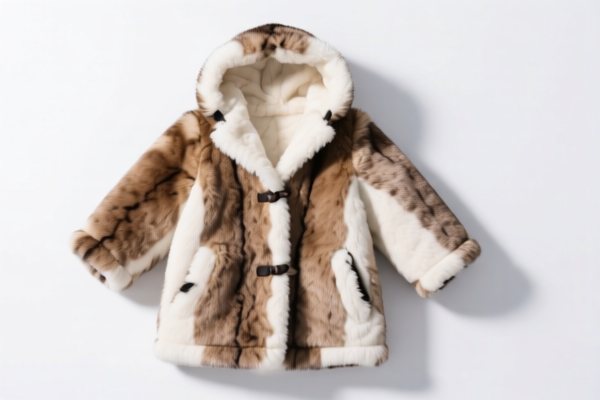
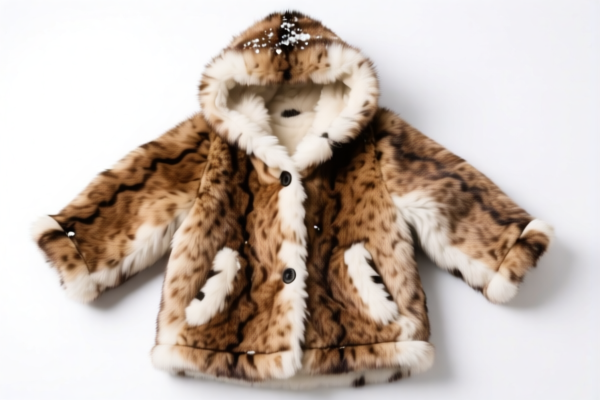
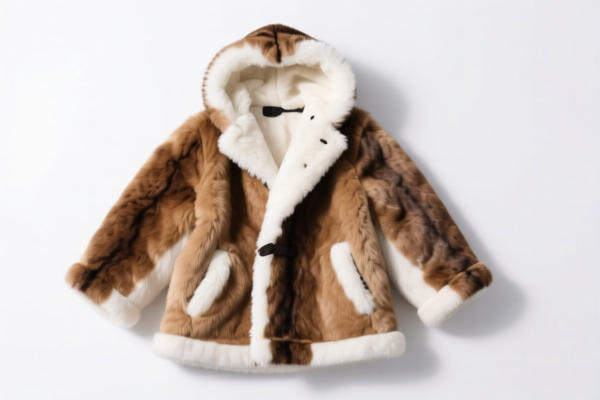
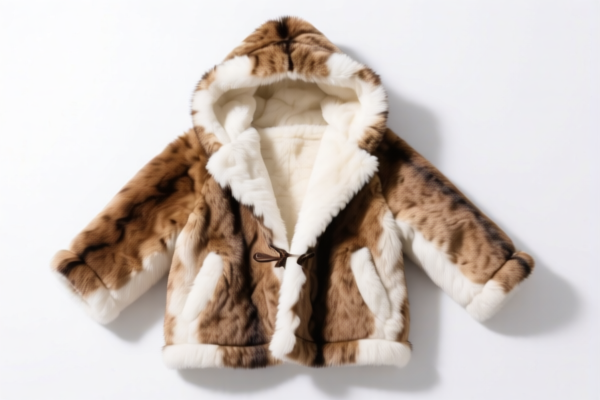
AI Analysis
🐶🧥 Universal Animal Coat Winter Warm
🌐 HS Code Reference & Customs Clearance Guide | 2024-2026 Tariff Analysis | Professional Entry Strategy
📌 I. Product Definition & Classification: Do You Really Understand "Pet Winter Coats" ?
"Universal Animal Coat Winter Warm" refers to apparel designed for domestic animals (primarily dogs, and potentially cats) to provide warmth during cold weather. In international trade, the classification of pet clothing hinges on three critical factors: Material, Usage, and Form.
1. Apparel for Pets (Textile-Based):
- Made from knitting or weaving materials (e.g., polyester, cotton, fleece, wool).
- Follows the form of human outerwear (jackets, coats).
- Key Distinction: If made of textile materials, it falls under Chapter 61 (Knitted/Crocheted) or Chapter 62 (Non-Knitted).
2. Animal Apparel (Non-Textile or Specific Categories):
- While rare for winter coats, if the item is deemed "accessories for animals" made of non-textile materials or falls into a specific "other" category, it may be classified under Chapter 42.
- Key Distinction: Often used as a fallback or for specific leather/synthetic materials not covered elsewhere, but less common for standard winter knitwear.
⚠️ Critical Classification Point:
- Knitted/Crocheted Textile Coats → Chapter 61
- Non-Knitted Textile Coats → Chapter 62
- Other Animal Apparel (Fallback) → Chapter 42 (Specifically for "Articles for animals")
📦 II. HS Code Classification Details (Based on Provided Data)
| HS Code | Product Description | Application Scenario | Tax Rate (Total) | Tax Composition |
|---|---|---|---|---|
6114.90.90.70 |
Knitted/Crocheted Garments, Form: Outerwear, Material: Textile | Knitted dog jackets, fleece-lined pet coats | 15.6% | Base: 5.6% + Section 122: 10% |
6114.20.00.55 |
Garments of Other Textile Materials (Catch-all Category) | Non-specific textile pet wear, no material conflict | 28.3% | Base: 10.8% + Sec 301: 7.5% + Section 122: 10% |
4201.00.60.00 |
Animal-Use Articles, Form: Outerwear, Material: Fabric/Synthetic | Pet coats classified under "Articles for animals" | 37.8% | Base: 2.8% + Sec 301: 25.0% + Section 122: 10% |
6214.90.00.90 |
Non-Knitted Textile Outerwear (Other) | Woven dog coats, synthetic fiber winter wear | 28.8% | Base: 11.3% + Sec 301: 7.5% + Section 122: 10% |
4201.00.60.00 |
Animal Use Garments, Form: Outerwear, Material: Textile | Consistent with dog clothing, textile-based | 37.8% | Base: 2.8% + Sec 301: 25.0% + Section 122: 10% |
🔍 Important Note:
- The same HS Code (4201.00.60.00) appears twice with identical tax details but slightly different summaries. This reflects the ambiguity in classifying pet apparel between "Textile Garments" (Ch 61/62) and "Animal Articles" (Ch 42).
- Section 122 (10%) applies uniformly to all entries, indicating a specific current policy surcharge.
- Section 301 (7.5% or 25%) varies by classification, significantly impacting total cost.
💰 III. 2026 Latest Tariff Rate Breakdown (Including Surcharges)
✅ Applicable Country: United States (US)
✅ Origin: China (CN)
✅ Effective Date: Current policies apply (2025-2026)
🎯 1. 6114.90.90.70 —— Knitted/Crocheted Pet Outerwear (Lowest Tax)
| Item | Detail |
|---|---|
| Base Tariff | 5.6% (Ad Valorem) |
| Section 122 Surcharge | +10.0% |
| Section 301 Tariff | $0.0% (Exempt or not applicable for this subcategory) |
| Total Tax Rate | 15.6% |
| Calculation Basis | CIF Value × 15.6% |
| De Minimis Exemption | ❌ Not Applicable (Subject to de minimis scrutiny) |
| Legal Basis Path | Section 122 → USITC:6114.90.90.70 |
📌 Analysis:
- This is the most cost-effective classification if the product is definitively knitted or crocheted.
- No Section 301 tariff applies, saving 7.5%-25% compared to other classifications.
🎯 2. 6114.20.00.55 —— Other Textile Garments (Medium-High Tax)
| Item | Detail |
|---|---|
| Base Tariff | 10.8% |
| Section 122 Surcharge | +10.0% |
| Section 301 Tariff | +7.5% |
| Total Tax Rate | 28.3% |
| Calculation Basis | CIF Value × 28.3% |
| De Minimis Exemption | ❌ Not Applicable |
| Legal Basis Path | Section 122 → Section 301 → USITC:6114.20.00.55 |
📌 Analysis:
- This code acts as a catch-all for textile garments not fitting other specific subcategories.
- The 7.5% Section 301 tariff significantly increases the cost compared to6114.90.90.70.
🎯 3. 4201.00.60.00 —— Animal-Use Articles (Highest Tax)
| Item | Detail |
|---|---|
| Base Tariff | 2.8% |
| Section 122 Surcharge | +10.0% |
| Section 301 Tariff | +25.0% |
| Total Tax Rate | 37.8% |
| Calculation Basis | CIF Value × 37.8% |
| De Minimis Exemption | ❌ Not Applicable |
| Legal Basis Path | Section 122 → Section 301 (25%) → USITC:4201.00.60.00 |
📌 Analysis:
- Despite a very low base tariff (2.8%), the 25% Section 301 tariff makes this the most expensive option.
- This classification is often used when the product is strictly defined as an "article for animals" rather than a "garment."
- Avoid this classification if possible, unless the product clearly does not fit textile garment chapters.
🎯 4. 6214.90.00.90 —— Non-Knitted Textile Outerwear (Medium-High Tax)
| Item | Detail |
|---|---|
| Base Tariff | 11.3% |
| Section 122 Surcharge | +10.0% |
| Section 301 Tariff | +7.5% |
| Total Tax Rate | 28.8% |
| Calculation Basis | CIF Value × 28.8% |
| De Minimis Exemption | ❌ Not Applicable |
| Legal Basis Path | Section 122 → Section 301 → USITC:6214.90.00.90 |
📌 Analysis:
- Applicable for woven (non-knitted) pet coats.
- Tax rate is slightly higher than6114.20.00.55due to a higher base tariff (11.3% vs 10.8%).
🛠️ IV. Customs Clearance Practical Advice (Avoiding Pitfalls)
✅ 1. Required Documentation Checklist
| Document | Mandatory | Description |
|---|---|---|
| ✅ Product Specification Sheet | ✔️ | Must specify: Knitted vs. Woven, Material Composition (e.g., 100% Polyester), Size Range. |
| ✅ Material Declaration | ✔️ | Critical for distinguishing between Ch 61 (Knitted) and Ch 62 (Woven). |
| ✅ Product Photos | ✔️ | Clear images showing stitching, fabric texture, and any animal-specific features (e.g., leash holes). |
| ✅ Commercial Invoice | ✔️ | Must clearly state "Pet Clothing" or "Dog Coat" and describe material accurately. |
| ✅ Packing List | ✔️ | Detail items to avoid misclassification of components. |
✅ 2. Declaration Tips (Critical Mantras)
🔥 "Knitted is 61, Woven is 62, Animal Article is 42. Know your material, save your money!"
| Scenario | Correct Declaration | Wrong Declaration | Risk |
|---|---|---|---|
| Knitted Fleece Coat | 6114.90.90.70 |
4201.00.60.00 |
Pay 37.8% instead of 15.6% |
| Woven Nylon Jacket | 6214.90.00.90 |
6114.90.90.70 |
Misclassification, potential fines |
| Generic "Pet Apparel" | Specify Material & Form | "Universal Animal Coat" | Vague declaration leads to highest default rate |
| Leather/Rubber Pet Coat | 4201.00.60.00 |
6114.90.90.70 |
Wrong chapter, high penalty risk |
📌 Key Reminder:
- Do not use "Universal Animal Coat" as the sole description. Specify: "Dog Winter Coat, Knitted, 100% Polyester."
- Do not assume all pet clothing goes to Chapter 42. Textile garments are classified in Ch 61/62.
✅ 3. Special Handling Scenarios
| Scenario | Advice |
|---|---|
| Mixed Materials | If the main feature is textile, use Ch 61/62. If it has significant non-textile components (e.g., leather patches), consult a broker; 4201.00.60.00 might be argued, but Ch 61/62 is safer for mostly-textile items. |
| Section 122 Impact | All classifications currently include a 10% Section 122 surcharge. This is mandatory and cannot be avoided. |
| De Minimis (800 USD) | ❌ Not Eligible. Pet apparel from China is subject to full tariffs and Section 301/122 surcharges, even for shipments under $800. |
🌍 V. Global Market Comparison (2024-2026)
| Country/Region | Recommended HS Code | Total Tax Rate (China Origin) | Notes |
|---|---|---|---|
| 🇺🇸 USA | 6114.90.90.70 |
15.6% | Lowest tax if knitted. Section 122 + 301 apply. |
| 🇺🇸 USA | 4201.00.60.00 |
37.8% | Highest tax. Avoid unless necessary. |
| 🇪🇺 EU | 6104/6204 | ~5-12% | No Section 301/122. Standard EU duties apply. |
| 🇨🇳 China | 6114/6214 | ~5-15% | Import duties into China for re-export. |
| 🇯🇵 Japan | 6104/6204 | ~10-15% | Standard APTA or MFN rates. |
📌 Conclusion:
- The USA is the most complex market due to Section 122 and Section 301 surcharges.
- Classification accuracy is paramount: Choosing6114.90.90.70(15.6%) over4201.00.60.00(37.8%) saves 22.2% on the CIF value.
📌 VI. Common Mistakes & Pitfalls
❌ Mistake 1: Classifying all pet clothing as 4201.00.60.00
👉 Result: Paying 37.8% tax instead of 15.6%.
👉 Fix: Confirm if the item is knitted/woven. If yes, use Ch 61/62.
❌ Mistake 2: Ignoring Section 122
👉 Result: Underestimating total landed cost.
👉 Fix: Always include the 10% Section 122 in your cost calculations.
❌ Mistake 3: Vague Descriptions ("Universal Animal Coat")
👉 Result: Customs may select the highest default rate or demand additional documentation.
👉 Fix: Use precise terms: "Knitted Dog Jacket, 100% Polyester, Size L."
✅ Correct Approach:
"Knitted Dog Winter Coat, 100% Polyester, Universal Fit, Model XYZ"
🎯 VII. Conclusion: Smart Classification, Higher Profits
🎯 Remember the Mantra:
🔹 "Knitted is 15.6%, Woven is 28.8%, Animal Article is 37.8%. Choose wisely!"
🔹 "Section 122 is 10%, Section 301 varies. Know your code, save your dollars!"
📌 Pro Tip:
- If your pet coats are knitted, insist on 6114.90.90.70 (15.6%).
- If woven, use 6214.90.00.90 (28.8%).
- Avoid 4201.00.60.00 unless you have a specific reason (e.g., non-textile materials).
- Always verify with a licensed customs broker to confirm the current status of Section 122 and Section 301 tariffs.
📣 Immediate Action:
📞 Contact a Customs Broker + Provide Fabric Swatches + Apply for Advance Ruling
🚀 Ensure Smooth Clearance, Maximize Profits, and Grow Your Pet Brand!
✨ Professional Customs Clearance Starts with Accurate Classification!
💼 Every Percent Saved is Pure Profit!
Customer Reviews
About HS Code Classification
The Harmonized System (HS) is an internationally standardized nomenclature developed by the World Customs Organization (WCO) to classify traded products. Over 200 countries use the HS system as the basis for customs tariffs, trade statistics, and import/export regulations.
Each HS code follows a hierarchical structure:
- Chapter (2 digits) — Broad category of goods (e.g., Chapter 84: Machinery and Mechanical Appliances)
- Heading (4 digits) — More specific grouping within the chapter
- Subheading (6 digits) — Internationally standardized breakdown, used by all WCO member countries
- National subdivisions (8-10 digits) — Country-specific extensions for further classification, such as US HTSUS 10-digit codes
Correct HS code classification is essential for smooth customs clearance, accurate duty payment, and compliance with trade regulations. Misclassification can lead to customs delays, overpayment of duties, or penalties.
When importing from CN to US, the applicable tariff rates may include:
- Most-Favored-Nation (MFN) rate — The standard duty rate applied to WTO members
- General rate — Applied to countries without trade agreements
- Trade remedy duties — Additional tariffs such as Section 301 (anti-dumping), Section 232 (national security), or countervailing duties
The information provided on this page is for reference purposes only. For official classification, please consult with your local customs authority or a licensed customs broker.