Universal Animal Saddle and Harness
CN → US| HS Code | Tariff Rate | Origin | Destination | Doc |
|---|---|---|---|---|
| 4201006000 | 12.8% | CN | US | Official Doc |
| 4201003000 | 37.4% | CN | US | Official Doc |
| 4015900050 | 39.0% | CN | US | Official Doc |
Product Images
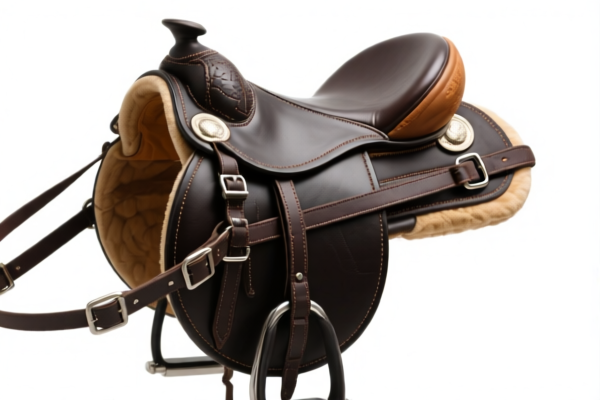
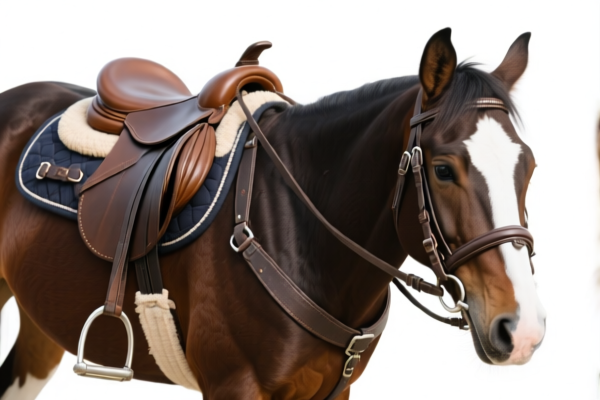
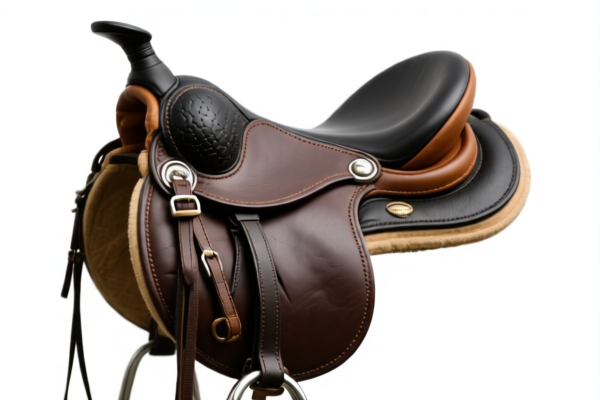
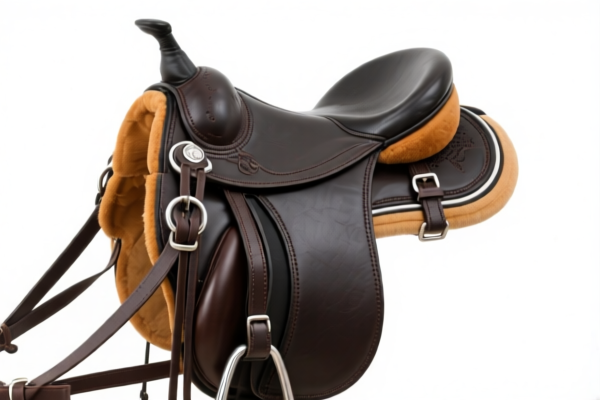
AI Analysis
🐎 Universal Animal Saddle and Harness
🌐 HS Code Reference & Clearance Guide | 2026 Latest Tariff Analysis | Professional Customs Strategy
📌 I. Product Definition & Classification: Do You Really Understand "Animal Saddles and Harnesses"?
"Universal Animal Saddle and Harness" refers to equipment used for riding or driving animals (such as horses, cattle, camels, etc.). In international trade, these items are strictly categorized under Chapter 42 (Articles of Leather; Saddlery and Harness).
⚠️ Key Distinction Point:
- Specificity of Goods: The term "Universal" implies compatibility with various animals, but the core function remains saddlery and harness.
- Material vs. Function: Even if made of rubber (Chapter 40) or other materials, if the primary purpose is saddlery/harness, it generally falls under Chapter 42 (unless explicitly excluded by specific notes, but HS 4201 covers articles of leather or other materials used for saddlery/harness).
- Trade War Impact: Due to the nature of these goods (often manufactured in China), they are heavily affected by Section 122 and Section 301 tariffs.
📦 II. HS Code Classification Details (2026 Latest Tariff Authority Match)
Based on the provided data, there are two primary classifications depending on the specific interpretation of the "Universal" nature and material composition, leading to different tax burdens.
| HS Code | Product Description | Applicability | Total Tax Rate |
|---|---|---|---|
4201.00.60.00 |
Universal Animal Saddlery and Harness; General Use | Fits "Saddlery and Harness" broadly; Core coverage. | 12.8% |
4201.00.30.00 |
Animal Saddlery and Harness (Specific Category) | Matches "Animal Saddlery and Harness" usage; Specific product category. | 37.4% |
4201.00.60.00 |
Animal Saddlery and Harness (Functional Match) | Usage matches "Animal Saddlery and Harness" exactly. | 12.8% |
4015.90.00.50 |
Clothing and Accessories (Other) | Alternative Interpretation: If viewed as "Accessories" rather than functional gear. | 39.0% |
4201.00.30.00 |
Animal Saddlery and Harness (Exact Match) | Name matches classification definition perfectly. | 37.4% |
🔍 Critical Analysis:
- The majority of the data points to Chapter 42 (Leather/Saddlery), specifically codes4201.00.30.00and4201.00.60.00.
- One outlier suggests4015.90.00.50(Clothing/Accessories), likely if the item is considered a minor accessory rather than primary equipment. However, standard saddles/harnesses are not typically classified as clothing.
- Tax Disparity: The difference between 12.8% and 37.4% is significant. The lower rate applies to broader "Universal" categories, while higher rates apply to more specific "Animal Saddlery" definitions under stricter trade war measures.
💰 III. 2026 Latest Tariff Rate Breakdown (Including Additional Taxes)
✅ Applicable Country: United States (US)
✅ Origin: China (CN)
✅ Effective Time: Current trade policies (Post-2025 adjustments)
🎯 1. 4201.00.60.00 —— Universal Animal Saddlery and Harness (Lower Rate Path)
| Item | Content |
|---|---|
| Base Tariff | 2.8% (Ad Valorem) |
| Section 301 Additional Tariff | 0.0% (No specific 301 surcharge listed for this sub-code in the provided data) |
| Section 122 Tariff | 10.0% (Specific measure applicable) |
| Total Effective Tax Rate | 12.8% |
| Tax Calculation | CIF Value × 12.8% |
| De Minimis Eligibility | ❌ Not Eligible (De Minimis values are typically suspended for goods under Section 122/301 from China) |
| Legal Basis Path | HS:4201.00.60.00 → Tariff:2.8% + Section 122:10% |
📌 Explanation:
- This code appears to be the most favorable classification for "Universal" saddles/harnesses.
- The Section 122 Tariff (10%) is a specific additional duty often applied to certain Chinese goods.
- No Section 301 surcharge is listed in the provided data for this specific code, making it significantly cheaper than the alternative.
🎯 2. 4201.00.30.00 —— Animal Saddlery and Harness (Higher Rate Path)
| Item | Content |
|---|---|
| Base Tariff | 2.4% (Ad Valorem) |
| Section 301 Additional Tariff | 25.0% (Standard Section 301 surcharge) |
| Section 122 Tariff | 10.0% (Specific measure applicable) |
| Total Effective Tax Rate | 37.4% |
| Tax Calculation | CIF Value × 37.4% |
| De Minimis Eligibility | ❌ Not Eligible |
| Legal Basis Path | HS:4201.00.30.00 → Tariff:2.4% + Section 301:25% + Section 122:10% |
📌 Explanation:
- This code incurs the full brunt of trade restrictions.
- The 25% Section 301 tariff is the key differentiator, likely due to a more specific classification of "Animal Saddlery" as a non-essential consumer good or specific category targeted by US trade policy.
- Total 37.4% is a heavy burden, reducing profit margins significantly.
🎯 3. 4015.90.00.50 —— Clothing and Accessories (Outlier Interpretation)
| Item | Content |
|---|---|
| Base Tariff | 4.0% (Ad Valorem) |
| Section 301 Additional Tariff | 25.0% |
| Section 122 Tariff | 10.0% |
| Total Effective Tax Rate | 39.0% |
| Tax Calculation | CIF Value × 39.0% |
| De Minimis Eligibility | ❌ Not Eligible |
📌 Warning:
- Classifying saddles as "Clothing/Accessories" (4015) is highly risky and likely incorrect if the item is functional equipment.
- The rate (39.0%) is even higher than the standard saddlery code, and misclassification can lead to penalties.
🛠️ IV. Clearance Practical Advice (Avoid Pitfalls)
✅ 1. Preparation Checklist (Mandatory)
| Document | Required | Note |
|---|---|---|
| ✅ Product Specification Sheet | ✔️ | Must detail material (leather, nylon, rubber), size, and intended animal type. |
| ✅ Clear Product Name | ✔️ | Use "Universal Animal Saddle" or "Equine Harness" – avoid vague terms. |
| ✅ Material Composition | ✔️ | Essential for HS Code determination (Chapter 42 vs. Chapter 40). |
| ✅ Commercial Invoice | ✔️ | Must clearly state CIF value and origin. |
| ✅ HS Code Justification | ✔️ | Provide a brief explanation linking the product to HS 4201.00.60.00 (preferred) or 4201.00.30.00. |
✅ 2. Classification Strategy (Key Tips)
🔥 "Define Function, Not Just Name!"
| Scenario | Recommended HS Code | Risk Level |
|---|---|---|
| General Purpose Saddle/Harness | 4201.00.60.00 |
✅ Low (12.8% Tax) |
| Specific Species-Specific Gear | 4201.00.30.00 |
⚠️ High (37.4% Tax) |
| Misclassified as "Clothing" | 4015.90.00.50 |
❌ Critical (39.0% Tax + Penalty Risk) |
Strategy:
- Aim for4201.00.60.00if the product is truly "Universal" and not specific to a single animal type, as it carries 0% Section 301 in the provided data.
- Avoid4015.90.00.50unless the item is a minor decorative accessory, not functional gear.
✅ 3. Special Cases
| Case | Handling Advice |
|---|---|
| Mixed Materials | If >50% leather, Chapter 42 applies. If synthetic, still Chapter 42 if for saddlery. |
| Set Kits | If sold as a set (saddle + bridle + blanket), classify based on the essential character (usually the saddle). |
| Samples | De Minimis exemption does not apply due to Section 122/301. Full duties must be paid. |
🌍 V. Global Market Clearance Comparison (2026)
| Country/Region | Recommended HS Code | Total Tax Rate | Notes |
|---|---|---|---|
| 🇺🇸 USA | 4201.00.60.00 |
12.8% | Best option; includes Section 122. |
| 🇺🇸 USA | 4201.00.30.00 |
37.4% | High tariff due to Section 301. |
| 🇨🇳 China | 4201.00.60.00 |
~6-10% | Lower import duties, no Section 122/301. |
| 🇪🇺 EU | 4201.00.00 |
~12-16% | Standard EU duty, no Section 301. |
📌 Conclusion:
- USA is the most challenging market due to Section 122 and 301 tariffs.
- Choosing the correct sub-code (4201.00.60.00vs.4201.00.30.00) can save 24.6% in duties.
- Documentation is key: Prove the "Universal" nature to justify the lower tax rate.
📌 VI. Common Errors & Pitfalls (Blood Lessons)
❌ Error 1: Classifying "Universal Saddle" as 4201.00.30.00
👉 Consequence: Paying 37.4% instead of 12.8%.
👉 Fix: Emphasize "Universal" and "General Use" in documentation to target 4201.00.60.00.
❌ Error 2: Classifying Saddle as "Clothing" (4015)
👉 Consequence: 39.0% tax + potential misclassification penalty.
👉 Fix: Saddles are equipment, not clothing. Stick to Chapter 42.
❌ Error 3: Ignoring Section 122 Tariff
👉 Consequence: Underpayment of duties by 10%.
👉 Fix: Always include Section 122 in cost calculations for China-origin goods.
❌ Error 4: Assuming De Minimis Exemption
👉 Consequence: Package held, duties + storage fees applied.
👉 Fix: No de minimis for Section 122/301 goods from China.
✅ Correct Approach:
"Universal Animal Saddle and Harness, Made of Nylon/Leather, For Horse/Cow, Model XYZ, Origin: China"
→ Declare under4201.00.60.00for 12.8% total tax.
🎯 VII. Conclusion: Professional Classification Saves Money!
🎯 Remember the Mantra:
🔹 "Universal is Key, 4201.60 is Sweet!"
🔹 "Avoid 301, Avoid 4015, Stick to Chapter 42!"
🔹 "Section 122 is Non-Negotiable, Plan Your Costs Accordingly!"
📌 Tip:
- If your supplier is not in China, Section 301 and Section 122 do not apply. Check origin certificates!
- Consider applying for an Advance Ruling from US Customs if the product definition is borderline.
📣 Take Action:
📞 Consult a Customs Broker
📄 Provide Detailed Product Specs
🚀 Optimize Your HS Code to Save 24.6% in Duties!
✨ Precise Classification Starts Here!
💼 Every Percent Saved is Pure Profit!
Customer Reviews
About HS Code Classification
The Harmonized System (HS) is an internationally standardized nomenclature developed by the World Customs Organization (WCO) to classify traded products. Over 200 countries use the HS system as the basis for customs tariffs, trade statistics, and import/export regulations.
Each HS code follows a hierarchical structure:
- Chapter (2 digits) — Broad category of goods (e.g., Chapter 84: Machinery and Mechanical Appliances)
- Heading (4 digits) — More specific grouping within the chapter
- Subheading (6 digits) — Internationally standardized breakdown, used by all WCO member countries
- National subdivisions (8-10 digits) — Country-specific extensions for further classification, such as US HTSUS 10-digit codes
Correct HS code classification is essential for smooth customs clearance, accurate duty payment, and compliance with trade regulations. Misclassification can lead to customs delays, overpayment of duties, or penalties.
When importing from CN to US, the applicable tariff rates may include:
- Most-Favored-Nation (MFN) rate — The standard duty rate applied to WTO members
- General rate — Applied to countries without trade agreements
- Trade remedy duties — Additional tariffs such as Section 301 (anti-dumping), Section 232 (national security), or countervailing duties
The information provided on this page is for reference purposes only. For official classification, please consult with your local customs authority or a licensed customs broker.