Universal Plastic Handle
CN → US| HS Code | Tariff Rate | Origin | Destination | Doc |
|---|---|---|---|---|
| 3926902500 | 24.0% | CN | US | Official Doc |
| 3926301000 | 24.0% | CN | US | Official Doc |
| 8538908180 | 38.5% | CN | US | Official Doc |
| 8538906000 | 38.5% | CN | US | Official Doc |
| 3926902500 | 24.0% | CN | US | Official Doc |
Product Images
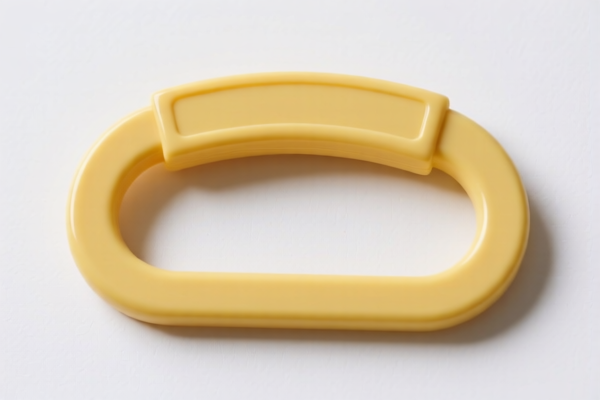
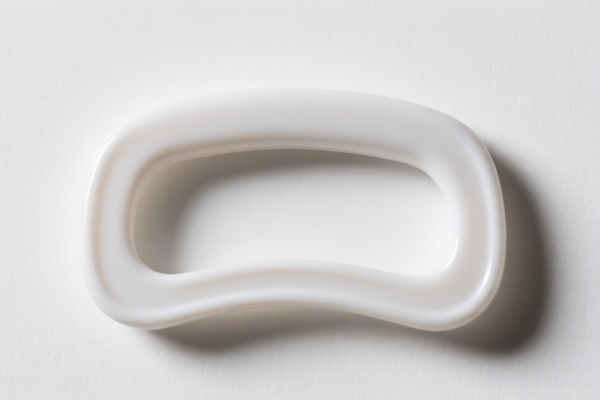
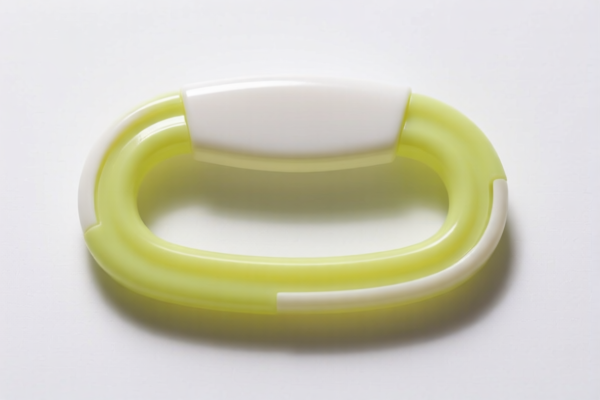
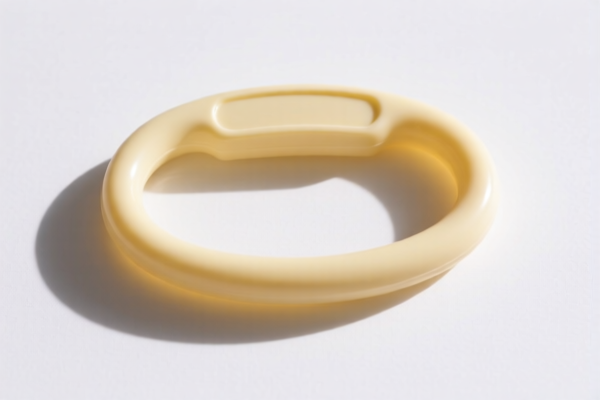
AI Analysis
🖱️ Universal Plastic Handle (Universal Plastic Handle)
🌐 HS Code Reference & Customs Clearance Guide | 2026 Latest Tariff Analysis | Professional Clearance Strategy
📌 I. Product Definition & Classification: Do You Really Understand "Universal Plastic Handles"?
A "Universal Plastic Handle" is a versatile component primarily used for gripping, opening, or operating various machinery, appliances, furniture, or industrial equipment. In international trade, its classification hinges on material composition, specific function, and whether it is a standalone good or a part of a specific machine.
Key Classification Logic:
- If it’s a general-purpose plastic part (used across various industries without being specifically designed for one machine type) → Typically classified under Chapter 39 (Plastics).
- If it’s a specific part/component for an electrical or mechanical appliance (e.g., a handle for a switchgear or specific industrial device) → Might be classified under Chapter 85 (Electrical Machinery) as a part.
⚠️ Critical Distinction:
- If the handle is generic (no specific machinery association) → 3926.90
- If the handle is specifically designed as a part for electrical/mechanical equipment (e.g., a knob for a circuit breaker) → 8538.90
📦 II. HS Code Classification Details (2026 Latest Tariff Authority Comparison)
Based on the provided data, here are the applicable HS Codes and their explanations:
| HS Code | Product Description | Applicable Scenario | Material | Total Tax Rate |
|---|---|---|---|---|
3926.90.25.00 |
Plastic handles and knobs; made of plastic; for handles and knobs; match confirmed. | General-purpose plastic handles/knobs not specifically for electrical/mechanical parts. | Plastic | 24.0% |
3926.30.10.00 |
Plastic handles and knobs; material is plastic; form and use as handles/knobs; fully complies with classification requirements. | General-purpose plastic handles/knobs. | Plastic | 24.0% |
8538.90.81.80 |
Plastic handles and knobs; classified as parts/components; material inferred as plastic; complies with other category requirements. | Handles/knobs specifically used as parts for electrical machinery or devices. | Plastic | 38.5% |
8538.90.60.00 |
Plastic handles and knobs; classified as molded parts; material is plastic; complies with other categories of molded parts. | Handles/knobs specifically used as molded parts for electrical/mechanical equipment. | Plastic | 38.5% |
3926.90.25.00 |
Plastic handles and knobs; commodity name includes material and use; fully complies with classification explanation. | General-purpose plastic handles/knobs. | Plastic | 24.0% |
🔍 Key Reminder:
- Chapter 39 (3926) applies to general-purpose plastic articles. If the handle is not specifically designed for a particular machine’s internal mechanism, use 3926.
- Chapter 85 (8538) applies if the handle is a specific part/component for electrical machinery (e.g., a switch knob, a control panel handle). These have higher tariffs due to the "part/component" classification.
- Misclassification Risk: Declaring a specific electrical part as a "general plastic handle" to save on taxes can lead to customs penalties. Conversely, over-classifying a generic handle as a "machine part" increases costs unnecessarily.
💰 III. 2026 Latest Tariff Rate Details (Including Additional Taxes, Policy Add-ons)
✅ Applicable Country: USA (US)
✅ Origin: China (CN)
✅ Effective Time: 2025-11-10 onwards (including subsequent imports)
🎯 1. 3926.90.25.00 & 3926.30.10.00 —— General Purpose Plastic Handles/Knobs
| Item | Content |
|---|---|
| Base Tariff | 6.5% |
| Section 301 Additional Tariff | 7.5% |
| Section 122 Tariff | 10% |
| Total Tariff | 24.0% |
| Tax Calculation | CIF Value × 24% |
| De Minimis Exemption Eligible? | ❌ No (deny_de_minimis) |
| Legal Basis Path | Base: 6.5% + Section 301: 7.5% + Section 122: 10% |
📌 Explanation:
- Base Tariff (6.5%): Standard MFN rate for plastic articles.
- Section 301 Additional Tariff (7.5%): Imposed on many Chinese goods to address trade imbalances.
- Section 122 Tariff (10%): A specific additional tariff applied to certain plastic imports.
- Total: 24% is a moderate-to-high tariff. Must be factored into cost calculations.
🎯 2. 8538.90.81.80 & 8538.90.60.00 —— Parts/Components for Electrical Machinery
| Item | Content |
|---|---|
| Base Tariff | 3.5% |
| Section 301 Additional Tariff | 25.0% |
| Section 122 Tariff | 10% |
| Total Tariff | 38.5% |
| Tax Calculation | CIF Value × 38.5% |
| De Minimis Exemption Eligible? | ❌ No (deny_de_minimis) |
| Legal Basis Path | Base: 3.5% + Section 301: 25% + Section 122: 10% |
📌 Explanation:
- Base Tariff (3.5%): Lower base rate for parts of electrical machinery.
- Section 301 Additional Tariff (25%): Significantly higher than the 7.5% for general plastics. This is because parts/components are often subject to stricter trade measures.
- Section 122 Tariff (10%): Same as above.
- Total: 38.5% is a very high tariff. Crucial to avoid misclassification if the product is not strictly a "part" for electrical machinery.
🛠️ IV. Customs Clearance Practical Advice (Real-World Pitfall Avoidance Guide)
✅ 1. Required Documents Checklist (None are Optional)
| Document | Required? | Explanation |
|---|---|---|
| ✅ Product Specification Sheet | ✔️ | Must clearly state: Material (Plastic), Use (Handle/Knob), Dimensions, Weight. |
| ✅ Product Photos (with label) | ✔️ | Clear images showing the handle, any branding, and context (if used in a specific device). |
| ✅ Commercial Invoice | ✔️ | Description must be precise: "Plastic Handle for General Use" OR "Plastic Handle Part for [Specific Machine]". |
| ✅ Packing List | ✔️ | Detail quantity, gross weight, net weight. |
| ✅ Certificate of Origin (CO) | ✔️ | If applicable for other countries, but for US origin, not required for tariff calculation. |
| ✅ Third-Party Test Report | ❌ (Optional) | If RoHS/REACH compliance is claimed for environmental standards. |
✅ 2. Declaration Strategy (Key Mantra)
🔥 “Material + Use + Specificity = Correct Code. Don’t Guess, Specify!”
| Scenario | Correct Declaration | Incorrect Practice |
|---|---|---|
| Generic Plastic Handle (for furniture, tools, general use) | 3926.90.25.00 or 3926.30.10.00 |
Declaring as 8538.90 → Overpaying by 14.5% |
| Specific Handle for Electrical Switch (e.g., for a circuit breaker) | 8538.90.81.80 or 8538.90.60.00 |
Declaring as 3926.90 → Under-declaring, risking penalty |
| Handle with Metal Core | Check material ratio; if metal > plastic, may fall under Chapter 73/83 | Declaring as pure plastic → Wrong Code |
| Knob for Dial/Meter | 8538.90 (if part of meter) |
Declaring as 3926.90 → Wrong Code |
✅ 3. Special Handling Cases
| Case | Handling Advice |
|---|---|
| OEM Custom Handles | Provide customer order + design drawing. If the handle is specifically designed for a client’s machine, consider 8538.90. |
| Handles for Medical Devices | If part of medical equipment, may fall under 9018.90 (parts of medical instruments). Do not use 3926/8538 without verification. |
| Handles for Automotive Parts | If part of automotive electrical systems, check 8708.99 (auto parts). |
| Bulk Raw Plastic Knobs | If unprocessed, consider 3926.90.25.00. If finished, same code. |
🌍 V. Global Main Market Clearance Comparison (2026 Latest)
| Country/Region | Recommended HS Code | Tariff | Certification Requirements | Notes |
|---|---|---|---|---|
| 🇺🇸 USA | 3926.90.25.00 (if general) |
24.0% (China origin) | N/A | High tariff due to Section 301 & 122. |
| 🇨🇳 China | 3926.90.25.00 |
~6-10% | N/A | Lower tariffs for domestic production. |
| 🇪🇺 EU | 3926.90.90 |
0-4.5% | CE (if applicable) | No Section 301/122 equivalents. |
| 🇬🇧 UK | 3926.90.90 |
0-4.5% | UKCA | Post-Brexit tariffs similar to EU. |
| 🇯🇵 Japan | 3926.90.90 |
0-6% | PSE (if electrical) | Moderate tariffs. |
📌 Conclusion:
- USA has the highest tariffs for plastic handles from China due to Section 301 & 122.
- Misclassification can lead to 14.5% extra cost (38.5% vs 24%) or penalties.
- Non-US markets (EU, UK, Japan) have significantly lower tariffs, making them more attractive for price-sensitive products.
📌 VI. Common Mistakes & Pitfall Avoidance (Lessons from Blood & Tears)
❌ Mistake 1: Declaring a specific electrical switch handle as a "general plastic handle" to save on tariffs.
👉 Consequence: Customs may reclassify it, impose 38.5% tariff, and charge penalties.
👉 Correct: If it’s for an electrical switch, use 8538.90.
❌ Mistake 2: Declaring a general furniture handle as a "machine part" because it looks technical.
👉 Consequence: You pay 38.5% instead of 24.0%.
👉 Correct: If it’s not specifically for a machine, use 3926.90.
❌ Mistake 3: Not specifying "Plastic" in the description.
👉 Consequence: Customs may assume metal or wood, leading to wrong code (e.g., 8302 for metal fittings).
👉 Correct: Always state "Plastic Handle".
❌ Mistake 4: Ignoring Section 122 Tariff (10%).
👉 Consequence: Underestimating total cost by 10%.
👉 Correct: Always include Section 122 in your cost model.
✅ Correct Practice:
"Plastic Handle, Model ABC, Material: PP, Use: General Purpose, No Specific Machine Association" → 3926.90.25.00
"Plastic Switch Knob, Model XYZ, For Electrical Panel, Part Number: 12345" → 8538.90.81.80
🎯 VII. Conclusion: Professional Declaration, Save Time, Save Money!
🎯 Remember the Mantra:
🔹 "General Use? Go 3926 (24%). Specific Part? Go 8538 (38.5%). Don’t Mix Up!"
🔹 "Section 301 & 122 are Non-Negotiable. Factor Them In!"
📌 Pro Tip:
If your plastic handles are originating from Vietnam, Mexico, Thailand, or Malaysia, you may avoid Section 301 & 122 tariffs. Check Free Trade Agreements (FTAs) for potential duty-free or reduced-rate entry.
🚀 Recommendation: Get an Advance Ruling from US Customs (CBP) if your product is on the borderline between "general" and "specific part". It costs money but saves thousands in potential penalties.
📣 Immediate Action:
📞 Contact a professional customs broker + Provide product photos + Apply for HS Code Advance Ruling if unsure.
🚀 Ensure your plastic handles clear customs smoothly, reduce costs, and maximize profit!
✨ Professional Clearance Starts with Accurate Classification!
💼 Every cent of your cost is worth precise calculation!
Customer Reviews
About HS Code Classification
The Harmonized System (HS) is an internationally standardized nomenclature developed by the World Customs Organization (WCO) to classify traded products. Over 200 countries use the HS system as the basis for customs tariffs, trade statistics, and import/export regulations.
Each HS code follows a hierarchical structure:
- Chapter (2 digits) — Broad category of goods (e.g., Chapter 84: Machinery and Mechanical Appliances)
- Heading (4 digits) — More specific grouping within the chapter
- Subheading (6 digits) — Internationally standardized breakdown, used by all WCO member countries
- National subdivisions (8-10 digits) — Country-specific extensions for further classification, such as US HTSUS 10-digit codes
Correct HS code classification is essential for smooth customs clearance, accurate duty payment, and compliance with trade regulations. Misclassification can lead to customs delays, overpayment of duties, or penalties.
When importing from CN to US, the applicable tariff rates may include:
- Most-Favored-Nation (MFN) rate — The standard duty rate applied to WTO members
- General rate — Applied to countries without trade agreements
- Trade remedy duties — Additional tariffs such as Section 301 (anti-dumping), Section 232 (national security), or countervailing duties
The information provided on this page is for reference purposes only. For official classification, please consult with your local customs authority or a licensed customs broker.