Unlined Polypropylene Woven Bag
CN → US| HS Code | Tariff Rate | Origin | Destination | Doc |
|---|---|---|---|---|
| 6305330010 | 25.9% | CN | US | Official Doc |
| 6305330080 | 25.9% | CN | US | Official Doc |
| 3923290000 | 38.0% | CN | US | Official Doc |
| 3923210080 | 38.0% | CN | US | Official Doc |
Product Images
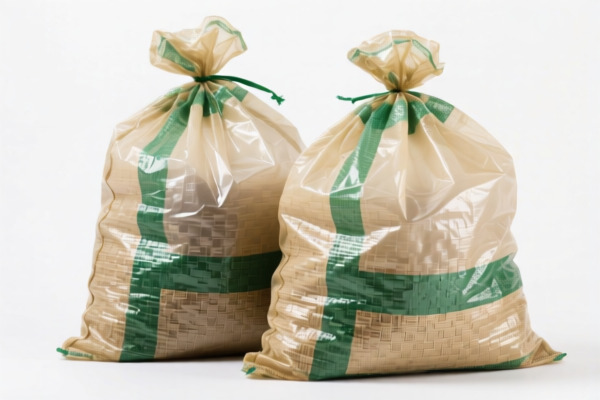
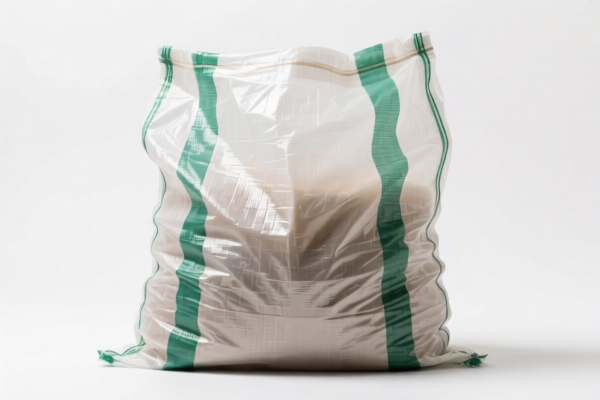
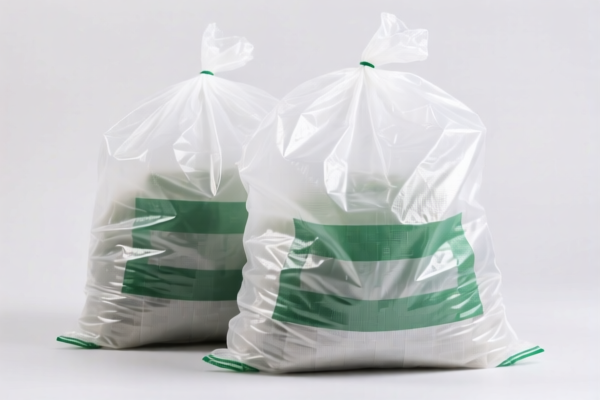
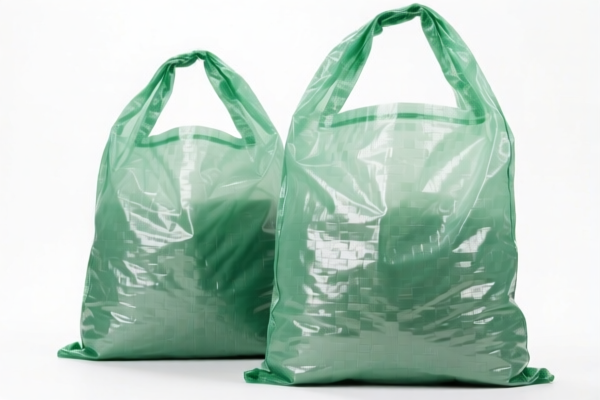
AI Analysis
🎒 Unlined Polypropylene Woven Bags (PP Woven Sacks)
🌐 HS Code Reference & Customs Clearance Guide | 2026 Tariff Breakdown | Strategic Import Strategy
📌 I. Product Definition & Classification: What Exactly Is a "PP Woven Bag"?
Unlined Polypropylene (PP) Woven Bags are industrial packaging solutions made from stretched polypropylene filaments. They are widely used for bulk goods like agricultural products, chemicals, building materials, and food staples.
In international trade, these bags are classified based on specific manufacturing specifications and chemical regulations (specifically Title 122 of the US Trade Act), which heavily influence their HS Code assignment and tariff rates.
⚠️ Key Distinction Point:
- "Specific Requirement" Bags: Bags that strictly meet the definition of "bags made from PP strips" often fall under Chapter 63.
- "General Plastic Bags": Bags classified simply as "plastic packaging without zipper" often fall under Chapter 39.
- The Critical Difference: The specific regulatory footnote ("122 Clause") applies differently, leading to significant tariff variations.
📦 II. HS Code Classification Details (2026 Latest Tariff Schedule)
| HS Code | Product Description | Key Characteristics | Applicable Regulation |
|---|---|---|---|
6305.33.00.10 |
Unlined PP Woven Bag (Specific Type) | Made from PP strips/filaments, unlined, meets specific bag criteria | Chapter 63 (Textiles/Other Made-Up Articles) |
6305.33.00.80 |
Unlined PP Woven Bag (Other Type) | Unlined PP woven bags, classified as "Other" under this heading | Chapter 63 (Textiles/Other Made-Up Articles) |
3923.29.00.00 |
Unlined PP Woven Bag (Zipper-less, Plastic) | Plastic sacks and bags (other than those of heading 39.21), no zipper, general plastic classification | Chapter 39 (Plastics and Articles Thereof) |
3923.21.00.80 |
Unlined PP Woven Bag (Sacks & Bags) | Sacks and bags, of polymers of ethylene, or other plastic packaging goods | Chapter 39 (Plastics and Articles Thereof) |
🔍 Important Note:
- Both Chapter 63 and Chapter 39 codes currently attract the "122 Clause" additional duty (10%).
- The total tariff burden is significantly higher for Chapter 39 codes due to higher base and Section 301 rates compared to Chapter 63.
💰 III. 2026 Latest Tariff Rate Breakdown (Detailed Tax Clauses)
✅ Applicable Country: United States (US)
✅ Origin: China (CN)
✅ Effective Time: Current rates apply as per latest trade data.
🎯 1. HS Code 6305.33.00.10 & 6305.33.00.80 (Chapter 63)
These codes represent bags that are specifically categorized under "Sacks and bags, of a kind used for the packaging of goods."
| Item | Content |
|---|---|
| Base Duty Rate | 8.4% (Ad Valorem) |
| Section 301 Additional Duty | +7.5% |
| Title 122 Additional Duty | +10.0% |
| Total Effective Tax Rate | 25.9% |
| Tax Calculation | CIF Value × 25.9% |
| De Minimis Exemption? | ❌ No (Subject to strict anti-circumvention rules) |
| Legal Basis Path | HTSUS:6305.33.00 → USITC:Section 301 List 3 → 30 CFR Part 122 |
📌 Explanation:
- The 8.4% is the standard Most Favored Nation (MFN) rate for this textile-like bag.
- The 7.5% is the Section 301 tariff imposed on Chinese goods.
- The 10% is a specific penalty/duty under Title 122, often targeting items designed to circumvent trade remedies.
- Total: 25.9%. This is the lower tax bracket among the four options provided.
🎯 2. HS Code 3923.29.00.00 & 3923.21.00.80 (Chapter 39)
These codes classify the bags purely as "plastic packaging materials," ignoring the woven/textile structural nuance in favor of the material composition.
| Item | Content |
|---|---|
| Base Duty Rate | 3.0% (Ad Valorem) |
| Section 301 Additional Duty | +25.0% |
| Title 122 Additional Duty | +10.0% |
| Total Effective Tax Rate | 38.0% |
| Tax Calculation | CIF Value × 38.0% |
| De Minimis Exemption? | ❌ No |
| Legal Basis Path | HTSUS:3923.21 / 3923.29 → USITC:Section 301 List 4 (or applicable list) → 30 CFR Part 122 |
📌 Explanation:
- Although the Base Duty is lower (3.0%), the Section 301 rate is much higher (25.0%).
- This results in a Total Tax Rate of 38.0%, which is 12.1 percentage points higher than Chapter 63 codes.
- Misclassification here can lead to significant overpayment or, if undetected, future audits and penalties.
🛠️ IV. Customs Clearance Practical Advice (Avoid Pitfalls)
✅ 1. Preparation Checklist (Non-Negotiable)
| Document | Required? | Purpose |
|---|---|---|
| ✅ Product Specifications | ✔️ | Detail material (PP), weight, dimensions, weaving density, and "unlined" status. |
| ✅ Photos (Labeled) | ✔️ | Show the bag structure, absence of lining, and any printing/logos. |
| ✅ Bill of Lading | ✔️ | Ensure description matches HS Code logic (e.g., "PP Woven Bags" vs. "Plastic Sacks"). |
| ✅ Commercial Invoice | ✔️ | Must state "Unlined" and "Polypropylene" clearly. |
| ✅ Supply Chain Info | ✔️ | Confirm origin is China to apply correct Section 301/Title 122 duties. |
✅ 2. Declaration Strategy (Key Mantra)
🔥 "Correct Chapter Matters: Textile vs. Plastic Changes the Tax Bill!"
| Scenario | Recommended HS Code | Why? | Risk of Wrong Choice |
|---|---|---|---|
| Standard Industrial PP Woven Sacks | 6305.33.00.10 or .80 |
Classified as "Sacks/Bags of textile materials" | Avoids the heavy 25% Section 301 hit. |
| Generic Plastic Pouches/Bags | 3923.29.00.00 |
Classified as "Other Plastic Packaging" | Higher tax (38%); only use if not clearly "woven sacks". |
| Bags with Linings | Different Code | Not covered in this specific list | Requires different classification (often higher base duty). |
| Bag with Zipper | Different Code | Not covered in this specific list | Excluded from "Unlined" categories; different rates apply. |
📌 Warning:
- Do not simply declare as "Plastic Bag" to avoid scrutiny. US Customs (CBP) actively monitors PP woven bags for trade remedy circumvention.
- If the bag is clearly a woven sack (visible weave pattern, used for bulk), Chapter 63 is the more legally defensible and cheaper classification.
✅ 3. Special Considerations
| Situation | Advice |
|---|---|
| Title 122 Clause (10% Duty) | Applies to both chapters. This is a punitive duty on Chinese goods. Ensure all documentation proves legitimate manufacturing origin. |
| Section 301 Tariff | Varies by list. For 6305.33, it is 7.5%. For 3923.21/29, it is 25%. Check latest USITC lists before filing. |
| De Minimis (Section 321) | Not Applicable. These goods are subject to de minimis exclusion due to Section 301/122 duties. You must pay duties at entry. |
🌍 V. Global Market Comparison (Quick Reference)
| Market | Recommended HS Code | Est. Total Tax | Notes |
|---|---|---|---|
| 🇺🇸 USA | 6305.33.00.10 |
25.9% | Best option for woven bags. |
| 🇺🇸 USA | 3923.29.00.00 |
38.0% | Avoid if classification allows Chapter 63. |
| 🇨🇳 China (Export) | Varies | Low/Zero | Depends on Chinese export policies. |
| 🇪🇺 EU | 6305.33 |
~4-6% | No Section 301/Title 122 equivalent. |
📌 Conclusion for US Importers:
- Prioritize HS Code6305.33.00.10for unlined PP woven bags to save 12.1% in taxes compared to3923.29.00.00.
- Always provide structural proof (photos of weave) to support the Chapter 63 classification.
📌 VI. Common Errors & Pitfalls (Lessons Learned)
❌ Error 1: Declaring all plastic bags under 3923.29 regardless of weave.
👉 Result: You pay 38% tax instead of 25.9%. Overpayment is real money.
❌ Error 2: Ignoring the "Title 122" 10% duty.
👉 Result: Budgeting errors. Both categories include this 10%, so it must be included in cost models.
❌ Error 3: Claiming De Minimis exemption for small shipments.
👉 Result: Goods held at border, penalties issued. These items are excluded from $800 de minimis relief.
✅ Correct Practice:
"Unlined Polypropylene Woven Sacks, 50kg capacity, no liner, no zipper. Material: 100% Polypropylene. HS Code: 6305.33.00.10."
🎯 VII. Conclusion: Precision Saves Money
🎯 Remember:
🔹 "Woven Sack = Chapter 63 = 25.9% Tax"
🔹 "Plastic Bag = Chapter 39 = 38.0% Tax"
🔹 "Title 122 = 10% No Matter What"
🔹 "No De Minimis = Pay Up Front"
📌 Pro Tip:
If you are importing large volumes, consider applying for a CBP Advance Ruling to lock in the 6305.33.00.10 classification and avoid future disputes. This provides legal certainty for your supply chain costs.
📣 Immediate Action:
📞 Consult with a licensed customs broker.
📸 Submit product photos for pre-classification.
💰 Update your landed cost models with the 25.9% rate for Chapter 63.
✨ Clear Classification. Predictable Costs. Smooth Customs Clearance.
💼 Your Bottom Line Depends on the First Line of the Entry.
Customer Reviews
About HS Code Classification
The Harmonized System (HS) is an internationally standardized nomenclature developed by the World Customs Organization (WCO) to classify traded products. Over 200 countries use the HS system as the basis for customs tariffs, trade statistics, and import/export regulations.
Each HS code follows a hierarchical structure:
- Chapter (2 digits) — Broad category of goods (e.g., Chapter 84: Machinery and Mechanical Appliances)
- Heading (4 digits) — More specific grouping within the chapter
- Subheading (6 digits) — Internationally standardized breakdown, used by all WCO member countries
- National subdivisions (8-10 digits) — Country-specific extensions for further classification, such as US HTSUS 10-digit codes
Correct HS code classification is essential for smooth customs clearance, accurate duty payment, and compliance with trade regulations. Misclassification can lead to customs delays, overpayment of duties, or penalties.
When importing from CN to US, the applicable tariff rates may include:
- Most-Favored-Nation (MFN) rate — The standard duty rate applied to WTO members
- General rate — Applied to countries without trade agreements
- Trade remedy duties — Additional tariffs such as Section 301 (anti-dumping), Section 232 (national security), or countervailing duties
The information provided on this page is for reference purposes only. For official classification, please consult with your local customs authority or a licensed customs broker.