Unpeeled Coniferous Logs 15cm and Above
CN → US| HS Code | Tariff Rate | Origin | Destination | Doc |
|---|---|---|---|---|
| 4403210130 | 35.0% | CN | US | Official Doc |
| 4403230135 | 35.0% | CN | US | Official Doc |
| 4401110000 | 35.0% | CN | US | Official Doc |
| 4407110052 | 35.0% | CN | US | Official Doc |
| 4403210165 | 35.0% | CN | US | Official Doc |
Product Images
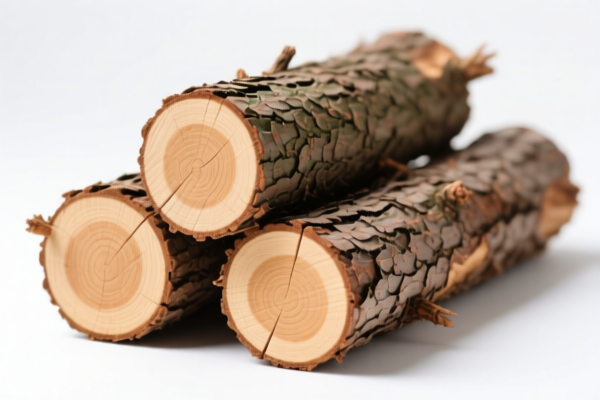
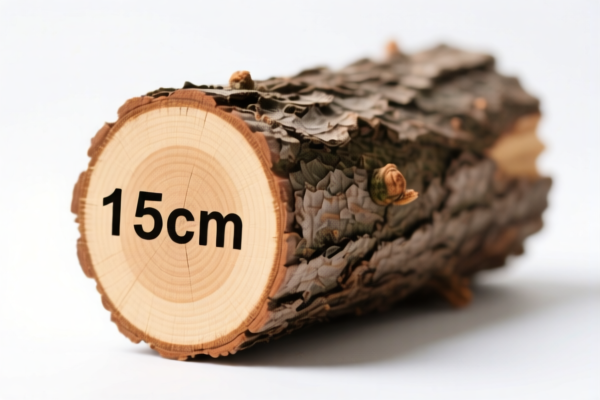
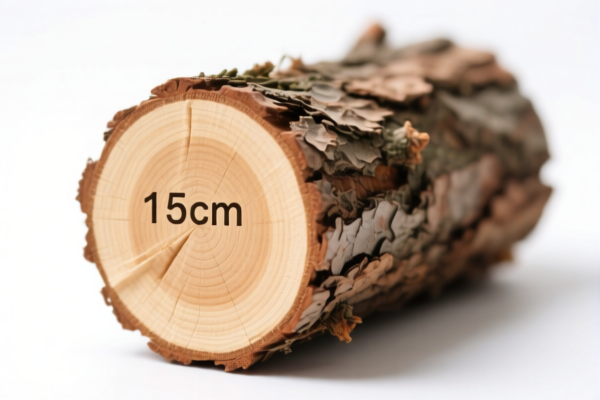
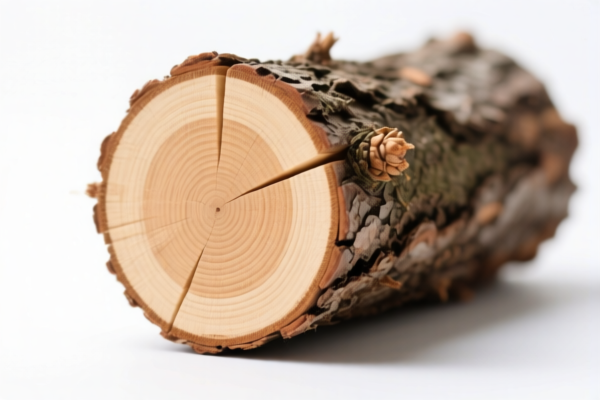
AI Analysis
🌲 Unpeeled Coniferous Logs (15cm and Above)
🌐 HS Code Reference & Customs Clearance Guide | 2026 Latest Tariff Analysis | Professional Customs Strategy
📌 I. Product Definition and Classification: Do You Really Understand "Unpeeled Coniferous Logs"?
Unpeeled coniferous logs are the raw, primary form of timber harvested from coniferous trees (such as pine, spruce, fir, etc.). In international trade, these products are defined by two critical physical characteristics: 1. Unpeeled (Sawn Logs with Bark): The bark is still intact on the log. This distinguishes them from peeled logs or processed timber. 2. Dimensional Constraint (≥ 15cm): The diameter or smallest dimension must be 15 centimeters or larger. Logs smaller than 15cm are typically classified as firewood or other wood products.
⚠️ Key Distinction:
- If the wood is processed (sawn, planed, chemically treated) → It falls under different HS codes (e.g., 4407).
- If the diameter is < 15cm → It is often classified as firewood (4401.11) or other wood debris.
- If it is unpeeled and ≥ 15cm → It falls under the specific unpeeled log categories in Chapter 44.
📦 II. HS Code Classification Details (2026 Latest Tariff Authority Cross-Reference)
Based on the provided data, the specific HS codes for "Unpeeled Coniferous Logs 15cm and Above" are detailed below. Note that while the product description is similar, the specific material type (general coniferous vs. specific pine) and form (log vs. rough wood) dictate the exact code.
| HS Code | Product Description | Applicable Scenario | Key Characteristics |
|---|---|---|---|
4403.21.01.30 |
Unpeeled coniferous logs, diameter ≥ 15cm | Standard coniferous timber trade | Material: Coniferous wood Form: Log Size: ≥ 15cm |
4403.23.01.35 |
Unpeeled coniferous timber, diameter ≥ 15cm, rough form | Rough timber trade | Material: Coniferous wood Form: Rough timber Size: ≥ 15cm |
4401.11.00.00 |
Coniferous wood in the form of logs/firewood, diameter ≥ 15cm | Fuel wood or low-grade timber | Definition: Meets definition of coniferous fuel wood Size: ≥ 15cm |
4407.11.00.52 |
Pine logs, diameter ≥ 15cm, untreated primary wood | Specific pine timber trade | Material: Specifically Pine Treatment: Untreated Form: Primary wood |
4403.21.01.65 |
Pine logs, diameter ≥ 15cm | Specific pine log trade | Material: Pine Size: ≥ 15cm Condition: Meets material/form limits |
🔍 Important Reminder:
- All listed codes apply to unpeeled wood. If the bark is removed, the classification changes significantly (usually to Chapter 4402 or 4403 with different subheadings).
- The 15cm threshold is critical. Logs smaller than this may be misclassified, leading to penalties.
- Pine (Pinus spp.) is often singled out in specific subcodes (like 4407.11 or 4403.21.01.65) due to higher demand and specific trade restrictions.
💰 III. 2026 Latest Tariff Rate Breakdown (Including Surcharges and Policy Add-ons)
✅ Applicable Country: United States (US)
✅ Origin: China (CN)
✅ Effective Date: 2025 November 10 onwards (including subsequent imports)
For ALL the HS codes listed above (4403.21.01.30, 4403.23.01.35, 4401.11.00.00, 4407.11.00.52, 4403.21.01.65), the tax structure is identical due to current trade policies targeting Chinese timber products.
🎯 1. General Rate Structure for All Listed HS Codes
| Item | Content |
|---|---|
| Basic Tariff Rate | 0.0% (Ad Valorem) |
| Section 301 Surcharge | +25.0% (Added tariffs under US Trade Act Section 301) |
| Section 122 Tariff | +10.0% (Specific 122 Clause Tariff) |
| Total Tax Rate | 35.0% |
| Tax Calculation | CIF Value × 35% |
| De Minimis Eligibility | ❌ Not Eligible (deny_de_minimis) |
| Legal Basis Path | Section 301 → Section 122 → USITC Specific HS Codes |
📌 Explanation:
- "Basic Tariff 0.0%": Coniferous logs often have a low base tariff under standard Most Favored Nation (MFN) rates.
- "Section 301 Surcharge 25%": This is the primary punitive tariff applied to many Chinese goods, including wood products, to address trade imbalances and IP issues.
- "Section 122 Tariff 10%": An additional tariff imposed under specific executive orders or trade provisions targeting certain Chinese imports.
- Combined Total: 35%: This is a very high effective tax rate. Importers must factor this into their landed cost calculations.
- No De Minimis: Small parcels (under $800) do not qualify for tax exemption. All shipments, regardless of value, are subject to this 35% tariff.
🛠️ IV. Customs Clearance Practical Advice (Battle-Tested Pitfall Avoidance Guide)
✅ 1. Preparation Checklist (No Missing Items Allowed)
| Document | Must Provide | Explanation |
|---|---|---|
| ✅ Detailed Packing List | ✔️ | Must specify total volume (CBM), weight, and number of logs. |
| ✅ Commercial Invoice | ✔️ | Clearly state: "Unpeeled Coniferous Logs, Diameter ≥ 15cm, Origin: China." |
| ✅ Phytosanitary Certificate | ✔️ | CRITICAL: Issued by the country of origin. Must confirm no pests/diseases. |
| ✅ Fumigation Certificate | ✔️ | Required if wood is not heat-treated. Shows compliance with ISPM 15 standards. |
| ✅ Product Photos | ✔️ | Show logs with bark intact, diameter measurement tools, and stacking method. |
| ✅ Species Declaration | ✔️ | Specify if it is Pine, Spruce, Fir, etc., to match HS Code precision. |
✅ 2. Declaration Tips (Key Mnemonics)
🔥 "Bark On, Size ≥ 15cm, Species Clear, Tax 35%!"
| Scenario | Correct Declaration | Wrong Practice | Consequence |
|---|---|---|---|
| Logs with Bark, Diameter ≥ 15cm | 4403.21.01.30 or 4403.21.01.65 |
Declare as "Processed Timber" | Tariff Mismatch → Penalty + Delay |
| Pine Logs | 4403.21.01.65 or 4407.11.00.52 |
Generic "Wood Logs" | Customs may reclassify → Higher Scrutiny |
| Logs < 15cm | 4401.11.00.00 (Firewood) |
Declare as "Logs" | Misclassification → Confiscation |
| Bark Removed | Different HS Code (e.g., 4402) | Declare as "Unpeeled" | Smuggling/Fraud Allegation |
✅ 3. Special Situations Handling
| Situation | Handling Advice |
|---|---|
| Mixed Species Logs | Declare the primary species or split by HS Code if mixed significantly. Mixed declarations can cause delays. |
| Log Length Variance | Ensure all logs meet the ≥ 15cm diameter requirement. Mixed sizes may require separate documentation. |
| High-Value Pine | Pine (Pinus) often attracts more attention due to domestic industry protection. Provide extra evidence of quality and non-competing use. |
| Pre-Shipment Inspection | Consider third-party inspection (e.g., SGS, BV) to verify diameter and species before shipping. |
🌍 V. Global Market Comparison (2026 Latest)
| Country/Region | Recommended HS Code | Tariff Rate (China Origin) | Certification Required | Notes |
|---|---|---|---|---|
| 🇺🇸 USA | 4403.21.01.30 etc. |
35% (25% + 10%) | Phytosanitary + Fumigation | Highest barrier. No de minimis. |
| 🇨🇳 China | 4403.21.01.30 etc. |
0% - 5% (Varies) | Phytosanitary | If importing into China, rates are low. This guide is for exports from China. |
| 🇪🇺 EU | 4403.94.10 etc. |
0% - 6.5% | FSC/PEFC (Optional but recommended) | Lower tariffs, but strict environmental regulations. |
| 🇯🇵 Japan | 4403.41.00 etc. |
0% - 2.5% | ISPM 15 | Low tariffs, high quality standards. |
| 🇰🇷 South Korea | 4403.41.00 etc. |
0% (Under FTA) | ISPM 15 + Origin Cert. | Best Market. Use KOR-US FTA if applicable (but origin is China, so check specific agreements). |
📌 Conclusion:
- USA is the most expensive market for Chinese unpeeled logs due to the 35% combined tariff.
- EU, Japan, and Korea offer significantly lower tariff barriers, making them more competitive alternatives if supply chain allows.
- Phytosanitary compliance is non-negotiable in all markets to prevent rejection.
📌 VI. Common Errors & Pitfall Guide (Lessons Learned)
❌ Mistake 1: Declaring "Bark-Removed Logs" as "Unpeeled Logs"
👉 Consequence: HS Code mismatch → Rejection by US Customs.
❌ Mistake 2: Ignoring the 15cm Diameter Rule
👉 Consequence: Logs < 15cm classified as firewood → Different tariff structure → Potential penalty for misdeclaration.
❌ Mistake 3: Failing to Provide Phytosanitary Certificate
👉 Consequence: Cargo detained or destroyed by USDA APHIS in the USA.
❌ Mistake 4: Assuming "De Minimis" Applies
👉 Consequence: Small shipments still face 35% tax. Many importers lose money on small batches.
✅ Correct Practice:
"Unpeeled Coniferous Logs, Diameter ≥ 15cm, Species: Pinus spp., Fumigated, Origin: China, HS Code: 4403.21.01.30"
🎯 VII. Conclusion: Professional Declaration, Save Time, Reduce Costs!
🎯 Remember the Mnemonic:
🔹 "Bark On, Size ≥ 15, Species Clear, Tax 35!"
🔹 "HS Code Decides Fate, Tax Difference is Huge, Declaration Must Be Precise!"
📌 Pro Tip:
If your logs are processed, peeled, or cut into specific lengths, re-evaluate the HS Code.
Consider alternative markets (EU, Japan, Korea) to mitigate the 35% US tariff burden.
Always request pre-clearance advice from your US customs broker before shipping.
📣 Immediate Action:
📞 Contact your US Customs Broker + Provide Photos & Diameter Data + Request HS Code Preclearance
🚀 Ensure Smooth Customs Clearance, Comply with Tariffs, Protect Your Margins!
✨ Professional Customs Clearance Starts with Accurate Classification!
💼 Every Cent of Cost Deserves Precise Calculation!
Customer Reviews
About HS Code Classification
The Harmonized System (HS) is an internationally standardized nomenclature developed by the World Customs Organization (WCO) to classify traded products. Over 200 countries use the HS system as the basis for customs tariffs, trade statistics, and import/export regulations.
Each HS code follows a hierarchical structure:
- Chapter (2 digits) — Broad category of goods (e.g., Chapter 84: Machinery and Mechanical Appliances)
- Heading (4 digits) — More specific grouping within the chapter
- Subheading (6 digits) — Internationally standardized breakdown, used by all WCO member countries
- National subdivisions (8-10 digits) — Country-specific extensions for further classification, such as US HTSUS 10-digit codes
Correct HS code classification is essential for smooth customs clearance, accurate duty payment, and compliance with trade regulations. Misclassification can lead to customs delays, overpayment of duties, or penalties.
When importing from CN to US, the applicable tariff rates may include:
- Most-Favored-Nation (MFN) rate — The standard duty rate applied to WTO members
- General rate — Applied to countries without trade agreements
- Trade remedy duties — Additional tariffs such as Section 301 (anti-dumping), Section 232 (national security), or countervailing duties
The information provided on this page is for reference purposes only. For official classification, please consult with your local customs authority or a licensed customs broker.