Unprocessed Cowhide Leather Belt
CN → US| HS Code | Tariff Rate | Origin | Destination | Doc |
|---|---|---|---|---|
| 4205000500 | 37.9% | CN | US | Official Doc |
| 4205001000 | 35.0% | CN | US | Official Doc |
Product Images
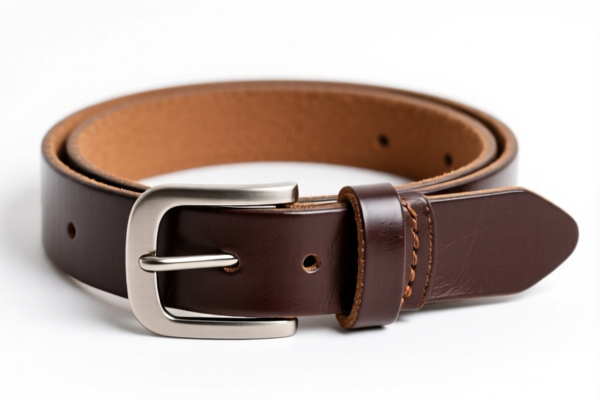
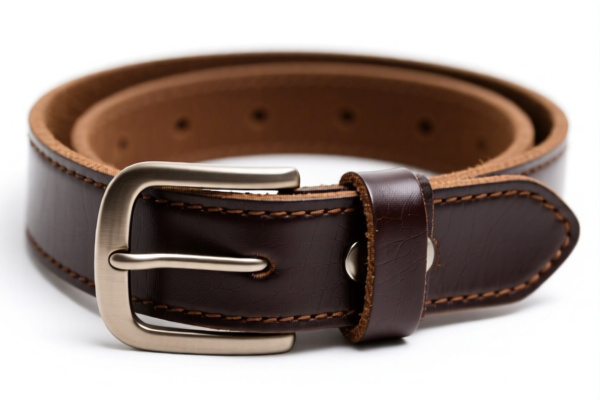
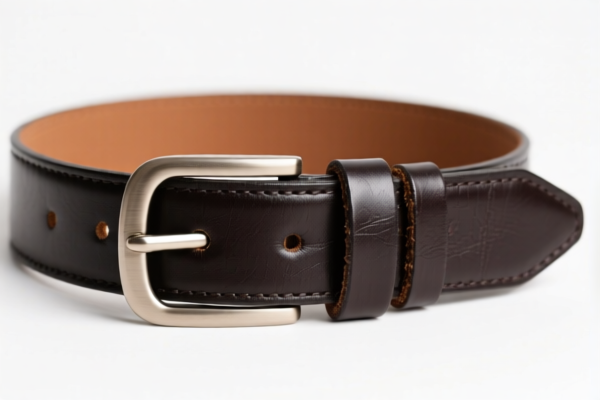
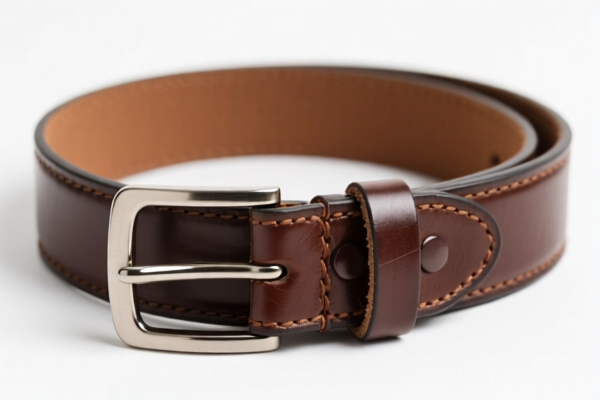
AI Analysis
🐄 Unprocessed Cowhide Leather Belt (Industrial Machinery Belt)
🌐 HS Code Reference & Customs Clearance Guide | 2026 Latest Tariff Analysis | Professional Strategy
📌 I. Product Definition & Classification: What Exactly Is This?
An "Unprocessed Cowhide Leather Belt" in the context of international trade classification (HS Code 4205) does not refer to fashion accessories (like waist belts). Instead, it refers to technical/industrial belting leather.
Key Characteristics: * Material: Cowhide leather (unprocessed or partially processed, cut, or manufactured into forms suitable for conversion into belting). * Purpose: Used in machinery or mechanical appliances (e.g., conveyor belts, drive belts for agricultural or industrial machines). * Form: May be cut into specific shapes or lengths suitable for technical use.
⚠️ Critical Distinction:
- If the belt is for fashion/personal use → It belongs to Chapter 42 (Other articles of leather) but potentially different subheads like 4203.21 (Belts for women/men).
- If the belt is for machinery/technical use → It belongs to 4205.00 ("Other articles of leather... of a kind used in machinery...").
- The provided DATA focuses on Technical Use (4205).
📦 II. HS Code Classification Details (2026 Latest Tariff Authority)
Based on the provided <DATA>, there are two potential HS Codes depending on the specific form/shape:
| HS Code | Product Description | Applicable Scenario | Key Condition |
|---|---|---|---|
| 4205.00.05.00 | Belting leather cut or wholly or partly manufactured into forms or shapes suitable for conversion into belting | Pre-cut leather strips specifically designed for making machinery belts | ✅ Specific Shape/Form |
| 4205.00.10.00 | Other (Articles of leather for machinery/technical uses) | Raw or semi-finished leather belts not cut into final belt shapes, or other technical leather articles | ❌ General/Other |
🔍 Key Clarification:
- 4205.00.05.00 is more precise if the leather is already cut or shaped for belt conversion.
- 4205.00.10.00 is a "catch-all" for other technical leather articles that do not fit the specific description of 4205.00.05.00.
- Both codes are under "Other articles of leather... for technical uses."
💰 III. 2026 Latest Tariff Rate Details (Including Surcharge Policies)
✅ Applicable Country: United States (US)
✅ Origin: China (CN) (Assumed based on typical surcharge context)
✅ Effective Date: Current 2026 tariffs apply
🎯 1. 4205.00.05.00 —— Belting Leather (Cut/Shaped for Machinery)
| Item | Content |
|---|---|
| Base Tariff Rate | 2.9% (Standard MFN Rate) |
| Section 301 Surcharge | +25.0% (Retained under US Trade Policy) |
| Total Tax Rate | 27.9% |
| Tax Calculation | CIF Value × 27.9% |
| De Minimis Exemption | ❌ Not Applicable (Industrial goods generally excluded) |
| Legal Basis | USHTS 4205.00.05.00 + Section 301 Footnote |
📌 Explanation:
- The base rate is low (2.9%) because it is considered an industrial input.
- However, the 25% surcharge significantly increases the cost.
- Total effective tariff: 27.9%.
🎯 2. 4205.00.10.00 —— Other Technical Leather Articles
| Item | Content |
|---|---|
| Base Tariff Rate | 0.0% (Free) |
| Section 301 Surcharge | +25.0% (Retained under US Trade Policy) |
| Total Tax Rate | 25.0% |
| Tax Calculation | CIF Value × 25.0% |
| De Minimis Exemption | ❌ Not Applicable |
| Legal Basis | USHTS 4205.00.10.00 + Section 301 Footnote |
📌 Note:
- Although the base rate is 0%, the 25% surcharge still applies.
- This code is slightly cheaper than 4205.00.05.00 by 2.9% (difference in base rate).
- Use this code only if the product does not fit the specific "cut/shaped for belting" description.
🛠️ IV. Customs Clearance Practical Advice (Pitfall Avoidance)
✅ 1. Required Documentation Checklist
| Document | Must Provide? | Notes |
|---|---|---|
| ✅ Product Specification Sheet | ✔️ | Must explicitly state: "For industrial machinery use," "Not for fashion/apparel." |
| ✅ Material Composition Certificate | ✔️ | Confirm 100% cowhide leather. No synthetic backing if claiming leather classification. |
| ✅ Product Photos | ✔️ | Show texture, thickness, and any pre-cut shapes. |
| ✅ Bill of Lading / Commercial Invoice | ✔️ | Description must match HS Code exactly. Avoid vague terms like "Leather Goods." |
| ✅ Usage Declaration | ✔️ | State: "Used in conveyor belts for agricultural machinery" or similar technical application. |
✅ 2. Declaration Tips (Key Mnemonics)
🔥 "Technical Use, Specify Machinery, Avoid Fashion Label!"
| Scenario | Correct Declaration | Wrong Practice |
|---|---|---|
| Leather strips for machine belts | 4205.00.05.00 - "Leather belting for machinery" |
Calling it "Leather Belt" → May be misclassified as fashion (4203) |
| Raw leather sheets for belt production | 4205.00.10.00 - "Other technical leather articles" |
Calling it "Raw Leather" → May go to Chapter 41 (Raw Hides) |
| Fashion waist belts | NOT Covered by this DATA | Forcing tech classification → Fraud risk |
⚠️ Critical Warning:
- Do NOT declare as "Fashion Belts" (HS 4203). If misdeclared, you may face penalties for undervaluation or incorrect classification.
- Do NOT declare as "Raw Hides" (HS 41). Once cut/processed, it is Chapter 42.
✅ 3. Special Handling Cases
| Case | Handling Advice |
|---|---|
| OEM Custom Belt Leather | Provide customer PO and technical drawings showing intended machinery use. |
| Mixed Containers | If mixed with fashion leather, declare separately to avoid scrutiny on the entire shipment. |
| Origin Non-China | If from Vietnam/Mexico, surcharge may not apply. Check FTAs. |
🌍 V. Global Market Comparison (2026 Latest)
| Country/Region | Recommended HS Code | Total Tariff (China Origin) | Notes |
|---|---|---|---|
| 🇺🇸 USA | 4205.00.05.00 / 4205.00.10.00 |
25.0% - 27.9% | High surcharge due to Section 301 |
| 🇨🇳 China | 4205.00 |
~5-7% | Lower base rate, no surcharge |
| 🇪🇺 EU | 4205.00 |
~4-6% | No Section 301 surcharge |
| 🇬🇧 UK | 4205.00 |
~4-6% | Post-Brexit tariff structure |
📌 Conclusion:
- USA is the most expensive market for this product due to the 25% surcharge.
- Consider supply chain diversification if targeting the US market heavily.
📌 VI. Common Mistakes & Pitfalls (Blood Lessons)
❌ Mistake 1: Declaring as "Fashion Leather Belt" (HS 4203.21)
👉 Result: If inspected and found to be for machinery, you may face penalties for incorrect classification. Conversely, if declared as technical but used for fashion, you might get higher tariffs unnecessarily.
❌ Mistake 2: Omitting "Technical Use" in Description
👉 Result: Customs may reclassify to a broader category or request additional info, causing delays.
❌ Mistake 3: Confusing "Unprocessed" with "Raw Hides"
👉 Result: Raw hides are Chapter 41. "Unprocessed leather belts" are Chapter 42. Ensure the material is leather, not raw hide.
✅ Correct Practice:
"Industrial Leather Belting Strips, Cowhide, Cut to Width, for Use in Agricultural Machinery Conveyor Systems, HS 4205.00.05.00"
🎯 VII. Conclusion: Precise Classification Saves Money!
🎯 Key Takeaway:
🔹 "Technical Use" is the key to HS 4205.
🔹 "Cut/Shaped" → 4205.00.05.00 (27.9%)
🔹 "Other/General" → 4205.00.10.00 (25.0%)
🔹 Always Declare "Machinery Use" explicitly.
📌 Pro Tip:
If you are importing into the US, apply for an Advance Ruling from CBP if your product is borderline between fashion and technical use. This prevents costly misclassification penalties later.
📣 Action Item:
📞 Contact a licensed customs broker to verify the specific cut/shape of your leather belts.
📄 Prepare technical specs proving industrial use.
💼 Optimize for 4205.00.10.00 if possible (25% vs 27.9%), but only if legally compliant.
✨ Professional Clearance Starts with Accurate Classification!
💼 Every Percentage Point Counts in Global Trade!
Customer Reviews
About HS Code Classification
The Harmonized System (HS) is an internationally standardized nomenclature developed by the World Customs Organization (WCO) to classify traded products. Over 200 countries use the HS system as the basis for customs tariffs, trade statistics, and import/export regulations.
Each HS code follows a hierarchical structure:
- Chapter (2 digits) — Broad category of goods (e.g., Chapter 84: Machinery and Mechanical Appliances)
- Heading (4 digits) — More specific grouping within the chapter
- Subheading (6 digits) — Internationally standardized breakdown, used by all WCO member countries
- National subdivisions (8-10 digits) — Country-specific extensions for further classification, such as US HTSUS 10-digit codes
Correct HS code classification is essential for smooth customs clearance, accurate duty payment, and compliance with trade regulations. Misclassification can lead to customs delays, overpayment of duties, or penalties.
When importing from CN to US, the applicable tariff rates may include:
- Most-Favored-Nation (MFN) rate — The standard duty rate applied to WTO members
- General rate — Applied to countries without trade agreements
- Trade remedy duties — Additional tariffs such as Section 301 (anti-dumping), Section 232 (national security), or countervailing duties
The information provided on this page is for reference purposes only. For official classification, please consult with your local customs authority or a licensed customs broker.