Unprocessed Maple Wood Logs
CN → US| HS Code | Tariff Rate | Origin | Destination | Doc |
|---|---|---|---|---|
| 4401120000 | 35.0% | CN | US | Official Doc |
| 4403990160 | 35.0% | CN | US | Official Doc |
| 4407930020 | 35.0% | CN | US | Official Doc |
Product Images
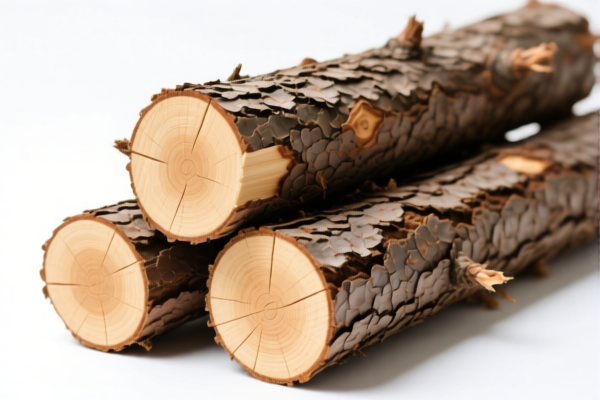
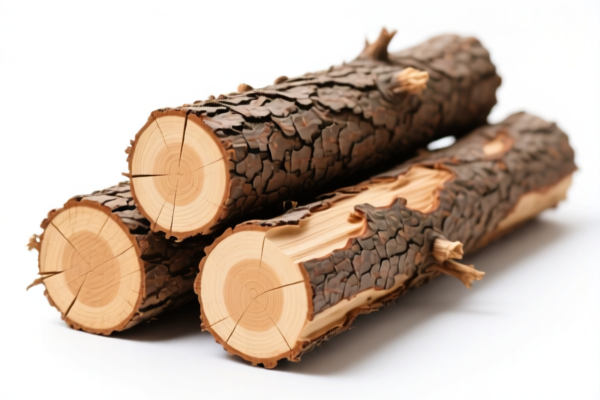
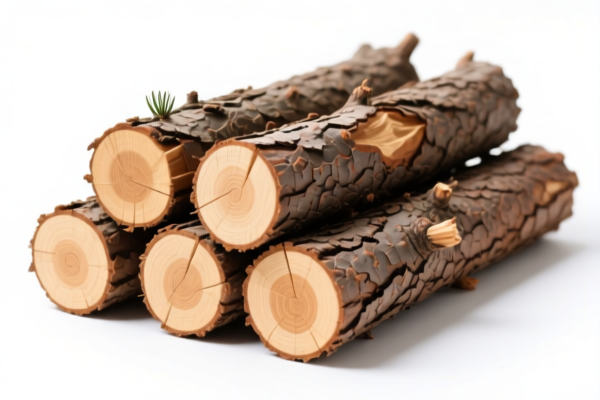
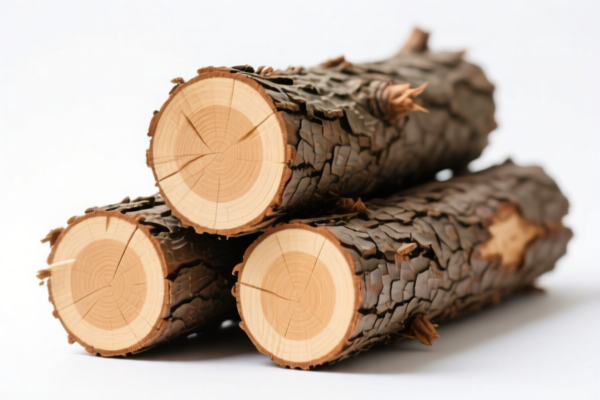
AI Analysis
🌲 Unprocessed Maple Wood Logs (Raw Timber)
🌐 HS Code Reference & Customs Clearance Guide | 2026 Latest Tariff Analysis | Professional Clearance Strategy
📌 I. Product Definition: Are You Truly Clear on "Unprocessed Maple Wood Logs"?
Unprocessed maple wood logs represent the most basic form of hardwood timber, derived from maple trees (Acer species). In international trade, the classification hinges on two critical factors: Species (Hardwood vs. Softwood) and Processing Level (Raw/Rough vs. Processed).
Key Distinction: * Hardwood Logs (Non-coniferous): Maple is a broadleaf hardwood. If the wood is in its natural state (bark removed or not, but not sawn), it falls under Chapter 44 Heading 44.01 or 44.03 depending on the specific preparation. * Fuel Wood vs. Timber: If the logs are explicitly designated for burning (fuel), they fall under 44.01. If they are intended for industrial processing (sawing, veneer), they typically fall under 44.03 (Wood in the rough) or 44.07 (Wood sawn/chipped).
⚠️ Critical Classification Point:
- 44.01: Strictly for fuel wood (logs suitable for burning).
- 44.03: Wood in the rough, whether or not stripped of bark or sapwood, or roughly squared (non-fuel timber).
- 44.07: Wood sawn or chipped lengthwise, sliced or peeled (thickness >6mm).
📦 II. HS Code Classification Details (2026 Latest Tariff Authority Comparison)
Based on the provided data, here are the three potential classifications for Unprocessed Maple Wood Logs, depending on the exact commercial intent and physical state:
| HS Code | Product Description | Applicable Scenario | Status |
|---|---|---|---|
4401.12.00.00 |
Fuel Wood, Non-Coniferous | Logs specifically designated and used as fuel. Maple is a non-coniferous (hardwood) species. | ✅ Fuel Only |
4403.99.01.60 |
Wood in the Rough (Other) | Raw maple logs intended for further processing (sawmilling, veneer), not as fuel. Matches "Maple" + "Raw Log" criteria. | ✅ Raw Timber |
4407.93.00.20 |
Wood Sawn/Chipped (Other) | Maple logs that have been processed to a thickness >6mm but not fully finished. Classified under "Other" hardwoods if not specifically named as "Hard Maple." | ⚠️ Processed Rough Wood |
🔍 Key Insight:
-4401.12.00.00is the safest bet only if the commercial invoice and packing list explicitly state "For Fuel" or "Fuel Wood."
-4403.99.01.60is the standard code for industrial raw timber. It matches the product description "Maple Wood" + "Logs (Rough Wood)" perfectly.
-4407.93.00.20applies if the logs have been sawn or chipped to a specific thickness (>6mm), moving them from "rough wood" to "sawn wood."
💰 III. 2026 Latest Tariff Rate Breakdown (Including Surtaxes & Policy Add-ons)
✅ Applicable Country: United States (US)
✅ Country of Origin: China (CN) (Note: Tax details provided in source data imply US-China trade context)
✅ Effective Date: Current regulations apply.
🎯 1. 4401.12.00.00 —— Fuel Wood, Non-Coniferous
| Item | Content |
|---|---|
| Basic Tariff | 0.0% (ad valorem) |
| Section 301 Surtax | +25.0% |
| Section 122 Tariff | +10.0% (Specific provision for certain Chinese goods) |
| Total Tax Rate | 35.0% |
| Tax Calculation | CIF Value × 35% |
| De Minimis Eligibility | ❌ Not Applicable (Physical goods generally excluded or low threshold) |
| Legal Basis Path | USITC:4401.12.00.00 → Section 301: Footnote 9903.88.01 → Section 122: Specific Provision |
📌 Explanation:
- Base Tariff: 0% for most wood fuel.
- Section 301: The 25% surtax applies to a wide range of Chinese imports, including certain wood products.
- Section 122: The additional 10% is a specific tariff imposed under different trade authorities.
- Total: 35% is the effective duty rate.
🎯 2. 4403.99.01.60 —— Wood in the Rough (Other, Non-Coniferous)
| Item | Content |
|---|---|
| Basic Tariff | 0.0% |
| Section 301 Surtax | +25.0% |
| Section 122 Tariff | +10.0% |
| Total Tax Rate | 35.0% |
| Tax Calculation | CIF Value × 35% |
| De Minimis Eligibility | ❌ Not Applicable |
| Legal Basis Path | USITC:4403.99.01.60 → Section 301: Footnote 9903.88.01 → Section 122: Specific Provision |
📌 Note:
- This code is for non-fuel raw maple logs.
- The tariff structure is identical to fuel wood in this specific dataset: Base 0% + 25% (301) + 10% (122) = 35%.
- Crucial: Even though it's "industrial" timber, it attracts the same high surtaxes in this specific classification context.
🎯 3. 4407.93.00.20 —— Sawn Wood (Other, Non-Coniferous)
| Item | Content |
|---|---|
| Basic Tariff | 0.0% |
| Section 301 Surtax | +25.0% |
| Section 122 Tariff | +10.0% |
| Total Tax Rate | 35.0% |
| Tax Calculation | CIF Value × 35% |
| De Minimis Eligibility | ❌ Not Applicable |
| Legal Basis Path | USITC:4407.93.00.20 → Section 301: Footnote 9903.88.01 → Section 122: Specific Provision |
📌 Note:
- Applies if logs are sawn/chipped (>6mm).
- Same 35% total rate. The classification changes, but the tax burden remains consistent across these three codes in the provided data.
🛠️ IV. Customs Clearance Operational Advice (Practical Pitfall Avoidance Guide)
✅ 1. Required Documentation Checklist (Non-Negotiable)
| Document | Required? | Explanation |
|---|---|---|
| ✅ Commercial Invoice | ✔️ | Must clearly state "Unprocessed Maple Wood Logs" and specify HS Code. |
| ✅ Packing List | ✔️ | Detail quantity, weight, and volume. |
| ✅ Phytosanitary Certificate | ✔️ | MANDATORY. Wood products require pest control certification from the country of origin. |
| ✅ ISPM 15 Compliance | ✔️ | If packaging is made of wood, it must be heat-treated/fumigated and marked. |
| ✅ Product Description | ✔️ | Explicitly state: "Maple (Acer spp.)", "Raw/Rough", "Non-Coniferous". |
| ✅ Certificate of Origin | ✔️ | To prove origin for tariff determination. |
✅ 2. Declaration Tips (Key Mantras)
🔥 "Clear Species, Clear Purpose, Clear Treatment!"
| Situation | Correct Declaration | Wrong Approach |
|---|---|---|
| Logs for Fuel | Use 4401.12.00.00. Declare: "Fuel Wood, Non-Coniferous, Maple." |
Declaring as "Timber" without specifying use → Risk of reclassification. |
| Logs for Processing | Use 4403.99.01.60. Declare: "Raw Maple Logs, Non-Coniferous, for Industrial Processing." |
Declaring as "Sawn Wood" if not cut → Misclassification. |
| Sawn/Chipped Wood | Use 4407.93.00.20. Declare: "Sawn Maple Wood, >6mm Thickness." |
Declaring as "Raw Logs" → Rejected by Customs. |
| Wood Packaging | Ensure ISPM 15 mark is visible. | No mark → Seizure or destruction. |
✅ 3. Special Considerations
| Situation | Handling Advice |
|---|---|
| Pest Control Risk | Maple logs are susceptible to borers. Ensure Phytosanitary Certificate is valid and matches the shipment. |
| Species Identification | Customs may inspect to confirm it is Maple (Acer spp.) and not a protected species or a different hardwood. |
| Value Declaration | Ensure CIF value is accurate. 35% of a high value = significant duty. |
| Section 122 Applicability | Confirm if the specific product entry is still subject to the 10% Section 122 tariff. Policies change. |
🌍 V. Global Market Comparison (2026 Latest)
| Country/Region | Recommended HS Code | Tariff (China Origin) | Certification | Notes |
|---|---|---|---|---|
| 🇺🇸 USA | 4401.12.00.00 / 4403.99.01.60 |
35% (0% + 25% + 10%) | Phytosanitary + ISPM 15 | High tariffs due to Section 301 & 122. |
| 🇨🇳 China | 4401.12.00.00 / 4403.99.01.60 |
0% (Import Duty) | Phytosanitary | No Section 301. |
| 🇪🇺 EU | 4401.12.00.00 / 4403.99.01.60 |
~0-2.5% (depends on specific code) | Phytosanitary + Timber Regulation | Strict FLEG compliance. |
| 🇯🇵 Japan | 4401.12.00.00 / 4403.99.01.60 |
0-2% | Phytosanitary | No major surtaxes. |
📌 Conclusion:
- The USA imposes a 35% effective tariff on these wood products due to trade policies.
- Phytosanitary compliance is as critical as the HS code. Failure here leads to immediate rejection.
- Accurate Description is vital. "Maple Logs" is not enough; specify use (fuel vs. industrial) to choose between4401and4403.
📌 VI. Common Errors & Pitfalls (Lessons Learned)
❌ Error 1: Failing to specify "Non-Coniferous"
👉 Consequence: Customs may misclassify as softwood, leading to incorrect tariff application and delays.
❌ Error 2: Missing Phytosanitary Certificate
👉 Consequence: Shipment held or destroyed. Wood is a high-risk category for pests.
❌ Error 3: Misdeclaring "Sawn" wood as "Logs"
👉 Consequence: If wood is >6mm thick and sawn, declaring as "logs" (4403) may be challenged. Use 4407 if applicable.
❌ Error 4: Ignoring ISPM 15 for Packaging
👉 Consequence: Wooden pallets/crates without marks = Rejection.
✅ Correct Practice:
"Unprocessed Maple Wood Logs, Non-Coniferous, Raw State, Phytosanitary Certified, ISPM 15 Compliant Packaging. HS Code: 4403.99.01.60."
🎯 VII. Conclusion: Precise Classification for Smooth Clearance
🎯 Remember the Mantra:
🔹 "Fuel = 4401, Rough Timber = 4403, Sawn = 4407."
🔹 "35% Total Duty in USA: 0% Base + 25% 301 + 10% 122."
🔹 "Phytosanitary is King, ISPM 15 is Queen."
📌 Pro Tip:
If you are importing large volumes, consider applying for an Advance Ruling from US Customs (CBP) to confirm the HS code and tariff treatment before shipment. This mitigates the risk of post-import audits and penalties.
📣 Immediate Action:
📞 Verify Phytosanitary Certificate validity.
📄 Ensure HS Code matches product form (Raw vs. Sawn).
🚀 Clear the Wood, Clear the Customs, Clear the Profit!
✨ Professional Customs Clearance Starts with Accurate Classification!
💼 Every percentage point matters in wood trade tariffs!
Customer Reviews
About HS Code Classification
The Harmonized System (HS) is an internationally standardized nomenclature developed by the World Customs Organization (WCO) to classify traded products. Over 200 countries use the HS system as the basis for customs tariffs, trade statistics, and import/export regulations.
Each HS code follows a hierarchical structure:
- Chapter (2 digits) — Broad category of goods (e.g., Chapter 84: Machinery and Mechanical Appliances)
- Heading (4 digits) — More specific grouping within the chapter
- Subheading (6 digits) — Internationally standardized breakdown, used by all WCO member countries
- National subdivisions (8-10 digits) — Country-specific extensions for further classification, such as US HTSUS 10-digit codes
Correct HS code classification is essential for smooth customs clearance, accurate duty payment, and compliance with trade regulations. Misclassification can lead to customs delays, overpayment of duties, or penalties.
When importing from CN to US, the applicable tariff rates may include:
- Most-Favored-Nation (MFN) rate — The standard duty rate applied to WTO members
- General rate — Applied to countries without trade agreements
- Trade remedy duties — Additional tariffs such as Section 301 (anti-dumping), Section 232 (national security), or countervailing duties
The information provided on this page is for reference purposes only. For official classification, please consult with your local customs authority or a licensed customs broker.