Unprocessed Raw Cowhide
CN → US| HS Code | Tariff Rate | Origin | Destination | Doc |
|---|---|---|---|---|
| 4101201010 | 17.5% | CN | US | Official Doc |
| 4101901020 | 17.5% | CN | US | Official Doc |
| 4101501020 | 17.5% | CN | US | Official Doc |
| 4205000500 | 37.9% | CN | US | Official Doc |
| 4205001000 | 35.0% | CN | US | Official Doc |
Product Images
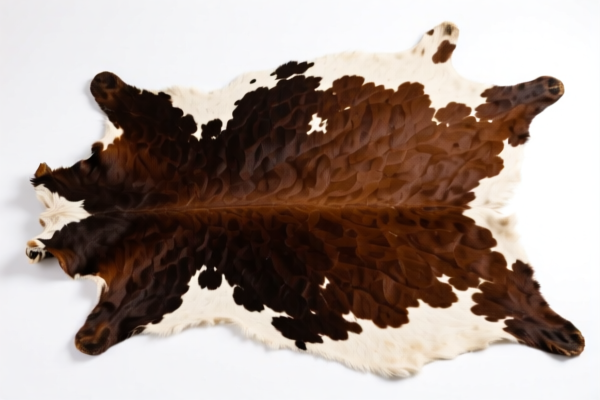
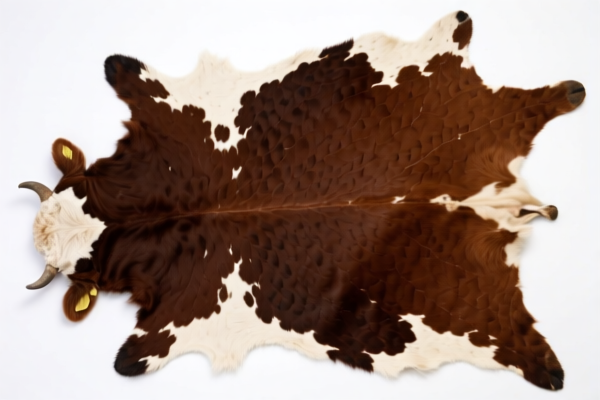
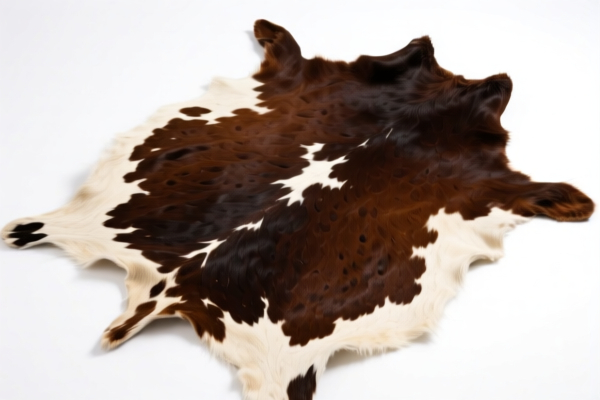
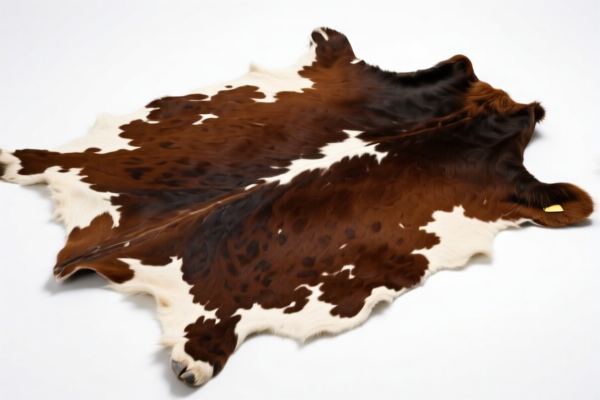
AI Analysis
🐄 Unprocessed Raw Cowhide (Raw Skins of Bovines)
🌐 HS Code Reference & Customs Clearance Guide | 2026 Latest Tariff Analysis | Professional Import Strategy
📌 I. Product Definition & Classification: What is "Unprocessed Raw Cowhide"?
Unprocessed Raw Cowhide refers to the skins of bovine animals (cows, bulls, oxen, calves, and water buffalo) that have not undergone any tanning, preservative, or finishing processes. They are the foundational raw material for the leather industry.
In international trade, these are strictly classified under Chapter 41 (Leather, furskins and other articles of leather; pieces of non-felted fabrics impregnated, coated, covered or sandwiched with material or layers of such material). The key distinction lies in their state:
- Salted/Salted-Dried: The most common form for export to prevent decay before tanning.
- Fresh/Wet-Salted: Requires strict temperature control and faster processing.
- Dry (Natural Air-Dried): Skins dried without salt or chemical pre-treatment.
⚠️ Key Distinction:
- If the hide is tanned, crust, or finished → It falls under Chapter 41 (Parts 2-4) or Chapter 42.
- If the hide is simply cleaned, salted, or dried without tanning → It belongs to HS 4101.
- If processed into strips or primary shapes (like belts in raw form) → It may fall under HS 4205.
📦 II. HS Code Classification Details (2026 Latest Tariff Authority Reference)
| HS Code | Product Description | Application Scenario | State of Processing |
|---|---|---|---|
4101.20.10.10 |
Dried raw hides of bovine animals (excluding calves), untreated | Common export form: Salted-dried or air-dried full hides | ✅ Untreated, Dried |
4101.90.10.20 |
Dried raw hides of bovine animals (excluding calves), other | Pre-tanned but dried, or specific drying methods not covered above | ✅ Dried, Pre-tanned/Dried Preserved |
4101.50.10.20 |
Raw skins of water buffalo, untreated | Water buffalo hides, full skin, no tanning | ✅ Untreated, Water Buffalo |
4205.00.05.00 |
Raw/Unprocessed leather straps (bovine), primary form | Raw leather cut into belt blanks or strips, not yet tanned/finished | ✅ Primary Shape, Raw |
4205.00.10.00 |
Leather articles, unprocessed, primary form | Other raw leather articles (e.g., raw leather blanks, sheets) | ✅ Primary Shape, Raw |
🔍 Important Note:
- Chapter 41 (4101) is for whole skins/hides.
- Chapter 42 (4205) is for articles of leather that are in a primary, unfinished state (e.g., cut into shapes but not yet tanned or dyed).
- Misclassification between 4101 and 4205 can lead to significant duty differences due to the "122 Clause" tariffs.
💰 III. 2026 Latest Tariff Rate Breakdown (Including Additional Duties & Policy Surcharges)
✅ Applicable Country: China (Export) → USA (Import)
✅ Origin: China (CN)
✅ Effective Date: Post-2025 Trade Policies (Section 301 & IEEPA)
🎯 1. 4101.20.10.10 —— Dried Raw Bovine Hides (Salted-Dried/Air-Dried)
| Item | Content |
|---|---|
| Base Duty | 0.0% (Most Favored Nation Rate) |
| Section 301 Add-on | +7.5% (China-specific additional duty) |
| Section 122 Tariff (IEEPA) | +10% (Trade sanctions/specific list surcharge) |
| Total Tax Rate | 17.5% |
| Tax Calculation | CIF Value × 17.5% |
| De Minimis Exemption | ❌ Not Applicable (High value/raw material) |
| Legal Basis Path | HTS:4101.20.10.10 → Footnote 9903.88.01 → IEEPA:9903.01.24 |
📌 Explanation:
- Although the base duty is 0%, the Section 301 tariff of 7.5% applies to all Chinese-origin raw hides.
- The Section 122 tariff of 10% is a specific additional levy often applied to certain raw materials or strategic imports under recent executive orders.
- Total Effective Rate: 17.5%. This is a standard rate for raw hides, but it is significantly higher than base rates due to trade tensions.
🎯 2. 4101.90.10.20 —— Other Dried Raw Bovine Hides
| Item | Content |
|---|---|
| Base Duty | 0.0% |
| Section 301 Add-on | +7.5% |
| Section 122 Tariff (IEEPA) | +10% |
| Total Tax Rate | 17.5% |
| Tax Calculation | CIF Value × 17.5% |
| De Minimis Exemption | ❌ Not Applicable |
| Legal Basis Path | HTS:4101.90.10.20 → Footnote 9903.88.01 → IEEPA:9903.01.24 |
📌 Note:
- This code covers hides that do not fit the specific "salted-dried" definition of 4101.20, or are processed differently (e.g., pre-tanned but dried).
- The tariff structure is identical to 4101.20.10.10.
🎯 3. 4101.50.10.20 —— Raw Water Buffalo Hides
| Item | Content |
|---|---|
| Base Duty | 0.0% |
| Section 301 Add-on | +7.5% |
| Section 122 Tariff (IEEPA) | +10% |
| Total Tax Rate | 17.5% |
| Tax Calculation | CIF Value × 17.5% |
| De Minimis Exemption | ❌ Not Applicable |
| Legal Basis Path | HTS:4101.50.10.20 → Footnote 9903.88.01 → IEEPA:9903.01.24 |
📌 Note:
- Water buffalo hides are often thicker and heavier. Ensure accurate weight declarations.
- Same 17.5% total duty applies.
🎯 4. 4205.00.05.00 —— Unprocessed Leather Straps (Bovine)
| Item | Content |
|---|---|
| Base Duty | 2.9% |
| Section 301 Add-on | +25.0% |
| Section 122 Tariff (IEEPA) | +10% |
| Total Tax Rate | 37.9% |
| Tax Calculation | CIF Value × 37.9% |
| De Minimis Exemption | ❌ Not Applicable |
| Legal Basis Path | HTS:4205.00.05.00 → Footnote 9903.88.01 → IEEPA:9903.01.24 |
📌 Critical Warning:
- This code is for processed shapes (e.g., cut into belt blanks) but not tanned.
- The base duty is 2.9% (higher than raw hides), and the Section 301 duty jumps to 25% (vs. 7.5% for raw hides).
- Total 37.9% is significantly higher. Do not misclassify raw hides as "straps" unless they are pre-cut.
🎯 5. 4205.00.10.00 —— Other Unprocessed Leather Articles
| Item | Content |
|---|---|
| Base Duty | 0.0% |
| Section 301 Add-on | +25.0% |
| Section 122 Tariff (IEEPA) | +10% |
| Total Tax Rate | 35.0% |
| Tax Calculation | CIF Value × 35.0% |
| De Minimis Exemption | ❌ Not Applicable |
| Legal Basis Path | HTS:4205.00.10.00 → Footnote 9903.88.01 → IEEPA:9903.01.24 |
📌 Note:
- This is a catch-all for raw leather articles in primary forms (e.g., raw leather sheets, blanks).
- 35.0% total duty. Still much higher than raw hides (17.5%) due to the 25% Section 301 rate.
🛠️ IV. Customs Clearance Practical Advice (Real-World Pitfall Guide)
✅ 1. Preparation Checklist (Mandatory)
| Document | Required | Description |
|---|---|---|
| ✅ Commercial Invoice | ✔️ | Must clearly state "Raw Bovine Hides" or "Raw Water Buffalo Skins", not "Leather" or "Finished Goods". |
| ✅ Packing List | ✔️ | Detail weight, number of hides, and method of preservation (salted, dried, fresh). |
| ✅ Certificate of Origin (CO) | ✔️ | Essential for proving China origin (subject to tariffs). |
| ✅ Veterinary Health Certificate | ✔️ | Critical: Must confirm hides are free from anthrax, brucellosis, and other diseases. Without this, shipment will be held or destroyed. |
| ✅ Phytosanitary Certificate | ✔️ | If hides are not properly salted/preserved, additional certification may be required. |
| ✅ Product Photos | ✔️ | Clear images of hides showing condition (salted/dried) and any markings. |
✅ 2. Declaration Tips (Key Rules)
🔥 "Raw vs. Processed: Get it Right, Pay Less!"
| Scenario | Correct Declaration | Wrong Declaration | Consequence |
|---|---|---|---|
| Whole hides, salted/dried | 4101.20.10.10 |
"Leather Strips" or "Finished Leather" | Overpay 20%+ (37.9% vs 17.5%) |
| Pre-cut raw belts | 4205.00.05.00 |
"Raw Hides" | Misclassification → Penalty + Back Duties |
| Water Buffalo Hides | 4101.50.10.20 |
"Bovine Hides" | Minor error, but accurate description avoids scrutiny |
| Tanned/Finished Leather | 4104/4105 |
"Raw Hides" | Major Fraud Risk → Seizure |
✅ 3. Special Cases & Handling
| Situation | Handling Advice |
|---|---|
| Mixed Species | If shipment contains both cow and buffalo, declare all separately. Do not mix HS codes in one line item. |
| Weight Discrepancy | Raw hides can lose water weight. Ensure net weight matches invoice and packing list. Discrepancies >5% trigger inspections. |
| Preservation Method | Specify if "salted" or "dried". Wet/salted hides require faster customs clearance to prevent spoilage. |
| Veterinary Issues | If hides show signs of decay or improper salting, CBP may require a USDA inspection before release. |
🌍 V. Global Market Comparison (2026 Latest)
| Country/Region | Recommended HS Code | Tariff (China Origin) | Certification | Notes |
|---|---|---|---|---|
| 🇺🇸 USA | 4101.20.10.10 |
17.5% | USDA Vet Cert | High scrutiny on disease-free status |
| 🇨🇳 China | 4101.20.10.10 |
0% (Import Duty) | N/A | Raw hides imported for tanning |
| 🇪🇺 EU | 4101.20.10 |
0% (Mostly) | EC Health Cert | Strict on animal by-products |
| 🇬🇧 UK | 4101.20.10 |
0% | UK Health Cert | Post-Brexit rules apply |
| 🇦🇺 Australia | 4101.20.10 |
5% | Biosecurity Cert | High biosecurity standards |
📌 Conclusion:
- The USA imposes a 17.5% effective duty on raw hides from China.
- Veterinary certification is non-negotiable.
- Avoid misclassifying as "finished leather" or "articles" to prevent higher duties (35-37.9%) and legal risks.
📌 VI. Common Mistakes & Pitfalls (Lessons Learned)
❌ Mistake 1: Declaring "Leather" instead of "Raw Hides"
👉 Consequence: If not tanned, it’s raw hides. If deemed "finished," it may be rejected or penalized for incorrect description.
❌ Mistake 2: Ignoring Veterinary Certification
👉 Consequence: Shipment detained by USDA. Hides may be destroyed if disease is suspected. Costly delays.
❌ Mistake 3: Misclassifying Pre-Cut Hides as Whole Hides
👉 Consequence: If hides are cut into belt shapes, they fall under 4205, not 4101. This leads to higher duties (37.9% vs 17.5%) and potential penalties.
❌ Mistake 4: Under-declaring Weight
👉 Consequence: CBP checks weight. Discrepancies lead to audits, back taxes, and fines.
✅ Correct Practice:
"Raw Bovine Hides, Salted-Dried, Veterinary Certificate Attached, Net Weight: 500kg, HS: 4101.20.10.10"
🎯 VII. Conclusion: Professional Classification, Smooth Clearance!
🎯 Remember the Mantra:
🔹 "Raw is 17.5%, Cut is 37.9%!"
🔹 "No Vet Cert, No Entry!"
🔹 "Be Specific: Cow vs. Buffalo, Salted vs. Dried!"
📌 Pro Tip:
If you are importing large volumes, consider Advance Ruling (Ruling Letter) from CBP to confirm classification. This provides legal certainty and avoids unexpected tariffs.
📣 Take Action Now:
📞 Contact a Licensed Customs Broker + Secure Veterinary Certificate + Declare Accurately
🚀 Ensure your raw hides clear customs smoothly, avoid delays, and minimize tax costs!
✨ Professional Classification, Cost-Effective Clearance!
💼 Every penny saved in tariffs adds to your bottom line!
Customer Reviews
About HS Code Classification
The Harmonized System (HS) is an internationally standardized nomenclature developed by the World Customs Organization (WCO) to classify traded products. Over 200 countries use the HS system as the basis for customs tariffs, trade statistics, and import/export regulations.
Each HS code follows a hierarchical structure:
- Chapter (2 digits) — Broad category of goods (e.g., Chapter 84: Machinery and Mechanical Appliances)
- Heading (4 digits) — More specific grouping within the chapter
- Subheading (6 digits) — Internationally standardized breakdown, used by all WCO member countries
- National subdivisions (8-10 digits) — Country-specific extensions for further classification, such as US HTSUS 10-digit codes
Correct HS code classification is essential for smooth customs clearance, accurate duty payment, and compliance with trade regulations. Misclassification can lead to customs delays, overpayment of duties, or penalties.
When importing from CN to US, the applicable tariff rates may include:
- Most-Favored-Nation (MFN) rate — The standard duty rate applied to WTO members
- General rate — Applied to countries without trade agreements
- Trade remedy duties — Additional tariffs such as Section 301 (anti-dumping), Section 232 (national security), or countervailing duties
The information provided on this page is for reference purposes only. For official classification, please consult with your local customs authority or a licensed customs broker.