Unprocessed Western Hemlock Timber
CN → US| HS Code | Tariff Rate | Origin | Destination | Doc |
|---|---|---|---|---|
| 4407140000 | 35.0% | CN | US | Official Doc |
| 4407190065 | 35.0% | CN | US | Official Doc |
Product Images
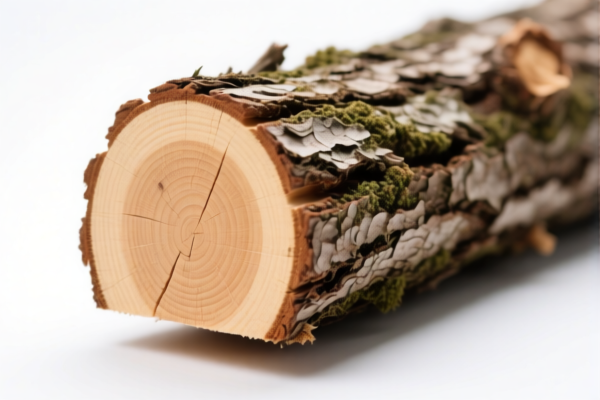
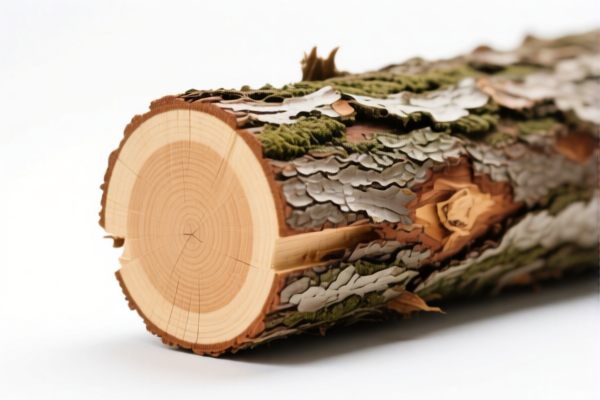
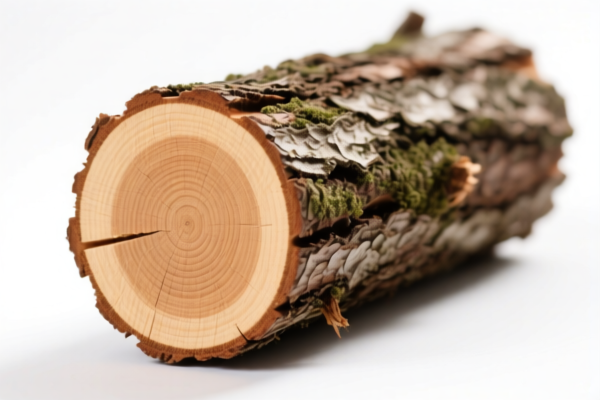
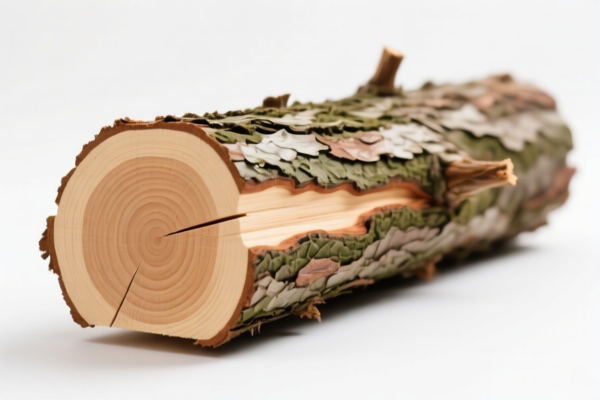
AI Analysis
🌲 Western Hemlock Timber (Unprocessed/Dimensional Lumber)
🌐 HS Code Reference & Customs Clearance Guide | 2026 Latest Tariff Analysis | Professional Entry Strategy
📌 Part 1: Product Definition & Classification – What Exactly is "Western Hemlock"?
Unprocessed Western Hemlock Timber refers to wood that has been sawn, chipped lengthwise, sliced, or peeled, with a thickness exceeding 6mm. It is classified under Chapter 44 (Wood and Articles of Wood), specifically targeting Coniferous Wood.
In international trade, the classification hinges on two critical factors: 1. Species Identification: Is it Tsuga heterophylla (Western Hemlock) and associated Firs (Abies spp.), or a different species within the Hemlock genus (Tsuga spp.)? 2. Processing Level: Is it planed, sanded, or end-jointed, or is it in a raw, untreated state?
⚠️ Key Distinction Points:
- Hem-fir (Western Hemlock + Fir): Often grouped together in North American trade terms. If the shipment contains Tsuga heterophylla and/or Abies spp., it falls under 4407.14.
- Pure Hemlock (Tsuga spp.): If the wood is specifically identified as Tsuga species (excluding the Hem-fir mix or if it falls under "Other") and is not treated, it may fall under 4407.19.
- Thickness: Must exceed 6mm to be classified here. If ≤6mm, it falls under Chapter 47 (Paper/Pulp) or other wood products.
📦 Part 2: HS Code Classification Details (2026 Latest Authorized Comparison)
Based on the provided data, there are two primary HS Codes applicable to Unprocessed Western Hemlock Timber, depending on the specific species mix and treatment status.
| HS Code | Product Description | Applicable Scenario | Treatment Status |
|---|---|---|---|
4407.14.00.00 |
Wood of Coniferous: Hem-fir (Western Hemlock (Tsuga heterophylla) and Fir (Abies spp.)) | Timber containing Western Hemlock mixed with Fir, planed, sanded, or end-jointed, >6mm thickness. | ✅ Can be Planed/Sanded/End-Jointed |
4407.19.00.65 |
Wood of Coniferous: Other Other: Not treated: Hemlock (Tsuga spp.) | Pure Tsuga spp. timber that is untreated and not classified under the specific Hem-fir heading. | ❌ Not Treated |
🔍 Critical Note:
-4407.14.00.00is the most common classification for commercial "Hem-Fir" lumber from North America. It covers wood that may have been processed (planed/sanded).
-4407.19.00.65is a specific subset for Tsuga spp. that is not treated. If the wood is treated (e.g., pressure-treated for outdoor use), it may fall under a different subheading (e.g., 4407.19.00.50 or similar), which is not included in the provided data.
- Do not mix codes: Ensure your Bill of Lading and Commercial Invoice clearly specify the species. Misclassifying Tsuga as Abies or vice versa can lead to delays.
💰 Part 3: 2026 Latest Tariff Rate Breakdown (Including Surcharges)
✅ Applicable Country: United States (US)
✅ Origin: China (CN) (Assumed based on the context of high surtaxes in the provided data)
✅ Effective Date: 2025 November 10 onwards (including subsequent imports)
🎯 1. 4407.14.00.00 – Coniferous Wood: Hem-fir (Western Hemlock & Fir)
| Item | Detail |
|---|---|
| Base Tariff Rate | 0.0% (ad valorem) |
| Additional Tariff (Section 301 / USITC) | +25.0% |
| Total Tariff Rate | 25.0% |
| Tax Calculation | CIF Value × 25% |
| De Minimis Exemption Available? | ❌ No (High-value industrial goods do not qualify) |
| Legal Basis | Based on provided data: 基础关税: 0.0%, 加征关税: 25.0% |
📌 Explanation:
- Although the base WTO tariff for wood products is 0%, the 25% surtax is applied due to Section 301 trade measures against Chinese-origin goods.
- This rate applies regardless of whether the wood is planed, sanded, or end-jointed, as long as it falls under 4407.14.
- Total Cost Impact: For every $10,000 CIF value, you pay $2,500 in additional duties.
🎯 2. 4407.19.00.65 – Coniferous Wood: Other (Untreated Hemlock, Tsuga spp.)
| Item | Detail |
|---|---|
| Base Tariff Rate | 0.0% (ad valorem) |
| Additional Tariff (Section 301 / USITC) | +25.0% |
| Total Tariff Rate | 25.0% |
| Tax Calculation | CIF Value × 25% |
| De Minimis Exemption Available? | ❌ No |
| Legal Basis | Based on provided data: 基础关税: 0.0%, 加征关税: 25.0% |
📌 Note:
- The tariff rate is identical to 4407.14.00.00 (25%).
- The key differentiator is the species and treatment status. Ensure your documentation explicitly states "Untreated Tsuga spp." to avoid being misclassified or audited.
- If the wood is treated (e.g., with preservatives), it might fall under a different HS code not listed in the provided data, potentially altering the tax rate. Stick to the "Not Treated" declaration if using this code.
🛠️ Part 4: Customs Clearance Practical Advice (Pitfall Avoidance Guide)
✅ 1. Required Documentation Checklist (Must-Haves)
| Document | Must Provide | Explanation |
|---|---|---|
| ✅ Commercial Invoice | ✔️ | Must clearly state: "Wood Sawn Lengthwise, Thickness >6mm," "Coniferous," and specific species (Tsuga heterophylla or Tsuga spp.). |
| ✅ Packing List | ✔️ | Detail number of bundles, board feet, and weight. |
| ✅ Phytosanitary Certificate | ✔️ | Crucial for Wood. Proves the wood is free from pests/diseases. Issued by the exporting country's plant protection agency. |
| ✅ ISPM 15 Marking | ✔️ | Wooden packaging (pallets/crates) MUST be heat-treated/fumigated and marked with the ISPM 15 stamp. |
| ✅ Species Declaration Letter | ✔️ | From the supplier, confirming the exact species and that it is not treated (for 4407.19.00.65). |
| ✅ Bill of Lading | ✔️ | Consistent with Invoice and Packing List. |
✅ 2. Declaration Tips (Key Mnemonic)
🔥 "Species Clear, Thickness >6mm, Untreated for .65, Hem-Fir for .14, Tax is 25%!"
| Scenario | Correct Declaration | Wrong Approach |
|---|---|---|
| Mixed Western Hemlock & Fir | 4407.14.00.00 |
Using "Other Wood" → Risk of audit |
| Pure Tsuga, Untreated | 4407.19.00.65 |
Claiming "Hem-fir" → Misclassification |
| Treated Wood | ❌ Not in Data | Using 4407.19.00.65 for treated wood → Severe Penalty |
| Wood <6mm Thickness | ❌ Not in Data | Using 4407.x.x → Wrong Chapter (likely 47 or 48) |
✅ 3. Special Case Handling
| Situation | Recommendation |
|---|---|
| Mixed Shipments | If the container has both Hem-fir and Pure Tsuga, separate the HS codes on the manifest. Mixing them can lead to the entire shipment being assessed at the higher or more complex rate. |
| Treated vs. Untreated | If the wood is pressure-treated, do not use 4407.19.00.65. Find the correct HS code for treated wood (often 4407.19.00.50 or similar) and check the corresponding tax rate. The provided data only covers "Not Treated". |
| Origin Verification | Ensure the Certificate of Origin matches the US claim. If the wood is harvested in Canada but processed in China, the origin rules (CTC or Regional Value Content) must be met to qualify for any potential FTAs (though Section 301 applies to China-origin goods regardless of FTA). |
🌍 Part 5: Global Market Customs Comparison (2026 Latest)
| Country/Region | Recommended HS Code | Tariff (China Origin) | Certification Required | Notes |
|---|---|---|---|---|
| 🇺🇸 USA | 4407.14.00.00 or 4407.19.00.65 |
25% (Section 301) | Phytosanitary + ISPM 15 | High Tariff. No duty-free access. |
| 🇨🇳 China | 4407.14.00.00 or 4407.19.00.65 |
~20-25% (MFN) | Phytosanitary | Domestic trade may have different rules. |
| 🇪🇺 EU | 4407.10.00 (General) |
~6.5% | FSC/PEFC (Preferred) | Wood regulations are strict on legality. |
| 🇯🇵 Japan | 4407.10.00 (General) |
~3.2% | Phytosanitary | Strict on insect-free status. |
📌 Conclusion:
- USA imposes a heavy 25% surtax on Chinese-origin Western Hemlock Timber.
- No duty exemptions are available for these codes under the provided data.
- Compliance is key: Ensure Phytosanitary Certificates and ISPM 15 marks are perfect to avoid quarantine delays.
📌 Part 6: Common Errors & Pitfall Guide (Lessons Learned)
❌ Error 1: Declaring "Treated Wood" under 4407.19.00.65
👉 Consequence: The code specifically says "Not Treated". Customs will reclassify, potentially applying a different tax rate or imposing fines for false declaration.
❌ Error 2: Ignoring the 6mm Thickness Requirement
👉 Consequence: If the wood is ≤6mm, it is not covered by these HS codes. It may be classified under Chapter 47 (Wood Pulp) or other categories, leading to incorrect duty calculation.
❌ Error 3: Mixing "Hem-fir" and "Pure Hemlock" without clarification
👉 Consequence: Customs officers may request detailed species breakdowns. Lack of clarity leads to delayed clearance.
❌ Error 4: Missing ISPM 15 Marking on Pallets
👉 Consequence: The entire shipment may be rejected or destroyed at the port due to pest control violations.
✅ Correct Approach:
"Western Hemlock (Tsuga heterophylla) Dimensional Lumber, Sawn, >6mm Thickness, Untreated, ISPM 15 Pallets, Phytosanitary Cert Attached"
🎯 Part 7: Conclusion – Precise Classification Saves Money!
🎯 Remember:
🔹 "Hem-fir goes to .14, Untreated Tsuga to .65."
🔹 "25% Tax is Non-Negotiable for China Origin."
🔹 "No Phytosanitary = No Entry."
📌 Tip:
- If your supply chain includes Canadian or US-sourced wood, the 25% surtax may not apply (depending on origin rules). Verify the Country of Origin carefully!
- For treated wood, consult a customs broker for the correct HS code, as it is not covered in the provided data.
📣 Immediate Action:
📞 Contact your Customs Broker + Provide Species Details + Ensure ISPM 15 & Phytosanitary Certificates are Ready
🚀 Let your timber pass customs smoothly, efficiently, and profitably!
✨ Professional Customs Clearance Starts with Accurate Classification!
💼 Every percent of duty counts!
Customer Reviews
About HS Code Classification
The Harmonized System (HS) is an internationally standardized nomenclature developed by the World Customs Organization (WCO) to classify traded products. Over 200 countries use the HS system as the basis for customs tariffs, trade statistics, and import/export regulations.
Each HS code follows a hierarchical structure:
- Chapter (2 digits) — Broad category of goods (e.g., Chapter 84: Machinery and Mechanical Appliances)
- Heading (4 digits) — More specific grouping within the chapter
- Subheading (6 digits) — Internationally standardized breakdown, used by all WCO member countries
- National subdivisions (8-10 digits) — Country-specific extensions for further classification, such as US HTSUS 10-digit codes
Correct HS code classification is essential for smooth customs clearance, accurate duty payment, and compliance with trade regulations. Misclassification can lead to customs delays, overpayment of duties, or penalties.
When importing from CN to US, the applicable tariff rates may include:
- Most-Favored-Nation (MFN) rate — The standard duty rate applied to WTO members
- General rate — Applied to countries without trade agreements
- Trade remedy duties — Additional tariffs such as Section 301 (anti-dumping), Section 232 (national security), or countervailing duties
The information provided on this page is for reference purposes only. For official classification, please consult with your local customs authority or a licensed customs broker.