Unprocessed Wood Shavings
CN → US| HS Code | Tariff Rate | Origin | Destination | Doc |
|---|---|---|---|---|
| 4401394220 | 35.0% | CN | US | Official Doc |
| 4407110052 | 35.0% | CN | US | Official Doc |
| 4401490020 | 35.0% | CN | US | Official Doc |
| 4407110053 | 35.0% | CN | US | Official Doc |
| 4405000000 | 38.2% | CN | US | Official Doc |
Product Images
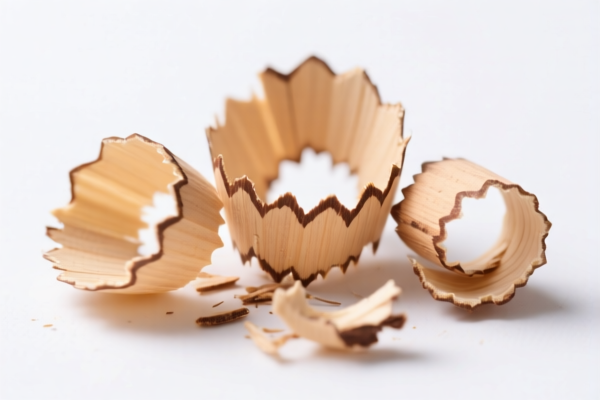
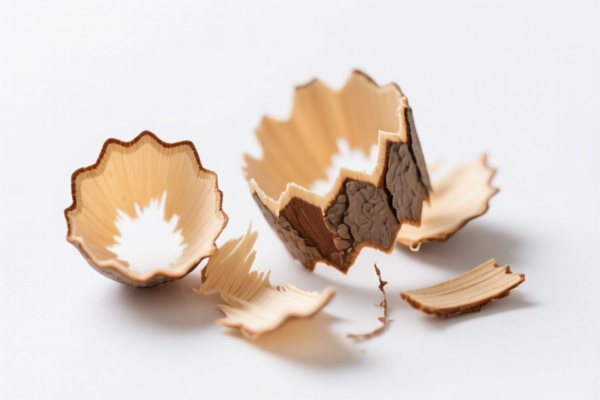
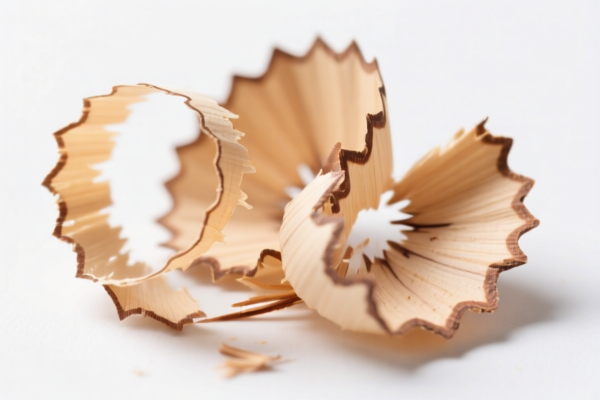
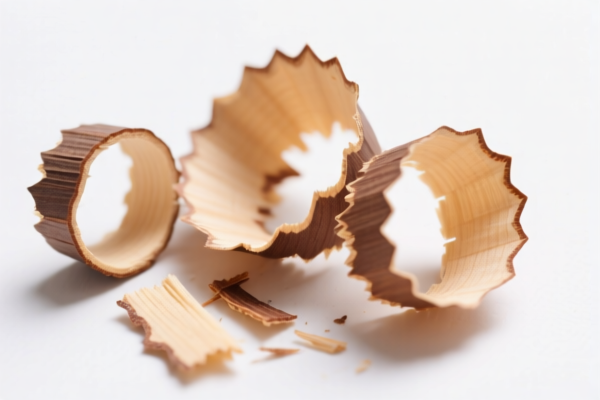
AI Analysis
🪵 Unprocessed Wood Shavings (Pine Species)
🌐 HS Code Reference & Customs Clearance Guide | 2026 Latest Tariff Analysis | Professional Clearance Strategy
📌 1. Product Definition & Classification: Do You Really Know "Wood Shavings"?
Wood shavings, specifically those from Pine (Pinus species), are raw wood products obtained by planing, sawing, or chipping pine logs. In international trade, they are primarily classified under Chapter 44 (Wood and articles of wood).
However, the exact HS Code depends heavily on the physical form (shavings vs. sawdust/powder) and the processing state (unprocessed/processed). For unprocessed pine shavings, the key distinction lies between: - Shavings & Chips: Irregular pieces, usually thicker than sawdust, suitable for particleboard or biomass fuel. - Sawdust & Waste: Fine powder or fragments, often generated during sawing or planing.
⚠️ Critical Distinction Point:
- If the material is coarse shavings, chips, or fragmented wood (not fine powder) → Classified under 4401 (Fuel/Particle Board Raw Material). - If the material is fine sawdust, wood flour, or wood wool → Classified under 4405 (Wood wool/Sawdust). - Note: Chapter 4407 applies to sawn wood, not shavings/waste, but some customs authorities may misclassify fine chips under 4407 if they resemble small cuttings. The provided data includes 4407 codes for specific "pine shavings" interpretations, likely referring to specific chip sizes.
📦 2. HS Code Classification Details (2026 Tariff Data Reference)
| HS Code | Product Description | Physical Form | Key Characteristics |
|---|---|---|---|
| 4401.39.42.20 | Pine Wood Shavings | Shavings | Pine wood, standard shavings form, suitable for biomass or industrial use. |
| 4407.11.00.52 | Pine Wood Shavings | Shavings | Coniferous pine wood, classified as shavings/chips. Note: Often scrutinized if too fine; may be viewed as sawn wood remnants. |
| 4401.49.00.20 | Pine Wood Shavings | Sawdust/Fragments | Pine wood, classified as wood屑/碎屑 (sawdust/crushed wood), finer than standard shavings. |
| 4407.11.00.53 | Pine Wood Shavings | Sliced/Cut | Coniferous pine, classified as sawn/sliced pieces. High risk of reclassification if not strictly "shavings". |
| 4405.00.00.00 | Pine Wood Shavings | Wood Wool/Sawdust | Pine wood, fine form (wood wool, powder), used for insulation or particle board raw material. |
🔍 Key Reminder:
- 4401 vs. 4407: 4401 is for raw wood fuel/chips, while 4407 is for sawn wood. Misclassification can lead to severe penalties.
- 4401 vs. 4405: The distinction is based on particle size. 4405 is for very fine materials (wood wool, sawdust). If your product is coarse, use 4401.
💰 3. 2026 Latest Tariff Rate Breakdown (Including Additional Duties)
✅ Applicable Country: USA
✅ Origin: China (CN)
✅ Effective Date: 2025-11-10 (including subsequent imports)
🎯 1. HS Codes: 4401.39.42.20, 4407.11.00.52, 4401.49.00.20, 4407.11.00.53
Product Type: Pine Wood Shavings / Chips / Sliced Pieces
Total Tariff Rate: 35.0%
| Item | Content |
|---|---|
| Base Duty Rate | 0.0% (ad valorem) |
| Section 301 Additional Duty | +25.0% (USITC Footnote related to Chinese wood products) |
| Section 122 Duty (IEEPA) | +10.0% (Specific additional duty on Chinese origin) |
| Total Tariff Rate | 35.0% |
| Tax Calculation | CIF Value × 35% |
| De Minimis Exemption Eligible | ❌ No (Denied due to high additional duties) |
| Legal Basis Path | USITC:4401/4407 → SECTION_301:25% → IEEPA:SECTION_122:10% |
📌 Explanation:
- Section 301 (25%): Standard additional duty on Chinese wood products under USTR List 4.
- Section 122 (10%): Specific additional duty imposed on certain Chinese goods.
- Total 35%: This is a high tariff for raw materials. Cost must be factored into your FOB/CIF pricing.
🎯 2. HS Code: 4405.00.00.00
Product Type: Pine Wood Shavings (Fine/Sawdust/Wood Wool)
Total Tariff Rate: 38.2%
| Item | Content |
|---|---|
| Base Duty Rate | 3.2% (ad valorem) |
| Section 301 Additional Duty | +25.0% |
| Section 122 Duty (IEEPA) | +10.0% |
| Total Tariff Rate | 38.2% |
| Tax Calculation | CIF Value × 38.2% |
| De Minimis Exemption Eligible | ❌ No |
| Legal Basis Path | USITC:4405.00.00.00 → SECTION_301:25% → IEEPA:SECTION_122:10% |
📌 Note:
- The base duty is 3.2% for wood wool/sawdust, unlike the 0% for shavings/chips.
- This makes fine pine shavings more expensive to import than coarse shavings.
- Ensure your product is not classified as "wood wool" if it is coarse, to avoid this higher base rate.
🛠️ 4. Customs Clearance Practical Advice (Avoid Pitfalls)
✅ 1. Required Documentation Checklist
| Document | Required | Explanation |
|---|---|---|
| ✅ Product Specification Sheet | ✔️ | Must detail: Wood species (Pine), Form (Shavings/Sawdust), Moisture Content, Size (mm/inches). |
| ✅ Photo of Product | ✔️ | Clear images showing particle size. Crucial for distinguishing between 4401 (coarse) and 4405 (fine). |
| ✅ Commercial Invoice | ✔️ | Clearly state: "Unprocessed Pine Wood Shavings", Value, Origin (China). |
| ✅ Packing List | ✔️ | Detail weight, dimensions, and packaging type. |
| ✅ Phytosanitary Certificate | ✔️ | Mandatory for all wood products. Certifies no pests/diseases. |
| ✅ ISPM 15 Compliance | ✔️ | If shipped in wooden pallets/containers, they must be treated and marked. |
✅ 2. Declaration Tips (Key Keywords)
🔥 "Be Precise, Be Clear, Avoid Ambiguity!"
| Scenario | Correct Declaration | Incorrect Practice |
|---|---|---|
| Coarse Shavings | "Pine Wood Shavings, for particle board/biomass" → 4401.39.42.20 |
"Wood Chips" (ambiguous) → May be reclassified |
| Fine Sawdust | "Pine Wood Sawdust/Wool" → 4405.00.00.00 |
"Shavings" (if too fine) → Penalty for misclassification |
| Sliced Pine | "Coniferous Pine Sliced Pieces" → 4407.11.00.53 |
"Shavings" → May trigger inspection for sawn wood |
⚠️ Warning:
- Do not use generic terms like "Wood Waste" without specifying the form.
- If the shavings are mixed with other woods, declare the dominant species or use "Mixed Wood Shavings" (may have different rates).
✅ 3. Special Cases & Risk Management
| Situation | Recommendation |
|---|---|
| High Moisture Content | Declare moisture %. Excessive moisture may be rejected or incur surcharges. |
| Treated vs. Untreated | Specify if wood is treated (e.g., with preservatives). Untreated is standard for 4401/4405. |
| Origin Misdeclaration | Ensure origin is correctly marked as "China". Misdeclaration leads to severe penalties and seizure. |
| Pest Inspection | Be prepared for USDA APHIS inspection. Ensure no soil, bark, or live insects are present. |
🌍 5. Global Market Comparison (2026)
| Country/Region | Recommended HS Code | Tariff (China Origin) | Certification Requirements | Notes |
|---|---|---|---|---|
| 🇺🇸 USA | 4401.39.42.20 |
35.0% | Phytosanitary Cert | High tariff due to Section 301 & 122 |
| 🇨🇳 China | 4401.39.42.20 |
0-5% (Export/Import dependent) | N/A | Export duties may apply for some wood products |
| 🇪🇺 EU | 4401.39.42.20 |
0-6.5% | ISPM 15, FSC/PEFC (Optional) | No Section 301, but strict phytosanitary rules |
| 🇯🇵 Japan | 4401.39.42.20 |
0-5% | ISPM 15 | Low tariffs, but strict quality control |
📌 Conclusion:
- USA imposes the highest tariffs (35-38.2%) on Chinese pine shavings.
- EU and Japan are more cost-effective but require strict adherence to ISPM 15 and phytosanitary standards.
- Consider supply chain diversification if targeting the US market to mitigate tariff risks.
📌 6. Common Mistakes & Pitfalls
❌ Mistake 1: Misclassifying "Shavings" as "Sawn Wood" (4407)
👉 Consequence: Incorrect base duty (6-12%) + higher additional duties → Penalties & Delays
❌ Mistake 2: Not providing a Phytosanitary Certificate
👉 Consequence: Shipment Rejection or Destruction by USDA/APHIS
❌ Mistake 3: Vague Product Description ("Wood Material")
👉 Consequence: Customs may assign a higher generic code or impose anti-dumping duties
✅ Correct Practice:
"Pine Wood Shavings, Unprocessed, For Particle Board Production, Moisture <15%, ISPM 15 Compliant, Origin: China"
🎯 7. Conclusion: Professional Declaration, Cost Efficiency
🎯 Remember:
🔹 "Form Matters: Shavings (4401) vs. Sawdust (4405)"
🔹 "Tariff is High: 35-38.2% for US Imports from China"
🔹 "Phytosanitary is Key: No Cert = No Entry"
📌 Pro Tip:
- If your product is fine sawdust, consider if it can be classified under 4405 or if a different form can reduce the base duty.
- For US imports, calculate the 35-38.2% tariff into your landed cost.
- Pre-clearance: Submit documents to your broker before shipment to avoid port delays.
📣 Immediate Action:
📞 Contact a licensed customs broker
📋 Prepare Phytosanitary Certificate & Product Photos
🚀 Ensure accurate HS Code declaration to avoid costly penalties!
✨ Professional Clearance Starts with Accurate Classification!
💼 Every Penny Saved is a Penny Earned!
Customer Reviews
About HS Code Classification
The Harmonized System (HS) is an internationally standardized nomenclature developed by the World Customs Organization (WCO) to classify traded products. Over 200 countries use the HS system as the basis for customs tariffs, trade statistics, and import/export regulations.
Each HS code follows a hierarchical structure:
- Chapter (2 digits) — Broad category of goods (e.g., Chapter 84: Machinery and Mechanical Appliances)
- Heading (4 digits) — More specific grouping within the chapter
- Subheading (6 digits) — Internationally standardized breakdown, used by all WCO member countries
- National subdivisions (8-10 digits) — Country-specific extensions for further classification, such as US HTSUS 10-digit codes
Correct HS code classification is essential for smooth customs clearance, accurate duty payment, and compliance with trade regulations. Misclassification can lead to customs delays, overpayment of duties, or penalties.
When importing from CN to US, the applicable tariff rates may include:
- Most-Favored-Nation (MFN) rate — The standard duty rate applied to WTO members
- General rate — Applied to countries without trade agreements
- Trade remedy duties — Additional tariffs such as Section 301 (anti-dumping), Section 232 (national security), or countervailing duties
The information provided on this page is for reference purposes only. For official classification, please consult with your local customs authority or a licensed customs broker.