Unsaturated Polyester Sheet
CN → US| HS Code | Tariff Rate | Origin | Destination | Doc |
|---|---|---|---|---|
| 3920631000 | 39.2% | CN | US | Official Doc |
| 3921190090 | 41.5% | CN | US | Official Doc |
| 3920632000 | 40.8% | CN | US | Official Doc |
| 3907995050 | 41.5% | CN | US | Official Doc |
| 3921905050 | 39.8% | CN | US | Official Doc |
| 3907915000 | 41.5% | CN | US | Official Doc |
Product Images
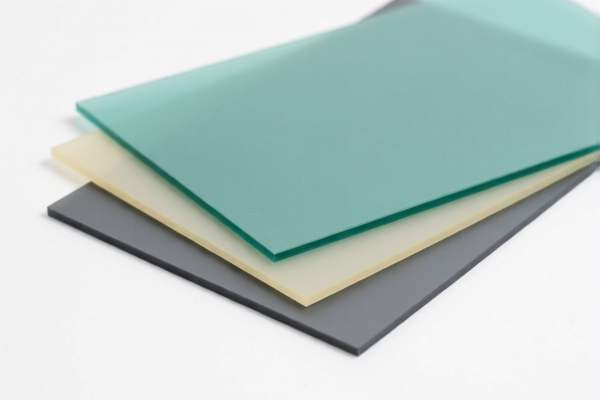
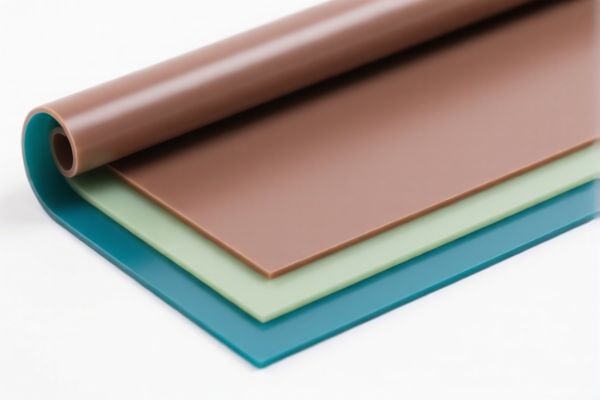
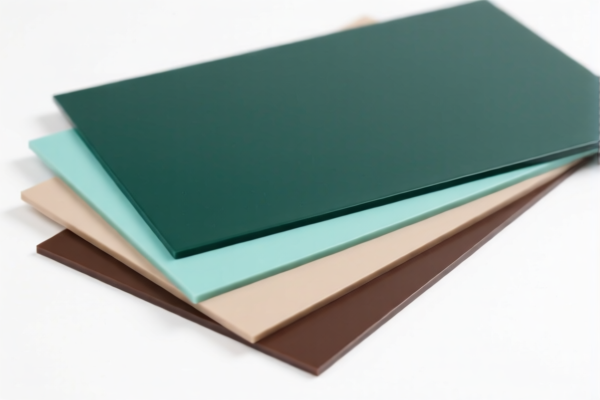
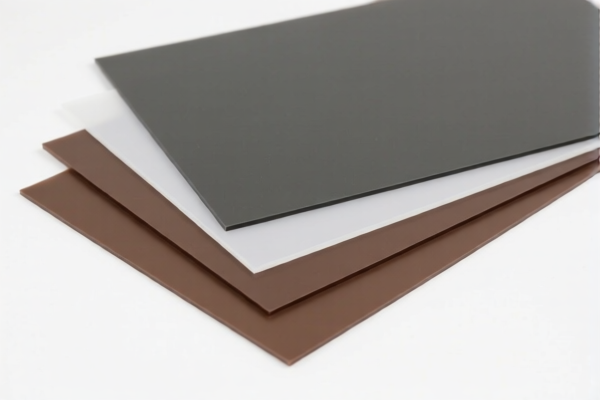
AI Analysis
🛢️ Unsaturated Polyester Sheet (UP Sheet)
Material Classification Guide & US Customs Clearance Strategy | 2026 Tax Regime Analysis
🌐 HS Code Reference & Clearance Guide | Latest 2026 Tariff Breakdown | Professional Compliance Strategy
📌 1. Product Definition: What is "Unsaturated Polyester Sheet"?
Unsaturated Polyester (UP) sheets are rigid or semi-rigid plastic materials made from unsaturated polyester resin, often reinforced with glass fibers (GFRP) or used in pure form. They are widely used in: * Automotive Parts: Body panels, bumpers, hoods. * Construction: Roofing, wall cladding, tanks. * Marine: Boat hulls, decking. * Industrial: Electrical insulation, chemical-resistant linings.
⚠️ Key Distinction for Customs: * Sheets/Foils/Films (Thin): Usually fall under Chapter 39.20 (Plastics, in primary forms) or 39.21 (Other plates, sheets...). * Resins/Granules (Raw Material): Fall under Chapter 39.07. * The "Shape" Matters: Is it a thin flexible film, a rigid plate, or a bulk resin? This determines the HS Code and the tax rate.
📦 2. HS Code Classification Details (2026 Latest Tariff Reference)
Based on the provided data, here are the 6 possible HS Codes for "Unsaturated Polyester Sheet," categorized by Form and Material Specificity.
| HS Code | Product Description & Shape | Material/Chemical Match | Key Indicator |
|---|---|---|---|
3920.63.10.00 |
Thin Sheets/Films/Foils | Unsaturated Polyester (Matched) | Thin, flexible, or foil-like form |
3920.63.20.00 |
Thin Sheets/Films/Foils | Unsaturated Polyester (Matched) | Another variant for thin sheets/films/foils |
3921.19.00.90 |
Rigid Plates/Sheets | Plastics (Polyester Type) | Generic/Bottom-line for rigid plates not otherwise specified |
3921.90.50.50 |
Plates/Sheets | Plastic/Resin (Plates, Sheets) | General plastic plates/sheets |
3907.91.50.00 |
Primary/Semi-processed | Unsaturated Polyester | Chemical/Resin focus, common processing form |
3907.99.50.50 |
Primary/Semi-processed | Other Polyesters | Other Polyester type, raw/semi-form |
🔍 Critical Analysis: * Chapter 39.20 vs. 39.21:
3920generally covers plastics in primary forms (films, sheets < certain thickness often).3921covers other plates, sheets, film, ribbon, and foil. * Chapter 39.07: Covers Polyesters in primary forms (e.g., resins, granules, pre-pregs before final molding). If your "sheet" is essentially a resin slab or pre-molded blank, it might fall here. * Why 6 Codes? Because "Sheet" is ambiguous. Is it a film (<0.2mm)? A plate (>0.2mm)? A prepreg? The physical thickness and flexibility are the deciding factors.
💰 3. 2026 Latest Tariff Rate Breakdown (USA Import from China)
✅ Applicable Country: United States (US)
✅ Origin: China (CN)
✅ Effective Date: Post-November 2025 (2026 Tariff Schedule)
All listed HS Codes attract a high combined tariff due to Section 301 and Section 122 (if applicable) surcharges on Chinese polyester plastics.
🎯 1. Thin Sheets/Films (3920.63.10.00 & 3920.63.20.00)
| Component | Rate | Source/Legal Basis |
|---|---|---|
| Basic MFN Rate | 4.2% - 5.8% | HTSUS Base Tariff |
| Section 301 Surcharge | +25.0% | US Trade Relations Act (China-specific) |
| Section 122 Surcharge | +10.0% | Specific duty on polyester articles (if applicable) |
| TOTAL EFFECTIVE RATE | 39.2% - 40.8% | High Cost Zone |
📌 Explanation: *
3920.63.10.00: 39.2% Total Tax (4.2% Base + 25% Sec301 + 10% Sec122) *3920.63.20.00: 40.8% Total Tax (5.8% Base + 25% Sec301 + 10% Sec122) * Note: These are likely the most common classifications for UP sheets used in fiberglass reinforcement.
🎯 2. Rigid Plates/Sheets (3921.19.00.90 & 3921.90.50.50)
| Component | Rate | Source/Legal Basis |
|---|---|---|
| Basic MFN Rate | 4.8% - 6.5% | HTSUS Base Tariff |
| Section 301 Surcharge | +25.0% | US Trade Relations Act (China-specific) |
| Section 122 Surcharge | +10.0% | Specific duty on polyester articles |
| TOTAL EFFECTIVE RATE | 39.8% - 41.5% | High Cost Zone |
📌 Explanation: *
3921.19.00.90: 41.5% Total Tax (6.5% Base + 25% Sec301 + 10% Sec122) – Highest Base Tariff in this set. *3921.90.50.50: 39.8% Total Tax (4.8% Base + 25% Sec301 + 10% Sec122)
🎯 3. Primary/Semi-processed Resins (3907.91.50.00 & 3907.99.50.50)
| Component | Rate | Source/Legal Basis |
|---|---|---|
| Basic MFN Rate | 6.5% | HTSUS Base Tariff |
| Section 301 Surcharge | +25.0% | US Trade Relations Act (China-specific) |
| Section 122 Surcharge | +10.0% | Specific duty on polyester articles |
| TOTAL EFFECTIVE RATE | 41.5% | High Cost Zone |
📌 Explanation: *
3907.91.50.00: 41.5% Total Tax (6.5% Base + 25% Sec301 + 10% Sec122) *3907.99.50.50: 41.5% Total Tax (6.5% Base + 25% Sec301 + 10% Sec122) * Warning: If you import "sheets" that are essentially resin blocks or pre-pregs, they fall under 39.07. This is often a deceptive classification if the product is clearly a finished sheet. Misclassification here can lead to penalties.
🛠️ 4. Customs Clearance Practical Advice (Pitfall Avoidance)
✅ 1. Documentation Checklist (Mandatory)
| Document | Required? | Purpose |
|---|---|---|
| Product Spec Sheet | ✔️ | Must state: "Unsaturated Polyester Resin," form (sheet/film/plate), thickness, density, reinforcement (e.g., glass fiber). |
| Photos | ✔️ | Show cross-section, surface texture, and flexibility. Crucial for distinguishing between "Film" (3920) and "Plate" (3921). |
| Certificate of Origin | ✔️ | To prove origin and apply surcharges. |
| Commercial Invoice | ✔️ | Clearly describe: "Unsaturated Polyester Sheet, 2mm thick, for fiberglass laminates." Avoid vague terms like "Plastic Sheet." |
| Material Safety Data Sheet (MSDS) | ✔️ | Required for chemical products; confirms resin type. |
✅ 2. Classification Strategy (Key Decisions)
| Scenario | Recommended HS Code | Reason |
|---|---|---|
| Thin, flexible sheets (<0.5mm) | 3920.63.10.00 or 3920.63.20.00 |
Meets "film/foil" definition. Lower base tariff (4.2-5.8%). |
| Thick, rigid plates (>0.5mm) | 3921.19.00.90 or 3921.90.50.50 |
Meets "plate/sheet" definition. Higher base tariff but safer for rigid goods. |
| Resin Blocks/Pre-pregs | 3907.91.50.00 |
If not yet cut into final sheet shape, or if it's a chemical intermediate. |
| Glass Fiber Reinforced (GFRP) | Still 3920/3921 | GFRP sheets are still classified under Chapter 39 if the polymer is the essential character. |
🔥 Golden Rule: "Thickness is King." * < 0.5mm? → Lean towards
3920(Film/Sheet). * > 0.5mm? → Lean towards3921(Plate/Sheet). * Is it a resin paste? →3907.
✅ 3. Special Cases & Warnings
| Case | Advice |
|---|---|
| Glass Fiber Reinforced (SMC/BMC) | Ensure you declare the polyester resin content. If >50% by weight, Chapter 39 applies. |
| Color Tinted Sheets | No change in HS code, but must specify "Color" in description to avoid confusion with raw resin. |
| Anti-UV/Treated Sheets | Still 3920/3921. Treatment does not change chemical classification. |
| Import from Vietnam/Malaysia | Check for IEEPA Exemptions. If processed substantially in these countries, you may avoid the 25% Section 301 tariff. This is the biggest cost-saving opportunity! |
🌍 5. Global Market Comparison (2026)
| Country | HS Code | Base Tariff | Surcharges (China) | Total Est. Rate | Notes |
|---|---|---|---|---|---|
| 🇺🇸 USA | 3920.63.10.00 |
4.2% | +25% (301) +10% (122) | 39.2% | Highest effective rate. |
| 🇨🇳 China | 3920.63.10.00 |
4.2% | None | 4.2% | Exporting from China. |
| 🇪🇺 EU | 3920.63 |
6.5% | None (if origin CN) | 6.5% | No Section 301. Lower cost. |
| 🇬🇧 UK | 3920.63 |
6.5% | None (if origin CN) | 6.5% | Post-Brexit, mirrors EU often. |
| 🇯🇵 Japan | 3920.63 |
5.0% | None (if origin CN) | 5.0% | No major surcharges. |
📌 Conclusion: * USA is the most expensive market for UP sheets due to Section 301 + Section 122. * Alternative Sourcing: Consider sourcing from Vietnam, Thailand, or Mexico to potentially avoid the 25% surcharge. Verify Rules of Origin!
📌 6. Common Errors & Pitfalls (Lessons Learned)
❌ Error 1: Declaring "Plastic Sheet" without specifying "Unsaturated Polyester" 👉 Result: Customs may reclassify under a different, higher-tariff polyester code or demand additional testing.
❌ Error 2: Misclassifying Rigid Plates as "Films" (3920)
👉 Result: Penalty for misdeclaration. Rigid plates >0.5mm should be 3921.
❌ Error 3: Ignoring Section 122 👉 Result: The 10% surcharge is specific to certain polyester articles. If you miss it, you underpay taxes, leading to retroactive fines + interest.
❌ Error 4: Using "Resin" for pre-cut sheets
👉 Result: If the sheet is already cut to size, it is not in "primary form" (3907). It must be 3920/3921.
✅ Correct Declaration Example:
"UNSATURATED POLYESTER SHEET, 2MM THICK, GLASS FIBER REINFORCED, FOR AUTOMOTIVE BODY PANELS, HS 3920.63.10.00, ORIGIN: CHINA"
🎯 7. Conclusion: Professional Clearance, Cost Optimization!
🎯 Key Takeaways:
🔹 "Thin = 3920, Thick = 3921, Resin = 3907." 🔹 "USA Tax = Base + 25% Sec301 + 10% Sec122 = ~40%." 🔹 "Check Alternative Origins: Vietnam/Mexico may save you 25%!"
📌 Pro Tip: If your volume is high, apply for an Advance Ruling (CBP Ruling) before shipping. This locks in the HS Code and prevents surprise assessments at the border.
📣 Immediate Action:
📞 Contact your customs broker with photos and thickness specs. 🚀 Optimize your supply chain to mitigate the ~40% US tariff burden.
✨ Accurate Classification Saves Thousands!
💼 Don’t let vague descriptions cost you your margin!
Customer Reviews
About HS Code Classification
The Harmonized System (HS) is an internationally standardized nomenclature developed by the World Customs Organization (WCO) to classify traded products. Over 200 countries use the HS system as the basis for customs tariffs, trade statistics, and import/export regulations.
Each HS code follows a hierarchical structure:
- Chapter (2 digits) — Broad category of goods (e.g., Chapter 84: Machinery and Mechanical Appliances)
- Heading (4 digits) — More specific grouping within the chapter
- Subheading (6 digits) — Internationally standardized breakdown, used by all WCO member countries
- National subdivisions (8-10 digits) — Country-specific extensions for further classification, such as US HTSUS 10-digit codes
Correct HS code classification is essential for smooth customs clearance, accurate duty payment, and compliance with trade regulations. Misclassification can lead to customs delays, overpayment of duties, or penalties.
When importing from CN to US, the applicable tariff rates may include:
- Most-Favored-Nation (MFN) rate — The standard duty rate applied to WTO members
- General rate — Applied to countries without trade agreements
- Trade remedy duties — Additional tariffs such as Section 301 (anti-dumping), Section 232 (national security), or countervailing duties
The information provided on this page is for reference purposes only. For official classification, please consult with your local customs authority or a licensed customs broker.