Unsaturated Polyester Sound Absorbing Board
CN → US| HS Code | Tariff Rate | Origin | Destination | Doc |
|---|---|---|---|---|
| 3921905050 | 39.8% | CN | US | Official Doc |
| 3907915000 | 41.5% | CN | US | Official Doc |
| 3921190090 | 41.5% | CN | US | Official Doc |
| 3920632000 | 40.8% | CN | US | Official Doc |
| 3920631000 | 39.2% | CN | US | Official Doc |
Product Images
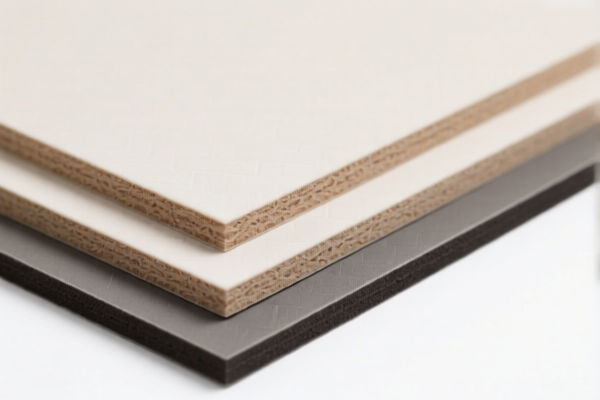
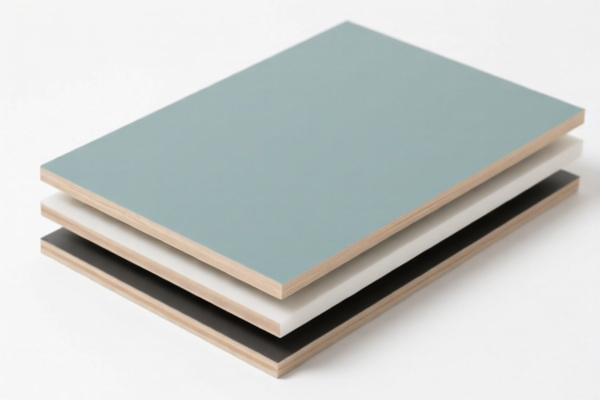
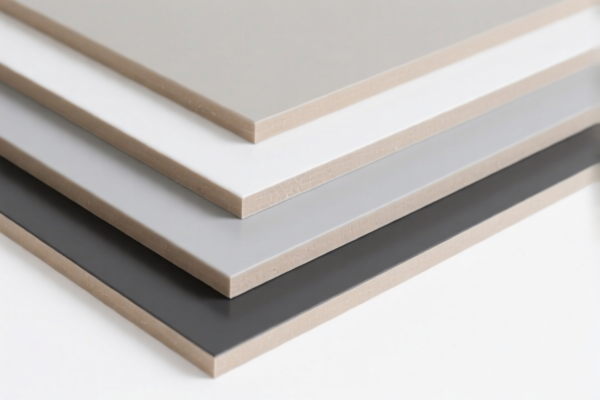
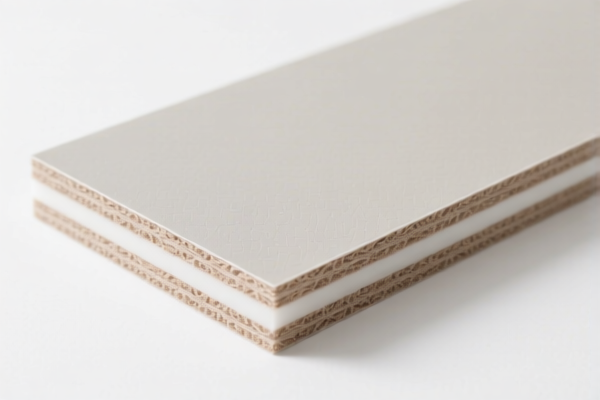
AI Analysis
🎧 Unsaturated Polyester Sound Absorbing Boards (不饱和聚酯吸音板)
🌐 HS Code Reference & Customs Clearance Guide | 2026 Latest Tariff Analysis | Strategic Import Strategy
📌 1. Product Definition & Classification: Understanding "Unsaturated Polyester Boards"
Unsaturated Polyester (UP) sound-absorbing boards are engineered materials widely used in acoustic engineering, interior decoration, and industrial noise control. In international trade, these products are classified based on their physical form (board, sheet, film, foil) and material composition (unsaturated polyester resins/plastics).
⚠️ Key Distinction Points:
- If the product is in the form of a solid board/plank → Falls under Heading 3921.
- If the product is in the form of a thin sheet, film, or foil → Falls under Heading 3920.
- Material Specificity: The term "Unsaturated Polyester" specifically refers to thermosetting plastics. If classified as a general "polyester plastic," it may still fall under 3920 or 3921, but the specific HS codes provided below are tailored to "Unsaturated Polyester" descriptions.
📦 2. HS Code Classification Details (2026 Latest Tariff Authority Reference)
Based on the provided data, there are 5 specific HS Codes for Unsaturated Polyester Sound Absorbing Boards. Each varies slightly in base tariff due to sub-category distinctions (e.g., specific sub-headings for boards vs. sheets).
| HS Code | Product Description | Physical Form | Base Tariff | Total Tax Rate* |
|---|---|---|---|---|
3921.90.50.50 |
Unsaturated Polyester Board | Board (Unsaturated Polyester) | 4.8% | 39.8% |
3907.91.50.00 |
Unsaturated Polyester Board | Board (Unsaturated Polyester) | 6.5% | 41.5% |
3921.19.00.90 |
Unsaturated Polyester Sheet | Board/Sheet (Polyester Plastic) | 6.5% | 41.5% |
3920.63.20.00 |
Unsaturated Polyester Sheet | Sheet/Film/Foil (Unsaturated Polyester) | 5.8% | 40.8% |
3920.63.10.00 |
Unsaturated Polyester Sheet | Sheet/Film/Foil (Unsaturated Polyester) | 4.2% | 39.2% |
🔍 Critical Note on HS Code
3907.91.50.00:
- Heading 3907 typically covers "Polyesters in primary forms." However, if the product is a rigid board suitable for construction/decoration, it is more commonly classified under 3921 (Other plates, sheets, film, foil and strip, of plastics).
- Risk: Misclassifying a rigid board as a "primary form polyester" (3907) may trigger customs scrutiny. Ensure the product is actually in a "primary form" (e.g., bulk resin, not pre-formed rigid boards) for this code. If it is a rigid acoustic panel, 3921 codes are safer.📌 Explanation of Form:
- Board/Plate (3921): Rigid, thick, structural or semi-structural.
- Sheet/Film/Foil (3920): Thin, flexible, or lightweight sheets.
💰 3. 2026 Latest Tariff Rate Breakdown (Including Surtaxes & Policy Surcharges)
✅ Applicable Country: United States (US)
✅ Origin: China (CN)
✅ Effective Date: 2025/2026 (Current Trade War Context)
All listed HS codes are subject to the following cumulative tariff structure:
🎯 Universal Surcharge Components for All Codes
| Component | Rate | Source |
|---|---|---|
| Base Tariff | 4.2% – 6.5% | HTSUS General Rate |
| Section 301 Surcharge | +25.0% | US Trade Act (China-specific) |
| "Section 122" Surcharge | +10.0% | Note: Referenced as "122条款关税" in data. Likely refers to a specific administrative duty or trade remedy measure. |
| Total Tax Rate | 39.2% – 41.5% | Sum of all above |
🎯 Detailed Breakdown by HS Code
1. 3921.90.50.50 – Unsaturated Polyester Board (Board Form)
| Item | Detail |
|---|---|
| Base Tariff | 4.8% |
| 301 Surcharge | +25.0% |
| 122 Clause Surcharge | +10.0% |
| Total Tax | 39.8% |
| Calculation | CIF Value × 39.8% |
| De Minimis Exemption | ❌ Not Eligible (Section 301 goods are excluded from de minimis relief) |
2. 3907.91.50.00 – Unsaturated Polyester Board (Primary Form)
| Item | Detail |
|---|---|
| Base Tariff | 6.5% |
| 301 Surcharge | +25.0% |
| 122 Clause Surcharge | +10.0% |
| Total Tax | 41.5% |
| Calculation | CIF Value × 41.5% |
| De Minimis Exemption | ❌ Not Eligible |
3. 3921.19.00.90 – Unsaturated Polyester Board (Polyester Plastic)
| Item | Detail |
|---|---|
| Base Tariff | 6.5% |
| 301 Surcharge | +25.0% |
| 122 Clause Surcharge | +10.0% |
| Total Tax | 41.5% |
| Calculation | CIF Value × 41.5% |
| De Minimis Exemption | ❌ Not Eligible |
4. 3920.63.20.00 – Unsaturated Polyester Sheet (Film/Foil Form)
| Item | Detail |
|---|---|
| Base Tariff | 5.8% |
| 301 Surcharge | +25.0% |
| 122 Clause Surcharge | +10.0% |
| Total Tax | 40.8% |
| Calculation | CIF Value × 40.8% |
| De Minimis Exemption | ❌ Not Eligible |
5. 3920.63.10.00 – Unsaturated Polyester Sheet (Film/Foil Form)
| Item | Detail |
|---|---|
| Base Tariff | 4.2% |
| 301 Surcharge | +25.0% |
| 122 Clause Surcharge | +10.0% |
| Total Tax | 39.2% |
| Calculation | CIF Value × 39.2% |
| De Minimis Exemption | ❌ Not Eligible |
📌 Key Takeaway:
- The 122 Clause Surcharge (10%) is a constant factor across all codes, adding significant cost.
- The Section 301 Surcharge (25%) is non-negotiable for Chinese-origin goods.
- Total Effective Tariff ranges from 39.2% to 41.5%, which is extremely high for imported plastics.
🛠️ 4. Customs Clearance Practical Advice (Avoiding Pitfalls)
✅ 1. Documentation Checklist (Mandatory)
| Document | Required | Purpose |
|---|---|---|
| ✅ Product Specification Sheet | ✔️ | Must explicitly state "Unsaturated Polyester" (not just "Plastic") and "Sound Absorbing." |
| ✅ Certificate of Origin (CO) | ✔️ | Proves Chinese origin to apply (or avoid) specific surcharges. |
| ✅ Commercial Invoice | ✔️ | Must list CIF value clearly. |
| ✅ Packing List | ✔️ | Details weight and dimensions. |
| ✅ Bill of Lading/Air Waybill | ✔️ | Proof of shipment. |
| ✅ Third-Party Test Report | ✔️ | Critical: Proof of acoustic performance (NRC/SRC values) and material composition (GC/FTIR analysis) to justify "Unsaturated Polyester" classification. |
✅ 2. Classification Strategy (Key Mantra)
🔥 "Form Dictates Code: Rigid = 3921, Thin = 3920. Name It 'Unsaturated Polyester' to Avoid Misclassification."
| Scenario | Recommended HS Code | Reason |
|---|---|---|
| Rigid Acoustic Panels (e.g., wall panels, ceiling tiles) | 3921.90.50.50 or 3921.19.00.90 |
Fits "Board/Plate" definition under 3921. |
| Thin Acoustic Membranes/Foils | 3920.63.10.00 or 3920.63.20.00 |
Fits "Sheet/Film/Foil" definition under 3920. |
| Bulk Resin/Primary Form | 3907.91.50.00 |
High Risk: Only use if product is NOT a finished board. |
⚠️ Warning:
- Do NOT classify rigid boards as3907(Primary Forms) unless they are raw materials. Customs may reject this if the product is a finished acoustic panel.
- Do NOT use general "Plastic Board" descriptions. Must specify "Unsaturated Polyester" to match the specific HS code descriptions in the data.
✅ 3. Special Handling
| Situation | Advice |
|---|---|
| Hybrid Products (e.g., UP Board + Aluminum Frame) | Declare the main material/component. If the UP board is the core function, classify under UP codes. Separate packaging for frames may help, but risk remains. |
| Sample Shipments | ❌ No De Minimis: Section 301 goods are excluded from the $800 de minimis threshold. Even samples pay full tariff. |
| Re-export/Transshipment | If shipped via Vietnam/Mexico, ensure no substantial transformation occurs, or you may still be subject to US origin rules if the value addition is minimal. |
🌍 5. Global Market Comparison (2026 Latest)
| Country/Region | Recommended HS Code | Approx. Total Tariff | Notes |
|---|---|---|---|
| 🇺🇸 United States | 3921.90.50.50 |
39.8% - 41.5% | High due to 301 + 122 Clause. No exemptions. |
| 🇨🇳 China | 3921.90.50.50 |
~4.8% (Import) | Lower base tariff. No US-style surcharges. |
| 🇪🇺 EU | 3921.90 |
~4.5% - 6.5% | No Section 301. VAT applies separately. |
| 🇯🇵 Japan | 3921.90 |
~4.3% - 5.5% | No major surcharges for Chinese plastics. |
| 🇰🇷 South Korea | 3921.90 |
0% - 4.0% | FTA benefits may apply if rules of origin met. |
📌 Conclusion:
- The US market is the most expensive due to the 35% combined surcharge (25% + 10%).
- Cost Saving Tip: Consider sourcing from non-China origins (e.g., Vietnam, Thailand) if possible, as they may avoid the 25% Section 301 surcharge (subject to US Customs scrutiny on transshipment).
📌 6. Common Errors & Pitfalls (Blood Lessons)
❌ Error 1: Classifying rigid acoustic boards as 3907 (Primary Forms)
👉 Consequence: Customs may reject or reclassify, causing delays and penalties. Use 3921 for boards.
❌ Error 2: Failing to specify "Unsaturated Polyester" in the description
👉 Consequence: Misclassification under generic "Plastic" codes may lead to incorrect duty assessment or audit flags.
❌ Error 3: Assuming De Minimis Applies to Samples
👉 Consequence: Section 301 goods are excluded. Even small shipments will incur full tariffs.
❌ Error 4: Ignoring the "122 Clause" Surcharge
👉 Consequence: Underestimating total landed cost by 10%. Always include this in profit margin calculations.
✅ Correct Description Example:
"Unsaturated Polyester Sound Absorbing Board, Rigid, 12mm Thickness, White, for Interior Acoustic Treatment, HS Code 3921.90.50.50"
🎯 7. Conclusion: Professional Declaration, Cost Control, Efficiency!
🎯 Remember the Mantra:
🔹 "Rigid Boards = 3921, Thin Sheets = 3920. Name 'Unsaturated Polyester' Clearly."
🔹 "301 + 122 = 35% Surcharges. No De Minimis. Plan Your Costs!"
🔹 "HS Code Determines Life or Death of Margin. Declare Accurately!"
📌 Pro Tip:
If you are shipping to the US, calculate your landed cost carefully with the 39.2% - 41.5% total tariff rate. Consider applying for a Binding Ruling from US Customs and Border Protection (CBP) if your product form is ambiguous, to avoid future disputes.
📣 Immediate Action:
📞 Consult a Licensed Customs Broker + Provide Material Test Reports + Accurately Describe "Unsaturated Polyester"
🚀 Ensure Smooth Customs Clearance, Avoid Delays, and Protect Your Margins!
✨ Professional Clearance Starts with Accurate Classification!
💼 Every Cent of Your Cost Should Be Precisely Calculated!
Customer Reviews
About HS Code Classification
The Harmonized System (HS) is an internationally standardized nomenclature developed by the World Customs Organization (WCO) to classify traded products. Over 200 countries use the HS system as the basis for customs tariffs, trade statistics, and import/export regulations.
Each HS code follows a hierarchical structure:
- Chapter (2 digits) — Broad category of goods (e.g., Chapter 84: Machinery and Mechanical Appliances)
- Heading (4 digits) — More specific grouping within the chapter
- Subheading (6 digits) — Internationally standardized breakdown, used by all WCO member countries
- National subdivisions (8-10 digits) — Country-specific extensions for further classification, such as US HTSUS 10-digit codes
Correct HS code classification is essential for smooth customs clearance, accurate duty payment, and compliance with trade regulations. Misclassification can lead to customs delays, overpayment of duties, or penalties.
When importing from CN to US, the applicable tariff rates may include:
- Most-Favored-Nation (MFN) rate — The standard duty rate applied to WTO members
- General rate — Applied to countries without trade agreements
- Trade remedy duties — Additional tariffs such as Section 301 (anti-dumping), Section 232 (national security), or countervailing duties
The information provided on this page is for reference purposes only. For official classification, please consult with your local customs authority or a licensed customs broker.