Unspecified Tools
CN → US| HS Code | Tariff Rate | Origin | Destination | Doc |
|---|---|---|---|---|
| 8205906000 | 0.0% | CN | US | Official Doc |
| 8205901000 | 35.0% | CN | US | Official Doc |
| 9017900160 | 0.0% | CN | US | Official Doc |
| 9017800000 | 40.3% | CN | US | Official Doc |
Product Images
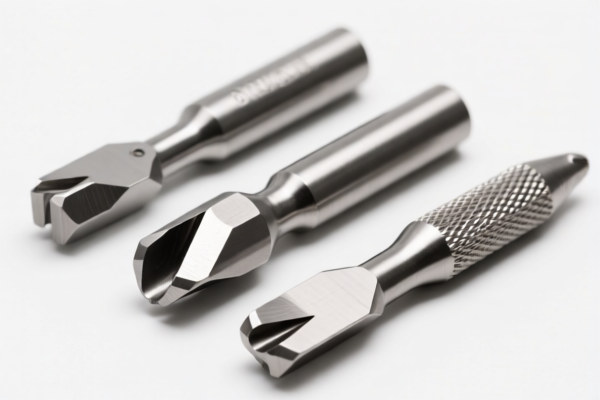
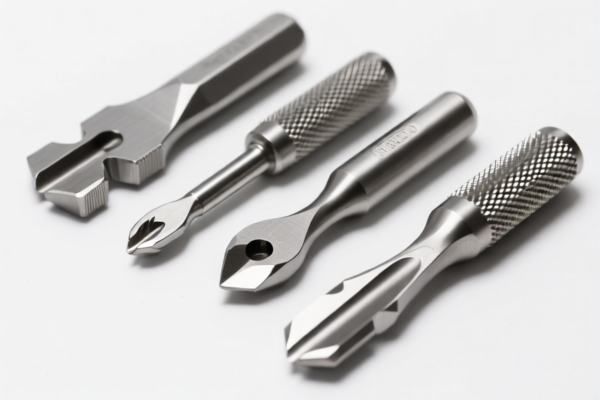
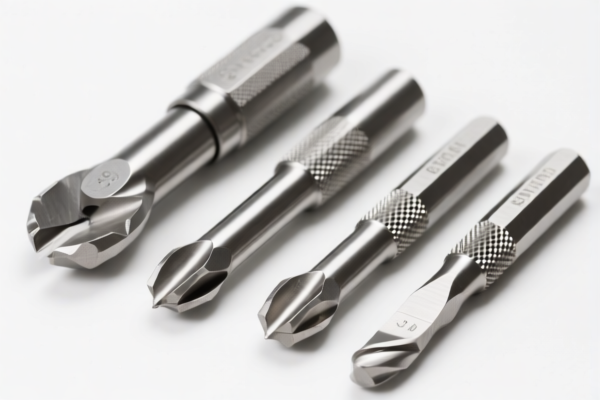
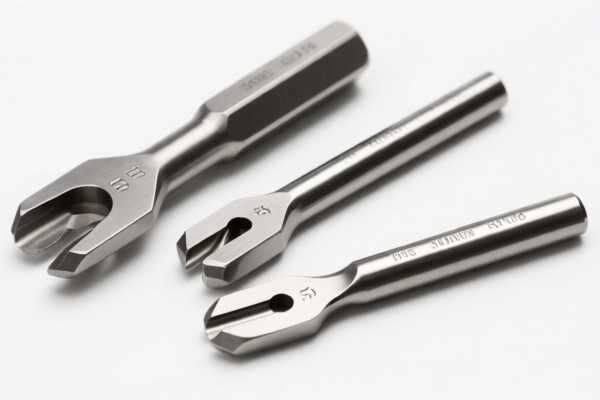
AI Analysis
🛠️ Unspecified Tools (Handtools & Base Metal Parts)
🌐 HS Code Reference & Clearance Guide | 2026 Latest Tariff Analysis | Professional Clearance Strategy
📌 I. Product Definition & Classification: Do You Know "Unspecified Tools"?
"Unspecified Tools" is a broad commercial term often referring to hand-held tools, measuring instruments, and their accessories that do not fall under more specific machinery or electrical equipment categories. In international trade, these items are primarily categorized into two distinct chapters based on their function and composition:
- Measuring & Calculating Instruments (Chapter 90): Devices used for precision measurement (calipers, micrometers) or mathematical calculation (slide rules). These are typically classified under HS 9017.
- General Handtools & Base Metal Parts (Chapter 82): Mechanical tools like wrenches, pliers, vises, clamps, and anvils. These are classified under HS 8205.
⚠️ Critical Distinction:
- If the tool is for precision measurement or calculation →归入 HS 9017
- If the tool is for mechanical force (gripping, cutting, shaping) or is a base metal accessory →归入 HS 8205
- Sets: If multiple tools are packed together as a set, special "Set" rules apply, often triggering different tax rates.
📦 II. HS Code Classification Details (2026 Latest Tariff Authority Comparison)
Based on the provided data, here are the specific HS Codes applicable to "Unspecified Tools":
| HS Code | Product Description | Applicability | Key Features |
|---|---|---|---|
9017.90.01.60 |
Parts and accessories of measuring/calculating instruments | Accessories for measuring rods, tapes, micrometers, calipers, etc. | Specifically for parts/accessories of instruments in heading 9017. |
9017.80.00.00 |
Other instruments | Instruments for measuring length (hand-held) not specified elsewhere | Covers complete instruments like specialized calipers or measuring devices. |
8205.90.60.00 |
Sets of articles (two or more subheadings) | Mixed sets of handtools (e.g., vise + clamp + anvil kit) | Applies when multiple different types of tools are packaged as a single set. |
8205.90.10.00 |
Anvils; portable forges; grinding wheels with frameworks; base metal parts | Specific heavy-duty handtools or their base metal components | Covers anvils, portable forges, and grinding wheels. |
🔍 Important Note:
- HS 9017 items are generally considered precision instruments.
- HS 8205 items are considered general mechanical handtools or base metal products.
- The presence of a "Set" (combination of different tools) changes the classification logic and often incurs higher tariffs due to complex valuation rules.
💰 III. 2026 Latest Tariff Rate Details (Including Additional Duties)
✅ Applicable Country: United States (US)
✅ Origin: China (CN)
✅ Effective Time: Current regulations apply.
🎯 1. 9017.90.01.60 & 9017.80.00.00 — Measuring & Calculating Instruments
| Item | Content |
|---|---|
| Basic Duty Rate | 0.0% |
| Additional Duty (Section 301) | 0.0% |
| Total Tax Rate | 0.0% |
| Tax Calculation | CIF Value × 0.0% = $0 |
| Legal Basis | Chapter 90 instruments are generally exempt from the highest Section 301 tariffs that affect manufacturing goods. |
📌 Explanation:
- These items are classified as scientific, medical, or precision instruments.
- The US tariffs list explicitly shows 0% for both basic and additional duties for these specific HS codes.
- This makes them highly cost-effective for importation compared to general manufacturing goods.
🎯 2. 8205.90.10.00 — Anvils, Portable Forges, Grinding Wheels, Base Metal Parts
| Item | Content |
|---|---|
| Basic Duty Rate | 0.0% |
| Additional Duty (Section 301) | +25.0% |
| Total Tax Rate | 25.0% |
| Tax Calculation | CIF Value × 25.0% |
| Legal Basis | Subject to USITC Footnote 9903.88.01 and Section 301 List 4A/301 exclusions (if applicable, but base rate shown is 25%). |
📌 Explanation:
- While the basic duty is 0%, these items fall under Section 301 tariffs due to being base metal products/handtools.
- A 25% surcharge is applied on top of the base rate.
- Example: For a $1,000 shipment of anvils, the duty is $250.
🎯 3. 8205.90.60.00 — Sets of Articles (Mixed Handtools)
| Item | Content |
|---|---|
| Basic Duty Rate | "The rate of duty applicable to that article in the set subject t" |
| Additional Duty (Section 301) | +25.0% |
| Total Tax Rate | Variable Base + 25% |
| Tax Calculation | (Sum of duties for individual components in set) + 25% surcharge on the total value. |
| Legal Basis | GRI 3(b) for sets; subject to specific Section 301 rules for mixed sets. |
📌 Explanation:
- Complex Valuation: The duty is calculated based on the highest duty rate among the components in the set, or a weighted average depending on specific customs rulings.
- Heavy Surcharge: The 25% additional duty is added to this calculated base rate.
- Risk: If the set includes even one high-tariff item, it can pull up the entire set's tax burden.
🛠️ IV. Clearance Operational Suggestions (Practical Pitfall Avoidance Guide)
✅ 1. Preparation Checklist (Indispensable)
| Document | Required | Description |
|---|---|---|
| ✅ Product Specifications | ✔️ | Detailed list of tools, materials (e.g., "Carbon Steel," "Plastic Handle"), and dimensions. |
| ✅ Material Composition | ✔️ | Critical for distinguishing between HS 9017 (precision/instrument) and HS 8205 (base metal/tool). |
| ✅ Product Photos | ✔️ | Clear images showing the tool in use, labels, and any measuring scales (if applicable). |
| ✅ Commercial Invoice | ✔️ | Must clearly state "Handtools," "Measuring Instruments," or "Parts" as per HS description. |
| ✅ Packing List | ✔️ | If declaring a "Set," explicitly list all items included in the set to avoid misclassification. |
✅ 2. Declaration Techniques (Key Mantras)
🔥 "Precision for 9017, Mechanics for 8205, Sets are Tricky!"
| Scenario | Correct Declaration | Wrong Practice |
|---|---|---|
| Calipers, Micrometers, Tape Measures | 9017.80.00.00 or 9017.90.01.60 |
Misdeclare as "Metal Parts" → Risk of 25% tariff |
| Wrenches, Pliers, Vises, Anvils | 8205.90.10.00 (if anvil/forge) or other 8205 codes |
Misdeclare as "Instruments" → Classification error |
| Mixed Tool Kit (e.g., Vise + Hammer + Wrench) | 8205.90.60.00 (Set) |
Declare individually → May be rejected if sold/packed as one unit |
| Replacement Parts for Calipers | 9017.90.01.60 |
Declare as "General Metal Part" → Misses the 0% duty benefit |
✅ 3. Special Case Handling
| Situation | Recommendation |
|---|---|
| "Unspecified" in Invoice | Never use "Unspecified Tools" in the commercial invoice. Customs requires specific descriptions (e.g., "Steel Caliper," "Iron Anvil"). |
| Sets of Tools | Provide a detailed breakdown of each item's HTS code and value. If the set contains both 0% (9017) and 25% (8205) items, the 25% rate may dominate the valuation. |
| Base Metal Parts | Ensure the description specifies "Base Metal". If made of precious metal, different rules apply. |
| Smart/Electronic Measuring Tools | If the caliper has a digital display and battery, it may still be 9017, but verify if it falls under 8543 (Electrical machines). Usually, simple electronic calipers remain in 9017. |
🌍 V. Global Market Clearance Comparison (2026 Latest)
| Country/Region | Recommended HS Code | Tariff (China Origin) | Certification Requirements | Notes |
|---|---|---|---|---|
| 🇺🇸 USA | 9017.xxxx |
0% (Basic + Add) | No specific tech cert | 8205 items face 25% surcharge. |
| 🇨🇳 China | 9017.xxxx |
~5-10% (Import Duty) | CCC (if applicable) | Low tariff for imports. |
| 🇪🇺 EU | 9017.xxxx |
0-4.5% | CE Mark (if electrical) | No Section 301 equivalent. |
| 🇬🇧 UK | 9017.xxxx |
0-4.5% | UKCA Mark | Post-Brexit rules apply. |
📌 Conclusion:
- USA is the only major market with a significant 25% surcharge on general handtools (HS 8205).
- Precision instruments (HS 9017) enjoy 0% tariff in the US, making them much more profitable to export to the US than general handtools.
- Strategy: If possible, separate precision instruments from general handtools in packaging to avoid being classified as a "Set" (8205.90.60.00), which could trigger the 25% rate on the entire box.
📌 VI. Common Errors & Pitfall Guide (Lessons Learned)
❌ Error 1: Using generic terms like "Tools" or "Hardware" in the invoice.
👉 Consequence: Customs will assign a default high duty rate (often 25%+) or hold the shipment for reclassification.
❌ Error 2: Packing a Caliper (0%) and a Hammer (25%) in one box and declaring as "Set."
👉 Consequence: The entire box may be taxed at the higher rate or subject to complex set valuation, potentially incurring 25% on the full value.
❌ Error 3: Misidentifying a Digital Caliper as "Electronic Device" (Chapter 85).
👉 Consequence: While some digital instruments are in Chapter 90, if declared under 8543, it might still be fine, but accuracy is key. Stick to 9017 for measuring devices.
✅ Correct Approach:
"Digital Vernier Caliper, 0-150mm, Stainless Steel, Model ABC" →
9017.80.00.00(0% Duty)
"Steel Anvil, 50kg, Forging Tool" →8205.90.10.00(25% Duty)
🎯 VII. Conclusion: Precision in Classification Saves Money!
🎯 Remember the Mantra:
🔹 "Measuring Instruments (9017) = 0% Duty"
🔹 "General Handtools (8205) = 25% Surcharge"
🔹 "Sets = High Risk & High Cost"
📌 Pro Tip:
If you are exporting to the US, strictly separate precision measuring tools from general mechanical handtools in your shipping documentation and physical packaging.
Apply for an Advance Ruling if you are unsure whether a specific item is a "measuring instrument" or a "general tool."
📣 Immediate Action:
📞 Contact your freight forwarder with specific product photos and material details.
🚀 Accurate HS Codes are the difference between 0% duty and 25% duty. Don't guess!
✨ Professional Clearance Starts with Precise Classification!
💼 Every percentage point saved is pure profit!
Customer Reviews
About HS Code Classification
The Harmonized System (HS) is an internationally standardized nomenclature developed by the World Customs Organization (WCO) to classify traded products. Over 200 countries use the HS system as the basis for customs tariffs, trade statistics, and import/export regulations.
Each HS code follows a hierarchical structure:
- Chapter (2 digits) — Broad category of goods (e.g., Chapter 84: Machinery and Mechanical Appliances)
- Heading (4 digits) — More specific grouping within the chapter
- Subheading (6 digits) — Internationally standardized breakdown, used by all WCO member countries
- National subdivisions (8-10 digits) — Country-specific extensions for further classification, such as US HTSUS 10-digit codes
Correct HS code classification is essential for smooth customs clearance, accurate duty payment, and compliance with trade regulations. Misclassification can lead to customs delays, overpayment of duties, or penalties.
When importing from CN to US, the applicable tariff rates may include:
- Most-Favored-Nation (MFN) rate — The standard duty rate applied to WTO members
- General rate — Applied to countries without trade agreements
- Trade remedy duties — Additional tariffs such as Section 301 (anti-dumping), Section 232 (national security), or countervailing duties
The information provided on this page is for reference purposes only. For official classification, please consult with your local customs authority or a licensed customs broker.