Unsplit Wet Blue Leather
CN → US| HS Code | Tariff Rate | Origin | Destination | Doc |
|---|---|---|---|---|
| 4104115030 | 13.3% | CN | US | Official Doc |
| 4104195030 | 13.3% | CN | US | Official Doc |
Product Images
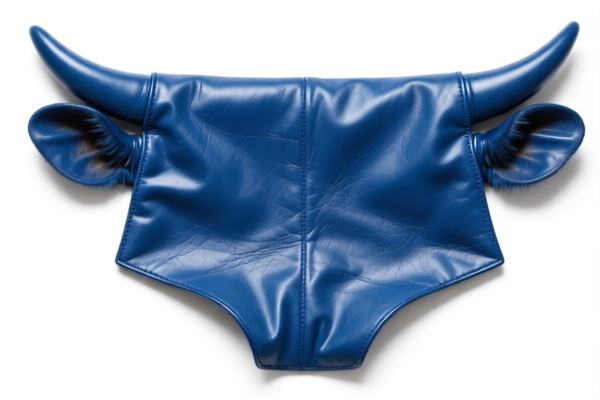
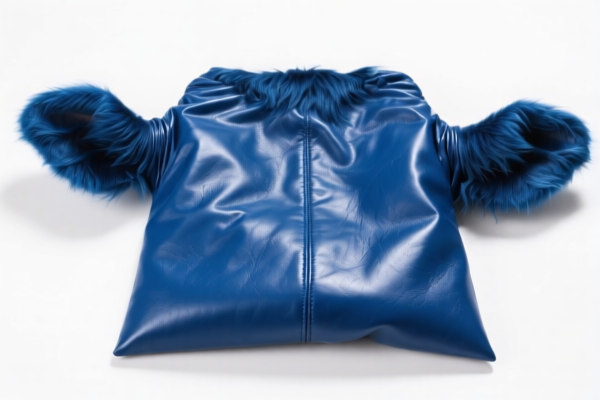


AI Analysis
🐄 Unsplit Wet Blue Leather (Bovine/Equine Hides)
🌐 HS Code Reference & Customs Clearance Guide | 2026 Latest Tariff Analysis | Professional Grade Clearance Strategy
📌 I. Product Definition & Classification: Do You Really Know "Unsplit Wet Blue"?
Unsplit Wet Blue Leather refers to raw hides or skins from bovine (including buffalo) or equine animals that have undergone the tanning process (specifically the "wet-blue" stage using chromium salts) but have not been split into separate layers (grain and flesh). They are hairless and in a wet state.
In international trade, this specific category is divided based on the surface quality (grain type):
- Full Grains (Unsplit): The entire thickness of the hide is preserved, including the tight grain surface. High quality.
- Grain Splits (Other): While the prompt mentions "Unsplit," the data also covers "Other" wet blues which may include slight variations in processing but strictly remain unsplit in their primary classification logic for the provided HS codes.
⚠️ Key Distinction:
- Split vs. Unsplit: If the hide is mechanically separated into a top layer (grain) and a bottom layer (flesh split), it is "split." Unsplit means the hide remains a single, full-thickness piece.
- Wet Blue vs. Crust: "Wet Blue" is the intermediate tanned state (blueish tint due to chromium). "Crust" refers to further dried/finished leather ready for dyeing/finishing. This product is Wet Blue (wet state).
📦 II. HS Code Classification Details (2026 Latest Tariff Authority Comparison)
| HS Code | Product Description | Application Scenario | Split Status | Grain Type |
|---|---|---|---|---|
4104.11.50.30 |
Tanned/Crust Hides/Skins, Bovine/Equine, Wet State: Full Grains, Unsplit | High-quality full-grain wet blue leather; premium shoe uppers, premium bag materials | ✅ Unsplit | Full Grain |
4104.19.50.30 |
Tanned/Crust Hides/Skins, Bovine/Equine, Wet State: Other (Other Wet Blues, Not Split) | Lower-grade wet blues, composite hides, or other unsplit varieties not fitting "Full Grain" | ✅ Unsplit | Other/Composite |
🔍 Important Reminder:
- Both codes strictly require the leather to be UNPLIT. If you ship split leather, these codes are incorrect.
- "Wet Blue" State: The leather must be in the wet, tanned state. If it is dried, it falls under different subheadings.
- Animal Type: Specifically applies to Bovine (cattle, buffalo) or Equine (horse). Sheep/goat skins are excluded from this code.
💰 III. 2026 Latest Tariff Rate Details (Including Surcharges & Policy Add-ons)
✅ Applicable Country: China (Exporting from/to China context implied by "0.0%" base rates and specific format)
✅ Origin: China (CN)
✅ Effective Time: Current tariff schedules
🎯 1. 4104.11.50.30 —— Full Grain, Unsplit Wet Blue Leather
| Item | Content |
|---|---|
| Base Tariff | 0.0% |
| Additional Tariff (Section 301/etc.) | 0.0% |
| Total Tax Rate | 0.0% |
| Tax Calculation | CIF Value × 0.0% = $0 |
| De Minimis Eligibility | ⚠️ Check Local Policy: While tariff is 0%, customs inspection intensity may vary. |
| Legal Basis | Harmonized System Code 4104.11.50.30 |
📌 Explanation:
- Base Tariff: Under the current Chinese import tariff schedule (and likely export duties if applicable, though typically 0% for raw materials), the rate is 0%.
- Additional Surcharges: There are no additional "Section 301" or similar punitive tariffs applied to this specific raw material category in the provided data.
- Cost Advantage: This is a zero-tariff entry point for raw wet blue leather, making it highly competitive for further processing (crust/dyeing) before final export.
🎯 2. 4104.19.50.30 —— Other Wet Blues (Unsplit)
| Item | Content |
|---|---|
| Base Tariff | 0.0% |
| Additional Tariff | 0.0% |
| Total Tax Rate | 0.0% |
| Tax Calculation | CIF Value × 0.0% = $0 |
| De Minimis Eligibility | ⚠️ Check Local Policy |
| Legal Basis | Harmonized System Code 4104.19.50.30 |
📌 Note:
- Identical tax treatment to Full Grain in this dataset.
- Covers any unsplit wet blue that doesn't qualify as "Full Grain" (e.g., corrected grain surfaces, slight imperfections, or specific bovine/equine classifications).
🛠️ IV. Customs Clearance Practical Advice (Battle-Tested Pitfall Guide)
✅ 1. Documentation Checklist (Missing One = Delay)
| Document | Required? | Description |
|---|---|---|
| ✅ Commercial Invoice | ✔️ | Must clearly state "Wet Blue Leather", "Unsplit", "Bovine/Equine", and "Hair-Removed". |
| ✅ Packing List | ✔️ | Detail weight (net/gross), number of hides/skins, and package dimensions. |
| ✅ Product Specification Sheet | ✔️ | Confirm tanning method (Chromium/Chrome) and state (Wet). |
| ✅ Certificate of Origin | ✔️ | To prove origin for any potential FTAs or anti-dumping checks. |
| ✅ Import/Export License | ✔️ | Check if your country requires specific environmental permits for wet waste/tanning byproducts. |
✅ 2. Declaration Tips (Key Mnemonics)
🔥 “Wet Blue, Unsplit, Bovine, Zero Tax!”
| Scenario | Correct Declaration | Wrong Action |
|---|---|---|
| Full Thickness Hide | 4104.11.50.30 (Full Grain) |
Misdeclare as "Split" → Wrong Code |
| Other Unsplit Wet Blue | 4104.19.50.30 |
Misdeclare as "Crust" (Dried) → Higher Tax/Inspection |
| Sheepskin/Goatskin | NOT these codes | Misdeclare as Bovine → Severe Penalties/Fines |
| Dry Leather | NOT these codes | Misdeclare as Wet Blue → Severe Penalties/Fines |
✅ 3. Special Case Handling
| Situation | Handling Advice |
|---|---|
| Mixed Hides (Bovine + Equine) | Declare by volume/weight for each species if possible. If mixed, ensure the primary species is Bovine or Equine. |
| Moisture Content | Ensure the leather is truly "Wet." If it is dried, it may be classified as "Crust" or "Finished Leather" (Code 4104.19 or higher). |
| Environmental Compliance | Wet blue leather is considered hazardous waste in some jurisdictions if not properly treated. Ensure compliance with REACH (EU) or TSCA (USA) regulations regarding Chromium content. |
| Anti-Dumping | Check if the destination country has anti-dumping duties on leather products from the origin country. (Current data shows 0%, but verify local policies). |
🌍 V. Global Market Clearance Comparison (2026 Latest)
| Country/Region | Recommended HS Code | Tariff | Certification Requirements | Notes |
|---|---|---|---|---|
| 🇨🇳 China | 4104.11.50.30 / 4104.19.50.30 |
0.0% | None Specific | Zero tariff for raw wet blue |
| 🇺🇸 USA | 4104.11.50.30 / 4104.19.50.30 |
Varies | EPA Compliance (Chrome VI) | Check for Section 301 tariffs on leather |
| 🇪🇺 EU | 4104.11 / 4104.19 |
Varies | REACH (Cr(VI) limit) | Strict environmental controls |
| 🇬🇧 UK | 4104.11 / 4104.19 |
Varies | UK REACH | Post-Brexit rules apply |
📌 Conclusion:
- Tariff Advantage: The 0.0% rate in the provided data is a significant cost saver for raw material importers/exporters.
- Environmental Risk: The main cost driver is not tariff, but compliance with chemical regulations (Chromium VI limits).
📌 VI. Common Errors & Pitfalls Guide (Blood-Tested Lessons)
❌ Mistake 1: Declaring Dried Leather as "Wet Blue"
👉 Consequence: Misclassification → Higher Tariffs + Fines
❌ Mistake 2: Declaring Split Leather as "Unsplit"
👉 Consequence: Customs inspection reveals split layers → Seizure or Penalty
❌ Mistake 3: Ignoring Chemical Regulations
👉 Consequence: Rejection of shipment due to Cr(VI) excess → Destroyed Goods
❌ Mistake 4: Using Incorrect Animal Type
👉 Consequence: Sheepskin declared as Bovine → Customs Audit + Backlogs
✅ Correct Declaration Example:
"UNPLIT WET BLUE LEATHER, BOVINE, FULL GRAIN, CHROMIUM TANNED, HAIR-REMOVED, WET STATE, MODEL: WB-FG-001"
🎯 VII. Conclusion: Professional Declaration, Save Time, Reduce Costs!
🎯 Remember the Mnemonic:
🔹 "Unsplit Wet Blue, Bovine/Equine, 0% Tax, Zero Hassle!"
🔹 "HS Code 4104.11/19, Check Split Status, Avoid Chrome VI, Stay Compliant!"
📌 Pro Tip:
If you are importing into the EU or USA, ensure your supplier provides a Certificate of Compliance for Cr(VI) limits. Even with 0% tariff, environmental non-compliance can lead to 100% rejection.
📣 Immediate Action:
📞 Verify Supplier's Split Status + Animal Type
📄 Ensure Commercial Invoice matches HS Code Description Exactly
🚀 Achieve 0% Tariff Clearance with Full Compliance!
✨ Professional Clearance Starts with Accurate Classification!
💼 Your Every Penny is Worth Precise Calculation!
Customer Reviews
About HS Code Classification
The Harmonized System (HS) is an internationally standardized nomenclature developed by the World Customs Organization (WCO) to classify traded products. Over 200 countries use the HS system as the basis for customs tariffs, trade statistics, and import/export regulations.
Each HS code follows a hierarchical structure:
- Chapter (2 digits) — Broad category of goods (e.g., Chapter 84: Machinery and Mechanical Appliances)
- Heading (4 digits) — More specific grouping within the chapter
- Subheading (6 digits) — Internationally standardized breakdown, used by all WCO member countries
- National subdivisions (8-10 digits) — Country-specific extensions for further classification, such as US HTSUS 10-digit codes
Correct HS code classification is essential for smooth customs clearance, accurate duty payment, and compliance with trade regulations. Misclassification can lead to customs delays, overpayment of duties, or penalties.
When importing from CN to US, the applicable tariff rates may include:
- Most-Favored-Nation (MFN) rate — The standard duty rate applied to WTO members
- General rate — Applied to countries without trade agreements
- Trade remedy duties — Additional tariffs such as Section 301 (anti-dumping), Section 232 (national security), or countervailing duties
The information provided on this page is for reference purposes only. For official classification, please consult with your local customs authority or a licensed customs broker.