Unsplit Wet Blue Sheepskin
CN → US| HS Code | Tariff Rate | Origin | Destination | Doc |
|---|---|---|---|---|
| 4102292000 | 17.5% | CN | US | Official Doc |
| 4102293000 | 19.5% | CN | US | Official Doc |
| 4106910000 | 38.3% | CN | US | Official Doc |
| 4301300000 | 10.0% | CN | US | Official Doc |
| 4301800290 | 17.5% | CN | US | Official Doc |
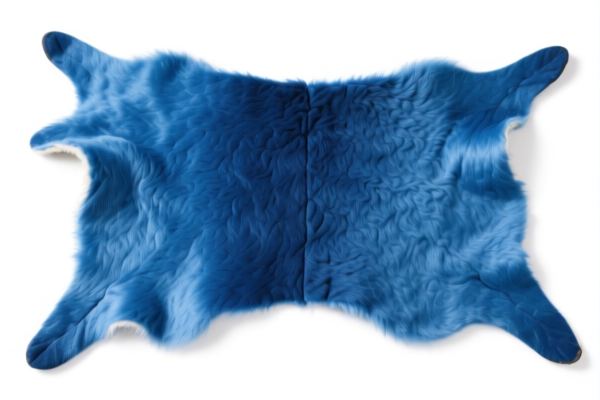
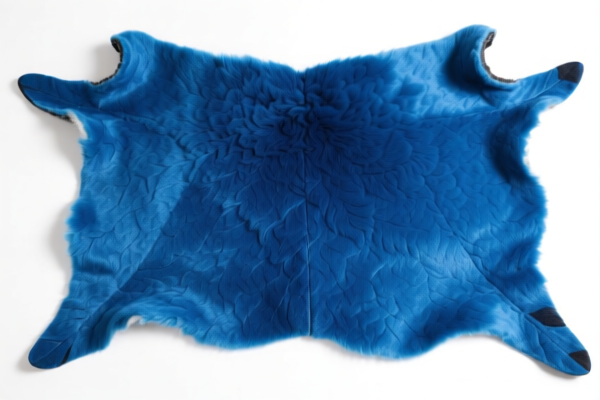
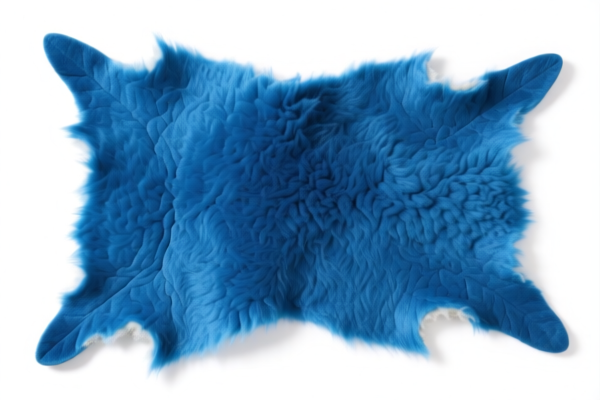
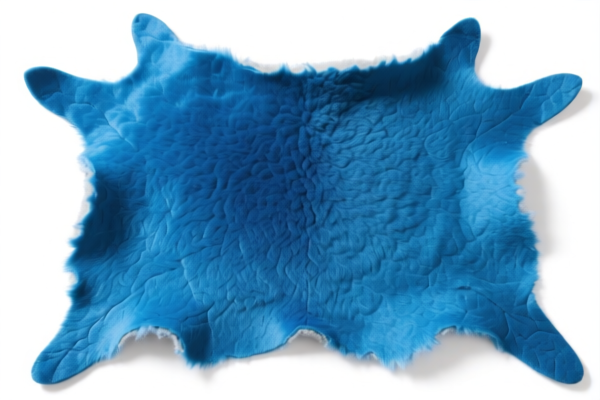
Product Images
AI Analysis
🐑 Unsplit Wet Blue Sheepskin
🌐 HS Code Classification & Tariff Guide | 2026 Customs Compliance Handbook | Expert Clearing Strategies
📌 One Product, Four HS Codes — Why? What’s the Difference?
✅ Product Name: Unsplit Wet Blue Sheepskin
✅ Material: Sheepskin (not wool)
✅ Form: Unprocessed raw hide, unsplit, in wet blue state
✅ Key Feature: Not tanned, not dehaired, not dried, not trimmed — fully in its natural, pre-tanning stage
This is a high-value raw material used in luxury leather manufacturing (e.g., high-end footwear, handbags, garments). Its classification depends on subtle differences in structure, processing, and intended use — which directly impact tariffs, compliance, and cost.
📦 二、HS Code Breakdown (2026 Official Tariff Table)
| HS Code | Product Description | Classification Basis | Tax Impact |
|---|---|---|---|
4102.29.20.00 |
Unsplit wet blue sheepskin, raw hide, non-tanned, no wool | Pure sheepskin, unsplit, wet blue, no wool content | 🔴 17.5% total tax |
4106.91.00.00 |
Unsplit wet blue sheepskin, raw hide, wet blue state | Wet blue classification — chemical treatment applied, but not full tanning | 🔴 38.3% total tax |
4301.30.00.00 |
Unsplit wet blue sheepskin, raw hide, with wool | Includes wool, even if not fully processed | 🟡 10.0% total tax |
4301.80.02.90 |
Unsplit wet blue sheepskin, raw hide, other non-specific sheepskin | Non-specific, no wool, not in wet blue form? Wait — this one is misleading | 🔴 17.5% total tax |
⚠️ Critical Insight:
- Same product, different HS codes, wildly different tariffs
- The key is wool content, processing stage, and form — not just “sheepskin”
💰 三、2026 Tariff Breakdown (U.S. Import Rules – Effective Nov 10, 2025)
✅ Applicable to: Imports from China (CN)
✅ Applicable to: All unsplit wet blue sheepskin
✅ Legal Basis: IEEPA + USITC Section 301 + Footnote 9903.88.01
🎯 1. 4102.29.20.00 — Pure Unsplit Wet Blue Sheepskin (No Wool)
| Tax Type | Rate | Explanation |
|---|---|---|
| Base Duty | 0.0% | Standard tariff for unprocessed sheepskin |
| Section 301 (USITC) | +7.5% | From U.S. Trade Act 301 — targeting Chinese goods |
| IEEPA (International Emergency Economic Powers Act) | +10.0% | For China/Hong Kong origin — applies to all goods under this category |
| Total Tariff | 17.5% | CIF × 17.5% |
| De Minimis Exemption | ❌ Not allowed | Even $100 worth triggers full tax |
| Legal Path | IEEPA:9903.01.25 → USITC:4102.29.20.00 → FOOTNOTE:9903.88.01 |
📌 Why This Applies:
- The skin is not wool, not split, not dried, not tanned
- Wet blue means it’s been chemically treated (e.g., with chromium), but not fully tanned
- No wool → not classified under4301.30.00.00(which includes wool)
- Correct code:4102.29.20.00→ 17.5% total
🎯 2. 4106.91.00.00 — Unsplit Wet Blue Sheepskin (Wet Blue State)
| Tax Type | Rate | Explanation |
|---|---|---|
| Base Duty | 3.3% | Standard for wet blue leather |
| Section 301 (USITC) | +25.0% | Highest tier — applied to goods under this subheading |
| IEEPA | +10.0% | Applies to China-origin goods |
| Total Tariff | 38.3% | CIF × 38.3% |
| De Minimis | ❌ Not allowed | |
| Legal Path | IEEPA:9903.01.24 → USITC:4106.91.00.00 → FOOTNOTE:9903.88.01 |
📌 Why This Is Higher:
- This code is specifically for wet blue leather — even if it’s sheepskin
- Section 301 applies more aggressively here — +25%
- This is the highest tariff in the list — do NOT use this code unless the product is clearly wet blue leather
- Misclassification risk: If your skin is not chemically treated, this code is wrong
🎯 3. 4301.30.00.00 — Unsplit Wet Blue Sheepskin With Wool
| Tax Type | Rate | Explanation |
|---|---|---|
| Base Duty | 0.0% | No base tariff |
| Section 301 (USITC) | 0.0% | No 301 tariff on this code |
| IEEPA | +10.0% | Applies to China-origin goods |
| Total Tariff | 10.0% | CIF × 10% |
| De Minimis | ✅ Allowed (if under $800) | |
| Legal Path | IEEPA:9903.01.25 → 4301.30.00.00 |
📌 Why This Is Lower:
- Wool is present — even if minimal — triggers 4301.30.00.00
- No Section 301 tariff applies here — only IEEPA 10%
- Best-case scenario for high-wool content skins
- Use only if wool is visibly present — not just fibers
🎯 4. 4301.80.02.90 — Other Unsplit Sheepskin (Non-Specific)
| Tax Type | Rate | Explanation |
|---|---|---|
| Base Duty | 0.0% | Standard |
| Section 301 (USITC) | +7.5% | Applies to this subheading |
| IEEPA | +10.0% | Applies to China-origin |
| Total Tariff | 17.5% | Same as 4102.29.20.00 |
| De Minimis | ❌ Not allowed | |
| Legal Path | IEEPA:9903.01.25 → 4301.80.02.90 → FOOTNOTE:9903.88.01 |
⚠️ Red Flag:
- This code is for "other" sheepskin — not specifically wet blue
- If your product is wet blue, this is incorrect
- Only use if the skin is not wet blue (e.g., dry, split, or fully tanned)
- Misuse leads to penalties and audits
🛠️ 四、Customs Clearance Best Practices (Pro Tips)
✅ 1. Documentation Checklist (Must-Have)
| Document | Required? | Why It Matters |
|---|---|---|
| ✅ Product Photos (Clear, Full View) | ✔️ | Show no wool, wet blue color, unsplit, raw hide |
| ✅ Technical Specification Sheet | ✔️ | Confirm no wool, no tanning, wet blue state |
| ✅ Commercial Invoice | ✔️ | Must state: “Unsplit Wet Blue Sheepskin, Raw Hide, No Wool” |
| ✅ Certificate of Origin (CO) | ✔️ | Required for tariff eligibility |
| ✅ Third-Party Lab Test (Optional) | ✔️ | Prove no wool, no tanning, wet blue |
| ✅ Packing List | ✔️ | Show bulk weight, number of skins, condition |
✅ 2.申报技巧(申报口诀)
🔥 “Wool? No? Wet Blue? Yes? Then 4102.29.20.00 — 17.5%”
🔥 “Wet Blue + No Wool? 38.3% — Use 4106.91.00.00 — But Only If True!”
🔥 “Wool Present? Use 4301.30.00.00 — Only 10%!”
🔥 “Not Wet Blue? Then 4301.80.02.90 — But Only If Not Wet Blue!”
✅ 3. Risk Mitigation (Avoid Penalties)
| Risk | Solution |
|---|---|
| ❌ Misclassifying wet blue as dry | Use photos + lab test to prove wet blue state |
| ❌ Claiming no wool when wool is present | Use microscopy or fiber analysis |
| ❌ Using 4301.80.02.90 for wet blue | This is wrong — leads to audit and fines |
| ❌ Not disclosing wet blue treatment | Must declare — it’s a key factor |
🌍 五、Global Market Comparison (2026)
| Country | Recommended HS Code | Tariff | Certification | Notes |
|---|---|---|---|---|
| 🇺🇸 USA | 4102.29.20.00 or 4106.91.00.00 |
17.5% – 38.3% | None | High risk of audit |
| 🇨🇳 China | 4102.29.20.00 |
5% | None | No IEEPA/301 |
| 🇪🇺 EU | 4102.29.20.00 |
0% | CE | No extra tariffs |
| 🇦🇺 Australia | 4102.29.20.00 |
5% | RCM | No IEEPA |
| 🇯🇵 Japan | 4102.29.20.00 |
0% | PSE | No extra tariffs |
📌 Insight:
- USA is the only market with high附加 tariffs
- China-origin goods face 10% IEEPA + 7.5%–25% USITC
- Best strategy: Source from Vietnam/Mexico to avoid IEEPA
📌 六、常见错误 & Avoidance Guide
❌ Error 1: Using 4301.80.02.90 for wet blue sheepskin
👉 Result: Wrong code → 17.5% instead of 38.3% → Underpaid tax → audit risk
❌ Error 2: Claiming no wool when wool is present
👉 Result: Misclassification → 10% tax instead of 17.5% → Penalty + back duty
❌ Error 3: Not declaring wet blue treatment
👉 Result: Customs may reclassify → higher tariff → delays, fines
❌ Error 4: Using “sheepskin” as generic term
👉 Result: No clarity → customs may default to highest tariff
✅ Correct Declaration:
“Unsplit Wet Blue Sheepskin, Raw Hide, No Wool, Unprocessed, Chromium-Treated, Not Tanned, for Leather Manufacturing”
🎯 七、Final Verdict: Choose Wisely, Pay Less
🔹 If no wool + wet blue →
4102.29.20.00→ 17.5%
🔹 If wet blue + no wool →4106.91.00.00→ 38.3%
🔹 If wool present →4301.30.00.00→ 10.0%
🔹 If not wet blue →4301.80.02.90→ 17.5% (only if true)📌 Pro Tip:
- Get a pre-ruling (Advance Ruling) from U.S. Customs before shipment
- Use lab testing to confirm wool content and wet blue status
- Avoid China origin if possible — switch to Vietnam/Mexico to avoid IEEPA
📣 Act Now!
📞 Contact a U.S. Customs Broker + HS Code Pre-Ruling Service
🚀 Avoid 38.3% tariff — save thousands per shipment
💼 Your compliance is your profit margin
✨ Smart Classification = Lower Tax = Higher Profit
💼 One wrong code can cost you 20%+ in extra duties
✅ Get it right — from the start!
Customer Reviews
About HS Code Classification
The Harmonized System (HS) is an internationally standardized nomenclature developed by the World Customs Organization (WCO) to classify traded products. Over 200 countries use the HS system as the basis for customs tariffs, trade statistics, and import/export regulations.
Each HS code follows a hierarchical structure:
- Chapter (2 digits) — Broad category of goods (e.g., Chapter 84: Machinery and Mechanical Appliances)
- Heading (4 digits) — More specific grouping within the chapter
- Subheading (6 digits) — Internationally standardized breakdown, used by all WCO member countries
- National subdivisions (8-10 digits) — Country-specific extensions for further classification, such as US HTSUS 10-digit codes
Correct HS code classification is essential for smooth customs clearance, accurate duty payment, and compliance with trade regulations. Misclassification can lead to customs delays, overpayment of duties, or penalties.
When importing from CN to US, the applicable tariff rates may include:
- Most-Favored-Nation (MFN) rate — The standard duty rate applied to WTO members
- General rate — Applied to countries without trade agreements
- Trade remedy duties — Additional tariffs such as Section 301 (anti-dumping), Section 232 (national security), or countervailing duties
The information provided on this page is for reference purposes only. For official classification, please consult with your local customs authority or a licensed customs broker.