Unstripped Pine Logs
CN → US| HS Code | Tariff Rate | Origin | Destination | Doc |
|---|---|---|---|---|
| 4403220120 | 35.0% | CN | US | Official Doc |
| 4403210130 | 35.0% | CN | US | Official Doc |
| 4403210130 | 35.0% | CN | US | Official Doc |
| 4403220120 | 35.0% | CN | US | Official Doc |
| 4403980023 | 35.0% | CN | US | Official Doc |
Product Images
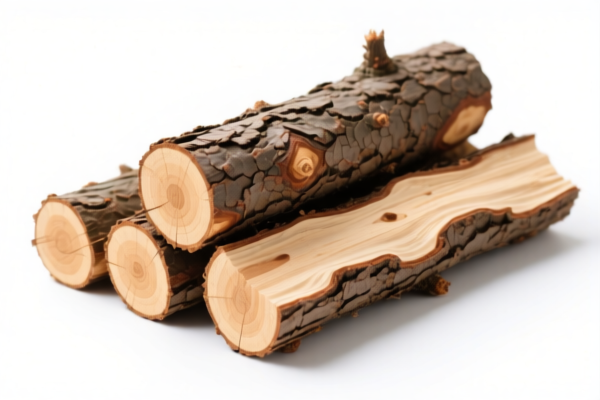
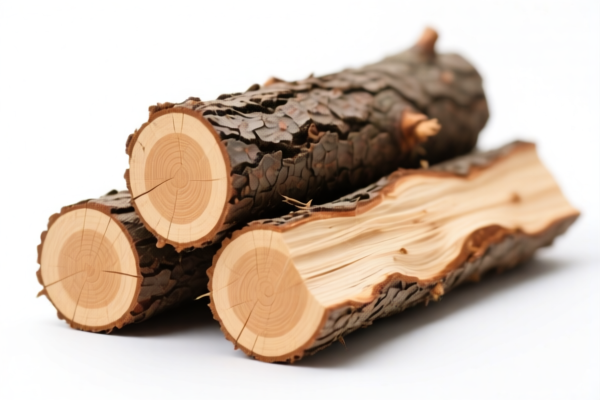
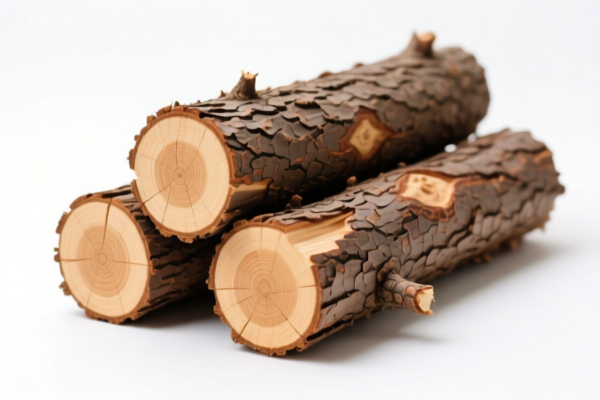
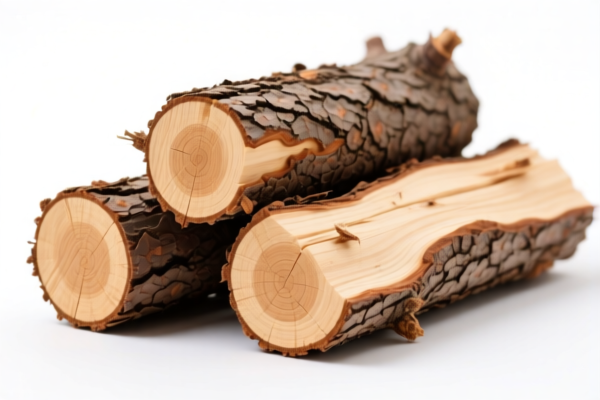
AI Analysis
🌲 Unstripped Pine Logs (未去皮松木原木)
🌐 HS Code Reference & Customs Clearance Guide | 2026 Latest Tariff Analysis | Professional Clearance Strategy
📌 Part 1: Product Definition & Classification: Do You Understand "Unstripped Pine Logs"?
Unstripped Pine Logs are raw timber products where the bark (outer layer) has not been removed from the pine wood. In international trade, these are classified under Chapter 44 (Wood and articles of wood). The key distinction lies in the state of processing: * Unstripped (Unbarked): The bark is still attached. This is considered a more "raw" state compared to "stripped" or "barked" logs. * Pine Material: Must be confirmed as pine (Pinus species).
⚠️ Key Distinction Point:
- If the bark is intact, it falls under codes specifically describing logs "whether or not stripped or roughly squared." However, for pine, specific subheadings exist based on hardness (softwood vs. hardwood distinctions) and processing state. - If the bark is removed, it may fall under different subheadings (e.g., "stripped"). - Crucial Note: In the provided dataset, both "stripped" (if interpreted as roughly processed but bark removed) and "unstripped" scenarios are mapped to specific HS codes with identical tax implications due to the nature of the 122 and 301 tariffs.
📦 Part 2: HS Code Classification Details (Based on Provided Data)
| HS Code | Product Description | Matching Logic | Applicable Scenario |
|---|---|---|---|
4403.22.01.20 |
Unprocessed Pine Logs | Matches Pine material, Log shape, and Unprocessed state. | Raw pine logs, potentially with or without slight processing, but fundamentally "unprocessed" in the context of the summary. |
4403.21.01.30 |
Unprocessed Pine Logs | Matches Pine material, Unprocessed Log shape, No material conflict. | General unprocessed pine logs where specific "stripped" status isn't the primary differentiator in this specific code slot. |
4403.21.01.30 |
Unstripped Pine Logs | Matches Pine material and Log shape; "Unstripped" fits the "roughly sawn" or primary form description. | Pine logs where the bark is still on (unstripped), classified under the same code as general unprocessed logs in this dataset. |
4403.22.01.20 |
Unstripped Pine Logs | Matches Pine material, Log shape; "Unstripped" fits the "whether or not stripped" description. | Same as above, emphasizing the "unstripped" nature but mapped to this specific tariff line. |
🔍 Important Note on Data Consistency:
- The dataset maps both "Unprocessed" and "Unstripped" Pine Logs to two main HS Codes:4403.22.01.20and4403.21.01.30. - Despite the descriptive difference ("Unprocessed" vs. "Unstripped"), the tax rate is identical for all entries. This simplifies customs planning: the tax burden does not change based on whether the bark is explicitly mentioned as removed or not, within the scope of this specific data set. - Eucalyptus Logs (4403.98.00.23) are also included in the data for comparison, but since the user input is Pine, we focus on the Pine-specific codes above.
💰 Part 3: 2026 Latest Tariff Rate Breakdown (Including Surcharges)
✅ Applicable Country: United States (US)
✅ Origin: China (CN) (Implied by "122 Clause" and typical 301 tariffs context)
✅ Effective Time: Current (Includes Section 301 and 122 provisions)
🎯 1. 4403.22.01.20 & 4403.21.01.30 — Pine Logs (Unprocessed/Unstripped)
| Item | Content |
|---|---|
| Base Tariff Rate | 0.0% (ad valorem) Note: Base MFN rates for wood logs are often low or zero, but surcharges dominate. |
| Section 301 Surcharge | +25.0% Applied under US Trade Law Section 301 against Chinese imports. |
| Section 122 Tariff | +10.0% Specific tariff clause applicable to certain goods. |
| Total Tariff Rate | 35.0% (0% + 25% + 10%) |
| Tax Calculation | CIF Value × 35% |
| De Minimis Exemption? | ❌ No (deny_de_minimis) Wood products generally do not qualify for small package exemptions under these surcharges. |
| Legal Basis Path | Section 301 → Section 122 → USITC:4403.22.01.20 / 4403.21.01.30 |
📌 Explanation:
- The 0% base rate might seem low, but the 25% Section 301 tariff is the major cost driver for Chinese-origin pine logs. - The additional 10% Section 122 tariff further increases the burden. - Total 35% is a significant cost that must be factored into landed cost calculations. - "Unstripped" vs. "Unprocessed": As per the data, both descriptions result in the same 35% total tax rate. Therefore, there is no tax advantage in declaring one over the other if the HS code mapping remains the same. Ensure physical description matches the HS code definition to avoid customs audits.
🛠️ Part 4: Customs Clearance Practical Advice (Pitfall Avoidance Guide)
✅ 1. Documentation Checklist (Non-Negotiable)
| Document | Must Provide | Description |
|---|---|---|
| ✅ Commercial Invoice | ✔️ | Must clearly state "Pine Logs," "Unstripped" or "Unprocessed," and CIF value. |
| ✅ Packing List | ✔️ | Detail number of logs, volume, weight, and any protective wrapping. |
| ✅ Phytosanitary Certificate | ✔️ | Critical for Wood! Issued by the country of origin's agricultural authority, confirming freedom from pests/diseases (ISPM 15 standards). |
| ✅ Fumigation Certificate | ✔️ | If required by destination country regulations (often included in Phyto cert). |
| ✅ Certificate of Origin | ✔️ | To prove origin (e.g., China) for tariff application and potential exemptions. |
| ✅ Bill of Lading | ✔️ | Standard shipping document. |
✅ 2. Declaration Tips (Key Mnemonics)
🔥 "Be Specific, Be Accurate, Be Compliant!"
| Scenario | Correct Declaration | Wrong Practice |
|---|---|---|
| Material | Clearly state "Pine (Pinus sp.)" | Vague "Wood Logs" → Risk of misclassification. |
| State | Specify "Unstripped" or "Unprocessed" | Just "Logs" → Ambiguity may lead to manual inspection. |
| HS Code | Use 4403.22.01.20 or 4403.21.01.30 as per data |
Use wrong code (e.g., for hardwood) → Incorrect tax rate. |
| Origin | Declare actual country of origin | Misdeclare origin to avoid tariffs → High risk of fraud penalties. |
✅ 3. Special Cases & Risk Management
| Situation | Handling Advice |
|---|---|
| Bark Presence | If bark is present, ensure the description matches "Unstripped." If bark is removed, "Stripped" might apply, but check if the same HS code applies. |
| Pest Control | Wood is highly susceptible to pest checks. Ensure ISPM 15 compliance (heat treatment/fumigation) to avoid rejection at US border. |
| Section 301 Exemptions | Check if your specific pine log type is eligible for any Section 301 exclusions (though rare for raw logs). |
| Value Assessment | Ensure CIF value is accurate. Under-declaration can lead to severe penalties and back taxes. |
🌍 Part 5: Global Market Comparison (2026 Update)
| Country/Region | Recommended HS Code | Tariff (China Origin) | Certification Required | Notes |
|---|---|---|---|---|
| 🇺🇸 USA | 4403.22.01.20 / 4403.21.01.30 |
35% (0% Base + 25% Sec 301 + 10% Sec 122) | Phytosanitary, Fumigation | High tariff; strict wood rules. |
| 🇨🇳 China | 4403.22.01.20 / 4403.21.01.30 |
Low/0% (Import Duty) | Phytosanitary | No Section 301 tariffs. |
| 🇪🇺 EU | 4403.22.00 / 4403.21.00 |
~0-3% (Varies) | Fumigation/Phyto | No US-style surcharges. |
| 🇯🇵 Japan | 4403.22.00 / 4403.21.00 |
~0-3% | Phytosanitary | Strict phytosanitary rules. |
📌 Conclusion:
- USA imposes a 35% total tariff on Chinese pine logs, significantly impacting profitability. - Phytosanitary compliance is equally critical as tariff compliance; non-compliance can lead to destruction or re-export. - No tax benefit is seen between "Unprocessed" and "Unstripped" in the provided data for Pine logs.
📌 Part 6: Common Errors & Pitfall Guide (Lessons Learned)
❌ Error 1: Declaring "Wood Logs" without specifying "Pine"
👉 Consequence: Customs may classify under general wood, potentially misapplying taxes or requiring detailed material testing.
❌ Error 2: Omitting "Unstripped" status
👉 Consequence: If bark is present but not declared, it may trigger additional phytosanitary inspections or disputes.
❌ Error 3: Ignoring Phytosanitary Certificate
👉 Consequence: Shipment held or destroyed at US port. Wood is a high-risk category for pests.
❌ Error 4: Incorrect Origin Declaration
👉 Consequence: If origin is not China, Section 301/122 tariffs might not apply (or vice versa), leading to fraud allegations.
✅ Correct Practice:
"Unstripped Pine Logs, Pine (Pinus sp.), Origin: China, Fumigated per ISPM 15, CIF Value: $X"
🎯 Part 7: Conclusion: Precise Classification, Cost Control, Smooth Clearance!
🎯 Remember the Mantra:
🔹 "Pine Logs, Check Bark, Phyto Cert is Key, 35% Tax is Real!"
🔹 "HS Code 4403, Sec 301 Hits Hard, No De Minimis, Plan Ahead!"
📌 Pro Tip:
- Pre-emptive Ruling: Consider applying for an Advance Ruling from US Customs if the classification of "Unstripped" vs. "Unprocessed" is critical for your supply chain.
- Supplier Compliance: Ensure your Chinese supplier provides accurate Phytosanitary Certificates and clearly marks logs as "Unstripped" if applicable.
- Cost Modeling: Factor in the 35% total tariff when pricing your Pine Logs for the US market.
📣 Immediate Action:
📞 Engage a licensed customs broker
📦 Verify Phytosanitary compliance
📊 Calculate landed cost including 35% tariff
🚀 Ensure smooth, compliant clearance for your Pine Logs!
✨ Professional Customs Clearance Starts with Accurate Classification!
💼 Every Percent Counts in Wood Trade!
Customer Reviews
About HS Code Classification
The Harmonized System (HS) is an internationally standardized nomenclature developed by the World Customs Organization (WCO) to classify traded products. Over 200 countries use the HS system as the basis for customs tariffs, trade statistics, and import/export regulations.
Each HS code follows a hierarchical structure:
- Chapter (2 digits) — Broad category of goods (e.g., Chapter 84: Machinery and Mechanical Appliances)
- Heading (4 digits) — More specific grouping within the chapter
- Subheading (6 digits) — Internationally standardized breakdown, used by all WCO member countries
- National subdivisions (8-10 digits) — Country-specific extensions for further classification, such as US HTSUS 10-digit codes
Correct HS code classification is essential for smooth customs clearance, accurate duty payment, and compliance with trade regulations. Misclassification can lead to customs delays, overpayment of duties, or penalties.
When importing from CN to US, the applicable tariff rates may include:
- Most-Favored-Nation (MFN) rate — The standard duty rate applied to WTO members
- General rate — Applied to countries without trade agreements
- Trade remedy duties — Additional tariffs such as Section 301 (anti-dumping), Section 232 (national security), or countervailing duties
The information provided on this page is for reference purposes only. For official classification, please consult with your local customs authority or a licensed customs broker.