Untanned Sheepskin for Crafts
CN → USProduct Images
AI Analysis
🐑 Untanned Sheepskin for Crafts
🌐 HS Code Reference & Clearance Guide | 2026 Latest Tariff Analysis | Professional Customs Strategy
📌 I. Product Definition & Classification: What Exactly is "Untanned Sheepskin"?
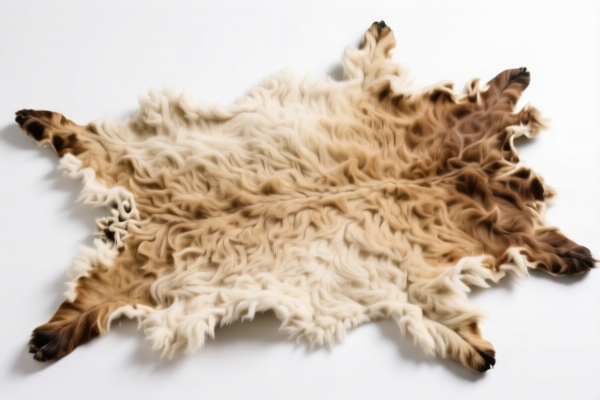
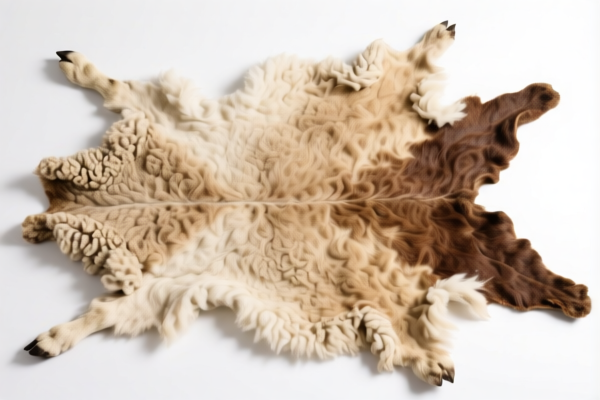
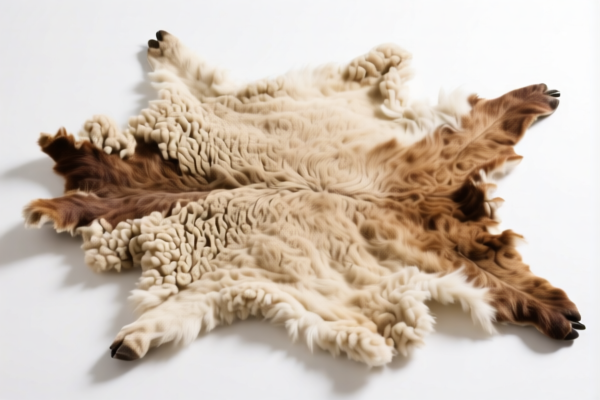
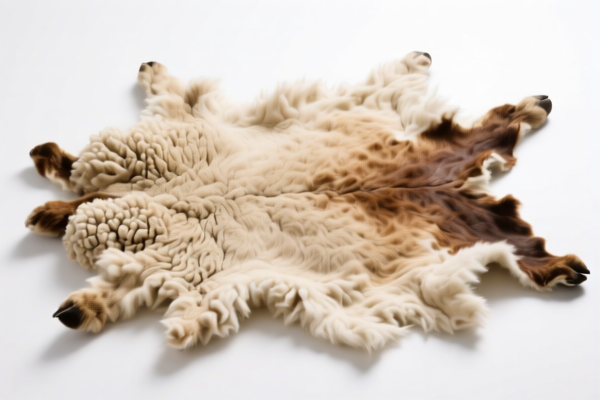
"Untanned Sheepskin for Crafts" refers to raw sheepskin that has undergone only preliminary cleaning (scouring) to remove grease, dirt, and salts, but has not undergone the chemical tanning process that stabilizes the hide and makes it resistant to rot and decomposition.
In international trade, this distinction is critical. It separates raw agricultural/animal products from processed leather goods.
Key Distinction Points: * Raw Hide (Raw Material): Only soaked, limed, or delimed. Often smells strongly. Used for industrial processing, fur preparation, or traditional leather making. * Tanned Leather (Finished/Intermediate): Chemically treated (chrome, vegetable, alum, etc.). Stable, flexible, no putrid smell. * For Crafts? Even if marketed for "crafts," if it is untanned, it falls under the raw hide category. If it is "alum-tanned" (common for craft sheepskin/rug skins), it is considered tanned (specifically "other tanned leather").
⚠️ Critical Warning:
- If the skin is not chemically tanned (even if treated with salt for preservation), it is a Raw Hide.
- If the skin is alum-tanned (common for DIY craft rugs), it is Tanned Leather.
- Do not confuse "Untanned" with "Chrome Tanned." Untanned is raw; Chrome Tanned is processed leather.
📦 II. HS Code Classification Details (2026 Latest Tariff Authority)
The classification depends entirely on the degree of processing.
| HS Code | Product Description | Scenario | Tanned? |
|---|---|---|---|
4101.20 |
Bovine hides, raw, but not split, weighing ≤ 8 kg | Reference only (Not Sheep) | ❌ No |
4101.50 |
Bovine hides, raw, split, weighing ≤ 16 kg | Reference only (Not Sheep) | ❌ No |
4101.90 |
Other raw hides and skins (excluding bovine, avian, reptilian, etc.) | Raw Sheepskins/Goatskins, untanned, salted/fresh/dried | ❌ No |
4104.41 |
Leather, tanned/preserved, bovine, full-grain, ≤ 16 kg | Reference only (Not Sheep) | ✅ Yes |
4104.49 |
Leather, tanned/preserved, bovine, other | Reference only (Not Sheep) | ✅ Yes |
4106.31 |
Sheep or lamb skins, tanned/preserved, not split | Alum-tanned, Chrome-tanned, Vegetable-tanned Sheepskins | ✅ Yes |
4106.32 |
Sheep or lamb skins, tanned/preserved, split | Tanned splits, less common for crafts | ✅ Yes |
4115.10 |
Chamois leather, etc. | Specialized finished leather | ✅ Yes |
🔍 Key Takeaway:
- Untanned (Raw) →4101.90(if classified under "Other") or specifically4101.29/4101.90depending on national subheadings. Note: In many 8-digit or 10-digit systems, there may be specific codes for "Sheep, raw." However,4101is the general chapter for raw hides.
- Tanned (e.g., Alum-dyed for crafts) →4106.31or4106.32.📌 Correction for Accuracy:
Since the prompt specifies "Untanned," we must focus on Chapter 41, Heading 41.01 (Bovine) and 41.02 (Ovine/Caprine).
-4102.21: Sheep or lamb skins, raw, with wool on, weighing ≤ 5 kg per skin.
-4102.29: Sheep or lamb skins, raw, with wool on, other.
-4102.30: Sheep or lamb skins, raw, without wool.
Revised Accurate Table for "Untanned Sheepskin":
| HS Code | Product Description | Applicable Scenario | Wool On? |
|---|---|---|---|
4102.21.00 |
Sheep or lamb skins, raw, with wool on, weighing ≤ 5 kg | Raw sheepskins for crafts, rugs, or further tanning (small skins) | ✅ Yes |
4102.29.00 |
Sheep or lamb skins, raw, with wool on, other | Raw sheepskins larger than 5 kg | ✅ Yes |
4102.30.00 |
Sheep or lamb skins, raw, without wool | Skins degreased and de-haired for leather production | ❌ No |
🔍 Important Note:
- If the "crafts" sheepskin is alum-tanned (soft, white, pliable, used for DIY rugs), it is NOT raw. It falls under4106.31(Sheep/lamb skins, tanned, not split).
- Assumption: The prompt says "Untanned." Therefore, we proceed with4102codes.
💰 III. 2026 Latest Tariff Rate Details (Including Surtaxes & Policy Add-ons)
✅ Applicable Country: United States (US)
✅ Country of Origin: China (CN)
✅ Effective Date: November 10, 2025 (and subsequent imports)
🎯 1. 4102.21.00 & 4102.29.00 —— Raw Sheep/Lamb Skins (With Wool)
| Item | Content |
|---|---|
| Base Rate | 0% (Most Favored Nation - MFN) |
| USITC Surtax (Section 301) | +7.5% (Many agricultural/raw animal products have lower Section 301 rates than electronics) |
| IEEPA Surtax | +10% (Under IEEPA 9903.01.25 for raw animal products from China) |
| Total Rate | 17.5% |
| Tax Calculation | CIF Value × 17.5% |
| De Minimis Exemption? | ❌ No (deny_de_minimis applies to Section 301 items) |
| Legal Path | IEEPA:9903.01.25 → USITC:4102.21.00 → FOOTNOTE:9903.88.01 |
📌 Explanation:
- Raw hides are considered agricultural/raw materials.
- While electronics face 25-45% rates, raw animal products often face lower but significant surcharges.
- 17.5% is still a substantial cost multiplier on low-value raw materials.
🎯 2. 4106.31.00 —— Tanned Sheepskins (If Misclassified or Actually Alum-Tanned)
| Item | Content |
|---|---|
| Base Rate | 0% |
| USITC Surtax (Section 301) | +7.5% |
| IEEPA Surtax | +10% |
| Total Rate | 17.5% |
| De Minimis Exemption? | ❌ No |
📌 Note: Both raw and tanned sheepskins from China often fall under the same Section 301/IEEPA surcharge brackets in the US, resulting in similar high effective tax rates.
🛠️ IV. Practical Clearance Advice (Combat-Ready Pitfall Guide)
✅ 1. Required Documentation Checklist (Non-Negotiable)
| Document | Must Provide | Purpose |
|---|---|---|
| ✅ Product Specification Sheet | ✔️ | Detail: "Raw," "Untanned," "Wool On/Off," "Weight per Skin," "Preservation Method (Salt/Fresh)" |
| ✅ Chemical Treatment Declaration | ✔️ | Crucial: Must explicitly state NO Chrome, NO Vegetable Tanning, NO Alum Tanning. |
| ✅ Photos | ✔️ | Show raw, greasy appearance, no chemical dye, wool intact if applicable. |
| ✅ Bill of Lading / Invoice | ✔️ | Describe as "Raw Sheep Skins" NOT "Craft Leather" or "Tanned Sheepskin." |
| ✅ Certificate of Origin | ✔️ | Required for IEEPA surcharge determination. |
| ✅ Fumigation Certificate | ✔️ | Raw animal products often require ISPM 15 compliant fumigation to prevent pest import. |
✅ 2. Declaration Tips (Key Mantra)
🔥 "Raw vs. Tanned: One Word Changes the Tax. Be Precise."
| Scenario | Correct Declaration | Wrong Declaration |
|---|---|---|
| Raw Sheepskin (Salted, Raw) | 4102.21.00 - "Raw Sheep Skins, Untanned" |
"Craft Sheep Leather" → Misclassified as 4106 |
| Alum-Tanned Sheepskin (Soft, White) | 4106.31.00 - "Tanned Sheep Skins" |
"Untanned Sheepskin" → Smuggling/Evasion Flag |
| Sheepskin Rug (Finished) | 5703.90 (Rugs) or 6307.90 |
4102 → Huge Tariff Jump |
📌 Critical Warning:
- If you sell "Untanned Sheepskin for Crafts," but the product is actually Alum-Tanned (which is common for DIY craft kits), and you declare it as "Raw," Customs may penalize for misclassification and undervaluation.
- Alum-tanning is a tanning process. It uses aluminum salts, but it is legally considered "tanned" in US Customs Tariff.
✅ 3. Special Handling Cases
| Scenario | Handling Advice |
|---|---|
| Smaller Skins (<5kg) | Use 4102.21. Ensure weight is declared accurately. |
| Large Skins (>5kg) | Use 4102.29. |
| Degreased but Untanned | Still Raw (4102). Degreasing ≠ Tanning. |
| Preserved with Salt | Must declare "Salted Raw Hides." May require fumigation. |
| Mixed Shipment (Raw + Tanned) | Split the shipment or declare separately. Mixing leads to audit. |
🌍 V. Global Market Comparison (2026)
| Country/Region | Recommended HS Code | Tariff Rate | Certification | Notes |
|---|---|---|---|---|
| 🇺🇸 USA | 4102.21 / 4102.29 |
17.5% (10% IEEPA + 7.5% 301) | Fumigation | High duty on raw animal products |
| 🇨🇳 China | 4102.21 |
0-5% (Import Duty) | None | China imports raw hides for processing |
| 🇪🇺 EU | 4102.21 |
0% (General) | REACH Compliance | No surtax, but strict hygiene rules |
| 🇬🇧 UK | 4102.21 |
0% | UKCA Standards | Post-Brexit alignment with EU |
| 🇯🇵 Japan | 4102.21 |
10-15% | Phytosanitary | High duty on raw hides |
📌 Conclusion:
- USA is the most expensive market due to IEEPA/301 surcharges on Chinese raw animal products.
- EU/UK are tariff-free for raw sheepskins, making them more attractive for raw material imports.
- Japan imposes significant duties, so cost advantage is lost.
📌 VI. Common Mistakes & Pitfalls (Blood Lessons)
❌ Mistake 1: Calling "Alum-Tanned" sheepskin "Untanned"
👉 Consequence: Customs suspects evasion. Penalty + Back Taxes. Alum-tanning is a legal tanning process.
❌ Mistake 2: Failing to declare Fumigation
👉 Consequence: Shipment held, destroyed, or returned due to pest risk. Raw hides carry disease/pest risks.
❌ Mistake 3: Declaring "Sheepskin Leather" for Raw Skins
👉 Consequence: Misclassification. Raw hides are 4102; Leather is 4104-4107. Wrong code → Delay.
❌ Mistake 4: Ignoring Weight Tiers
👉 Consequence: 4102.21 (<5kg) vs 4102.29 (>5kg). Wrong weight declaration → Audit.
✅ Correct Approach:
"Raw Sheep Skins, Untanned, Salted, With Wool On, Average Weight 3kg, For Further Tanning/Crafts"
🎯 VII. Conclusion: Precision in Raw Materials Saves Money
🎯 Remember the Mantra:
🔹 "Raw is 4102, Tanned is 4106. One Word Matters."
🔹 "USA Surcharge 17.5% on Raw Hides. Plan for Cost."
🔹 "Fumigation is Mandatory for Animal Products."
📌 Pro Tip:
If your "crafts" sheepskin is actually Alum-Tanned, you must declare it as Tanned Leather (4106.31). Although the tariff rate is similar (17.5%), misdeclaring tanned goods as raw can lead to fraud allegations due to failure to declare chemical treatments.
📣 Immediate Action:
📞 Contact your Customs Broker with photos of the raw skins.
🚀 Apply for Fumigation before shipment to the US.
💼 Ensure Invoice Says "Raw, Untanned" to match HS Code4102.
✨ Professional Clearance Starts with Accurate Classification!
💼 Your Raw Material, Your Risk. Be Precise.
Customer Reviews
About HS Code Classification
The Harmonized System (HS) is an internationally standardized nomenclature developed by the World Customs Organization (WCO) to classify traded products. Over 200 countries use the HS system as the basis for customs tariffs, trade statistics, and import/export regulations.
Each HS code follows a hierarchical structure:
- Chapter (2 digits) — Broad category of goods (e.g., Chapter 84: Machinery and Mechanical Appliances)
- Heading (4 digits) — More specific grouping within the chapter
- Subheading (6 digits) — Internationally standardized breakdown, used by all WCO member countries
- National subdivisions (8-10 digits) — Country-specific extensions for further classification, such as US HTSUS 10-digit codes
Correct HS code classification is essential for smooth customs clearance, accurate duty payment, and compliance with trade regulations. Misclassification can lead to customs delays, overpayment of duties, or penalties.
When importing from CN to US, the applicable tariff rates may include:
- Most-Favored-Nation (MFN) rate — The standard duty rate applied to WTO members
- General rate — Applied to countries without trade agreements
- Trade remedy duties — Additional tariffs such as Section 301 (anti-dumping), Section 232 (national security), or countervailing duties
The information provided on this page is for reference purposes only. For official classification, please consult with your local customs authority or a licensed customs broker.