Untreated Cowhide (Dehaired)
CN → US| HS Code | Tariff Rate | Origin | Destination | Doc |
|---|---|---|---|---|
| 4101201010 | 17.5% | CN | US | Official Doc |
| 4101901010 | 17.5% | CN | US | Official Doc |
Product Images
AI Analysis
🐄 Untreated Cowhide (Dehaired)
🌐 HS Code Reference & Customs Clearance Guide | 2024/2025 Latest Tariff Analysis | Professional Compliance Strategy
📌 I. Product Definition & Classification: Do You Know Your Hides?
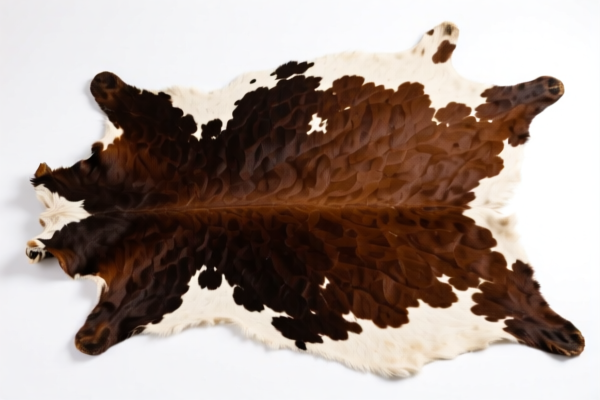
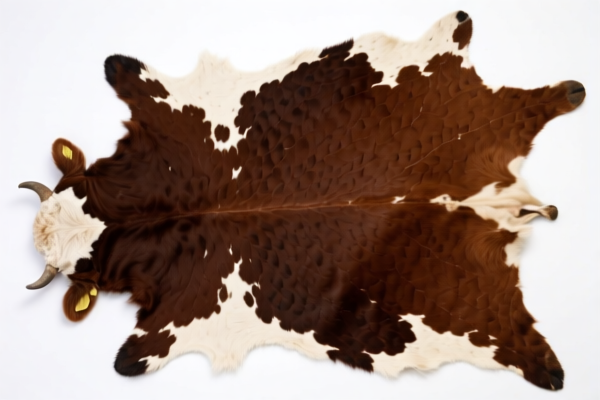
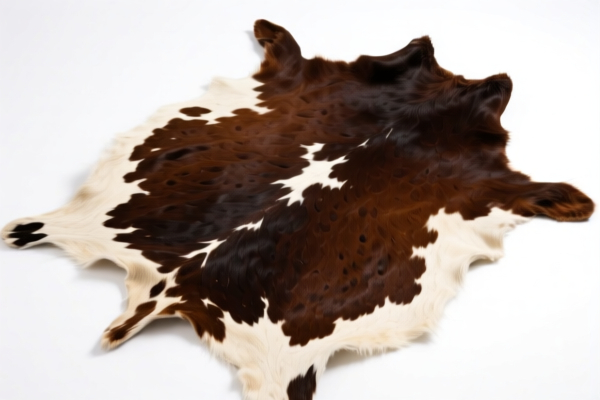
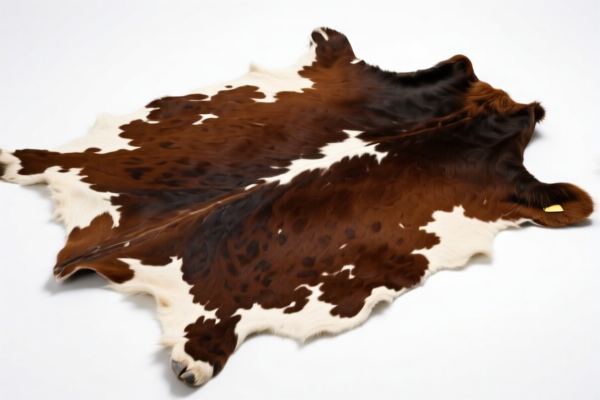
Untreated Cowhide (Dehaired), also known as "Green Hides" or "Raw Skins," represents the primary raw material for the leather industry. These are skins obtained from cattle that have undergone the initial removal of hair (dehairing) but have not been preserved through salting, chilling, or chemical tanning. They are perishable biological materials requiring strict logistics control.
In international trade, they are primarily classified under Chapter 41 (Raw Hides and Skins). The specific HS Code depends on the sub-type of bovine animal (Buffalo vs. Other Bovines) and the precise state of preparation.
⚠️ Critical Distinction:
- If the hide is dehaired but untreated (no salt, no chrome), it falls under Chapter 41.
- If it is tanned (e.g., Chrome Tanned), it falls under Chapter 41/42 with different codes.
- Note: The provided data links "Cowhide" descriptions to both Buffalo and Horse HS codes. Strictly follow the data provided for tax calculation, but be aware of biological accuracy.
📦 II. HS Code Classification Details (Based on Provided Data)
According to the <DATA> provided, the following HS Codes are associated with Untreated (Dehaired) Bovine/Horse Skins. Please note that the data explicitly maps "Cowhide" descriptions to specific codes.
| HS Code | Product Description (from Data) | Key Characteristics |
|---|---|---|
4101.20.35.00 |
Water Buffalo Raw Hide (Untreated, Dehaired) | Specifically for Buffalo species. |
4101.90.35.00 |
Bovine Raw Hide (Untreated, Dehaired) | General Bovine (Cow/Ox) category. |
4101.50.10.91 |
Horse Raw Hide (Untreated, Dehaired) | Specifically for Horse species. |
4101.90.10.40 |
Horse Raw Hide (Untreated, Dehaired) | Alternative Horse classification. |
🔍 Important Note on Data Mapping:
The<DATA>input contains a discrepancy: Items labeled as "Cowhide" are mapped to Buffalo (4101.20) and General Bovine (4101.90) codes, while Horse hides (4101.50/4101.90variant) are listed separately. For standard Cowhide, you must determine if it is classified as Buffalo or Other Bovine.
💰 III. 2024/2025 Latest Tariff Rate Breakdown
✅ Context: These rates reflect significant trade adjustments (likely US-China trade context based on "Section 122" and "301" style breakdowns).
✅ Scope: Imports of Raw Hides from China (implied by tax structure).
🎯 1. 4101.20.35.00 & 4101.90.35.00
(Water Buffalo & General Bovine Raw Hides)
| Item | Content |
|---|---|
| Product | Untreated Cowhide/Buffalo Hide (Dehaired) |
| Base Tariff | 2.4% (Most Favored Nation rate) |
| Section 301 Surcharge | 7.5% (Trade war related surcharge) |
| Section 122 Tariff | 10.0% (Additional national security/defense supply tariff) |
| Total Effective Tax Rate | 19.9% |
| Calculation Base | CIF Value (Cost, Insurance, Freight) |
| De Minimis Exemption | ❌ Not Eligible (Raw hides are high-value industrial inputs; low-value shipments are not exempt from these specific surcharges) |
📌 Explanation:
- The 2.4% is the standard WTO MFN rate for raw hides.
- The 7.5% is a legacy Section 301 tariff applicable to many Chinese animal products.
- The 10% Section 122 tariff is a critical add-on for certain raw materials deemed vital for national defense or industrial supply chains.
- Total: 19.9% is a substantial cost for raw agricultural/animal products.
🎯 2. 4101.50.10.91 & 4101.90.10.40
(Horse Raw Hides)
| Item | Content |
|---|---|
| Product | Untreated Horse Hide (Dehaired) |
| Base Tariff | 0.0% (MFN rate is often 0% for horse hides) |
| Section 301 Surcharge | 7.5% |
| Section 122 Tariff | 10.0% |
| Total Effective Tax Rate | 17.5% |
| Calculation Base | CIF Value |
| De Minimis Exemption | ❌ Not Eligible |
📌 Explanation:
- While the base rate is 0%, the 17.5% total still applies due to surcharges.
- This is slightly cheaper than Bovine/Buffalo hides (19.9%).
🛠️ IV. Customs Clearance Practical Advice
✅ 1. Essential Documentation Checklist
| Document | Required? | Purpose |
|---|---|---|
| Commercial Invoice | ✔️ | Must specify "Untreated," "Dehaired," and species (Cow/Buffalo/Horse). |
| Packing List | ✔️ | Detail weight (Gross/Net) and number of hides. |
| Certificate of Origin | ✔️ | Crucial for proving origin to apply/surcharge correctly. |
| Veterinary Health Certificate | ✔️ | Mandatory. Proves hides are free from BSE (Mad Cow Disease), Anthrax, etc. |
| Bill of Lading/Air Waybill | ✔️ | Proof of shipment. |
| Species Declaration | ✔️ | Explicitly state if Buffalo, Cow, or Horse to avoid misclassification fines. |
✅ 2. Classification & Declaration Tips
🔥 Golden Rule: "Species Precision Saves Taxes!"
| Scenario | Correct Declaration | Risk of Error |
|---|---|---|
| Cowhide | Check if it is Buffalo or Other Bovine. Use 4101.20.35.00 or 4101.90.35.00. |
Misclassifying Buffalo as "Other Bovine" may lead to audit. |
| Horsehide | Use 4101.50.10.91 or 4101.90.10.40. |
Lower base tax (0%) makes correct classification vital for savings. |
| Preserved Hides (Salted/Tanned) | DO NOT use the codes above. They are for Untreated/Dehaired only. | Salted hides have different codes (e.g., 4101.21). Using wrong code = Penalties + Back Taxes. |
| Mixed Shipments | Declare each species separately. | Mixing species in one line item can cause rejection. |
✅ 3. Special Handling for Raw Hides
| Issue | Solution |
|---|---|
| Spoilage Risk | Raw hides rot quickly. Ensure fast transit (Air Freight preferred) or proper chilling/salting if sea freight is used (note: salting changes the HS code). |
| Weight Discrepancy | Raw hides lose significant water weight. Declare Gross Weight accurately to avoid customs valuation disputes. |
| Pest Control | Ensure hides are free of insects/larvae. Provide fumigation certificate if required by destination country. |
🌍 V. Global Market Comparison (2024/2025)
| Country/Region | Recommended HS Code (Example) | Base Tariff | Total Tax (incl. US Surcharges) | Remarks |
|---|---|---|---|---|
| 🇺🇸 USA | 4101.20.35.00 / 4101.90.35.00 |
2.4% | 19.9% | High due to Sec 301 + Sec 122. |
| 🇺🇸 USA (Horse) | 4101.50.10.91 |
0.0% | 17.5% | Slightly lower total tax. |
| 🇪🇺 EU | 4101.20 / 4101.90 | 0% - 5% | 0% - 5% | No Section 301/122 equivalents. |
| 🇨🇳 China | 4101.20 / 4101.90 | 0% - 2.4% | 0% - 2.4% | Import duty low. |
📌 Conclusion:
- USA is the most expensive market for raw hides due to Section 122 and Section 301 tariffs.
- EU and China offer significantly lower duty burdens.
- Horse hides offer a slight cost advantage over Cow/Buffalo hides in the US market (17.5% vs 19.9%).
📌 VI. Common Mistakes & Pitfalls (Lessons Learned)
❌ Mistake 1: Declaring "Leather" instead of "Raw Hide"
👉 Consequence: Wrong HS Code, potential duty underpayment, seizure & fines.
❌ Mistake 2: Ignoring the Species (Cow vs. Buffalo)
👉 Consequence: Customs may reclassify and impose additional duties or audits.
❌ Mistake 3: Failing to disclose "Dehaired" status
👉 Consequence: If undehaired, different codes apply. Misrepresentation leads to penalties.
❌ Mistake 4: Not providing Veterinary Health Certificates
👉 Consequence: Hold at port until tests are done, or destruction/return of goods due to health risks.
✅ Correct Practice:
"Untreated Bovine Hide, Dehaired, Species: Buffalo, Quantity: 500 pcs, Net Weight: 2000kg, No Chemical Treatment"
🎯 VII. Conclusion: Precision in Classification, Profit in Clearance
🎯 Key Takeaway:
🔹 19.9% is the realistic cost for Cow/Buffalo hides entering the US.
🔹 17.5% for Horse hides.
🔹 Always verify Species (Buffalo vs. Cow vs. Horse) as it impacts the HS Code and Base Rate.
📌 Pro Tip:
If you are exporting Horsehide, consider the 17.5% rate as a potential advantage over Cowhide. For Cowhide, ensure your Veterinary Certificates are impeccable to avoid logistical delays that spoil perishable raw materials.
📣 Immediate Action:
📞 Contact your freight forwarder to confirm chilling vs. salting methods.
📄 Ensure your Invoice explicitly states: "Untreated, Dehaired, [Species]".
🚀 Clear customs faster by being precise!
✨ Professional Clearance Starts with Accurate Data!
💼 Every Percent of Tariff Saved is Pure Profit!
Customer Reviews
About HS Code Classification
The Harmonized System (HS) is an internationally standardized nomenclature developed by the World Customs Organization (WCO) to classify traded products. Over 200 countries use the HS system as the basis for customs tariffs, trade statistics, and import/export regulations.
Each HS code follows a hierarchical structure:
- Chapter (2 digits) — Broad category of goods (e.g., Chapter 84: Machinery and Mechanical Appliances)
- Heading (4 digits) — More specific grouping within the chapter
- Subheading (6 digits) — Internationally standardized breakdown, used by all WCO member countries
- National subdivisions (8-10 digits) — Country-specific extensions for further classification, such as US HTSUS 10-digit codes
Correct HS code classification is essential for smooth customs clearance, accurate duty payment, and compliance with trade regulations. Misclassification can lead to customs delays, overpayment of duties, or penalties.
When importing from CN to US, the applicable tariff rates may include:
- Most-Favored-Nation (MFN) rate — The standard duty rate applied to WTO members
- General rate — Applied to countries without trade agreements
- Trade remedy duties — Additional tariffs such as Section 301 (anti-dumping), Section 232 (national security), or countervailing duties
The information provided on this page is for reference purposes only. For official classification, please consult with your local customs authority or a licensed customs broker.