Untreated Pine Wood Posts
CN → US| HS Code | Tariff Rate | Origin | Destination | Doc |
|---|---|---|---|---|
| 4403220120 | 35.0% | CN | US | Official Doc |
| 4403210130 | 35.0% | CN | US | Official Doc |
| 4403260116 | 35.0% | CN | US | Official Doc |
| 4401110000 | 35.0% | CN | US | Official Doc |
| 4401210000 | 35.0% | CN | US | Official Doc |
Product Images
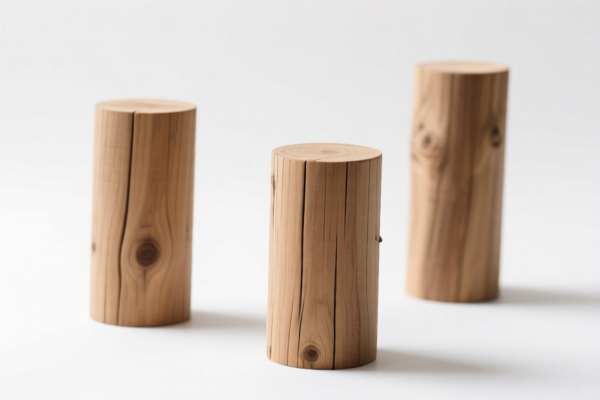
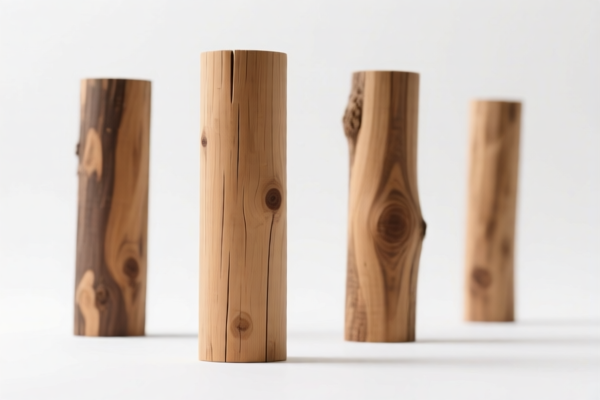
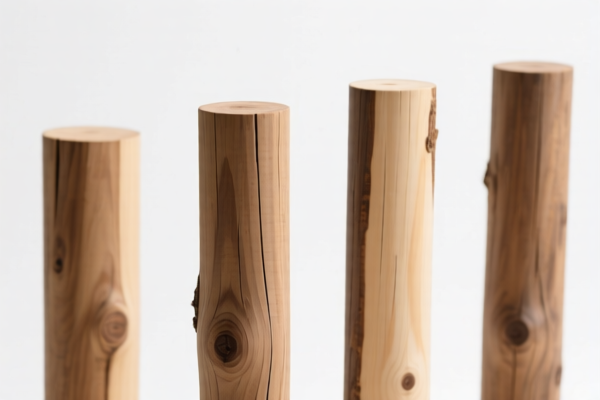
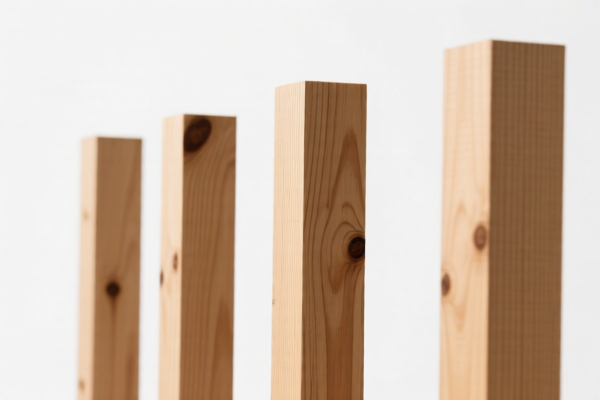
AI Analysis
🌲 Untreated Pine Wood Posts
🌐 HS Code Reference & Customs Clearance Guide | 2026 Latest Tariff Analysis | Professional Clearance Strategy
📌 I. Product Definition & Classification: What Exactly Are "Pine Wood Posts"?
Untreated Pine Wood Posts (often referred to as "poles," "stems," or "roundwood") refer to pine logs or timber that have been cut to specific lengths but have not undergone any preservation treatment (such as pressure impregnation with creosote or chemicals). They are typically used for fencing, landscaping, pilings, or construction supports.
⚠️ Critical Distinction:
- "Untreated" vs. "Treated": If chemically preserved, it falls under Chapter 44 Section X (treated wood). Since these are untreated, they fall strictly under Chapter 44 Section I (Wood and Articles of Wood).
- "Posts/Stems" vs. "Logs": If cut into specific lengths (e.g., <20cm or >20cm) but not sawn into planks, they are classified as "wood in the rough" or "poles/stems."
- "Pine" vs. "Other Conifers": Pine is a specific type of softwood (conifer). If the species is not specifically identified as Pine, it may fall under "Other Coniferous Wood."
📦 II. HS Code Classification Matrix (2026 Latest Tariff Authority)
Based on the provided data, here are the precise HS Codes for Untreated Pine Wood Posts, categorized by their specific physical form and intended use.
| HS Code | Product Description & Summary | Key Classification Criteria |
|---|---|---|
| 4403.22.01.20 | Untreated Pine Log, Pine Material Material: Pine; Form: Log; Meets "rough" definition. |
Best for raw pine logs that are not yet processed into standard "posts." Fits the definition of unworked timber. |
| 4403.21.01.30 | Untreated Pine Log, Unprocessed Material: Pine; Form: Unprocessed log; No material conflict. |
Applies to standard pine logs in their rawest form, likely before specific cutting into post-lengths. |
| 4403.26.01.16 | Untreated Coniferous Stem/Post Material: Coniferous wood (includes Pine); Form: Stem/Post; Meets classification requirements. |
Most Accurate for "Posts". Specifically targets wood cut into poles, stems, or posts from coniferous trees (Pine is a conifer). |
| 4401.11.00.00 | Fuelwood / Raw Coniferous Wood Material: Coniferous; Form: Fuelwood/Biomass; Meets primary form characteristics. |
Risk Zone: If the "posts" are small, low-quality, or destined for biomass/fuel, this code applies. Do not use for construction fencing. |
| 4401.21.00.00 | Briquettes, Pellets, or Similar Solid Biofuels Material: Coniferous; Extension of fuel wood/shavings. |
Incorrect for structural posts. Only applies if the wood is processed into pellets, briquettes, or sawdust for fuel. |
🔍 Priority Recommendation:
For standard construction/fencing posts made of pine,4403.26.01.16(Unprocessed Coniferous Wood/Stems) is the most technically accurate description for "posts."
For raw logs before cutting, use4403.22.01.20or4403.21.01.30.
💰 III. 2026 Tariff Rate Breakdown (With Surcharges & Policy Add-ons)
✅ Applicable Country: United States (US)
✅ Origin: China (CN)
✅ Effective Date: November 10, 2025 (and subsequent imports)
🎯 1. All Classified HS Codes Above (4403.x & 4401.x)
| Item | Content |
|---|---|
| Base Tariff | 0.0% (Ad Valorem, MFN Rate) |
| Section 301 Surcharge | +25.0% (From USITC Footnote 9903.88.01) |
| IEEPA Surcharge | +10.0% (Targeting China/HK products, effective Nov 2025) |
| Total Tariff Rate | 35.0% |
| Tax Calculation | CIF Value × 35% |
| De Minimis Exemption | ❌ NOT ELIGIBLE (Deny De Minimis for Section 301/IEEPA goods) |
| Legal Basis Path | IEEPA:9903.01.25 → IEEPA:9903.01.24 → USITC:4403.x/4401.x → FOOTNOTE:9903.88.01 |
📌 Explanation:
- "Base Tariff 0%": Wood products generally have low base MFN rates.
- "Section 301 (+25%)": This is the standard retaliatory tariff on Chinese imports.
- "IEEPA (+10%)": This is the new additional levy effective from late 2025/2026 for specific sectors, including timber and wood products.
- Total 35% is HIGH for low-value wood products. Margin compression is significant.
🛠️ IV. Customs Clearance Operational Advice (Practical Pitfall Guide)
✅ 1. Documentation Checklist (Non-Negotiable)
| Document | Required? | Explanation |
|---|---|---|
| ✅ Commercial Invoice | ✔️ | Must explicitly state "Untreated Pine Wood" and HS Code. Avoid vague terms like "Wooden Items." |
| ✅ Packing List | ✔️ | Specify dimensions (length/diameter) to distinguish between "Logs" (4403.21/22) and "Posts/Stems" (4403.26). |
| ✅ Phytosanitary Certificate | ✔️ | CRITICAL. Wood from China requires ISPM 15 compliance (fumigation/stamping) to prevent pest introduction. |
| ✅ Declaration of Non-Treatment | ✔️ | Explicitly state "No Chemical Treatment" to avoid classification under treated wood codes (which may have different penalties). |
| ✅ Species Identification | ✔️ | Proof of Pine (Pinus) species if claiming 4403.22 vs. generic conifer 4403.26. |
✅ 2. Declaration Tips (Key Mantras)
🔥 “Untreated = Chapter 44, Post = 4403.26, Fuel = 4401. Don’t Mix!”
| Scenario | Correct HS Code | Wrong HS Code | Consequence |
|---|---|---|---|
| Standard Fencing Posts | 4403.26.01.16 |
4401.11.00.00 |
Misclassification: If deemed "Fuel," value may be disputed, or if deemed "Post" but declared wrong, 35% applies regardless. |
| Raw Pine Logs | 4403.22.01.20 |
4403.21.01.30 |
Minor risk: Both have 35% tax. But 4403.22 is more specific for Pine. |
| Pine Stems for Fencing | 4403.26.01.16 |
4401.21.00.00 |
Danger: 4401.21 is for pellets/briquettes. Declaring structural posts as fuel is fraud. |
✅ 3. Special Handling
| Situation | Advice |
|---|---|
| ISPM 15 Marking | Ensure all wooden pallets/crates ALSO have the IPPC stamp. If the product itself is not treated, it doesn’t need treatment, but packaging MUST be compliant. |
| Species Mix | If the shipment contains mixed softwoods (e.g., Spruce + Pine), declare as "Coniferous Wood" (4403.26) rather than specifically Pine to avoid disputes over species ratios. |
| Value Declaration | With a 35% tariff, undervaluation triggers intense scrutiny. Declare accurate CIF value. |
🌍 V. Global Market Comparison (2026)
| Country/Region | Recommended HS Code | Tariff Rate (China Origin) | Certification | Notes |
|---|---|---|---|---|
| 🇺🇸 USA | 4403.26.01.16 |
35% (0% Base + 25% Sec301 + 10% IEEPA) | Phytosanitary + ISPM 15 | Highest Cost. Plan margins accordingly. |
| 🇨🇳 China | 4403.26.01.16 |
0% (Import Duty) + VAT 9% | None (Domestic trade) | Low tax environment. |
| 🇪🇺 EU | 4403.26.01.16 |
0% - 4% | FLEGT / EUTR Compliance | No Section 301. Much Lower Cost. |
| 🇬🇧 UK | 4403.26.01.16 |
0% - 4% | UK Timber Regulation | Post-Brexit rules apply. |
| 🇦🇺 Australia | 4403.26.01.16 |
5% | Biosecurity Import Permit | Strict quarantine. |
📌 Conclusion:
The USA is the most expensive market for untreated pine wood due to the additional 10% IEEPA tariff on top of the existing 25%.
Strategic Advice: If targeting the US, ensure phytosanitary compliance is flawless to avoid quarantine delays, which compound the high tariff cost. Consider sourcing from non-tariff countries (e.g., Russia, Canada, or Southeast Asia if applicable) for the US market.
📌 VI. Common Errors & Pitfall Guide (Lessons Learned)
❌ Error 1: Declaring "Pine Posts" as "Wooden Sticks" (Miscellaneous)
👉 Result: Customs may reclassify under a higher scrutiny code or reject the declaration. Use precise HS codes.
❌ Error 2: Claiming "Treated" to avoid certain wood pests, but it's actually Untreated
👉 Result: Mismatch with Phytosanitary Certificate. Severe penalty & seizure.
❌ Error 3: Ignoring the 10% IEEPA Surcharge
👉 Result: Profit margin collapse. Many traders only budget for the 25% Section 301. Total is 35%.
❌ Error 4: Using 4401 (Fuel) Codes for Structural Posts
👉 Result: Fraud suspicion. 4401 is for biomass/fuel. Structural wood must be 4403.
✅ Correct Declaration Example:
"Untreated Pine Wood Posts, Length: 2-4 meters, Diameter: 10-15cm, No Chemical Treatment, ISPM 15 Packaging, HS Code: 4403.26.01.16"
🎯 VII. Conclusion: Professional Declaration, Cost Control
🎯 Remember the Mantra:
🔹 "Untreated Pine = 4403, Not 4401. Posts are Stems (26), Logs are Rough (21/22)."
🔹 "35% Total Tax (0+25+10) is Real. Budget for It."
🔹 "Phytosanitary Cert is Mandatory. No Exception."
📌 Pro Tip:
If your pine posts are small-diameter and intended for landscaping mulch or chips, consider declaring as 4401.11.00.00 (Fuelwood) only if they meet the definition of "rough wood for direct combustion." However, for fencing/construction, stick to 4403.26.01.16.
📣 Immediate Action:
📞 Contact a Customs Broker 2 weeks before shipment.
📄 Prepare Phytosanitary Certificate from the Chinese Customs (GACC).
💰 Calculate Landed Cost with 35% Tax.
✨ Professional Clearance Starts with Accurate Classification!
💼 Your Profit Margin Depends on Precision!
Customer Reviews
About HS Code Classification
The Harmonized System (HS) is an internationally standardized nomenclature developed by the World Customs Organization (WCO) to classify traded products. Over 200 countries use the HS system as the basis for customs tariffs, trade statistics, and import/export regulations.
Each HS code follows a hierarchical structure:
- Chapter (2 digits) — Broad category of goods (e.g., Chapter 84: Machinery and Mechanical Appliances)
- Heading (4 digits) — More specific grouping within the chapter
- Subheading (6 digits) — Internationally standardized breakdown, used by all WCO member countries
- National subdivisions (8-10 digits) — Country-specific extensions for further classification, such as US HTSUS 10-digit codes
Correct HS code classification is essential for smooth customs clearance, accurate duty payment, and compliance with trade regulations. Misclassification can lead to customs delays, overpayment of duties, or penalties.
When importing from CN to US, the applicable tariff rates may include:
- Most-Favored-Nation (MFN) rate — The standard duty rate applied to WTO members
- General rate — Applied to countries without trade agreements
- Trade remedy duties — Additional tariffs such as Section 301 (anti-dumping), Section 232 (national security), or countervailing duties
The information provided on this page is for reference purposes only. For official classification, please consult with your local customs authority or a licensed customs broker.