Untreated Wood Shavings
CN → US| HS Code | Tariff Rate | Origin | Destination | Doc |
|---|---|---|---|---|
| 4401110000 | 35.0% | CN | US | Official Doc |
| 4401210000 | 35.0% | CN | US | Official Doc |
| 4403260116 | 35.0% | CN | US | Official Doc |
| 4404100080 | 35.0% | CN | US | Official Doc |
| 4404100090 | 35.0% | CN | US | Official Doc |
Product Images
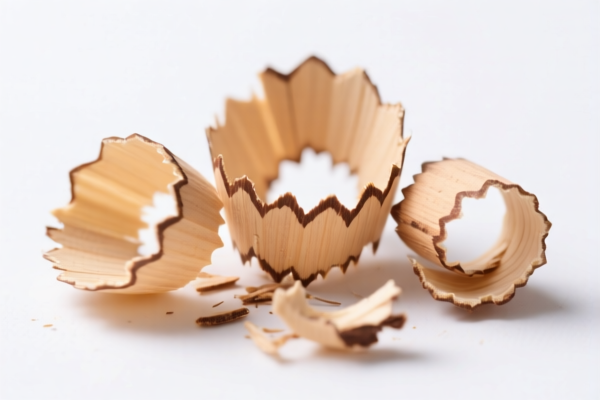
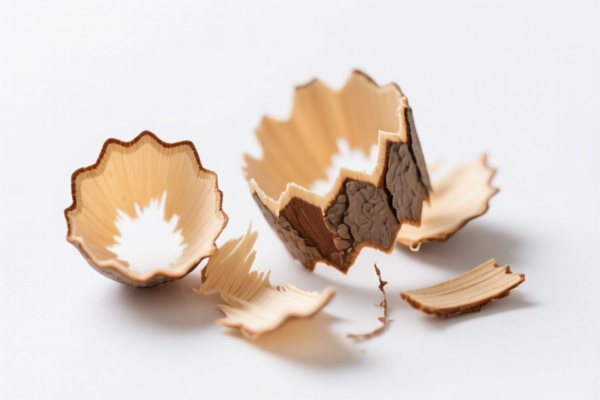
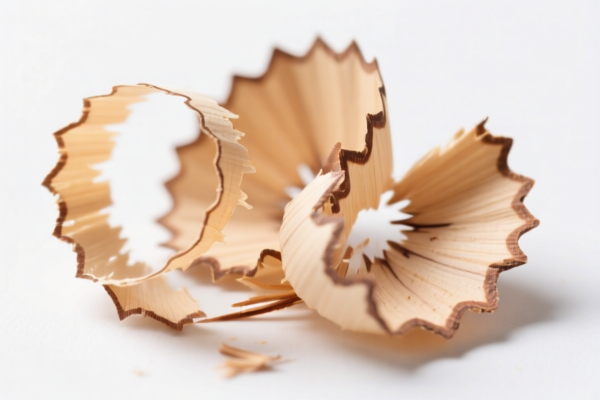
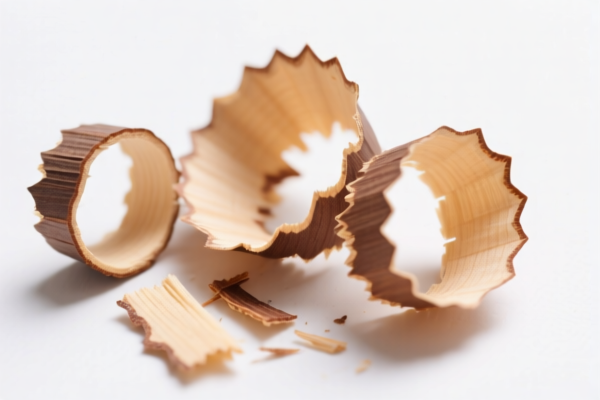
AI Analysis
🌲 Untreated Wood Shavings & Biomass Fuel Logs
🌐 HS Code Reference & Clearance Guide | 2024/2025 Latest Tariff Analysis | Professional Customs Strategy
📌 I. Product Definition & Classification: Do You Really Understand "Wood Shavings"?
Untreated wood shavings, in the context of international trade, primarily fall into two categories depending on their final use and physical form:
1. Fuel Logs/Biomass Wood (Pole/Log Shape): Wood shaped for combustion, often referred to as "fuel wood" or "wood poles" for energy.
2. Shavings/Chips: Fine particles or small fragments used for animal bedding, mulch, or industrial processing.
In the provided data set, the focus is on Unprocessed Coniferous Wood (Pinaceae) that matches either fuel wood forms or shavings/chips. The key determinant for classification is the material origin (Coniferous) and the physical state (Unprocessed).
⚠️ Critical Distinction:
- If the wood is shaped into logs/poles for fuel →归类 to 4401 or 4403.
- If the wood is processed into shavings/chips for bedding/mulch →归类 to 4401 or 4404.
- All items in the data are Coniferous (Pinaceae) and Unprocessed.
📦 II. HS Code Classification Details (Based on Provided Data)
| HS Code | Product Description | Application Scenario | Key Characteristics |
|---|---|---|---|
4401.11.00.00 |
Wood in the form of fuel wood, in logs, in rounds, in billets, in boughs or branches, not crushed or otherwise mechanically worked; wood chips and wood waste; Unprocessed Coniferous Wood Poles | Fuel wood logs, biomass pellets raw material | ✅ Coniferous, Unprocessed, Fuel Form |
4401.21.00.00 |
Wood in the form of fuel wood, in logs, in rounds, in billets, in boughs or branches, not crushed or otherwise mechanically worked; Unprocessed Coniferous Wood for Shavings/Chips | Wood shavings, wood waste for bedding or mulch | ✅ Coniferous, Unprocessed, Shaving/Chip Form |
4403.26.01.16 |
Wood freshly felled or semi-milled, whether or not stripped of bark or sapwood, or roughly squared; Unprocessed Coniferous Wood Poles | Rough-squared logs, poles for construction or fuel | ✅ Coniferous, Unprocessed, Pole Form |
4404.10.00.80 |
Charcoal wood; Unprocessed Coniferous Wood matching material and pole shape requirements | Shavings, chips, or small wood pieces matching specific pole/shaving criteria | ✅ Coniferous, Unprocessed, Specific Shape Match |
4404.10.00.90 |
Other coniferous wood, continuously shaped along the entire length with any cross-sectioning, whether or not planed, sanded or end-jointed; Unprocessed Coniferous Wood Other Category | Miscellaneous coniferous wood products, shavings, or non-standard forms | ✅ Coniferous, Unprocessed, Other Category |
🔍 Key Reminder:
- All listed HS codes apply to Coniferous Wood (针叶木) that is Unprocessed (未处理).
- The distinction lies in the form: Fuel logs (4401/4403) vs. Shavings/Chips/Other (4401/4404).
- All items share the same tax rate structure as per the provided data.
💰 III. 2024/2025 Latest Tariff Rate Breakdown (Including Surtaxes & Policy Add-ons)
✅ Applicable Country: United States (US)
✅ Origin: China (CN)
✅ Effective Time: Current regulations (2024-2025)
🎯 1. All HS Codes (4401.11.00.00, 4401.21.00.00, 4403.26.01.16, 4404.10.00.80, 4404.10.00.90)
| Item | Content |
|---|---|
| Base Tariff | 0.0% (Ad Valorem) |
| Section 301 Surtax | +25.0% (Additional Tariff) |
| Section 122 Tariff | +10.0% (Specific Policy Add-on) |
| Total Tariff Rate | 35.0% |
| Tax Calculation | CIF Value × 35% |
| De Minimis Eligibility | ❌ Not Applicable (High risk of scrutiny for wood products) |
| Legal Basis Path | USITC:4401/4403/4404 → Section 301: Footnote 1 → Section 122: Specific Wood Policy |
📌 Explanation:
- "Base Tariff 0%": Coniferous wood products often have low or zero base MFN tariffs.
- "Section 301 25%": Standard additional tariff for Chinese-origin goods under Trade Act Section 301.
- "Section 122 10%": Specific additional tariff targeting certain Chinese wood products (often related to environmental or trade balance measures).
- Total 35%: This is a high tariff burden. Importers must factor this into their landed cost calculations.
- Warning: Wood products are subject to strict phytosanitary inspections and Fumigation certificates. Even if tariffs are paid, customs clearance may be delayed without proper documentation.
🛠️ IV. Customs Clearance Practical Advice (Real-World Pitfall Avoidance Guide)
✅ 1. Required Documentation Checklist (Non-Negotiable)
| Document | Must Provide | Notes |
|---|---|---|
| ✅ Phytosanitary Certificate | ✔️ | Issued by the exporting country’s plant protection agency. Mandatory for all wood products. |
| ✅ Fumigation Certificate | ✔️ | Proof of treatment against pests (e.g., methyl bromide or heat treatment). ISPM 15 compliant. |
| ✅ Commercial Invoice | ✔️ | Must clearly state "Untreated Coniferous Wood" and specify HS code. |
| ✅ Packing List | ✔️ | Detail weight, volume, and number of packages. |
| ✅ Bill of Lading/Air Waybill | ✔️ | Standard shipping document. |
| ✅ Certificate of Origin | ✔️ | To confirm Chinese origin (triggers 35% tariff). |
| ✅ Product Description | ✔️ | Be specific: e.g., "Coniferous wood shavings for bedding" or "Coniferous fuel logs." |
📌 Critical Note:
- "Untreated" in the HS description means "not processed for industrial use," NOT "untreated for pests."
- Wood MUST be treated for pests (fumigated/heated) to clear customs. If you ship "untreated" wood without phytosanitary treatment, it will be quarantined or destroyed.
✅ 2. Declaration Tips (Key Mantras)
🔥 "Fumigate First, Declare Accurate, HS Code Specific, Avoid Penalties!"
| Scenario | Correct Declaration | Wrong Practice |
|---|---|---|
| Wood Shavings for Bedding | 4401.21.00.00 or 4404.10.00.80 |
Misdeclare as "wood chips" → Risk of higher tax or rejection |
| Fuel Logs/Poles | 4401.11.00.00 or 4403.26.01.16 |
Misdeclare as "hardwood" → Wrong HS code, penalty |
| Mixed Wood Types | Separate by type (Coniferous vs. Non-Coniferous) | Mixed declaration → Customs rejection, re-inspection |
| Wood with Bark | Declare as "roughly squared" or "logs" | Declare as "processed wood" → Incorrect classification |
✅ 3. Special Cases Handling
| Scenario | Handling Advice |
|---|---|
| Wood Pallets/Crates | Must be ISPM 15 compliant (heat-treated or fumigated). No additional tariff for the pallet itself, but must be declared separately. |
| Wood for Animal Bedding | Ensure no soil or organic matter contamination. Phytosanitary certificate is critical. |
| Wood for Biomass Fuel | Confirm moisture content. High moisture may affect classification or trigger additional environmental taxes. |
| Re-exported Wood | If re-exported from a third country, provide proof of non-origin to avoid US tariffs (if applicable). |
🌍 V. Global Market Customs Comparison (2024/2025)
| Country/Region | Recommended HS Code | Tariff Rate | Certification Requirements | Notes |
|---|---|---|---|---|
| 🇺🇸 USA | 4401.21.00.00 / 4404.10.00.80 |
35% (0% + 25% + 10%) | Phytosanitary + Fumigation (ISPM 15) | High tariffs, strict phytosanitary rules |
| 🇨🇳 China | 4401.21.00.00 / 4404.10.00.80 |
0-5% (varies) | Phytosanitary Certificate | Import of wood may be restricted depending on pest status |
| 🇪🇺 EU | 4401.21.00.00 / 4404.10.00.80 |
0-6.5% (varies) | Phytosanitary + IPPC Mark | Strict EU Timber Regulation (EUTR) compliance |
| 🇯🇵 Japan | 4401.21.00.00 / 4404.10.00.80 |
0-5% | Phytosanitary + Fumigation | Check for specific pest restrictions (e.g., pine wood nematode) |
| 🇦🇺 Australia | 4401.21.00.00 / 4404.10.00.80 |
0-5% | Phytosanitary + Biosecurity Permit | Extremely strict biosecurity. Pre-arrival approval required. |
📌 Conclusion:
- USA imposes the highest combined tariff (35%) on Chinese coniferous wood products.
- Phytosanitary compliance is universal – no country accepts untreated wood without pest control documentation.
- Australia and EU have the strictest biosecurity inspections, leading to potential delays.
📌 VI. Common Mistakes & Pitfall Guide (Lessons Learned)
❌ Mistake 1: Shipping "untreated" wood without fumigation
👉 Consequence: Shipments quarantined, fumigated at importer’s cost, or destroyed. Not tax-related, but critical for clearance.
❌ Mistake 2: Misdeclaring coniferous wood as "non-coniferous"
👉 Consequence: Incorrect HS code, potential penalty, and tariff underpayment.
❌ Mistake 3: Ignoring Section 122 Tariff
👉 Consequence: Underestimating landed cost. The 10% add-on is specific to certain wood products from China.
❌ Mistake 4: Combining wood shavings with soil or organic debris
👉 Consequence: Phytosanitary violation, shipment rejection.
✅ Correct Approach:
"Coniferous Wood Shavings, Untreated (for industrial/shaving purposes), Fumigated per ISPM 15, HS Code 4401.21.00.00, Origin: China"
🎯 VII. Conclusion: Professional Declaration, Cost Control, Efficient Clearance
🎯 Remember the Mantra:
🔹 "Fumigate, Declare, Specify HS, Pay 35%, Avoid Delays!"
🔹 "Phytosanitary Certificate is Your Ticket In; 35% Tariff is Your Cost Out!"
📌 Pro Tip:
- If your wood product is re-packaged or further processed in a third country (e.g., Vietnam, Mexico), ensure proper substantial transformation to change origin and avoid US tariffs.
- Apply for Pre-Ruling if unsure about the specific form (shavings vs. chips vs. logs) to avoid classification disputes.
📣 Immediate Action:
📞 Contact a licensed customs broker + Provide Fumigation Certificate + Verify HS Code Pre-Ruling
🚀 Ensure your wood products clear customs smoothly, comply with biosecurity laws, and manage tariff costs!
✨ Professional clearance starts with precise classification!
💼 Every percentage point of tariff matters; every document ensures smooth passage!
Customer Reviews
About HS Code Classification
The Harmonized System (HS) is an internationally standardized nomenclature developed by the World Customs Organization (WCO) to classify traded products. Over 200 countries use the HS system as the basis for customs tariffs, trade statistics, and import/export regulations.
Each HS code follows a hierarchical structure:
- Chapter (2 digits) — Broad category of goods (e.g., Chapter 84: Machinery and Mechanical Appliances)
- Heading (4 digits) — More specific grouping within the chapter
- Subheading (6 digits) — Internationally standardized breakdown, used by all WCO member countries
- National subdivisions (8-10 digits) — Country-specific extensions for further classification, such as US HTSUS 10-digit codes
Correct HS code classification is essential for smooth customs clearance, accurate duty payment, and compliance with trade regulations. Misclassification can lead to customs delays, overpayment of duties, or penalties.
When importing from CN to US, the applicable tariff rates may include:
- Most-Favored-Nation (MFN) rate — The standard duty rate applied to WTO members
- General rate — Applied to countries without trade agreements
- Trade remedy duties — Additional tariffs such as Section 301 (anti-dumping), Section 232 (national security), or countervailing duties
The information provided on this page is for reference purposes only. For official classification, please consult with your local customs authority or a licensed customs broker.