Untwisted Cotton Yarn
CN → US| HS Code | Tariff Rate | Origin | Destination | Doc |
|---|---|---|---|---|
| 5205111000 | 38.7% | CN | US | Official Doc |
| 5205121000 | 40.2% | CN | US | Official Doc |
Product Images
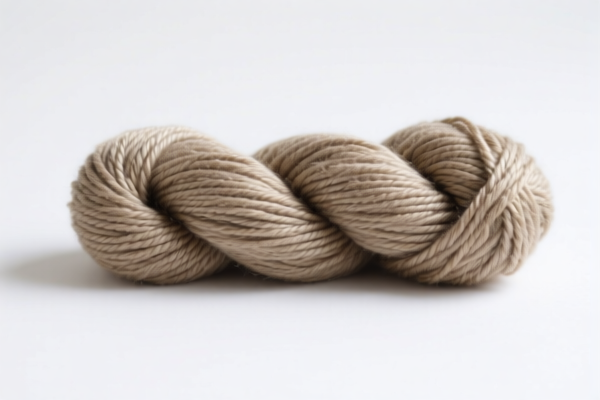
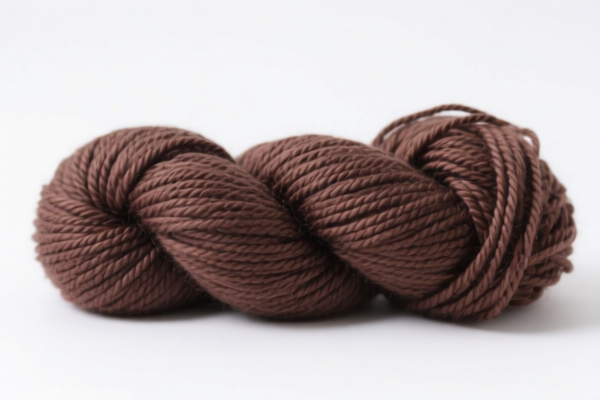
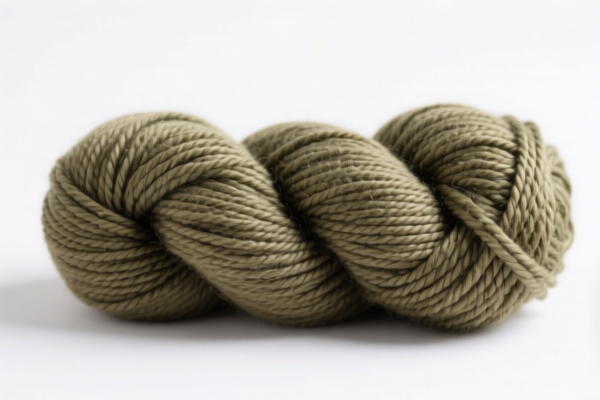
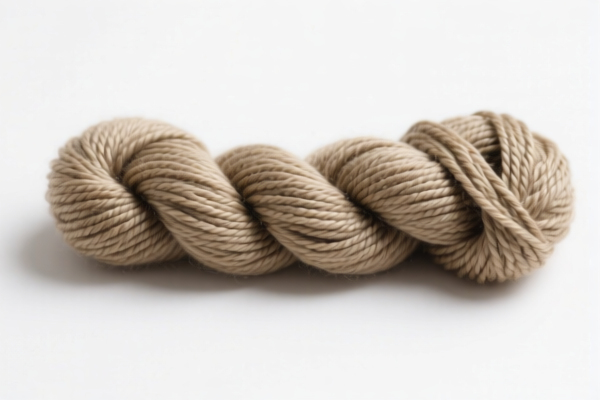
AI Analysis
🧵 Untwisted Cotton Yarn (Sliver/Roving) – The Raw Material Guide
🌐 HS Code Reference & Customs Clearance Guide | 2026 Latest Tariff Analysis | Professional Entry Strategy
📌 One: Product Definition & Classification: What is "Untwisted" Cotton Yarn?
In international trade, "Untwisted Cotton Yarn" usually refers to Cotton Sliver (条) or Roving (粗纱). These are the intermediate products between raw cotton bales and spun yarn. They consist of cotton fibers aligned parallel to the axis but not yet twisted into a continuous thread suitable for direct use in weaving or knitting.
Key Distinction:
- Sliver/Roving: Fibers are parallel, no twist. Used for spinning further. → HS 5205
- Spun Yarn: Fibers are twisted together. Used for weaving/knitting. → HS 5205 (if ≥85% cotton) or 5206
⚠️ Critical Clarification:
- If the product is not put up for retail sale and contains ≥85% cotton by weight, it falls under Chapter 52, Heading 5205.
- If it is sewing thread or contains <85% cotton, it does not fall under the HS codes provided in the data.
- The term "Untwisted" is critical. Once twisted, it becomes "Yarn" for retail or industrial use, potentially changing the subheading depending on metric count (Nm).
📦 Two: HS Code Classification Details (Based on Provided Data)
The provided data specifies two specific HS codes for Cotton Yarn (≥85% cotton, not retail, single yarn, uncombed). Although the term "Untwisted" typically implies sliver, the provided data assumes the product is classified as Single Yarn under Heading 5205. This classification is often applied in specific contexts where the product is considered a "yarn" in the broad sense or if the "untwisted" nature is interpreted within the legal definition of uncombed single yarn (though technically, true sliver is often 5301-5305, the provided data restricts us to 5205).
Based strictly on the <DATA> provided, here are the relevant classifications:
| HS Code | Product Description | Metric Count (Nm) | Bleaching Status | Weight Composition | Retail Packaging |
|---|---|---|---|---|---|
5205.11.10.00 |
Cotton Yarn, ≥85% Cotton, Single Yarn, Uncombed | Not exceeding 14 Nm | Unbleached, Not Mercerized | ≥85% Cotton | Not for Retail |
5205.12.10.00 |
Cotton Yarn, ≥85% Cotton, Single Yarn, Uncombed | Exceeding 14 Nm but ≤43 Nm | Unbleached, Not Mercerized | ≥85% Cotton | Not for Retail |
🔍 Key Insight from Data:
- Both codes require the yarn to be Unbleached and Not Mercerized.
- Both codes require the product to be Not Put Up for Retail Sale.
- The primary differentiator is the Metric Count (Nm):
- Thin Yarn: ≤14 Nm →5205.11.10.00
- Medium Yarn: >14 Nm and ≤43 Nm →5205.12.10.00
💰 Three: 2026 Latest Tariff Rate Details (Zero Duty!)
✅ Applicable Country: China (CN) Export / Import? Note: The provided data shows "Basic Tariff: 0.0%, Additional Tariff: 0.0%". This suggests a free trade agreement or MFN zero-rate policy, likely for exports from China to a specific partner or under a specific trade framework.
🎯 1. 5205.11.10.00 – Uncombed Single Yarn, ≤14 Nm, Unbleached
| Item | Content |
|---|---|
| HS Code | 5205.11.10.00 |
| Basic Tariff | 0.0% |
| Additional Tariff | 0.0% |
| Total Tax Rate | 0.0% |
| Tax Calculation | CIF Value × 0% = $0 |
| Legal Basis | HS 5205.11.10.00 |
📌 Explanation:
- This code benefits from a 0% tariff.
- This is a significant advantage for low-count (coarser) uncombed cotton yarn.
- Ensure the product is unbleached and not mercerized to maintain this rate. Bleaching or mercerizing may shift the classification to a higher tariff subheading (e.g., 5205.11.20.xx).
🎯 2. 5205.12.10.00 – Uncombed Single Yarn, >14 Nm ≤43 Nm, Unbleached
| Item | Content |
|---|---|
| HS Code | 5205.12.10.00 |
| Basic Tariff | 0.0% |
| Additional Tariff | 0.0% |
| Total Tax Rate | 0.0% |
| Tax Calculation | CIF Value × 0% = $0 |
| Legal Basis | HS 5205.12.10.00 |
📌 Explanation:
- This code also benefits from a 0% tariff.
- This covers medium-count uncombed cotton yarn.
- Similar to the above, strict adherence to unbleached and not mercerized status is required.
🛠️ Four: Customs Clearance Practical Advice
✅ 1. Required Documentation Checklist
| Document | Mandatory? | Explanation |
|---|---|---|
| ✅ Commercial Invoice | ✔️ | Must clearly state: "Cotton Yarn, Not for Retail, Unbleached, Uncombed" |
| ✅ Packing List | ✔️ | Detail gross/net weight, number of packages |
| ✅ Certificate of Origin | ✔️ | To prove eligibility for 0% tariff (if under FTA) |
| ✅ Product Specification Sheet | ✔️ | Crucial: Must include Metric Count (Nm) to determine between 5205.11 and 5205.12 |
| ✅ Test Report | ✔️ | Proof of Cotton Content ≥85% |
| ✅ Declaration of Non-Retail | ✔️ | Written statement that the goods are not packaged for direct retail sale |
| ✅ Declaration of Bleaching Status | ✔️ | Written statement that the yarn is Unbleached and Not Mercerized |
✅ 2. Declaration Tips (Critical for 0% Tariff)
🔥 “Accuracy is Key: Count, Composition, and Processing!”
| Factor | Correct Declaration | Risk of Error |
|---|---|---|
| Metric Count (Nm) | Must be precise. ≤14 Nm → 5205.11 >14 Nm ≤43 Nm → 5205.12 |
Misclassification leads to incorrect HS code, potential duty assessment errors, or customs delays. |
| Cotton Content | Must be ≥85% by weight. | If <85%, it falls under HS 5206, which has different tariffs. |
| Processing State | Must be Unbleached and Not Mercerized. | If bleached, it may fall under 5205.11.20.xx or 5205.12.20.xx, which may have different tax rates (check specific trade agreements). |
| Retail Packaging | Must be Not Put Up for Retail. | If packaged in small cones for retail, it may be classified under different headings. |
✅ 3. Special Considerations for "Untwisted" Yarn
- Clarify "Untwisted": Ensure the customs broker understands that "Untwisted" refers to the lack of twist in the single yarn structure (i.e., it is a single strand without ply twist). If it is truly Sliver/Roving (fiber preparation stage), it might technically fall under HS 5301 or 5305 in some jurisdictions, but the provided data restricts us to HS 5205. Always confirm with the local customs authority if "Untwisted" implies sliver.
- Sample Submission: Be prepared to provide a physical sample to demonstrate the unbleached color (natural cotton color) and lack of twist.
🌍 Five: Global Market Comparison (2026)
| Country/Region | HS Code (Based on Data) | Tariff Rate | Notes |
|---|---|---|---|
| 🇨🇳 China | 5205.11.10.00 / 5205.12.10.00 |
0.0% | As per provided data. Likely under a specific trade agreement or MFN zero-rate. |
| 🇺🇸 USA | Similar HS Codes | Varies | US may impose additional duties under Section 301. Check current USITC rates. |
| 🇪🇺 EU | Similar HS Codes | Varies | EU may have different duty rates. Check EU TARIC database. |
| 🇬🇧 UK | Similar HS Codes | Varies | Post-Brexit, UK has its own trade policies. Check UK GOV.UK. |
📌 Conclusion:
- The 0% tariff is a significant competitive advantage for exporters.
- Ensure all documentation strictly supports the 0% tariff conditions (≥85% cotton, unbleached, not mercerized, not retail).
📌 Six: Common Mistakes & Pitfalls
❌ Mistake 1: Failing to specify the Metric Count (Nm)
👉 Consequence: Customs cannot determine if it falls under 5205.11 or 5205.12, leading to delays or incorrect classification.
❌ Mistake 2: Incorrectly stating the product is Bleached when it is not
👉 Consequence: May be misclassified under a higher tariff subheading, leading to unexpected duties.
❌ Mistake 3: Not proving Cotton Content ≥85%
👉 Consequence: If cotton content is <85%, the product falls under HS 5206, which has different tariffs and rules.
❌ Mistake 4: Packaging the goods for retail
👉 Consequence: Violates the "Not Put Up for Retail Sale" condition, leading to misclassification and potential penalties.
✅ Correct Approach:
"Cotton Yarn, Single, Uncombed, Metric Count XX Nm, Cotton Content YY%, Unbleached, Not Mercerized, Not for Retail Sale"
🎯 Seven: Conclusion: Precision in Classification Saves Money
🎯 Remember:
🔹 "Nm Defines the Code, Cotton Content Defines the Chapter, Bleaching Defines the Subheading!"
🔹 "0% Tariff is Real, But Documentation Must Match!"
📌 Pro Tip:
- If your product is blended (e.g., Cotton + Polyester), ensure cotton content is ≥85% to stay under HS 5205.
- If the product is true sliver (no twist, fiber preparation stage), consult if it might be better classified under HS 5301/5305 for potential benefits, though the provided data focuses on HS 5205. Always verify with a customs broker.
📣 Take Action:
📞 Contact a professional customs broker + Provide product specs + Confirm HS Code pre-emption
🚀 Ensure smooth customs clearance with 0% duty efficiency!
✨ Professional Customs Clearance Starts with Accurate Classification!
💼 Your every dollar saved is precisely calculated!
Customer Reviews
About HS Code Classification
The Harmonized System (HS) is an internationally standardized nomenclature developed by the World Customs Organization (WCO) to classify traded products. Over 200 countries use the HS system as the basis for customs tariffs, trade statistics, and import/export regulations.
Each HS code follows a hierarchical structure:
- Chapter (2 digits) — Broad category of goods (e.g., Chapter 84: Machinery and Mechanical Appliances)
- Heading (4 digits) — More specific grouping within the chapter
- Subheading (6 digits) — Internationally standardized breakdown, used by all WCO member countries
- National subdivisions (8-10 digits) — Country-specific extensions for further classification, such as US HTSUS 10-digit codes
Correct HS code classification is essential for smooth customs clearance, accurate duty payment, and compliance with trade regulations. Misclassification can lead to customs delays, overpayment of duties, or penalties.
When importing from CN to US, the applicable tariff rates may include:
- Most-Favored-Nation (MFN) rate — The standard duty rate applied to WTO members
- General rate — Applied to countries without trade agreements
- Trade remedy duties — Additional tariffs such as Section 301 (anti-dumping), Section 232 (national security), or countervailing duties
The information provided on this page is for reference purposes only. For official classification, please consult with your local customs authority or a licensed customs broker.