Unwashed Pickled Sheepskin for Leather Processing
CN → US| HS Code | Tariff Rate | Origin | Destination | Doc |
|---|---|---|---|---|
| 4103901190 | 17.5% | CN | US | Official Doc |
| 4102291090 | 17.5% | CN | US | Official Doc |
| 4103901130 | 17.5% | CN | US | Official Doc |
| 4102101000 | 17.5% | CN | US | Official Doc |
| 4103901200 | 17.5% | CN | US | Official Doc |
Product Images
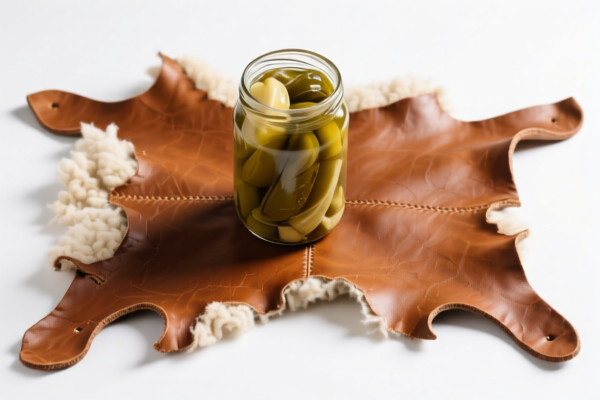
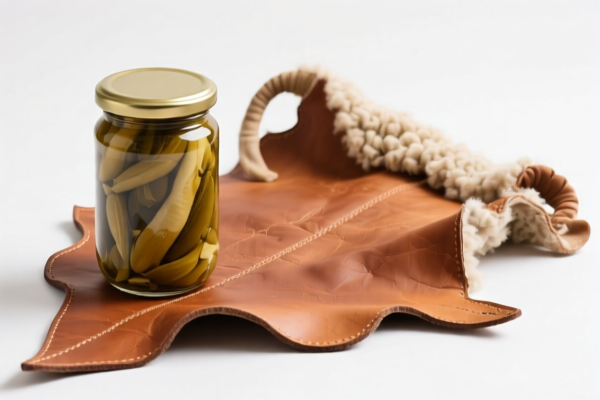


AI Analysis
🐑 Unwashed Pickled Sheepskin for Leather Processing (Chromepigmented/Pre-tanned Sheepskins)
🌐 HS Code Reference & Customs Clearance Guide | 2026 Latest Tariff Analysis | Professional Clearance Strategy
📌 I. Product Definition & Classification: What Exactly is "Pickled Sheepskin"?
Unwashed Pickled Sheepskin refers to raw sheepskins that have undergone a specific chemical preservation process known as "pickling" (acidification). This process stabilizes the hide to prevent putrefaction during transport and storage, preparing it for subsequent tanning (usually chromium or vegetable tanning).
In international trade, these are classified under Chapter 41 (Animal Skins and Furskins, other than furskins of head 43.02 or 43.03). The key distinction lies in whether the skin is "Unwashed" (remaining in a raw, acidic state) versus "Washed" or "Fully Tanned."
⚠️ Key Classification Criteria:
- Condition: Acidified/pickled, not fully tanned into leather.
- State: Unwashed (retains natural oils and blood residues, treated with acid/salt).
- Material: Sheepskin or Goatskin (distinguish by pore pattern and fiber structure).
- HS Chapter: 41.02 (Sheep or Lamb Skins) or 41.03 (Other Skins, e.g., Goat).
📦 II. HS Code Classification Details (Based on Provided Data)
The following HS Codes are derived strictly from the provided dataset. All items fall under the "Unwashed/Pickled" category, attracting identical tariff structures.
| HS Code | Product Description | Summary of Match | Key Characteristics |
|---|---|---|---|
| 4102.10.10.00 | Unwashed Sheepskins | Matches material: Sheepskin; State: Unwashed & Untanned. Fully complies with the definition for unwashed sheepskins. | Pure Sheepskin. No hair, un-tanned. |
| 4102.29.10.90 | Other Sheepskins, Unwashed | Matches material: Sheepskin; State: Unwashed & Untanned. No hair. Complies with material & processing limits. | Hairless Sheepskin. Unwashed. |
| 4103.90.11.30 | Other Unpre-tanned Skins (Sheep) | Matches material: Sheepskin; State: Un-tanned. Fits the category of specific animal skins not pre-tanned. | Sheepskin. Un-tanned/Un-pre-tanned. |
| 4103.90.11.90 | Other Skins, Unwashed | Matches material: Sheepskin; State: Unwashed/Unpre-tanned. Fits "Other unwashed raw skins" classification. | Sheepskin. Unwashed/Raw. |
| 4103.90.12.00 | Unwashed Goatskins | Matches material: Goatskin; State: Unwashed. Complies with the definition for unwashed raw skins of goats. | Goatskin. Unwashed. |
🔍 Critical Distinction:
- HS 4102 is specifically for Sheep/Lamb skins.
- HS 4103 is for Other animal skins (including Goats).
- "Pickled" is chemically considered "Unwashed/Un-tanned" in customs nomenclature because it hasn't undergone the final tanning process to become stable leather.
💰 III. 2026 Latest Tariff Rate Breakdown (Including Surcharges)
✅ Applicable Country: United States (US)
✅ Origin: China (CN)
✅ Effective Date: 2025 November 10 onwards (Includes subsequent imports)
All five HS Codes listed above share the exact same tax structure.
🎯 1. Tariff Breakdown for ALL Listed HS Codes
| Item | Content |
|---|---|
| Base Tariff Rate | 0.0% (Ad Valorem) |
| Section 301 Surcharge | +7.5% (From USITC Section 301) |
| Section 122 Tariff | +10.0% (Targeting specific Chinese imports) |
| Total Tax Rate | 17.5% |
| Tax Calculation | CIF Value × 17.5% |
| De Minimis Eligibility | ❌ Not Eligible (High-risk category for trade remedies) |
| Legal Basis Path | Base Rate 0% → Section 301: 7.5% → Section 122: 10% |
📌 Explanation:
- "Base Tariff 0%": Raw animal skins generally have low base duties to encourage domestic tanning industries.
- "Section 301 (7.5%)": Standard trade war tariff on Chinese agricultural/animal products.
- "Section 122 (10%)": A specific provision (often under U.S. Trade Expansion Act) targeting sensitive imports, applied here to raw skins.
- Total 17.5%: This is a fixed, high-cost component. You cannot avoid it through standard HTSUS misclassification within the provided data.
🛠️ IV. Customs Clearance Practical Advice (Real-World Pitfall Guide)
✅ 1. Required Documentation Checklist (Non-Negotiable)
| Document | Must Provide? | Purpose/Notes |
|---|---|---|
| ✅ Commercial Invoice | ✔️ | Must clearly state "Pickled Sheepskin" or "Unwashed Raw Sheepskin." Do NOT use vague terms like "Leather Material" which might trigger different checks. |
| ✅ Product Specification Sheet | ✔️ | Must specify: 1. Animal Source: Sheep vs. Goat (Determines 4102 vs 4103). 2. Processing State: "Pickled/Acidified." 3. Weight: Net/Gross. |
| ✅ Bill of Lading (B/L) | ✔️ | Ensure "Harmonized System" codes match the invoice. |
| ✅ Certificate of Origin | ✔️ | To prove Origin is China (triggers 301/122 tariffs). If from another country, tariffs may differ (check FTAs). |
| ✅ FDA/APHIS Permit | ✔️ | Crucial! Raw animal products often require USDA APHIS inspection or FDA registration to prevent disease importation. |
| ✅ Packing List | ✔️ | Detail packaging (e.g., "Salted," "Pickled in Brine") to confirm preservation method. |
✅ 2. Declaration Strategy (Key Mnemonics)
🔥 "State is King: Pickled = Unwashed. Source Matters: Sheep vs. Goat."
| Scenario | Correct Declaration | Error to Avoid |
|---|---|---|
| Sheepskin, Acidified | 4102.10.10.00 or 4102.29.10.90 |
Calling it "Tanned Leather" (Wrong chapter, higher duty/risk). |
| Goatskin, Acidified | 4103.90.12.00 |
Calling it "Sheepskin" (Wrong HS, potential penalty). |
| Mixed Batch (Sheep + Goat) | Split Declaration | Combining into one vague line item → Customs Seizure Risk. |
| "Pickled" vs "Washed" | Use "Pickled" | Claiming "Washed" if it's still acidic → Misclassification. |
✅ 3. Special Handling & Anti-Dumping/Countervailing Duty (CVD) Check
- Note: While the provided data only lists 301/122 tariffs, raw sheepskins are sometimes subject to Anti-Dumping Duties (AD) depending on the specific country of origin and type (e.g., Chinese sheepskins may have separate AD rates outside this 17.5% total).
- Action: Verify if 19 CFR 351 (AD/CVD) applies to your specific supplier and product type. The 17.5% from the data is the baseline trade remedy tariff.
🌍 V. Global Market Clearance Comparison (2026 Snapshot)
| Market | Recommended HS Code | Base Tariff | Key Surcharges | Total Est. Cost | Notes |
|---|---|---|---|---|---|
| 🇺🇸 USA | 4102.10.10.00 |
0% | +17.5% (301 + 122) | 17.5% | High compliance risk. APHIS permit needed. |
| 🇨🇳 China | 4102.10.10.00 |
0-10% | None | 0-10% | Varies by specific processing status. |
| 🇪🇺 EU | 4102.21 |
6.5% | None | 6.5% | No Section 122/301 equivalents. |
| 🇬🇧 UK | 4102.21 |
6.5% | None | 6.5% | Post-Brexit tariff schedule. |
📌 Conclusion:
- The US market is the most expensive due to the 17.5% additive tariffs.
- EU/UK are more favorable if you can source from or route through compliant jurisdictions (though origin rules apply).
📌 VI. Common Errors & Pitfalls (Blood & Tears Lessons)
❌ Error 1: Calling "Pickled Sheepskin" "Leather"
👉 Consequence: Incorrect Chapter (41 vs 39/42). Customs may reject as "Processed Leather" (different duty, different inspection).
✅ Fix: Use "Raw Skins, Pickled" or "Unwashed Skins."
❌ Error 2: Misidentifying Sheep vs. Goat
👉 Consequence: HS 4102 (Sheep) vs 4103 (Goat). While tariffs might be similar, APHIS/FDA may require different health certificates for goats vs sheep.
✅ Fix: Provide biological verification or detailed specs.
❌ Error 3: Ignoring "Unwashed" State
👉 Consequence: If declared as "Washed," it might fall under different subheadings with different surcharge eligibility.
✅ Fix: Explicitly state "Pickled/Acidified" which equals "Unwashed" for customs purposes.
❌ Error 4: Not checking APHIS/USDA Requirements
👉 Consequence: Cargo held at port for weeks awaiting veterinary inspection.
✅ Fix: Apply for import permit before shipment.
🎯 VII. Conclusion: Professional Declaration, Cost Control, Efficiency!
🎯 Remember the Mnemonic:
🔹 "Pickled is Unwashed. Sheep is 4102. Goat is 4103. USA Tax is 17.5%. Don't Lie, It's a Hit!"
🔹 "HS Code 4102/4103, Base 0%, But Pay 17.5% in US. Prepare APHIS, Avoid Bus."
📌 Pro Tip:
If your supplier offers "Washed, Pre-tanned" skins, they may fall under different HS codes (e.g., 4104/4105) with potentially different tariff treatments. However, for "Pickled/Unwashed," the 17.5% is a fixed cost of doing business with the US.
✅ Recommendation: Secure APHIS clearance before booking ocean freight to avoid demurrage fees.
📣 Immediate Action:
📞 Contact your Customs Broker to verify APHIS Permit requirements.
📄 Ensure Invoice reads: "Pickled Sheepskins, Unwashed, HS 4102.10.10.00".
🚀 Clearance Efficiency = Lower Logistics Costs = Higher Profit Margin!
✨ Professional Customs Compliance Starts with Accurate Classification!
💼 Every Percent of Duty Saved is Pure Profit Added!
Customer Reviews
About HS Code Classification
The Harmonized System (HS) is an internationally standardized nomenclature developed by the World Customs Organization (WCO) to classify traded products. Over 200 countries use the HS system as the basis for customs tariffs, trade statistics, and import/export regulations.
Each HS code follows a hierarchical structure:
- Chapter (2 digits) — Broad category of goods (e.g., Chapter 84: Machinery and Mechanical Appliances)
- Heading (4 digits) — More specific grouping within the chapter
- Subheading (6 digits) — Internationally standardized breakdown, used by all WCO member countries
- National subdivisions (8-10 digits) — Country-specific extensions for further classification, such as US HTSUS 10-digit codes
Correct HS code classification is essential for smooth customs clearance, accurate duty payment, and compliance with trade regulations. Misclassification can lead to customs delays, overpayment of duties, or penalties.
When importing from CN to US, the applicable tariff rates may include:
- Most-Favored-Nation (MFN) rate — The standard duty rate applied to WTO members
- General rate — Applied to countries without trade agreements
- Trade remedy duties — Additional tariffs such as Section 301 (anti-dumping), Section 232 (national security), or countervailing duties
The information provided on this page is for reference purposes only. For official classification, please consult with your local customs authority or a licensed customs broker.