Unworked plastic rods
CN → US| HS Code | Tariff Rate | Origin | Destination | Doc |
|---|---|---|---|---|
| 3916905000 | 40.8% | CN | US | Official Doc |
| 3916100000 | 40.8% | CN | US | Official Doc |
| 3926909989 | 22.8% | CN | US | Official Doc |
| 9505906000 | 10.0% | CN | US | Official Doc |
| 9503000071 | 10.0% | CN | US | Official Doc |
Product Images
AI Analysis
🛠️ Unworked Plastic Rods: HS Code Classification & Customs Clearance Guide (2026)
🌐 HS Code Reference & Customs Clearance Strategy | 2026 Tariff Analysis | Professional Compliance Guide
📌 I. Product Definition: What are "Unworked Plastic Rods"?
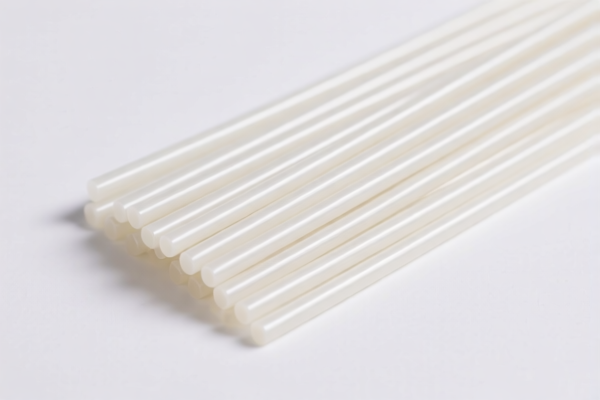
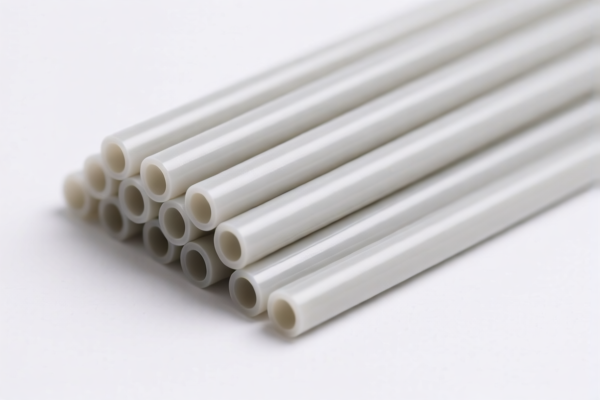
"Unworked Plastic Rods" refer to semi-finished plastic materials in a cylindrical shape, primarily used as raw materials for further processing (e.g., cutting, machining, injection molding). In international trade, their classification depends heavily on material composition and degree of processing.
⚠️ Key Distinction:
- "Unworked" (Semi-finished): Basic shapes like rods, bars, or filaments, without complex shapes or functional components. → Classified under Chapter 39 (Plastics and articles thereof).
- "Finished" (Specific Use): If the rod has a specific function (e.g., glowing for entertainment), it may be classified elsewhere. → Classified under Chapter 95 (Toys, Games, Sports Equipment).
📦 II. HS Code Classification Details (2026 Latest Tariff Reference)
Based on the provided data, here are the four most likely HS codes for "Plastic Rods," categorized by their nature and tax implications.
| HS Code | Product Description | Key Characteristics | Primary Use Case |
|--------|--------------------------|-----------------------------|
| 3916.10.00.00 | Plastic Rods (Vinyl Polymer Base) | Shape: Rods/Bars; Material: Primary products of vinyl polymers (e.g., PVC). | Industrial raw materials, construction profiles. |
| 3916.90.50.00 | Plastic Rods (General Plastic) | Shape: Rods; Material: Plastics (generic or non-vinyl like PE, PP). | General industrial semi-finished goods. |
| 3926.90.99.89 | Plastic Rods (Other Articles) | Shape: Rods; Classification: Other articles of plastics. | Less common classification for rods; used when 3916 doesn't fit perfectly. |
| 9505.90.60.00
9503.00.00.71 | Plastic Glow Sticks | Material: Plastic; Specific Use: Entertainment/Festivals. | Glow sticks for parties, concerts, emergencies. NOT raw materials. |
🔍 Critical Note:
- If the product is a simple cylindrical rod made of plastic, it belongs to Chapter 39 (3916or3926).
- If the product is a glow stick (chemically lit, for entertainment), it belongs to Chapter 95 (9505or9503).
- Do not mix these categories. Misclassifying a raw material as a toy (or vice versa) leads to severe penalties.
💰 III. 2026 Tariff Rate Breakdown (Detailed Tax Clauses)
✅ Applicable Country: United States (US)
✅ Origin: China (CN)
✅ Effective Date: 2025/2026 Tariff Period
🎯 1. For Raw/Industrial Plastic Rods (3916.90.50.00, 3916.10.00.00, 3926.90.99.89)
These items are subject to high tariffs due to trade restrictions.
| Tax Component | Rate | Source / Legal Basis |
|---|---|---|
| Basic Tariff | 5.8% | MFN (Most Favored Nation) Rate |
| Section 301 Tariff | 25.0% | USITC Footnote: Section 301 (Trade Action against China) |
| Section 122 Tariff | 10.0% | USITC Footnote: Section 122 (National Security/Supply Chain) |
| Total Tax Rate | 40.8% | Sum of all applicable rates |
| De Minimis Eligibility | ❌ No | Value > $800 requires formal entry; tariffs apply fully. |
📌 Explanation:
- The 40.8% total rate applies to3916.90.50.00,3916.10.00.00, and3926.90.99.89.
- This is a significant cost burden. Importers must calculate if the landed cost (Product + Freight + Insurance + 40.8% Tax) remains competitive.
- Legal Path:USITC:3916.90.50.00→FOOTNOTE:301+FOOTNOTE:122.
🎯 2. For Plastic Glow Sticks (9505.90.60.00, 9503.00.00.71)
These items are classified as Toys/Entertainment Goods, benefiting from zero basic tariffs and zero Section 301 tariffs.
| Tax Component | Rate | Source / Legal Basis |
|---|---|---|
| Basic Tariff | 0.0% | Preferential rate for certain toys/entertainment items |
| Section 301 Tariff | 0.0% | Excluded from Section 301 list for these specific subheadings |
| Section 122 Tariff | 10.0% | USITC Footnote: Section 122 applies |
| Total Tax Rate | 10.0% | Only Section 122 applies |
| De Minimis Eligibility | ❌ No | Still subject to formal entry if > $800. |
📌 Explanation:
- The 10.0% total rate applies to9505.90.60.00and9503.00.00.71.
- Savings: Compared to industrial rods (40.8%), this is a 30.8% reduction in tariff burden.
- Crucial: You cannot classify industrial plastic rods as glow sticks to save tax. The product must genuinely be a glow stick (packaged for entertainment, with chemical lighting elements).
🛠️ IV. Customs Clearance Practical Advice (Avoid Pitfalls)
✅ 1. Documentation Checklist (Non-Negotiable)
| Document | Required? | Why? |
|---|---|---|
| Product Specification Sheet | ✔️ | Must clearly state: "Material: PVC/PE/PP", "Shape: Rod", "Diameter", "Length". |
| Commercial Invoice | ✔️ | Must NOT use ambiguous terms like "Glow Stick" if it's actually a raw rod. Use "Plastic Rod, Unworked". |
| Packing List | ✔️ | Details weight, quantity, and packaging type. |
| Origin Certificate | ✔️ | To confirm Chinese origin (triggers 301/122 duties). |
| Photos of Product | ✔️ | Show the rod’s cross-section, texture, and any branding. |
✅ 2. Declaration Strategy
| Scenario | Correct HS Code | Declaration Name | Risk |
|---|---|---|---|
| Raw Plastic Rods (for machining) | 3916.90.50.00 |
"Plastic Rod, PVC, Unworked" | ⚠️ High Tax (40.8%). Must declare accurately. |
| Raw Plastic Rods (Vinyl based) | 3916.10.00.00 |
"Plastic Rod, Vinyl Polymer" | ⚠️ High Tax (40.8%). |
| Glow Sticks (Party Supplies) | 9505.90.60.00 |
"Plastic Glow Stick, Entertainment" | ✅ Low Tax (10.0%). Must be genuine glow sticks. |
| Toy Glow Sticks (For Kids) | 9503.00.00.71 |
"Plastic Glow Stick, Toy" | ✅ Low Tax (10.0%). Must be marketed as toys. |
🔥 Golden Rule:
"If it’s not glowing, it’s not a toy. If it’s not a toy, it’s 40.8% tax."
Do not attempt to misclassify raw materials as toys to avoid taxes. Customs audits will flag this mismatch.
✅ 3. Special Cases
| Case | Handling Advice |
|---|---|
| Mixed Shipment | If a container contains both rods and glow sticks, declare separately with distinct HS Codes. |
| OEM Custom Rods | If rods are custom-shaped (e.g., hexagonal), they may still be 3916 if "unworked." Provide drawings. |
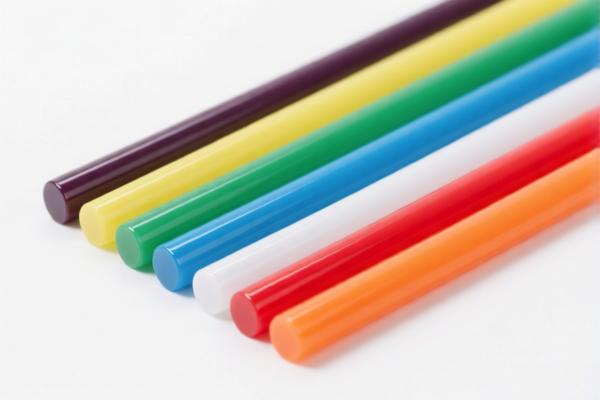
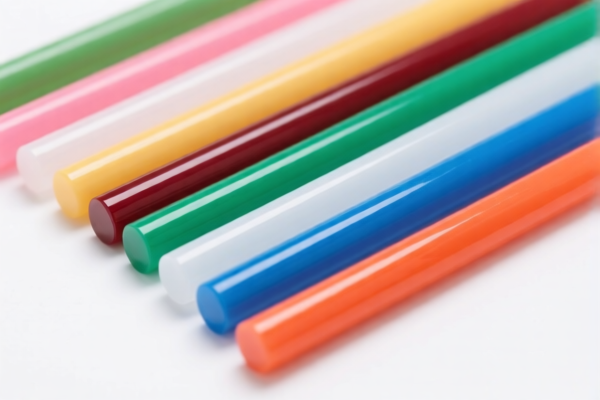
| Color Variants | Color does not change HS Code for 3916. It’s still a plastic rod. |
| Certifications | For glow sticks, ensure ASTM F963 (US Toy Safety) or EN71 (EU) compliance is documented, even if tax is lower. |
🌍 V. Global Market Comparison (2026)
| Region | HS Code for Rods | Tariff Rate | Key Requirement |
|---|---|---|---|
| 🇺🇸 USA | 3916.90.50.00 |
40.8% | Section 301 + 122 Duties. |
| 🇨🇳 China | 3916.90.50.00 |
5.0% | No Section 301. Standard MFN. |
| 🇪🇺 EU | 3916.90 |
6.5% | No Section 122 equivalent. |
| 🇬🇧 UK | 3916.90 |
6.5% | Post-Brexit tariffs apply. |
📌 Insight:
The USA is the most expensive market for plastic rods due to additional punitive tariffs. Importers should consider supply chain diversification (e.g., sourcing from Vietnam or Mexico) to mitigate these costs, if possible.
📌 VI. Common Mistakes & Pitfalls (Learn from Others)
❌ Mistake 1: Calling "Plastic Rods" "Glow Sticks" to save tax.
👉 Result: Customs seizure, fines, and retroactive duty assessment (40.8% + penalties).
❌ Mistake 2: Using "Plastic Bar" instead of "Rod" in description.
👉 Result: Minor. HS Code 3916 covers rods, bars, and filaments. Focus on material and shape.
❌ Mistake 3: Ignoring Section 122 Tariffs.
👉 Result: Unexpected 10% surcharge on top of 301 duties. Always check 122 applicability.
✅ Correct Practice:
"Unworked PVC Plastic Rods, 10mm Diameter, Industrial Grade, Not for Direct Use."
🎯 VII. Conclusion: Smart Classification Saves Money
🎯 Key Takeaways:
🔹 Raw Rods = 40.8% Tax (Hard to avoid unless origin changes).
🔹 Glow Sticks = 10.0% Tax (Easy to save, but must be genuine).
🔹 Accuracy is Critical: Misclassification risks are higher than the tax difference.
📌 Pro Tip:
If you are importing large volumes of plastic rods, consider applying for a Section 301 Exclusion (if available for your specific product type) or consult a customs broker about First Sale for Export rules to reduce dutiable value.
📣 Call to Action:
📞 Contact a Licensed Customs Broker to verify your HS Code before shipment.
🚀 Get Pre-Ruling: Submit an Advance Ruling Request to CBP for peace of mind.
✨ Precision in Classification, Efficiency in Clearance.
💼 Every percent saved is profit earned.
Customer Reviews
About HS Code Classification
The Harmonized System (HS) is an internationally standardized nomenclature developed by the World Customs Organization (WCO) to classify traded products. Over 200 countries use the HS system as the basis for customs tariffs, trade statistics, and import/export regulations.
Each HS code follows a hierarchical structure:
- Chapter (2 digits) — Broad category of goods (e.g., Chapter 84: Machinery and Mechanical Appliances)
- Heading (4 digits) — More specific grouping within the chapter
- Subheading (6 digits) — Internationally standardized breakdown, used by all WCO member countries
- National subdivisions (8-10 digits) — Country-specific extensions for further classification, such as US HTSUS 10-digit codes
Correct HS code classification is essential for smooth customs clearance, accurate duty payment, and compliance with trade regulations. Misclassification can lead to customs delays, overpayment of duties, or penalties.
When importing from CN to US, the applicable tariff rates may include:
- Most-Favored-Nation (MFN) rate — The standard duty rate applied to WTO members
- General rate — Applied to countries without trade agreements
- Trade remedy duties — Additional tariffs such as Section 301 (anti-dumping), Section 232 (national security), or countervailing duties
The information provided on this page is for reference purposes only. For official classification, please consult with your local customs authority or a licensed customs broker.