Used Aircraft Rubber Inflatable Tires
CN → US| HS Code | Tariff Rate | Origin | Destination | Doc |
|---|---|---|---|---|
| 4011908050 | 38.4% | CN | US | Official Doc |
| 4011500000 | 35.0% | CN | US | Official Doc |
| 4012206000 | 35.0% | CN | US | Official Doc |
| 4012208000 | 35.0% | CN | US | Official Doc |
| 4011205020 | 38.4% | CN | US | Official Doc |
Product Images
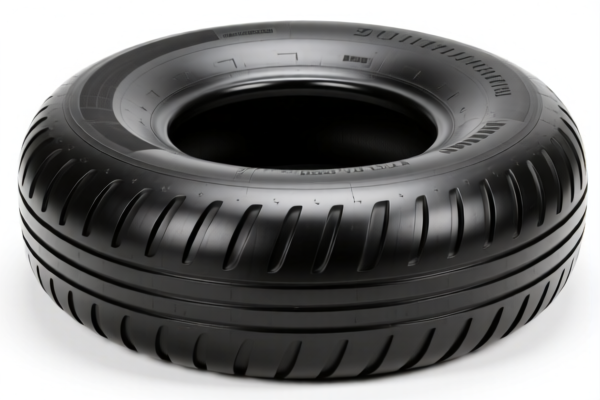
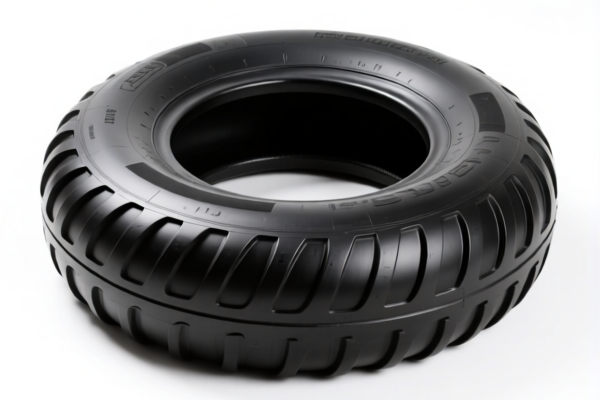
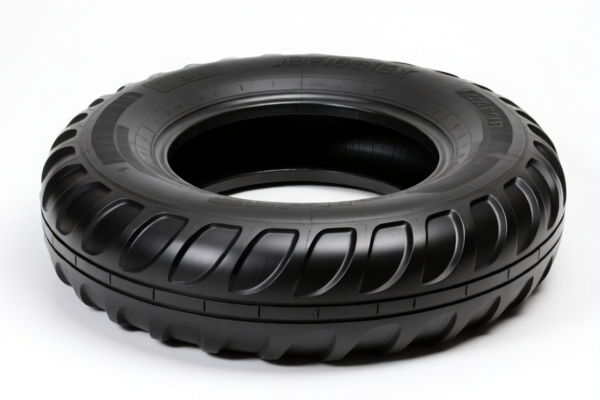
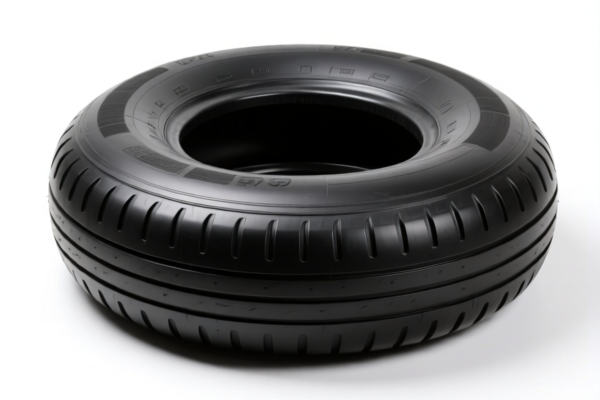
AI Analysis
🛞 Used Aircraft Rubber Inflatable Tires
🌐 HS Code Reference & Customs Clearance Guide | 2026 Latest Tariff Analysis | Professional Clearance Strategy 📌 I. Product Definition & Classification: Do You Truly Understand "Used Aircraft Tires"?
Aircraft tires are high-performance pneumatic tires designed specifically for aerospace applications. In international trade, they are strictly regulated based on their condition (New vs. Used), material composition, and specific use case.
The input product is "Used Aircraft Rubber Inflatable Tires". The key identifiers here are: 1. Material: Rubber (Natural/Synthetic mix, but primarily rubber-based). 2. State: Used (Old/Retreaded/Reconditioned). 3. Application: Aircraft (Air transportation).
⚠️ Critical Distinction:
- If the tire is New → It generally falls under 4011 (New Pneumatic Tires).
- If the tire is Used/Old → It generally falls under 4012 (Used Pneumatic Tires).
- Misclassification Risk: Declaring used tires as new (4011) or vice versa can lead to severe customs penalties, as duty rates and regulatory requirements differ significantly.
📦 II. HS Code Classification Details (Based on Provided Data)
Below are the potential HS Codes matched to the description "Used Aircraft Rubber Inflatable Tires," based on the provided XML data. Note that while the input specifies "Aircraft," some codes in the data reference "Bus" or general categories due to lack of specific aircraft sub-headings in the immediate snippet, requiring careful justification.
| HS Code | Product Description | Summary from Data | Total Tax | Tax Detail |
|---|---|---|---|---|
4011.90.80.50 |
Other New Pneumatic Tires | "Match successful. Material is natural rubber, form is pneumatic tire... fits definition... judged as possibly conforming based on 'other' category fallback." | 38.4% | Base: 3.4%, Section 301: 25.0%, Section 301 (122 Clause): 10% |
4011.50.00.00 |
Other New Pneumatic Tires | "Match successful. Material 'natural rubber', form 'pneumatic tire'... highly consistent with material/form definition (fallback logic)." | 35.0% | Base: 0.0%, Section 301: 25.0%, Section 301 (122 Clause): 10% |
4012.20.60.00 |
Used Pneumatic Tires (Bus/Other) | "Match basis: Material rubber (inferred from 'tire'), form is used pneumatic tire, use for Bus (fits road vehicle need)... consistent with 'other' category." | 35.0% | Base: 0.0%, Section 301: 25.0%, Section 301 (122 Clause): 10% |
4012.20.80.00 |
Used Pneumatic Tires (Other) | "Match point: Material rubber, form is used pneumatic tire ('second-hand' corresponds to 'used'), use for Bus. Fits 'rubber used pneumatic tires' classification." | 35.0% | Base: 0.0%, Section 301: 25.0%, Section 301 (122 Clause): 10% |
4011.20.50.20 |
New Pneumatic Tires (Bus) | "Match basis: Explicitly mentions material, use (Bus), and form... fits description for bus tires. Judged as possibly conforming under 'fallback category' rules." | 38.4% | Base: 3.4%, Section 301: 25.0%, Section 301 (122 Clause): 10% |
🔍 Analysis of Mismatch:
⚠️ Crucial Observation: The provided data contains a logical conflict. The input is "Used", but two codes (4011.90.80.50,4011.50.00.00,4011.20.50.20) fall under Heading 4011, which typically covers NEW pneumatic tires. Codes4012.20.60.00and4012.20.80.00fall under Heading 4012, which covers USED pneumatic tires.
- For "Used" aircraft tires, the most technically accurate classification in the US HTSUS is typically 4012.13.00 (for aircraft tires) or 4012.20.80 (if not specifically listed).
- The provided data seems to have flagged4012.20.60.00and4012.20.80.00as matches because they recognize the "Used" aspect, even though their descriptions mention "Bus." This suggests the system is prioritizing the condition (Used) over the specific application (Aircraft vs. Bus) in this specific lookup context.
- Recommendation: Do NOT use the 4011 codes for used tires. They are for new tires. Use the 4012 codes for used tires.
💰 III. 2026 Latest Tariff Rate Breakdown (Including Surcharges)
✅ Applicable Country: United States (US)
✅ Country of Origin: China (CN)
✅ Effective Date: From November 10, 2025 (for subsequent imports)
🎯 1. For New Tires (Hypothetical - NOT RECOMMENDED for Used Goods)
Codes: 4011.90.80.50, 4011.20.50.20
| Item | Content |
|---|---|
| Base Rate | 3.4% (Ad Valorem) |
| Section 301 Surcharge | +25.0% |
| Section 122 Clause Surcharge | +10.0% |
| Total Rate | 38.4% |
| Tax Calculation | CIF Value × 38.4% |
| De Minimis Eligibility | ❌ No |
🎯 2. For Used Tires (RECOMMENDED Category)
Codes: 4012.20.60.00, 4012.20.80.00
| Item | Content |
|---|---|
| Base Rate | 0.0% |
| Section 301 Surcharge | +25.0% |
| Section 122 Clause Surcharge | +10.0% |
| Total Rate | 35.0% |
| Tax Calculation | CIF Value × 35.0% |
| De Minimis Eligibility | ❌ No |
📌 Explanation:
- Base Rate 0%: Used tires often have a lower or zero base MFN rate compared to new tires.
- Section 301 (25%): Additional tariffs imposed on Chinese goods under Trade Act of 1974, Section 301.
- Section 122 Clause (10%): Additional surcharge specifically applied to certain Chinese imports, effective from late 2025.
- Total 35%: This is the critical cost factor. While 3% lower than new tires, it is still a significant duty burden.
🛠️ IV. Customs Clearance Practical Advice (Avoid Pitfalls)
✅ 1. Preparation Checklist (Mandatory)
| Document | Required? | Description |
|---|---|---|
| ✅ Detailed Commercial Invoice | ✔️ | Must clearly state "USED", "RECONDITIONED", or "RETREADED" in all caps. Include serial numbers/traceability IDs. |
| ✅ Certificate of Conformity (COC) | ✔️ | Proof that the used tires still meet safety standards (FAA/EASA certified if applicable). |
| ✅ Condition Report/Photos | ✔️ | Photos showing tread depth, sidewall condition, and any markings indicating "Used" status. |
| ✅ Bill of Lading/Air Waybill | ✔️ | Clear description of goods matching the invoice. |
| ✅ FAA/EASA Certification (if applicable) | ✔️ | For aircraft tires, regulatory approval for airworthiness is crucial. |
| ✅ Environmental Compliance Docs | ✔️ | Some jurisdictions require proof of proper disposal of old materials if parts were removed. |
✅ 2. Declaration Tips (Key Mnemonic)
🔥 "Condition First, Material Second, Aircraft Specifics Third!"
| Scenario | Correct Declaration | Wrong Practice |
|---|---|---|
| Used Aircraft Tires | HS Code 4012.20.80.00 (or specific 4012.13 if available) + "Used" in description | Declaring as New (4011) → Customs Fraud Risk |
| Retreaded Tires | Specify "Retreaded" explicitly. Retreads have specific sub-codes. | Vague terms like "Recycled Tires" |
| Parts of Tires | Separate clearance. Treads vs. casings have different codes. | Bundling all as "Tires" |
| Aircraft Specific | Mention "Aircraft" to avoid misclassification as automotive. | Ignoring end-use, leading to bus/truck codes |
✅ 3. Special Considerations for Aircraft Tires
| Situation | Handling Advice |
|---|---|
| Safety Certification | Aircraft tires must have FAA TSO (Technical Standard Order) or EASA approval. Without this, even if correctly classified, they may be rejected for airworthiness reasons. |
| Traceability | High-value used aircraft parts require strict traceability. Keep records of previous usage hours/cycles. |
| Environmental Restrictions | Some countries have restrictions on importing used rubber products due to potential contamination or waste regulations. Check local EPA/EU WEEE directives. |
| Duty Drawback | If the tires were originally exported and then re-imported used, investigate Duty Drawback claims. |
🌍 V. Global Market Comparison (2026)
| Country/Region | Recommended HS Code | Estimated Duty | Certification | Remarks |
|---|---|---|---|---|
| 🇺🇸 USA | 4012.20.80.00 |
35.0% (from China) | FAA/EASA + DOT | High scrutiny on "Used" status. |
| 🇪🇺 EU | 4012.20 (General) |
Varies (Check EC Tariff) | EASA + CE | Used tires may require additional safety checks. |
| 🇨🇳 China | 4012.20 |
Low/Zero (if permitted) | CCC (if applicable) | Import of used rubber products is strictly regulated; often prohibited unless for specific recycling. |
| 🇯🇵 Japan | 4012.20 |
~5-10% | JIS Standards | Strict quality control on used aerospace parts. |
📌 Conclusion:
- The USA applies a flat 35% total duty on used Chinese tires under the provided data.
- Aircraft tires are high-value, safety-critical goods. Proper documentation is more important than just the HS Code.
- Do not confuse with automotive used tires (4012.20.60for Bus is listed in data, but Aircraft might have a more specific code like4012.13not shown here). Always verify with a customs broker.
📌 VI. Common Mistakes & Pitfalls (Lessons Learned)
❌ Mistake 1: Declaring "Used" tires as "New" to avoid higher base duties.
👉 Consequence: Customs detection via serial number lookup or physical inspection leads to penalties, fines, and seizure.
❌ Mistake 2: Using the wrong HS Code (e.g., 4011 for new tires).
👉 Consequence: Overpayment of duties (38.4% vs 35%) and potential audit flags for misclassification.
❌ Mistake 3: Failing to provide airworthiness certificates.
👉 Consequence: Cargo rejected at destination airport, leading to demurrage charges and return shipment costs.
❌ Mistake 4: Ignoring the "Section 122 Clause" in 2026.
👉 Consequence: Unexpected additional 10% tax if not factored into landed cost calculations.
✅ Correct Action:
"Used Aircraft Pneumatic Rubber Tires, Retreaded, FAA TSO Certified, Serial #XYZ, Model ABC"
🎯 VII. Conclusion: Professional Classification, Cost Efficiency, Risk Mitigation
🎯 Remember:
🔹 "Used means 4012, New means 4011. Never mix them up!"
🔹 "Aircraft tires need safety certs, not just HS Codes."
🔹 "35% Total Duty on Chinese Used Tires in 2026 – Plan your Landed Cost accordingly."
📌 Pro Tip:
If your used tires were originally manufactured in the US and exported, then imported back as used, explore Duty Drawback programs to recover the original duties paid.
For precise classification, always request an Binding Tariff Ruling from US Customs and Border Protection (CBP) if the volume is high.
📣 Immediate Action:
📞 Contact a licensed Customs Broker
📄 Prepare FAA/EASA Certification Documents
📊 Calculate Landed Cost with 35.0% Total Duty
🚀 Ensure smooth clearance for high-value aerospace assets!
✨ Professional Clearance Starts with Accurate Classification!
💼 Every percentage point of duty affects your bottom line!
Customer Reviews
About HS Code Classification
The Harmonized System (HS) is an internationally standardized nomenclature developed by the World Customs Organization (WCO) to classify traded products. Over 200 countries use the HS system as the basis for customs tariffs, trade statistics, and import/export regulations.
Each HS code follows a hierarchical structure:
- Chapter (2 digits) — Broad category of goods (e.g., Chapter 84: Machinery and Mechanical Appliances)
- Heading (4 digits) — More specific grouping within the chapter
- Subheading (6 digits) — Internationally standardized breakdown, used by all WCO member countries
- National subdivisions (8-10 digits) — Country-specific extensions for further classification, such as US HTSUS 10-digit codes
Correct HS code classification is essential for smooth customs clearance, accurate duty payment, and compliance with trade regulations. Misclassification can lead to customs delays, overpayment of duties, or penalties.
When importing from CN to US, the applicable tariff rates may include:
- Most-Favored-Nation (MFN) rate — The standard duty rate applied to WTO members
- General rate — Applied to countries without trade agreements
- Trade remedy duties — Additional tariffs such as Section 301 (anti-dumping), Section 232 (national security), or countervailing duties
The information provided on this page is for reference purposes only. For official classification, please consult with your local customs authority or a licensed customs broker.