Used Bus Inflatable Tire
CN → US| HS Code | Tariff Rate | Origin | Destination | Doc |
|---|---|---|---|---|
| 4012208000 | 35.0% | CN | US | Official Doc |
| 4012206000 | 35.0% | CN | US | Official Doc |
| 4016996010 | 37.5% | CN | US | Official Doc |
| 4012128050 | 38.4% | CN | US | Official Doc |
| 4011201035 | 39.0% | CN | US | Official Doc |
Product Images
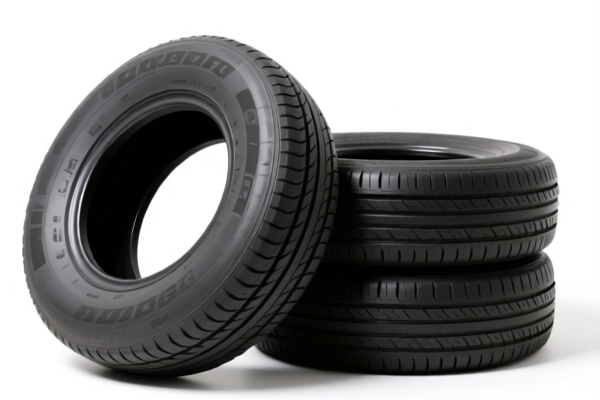
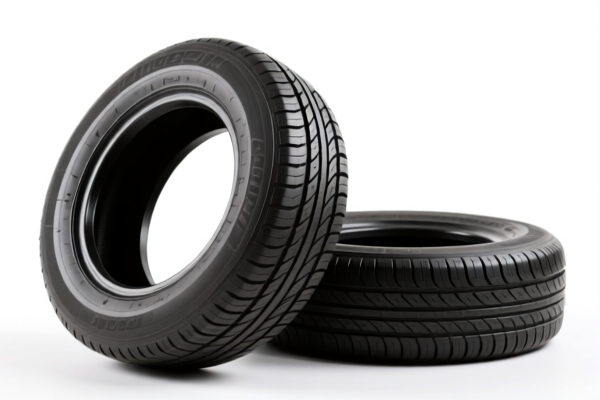
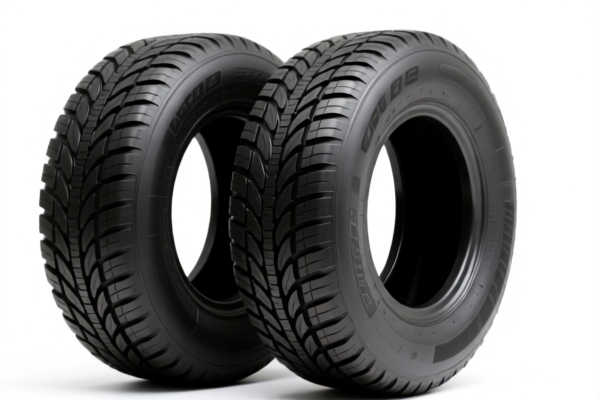
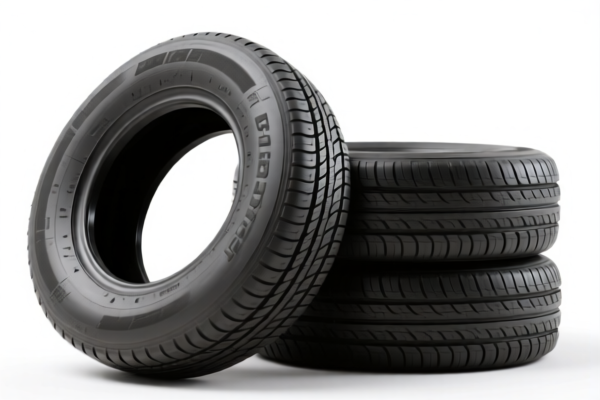
AI Analysis
🚌 Used Bus Inflatable Tires (Used Road Freight & Off-Road Tires)
🌐 HS Code Reference & Customs Clearance Guide | 2026 Latest Tariff Analysis | Professional Clearance Strategy for Used Rubber Products
📌 I. Product Definition & Classification: Are You Importing "Used" or "New"?
Used bus tires, often categorized under "Used Road Freight Tires" or "Bus Off-Road Tires," are critical components in the automotive aftermarket. In international trade, distinguishing between Used Tyres and New Tyres is paramount, as their HS Code classifications and tariff treatments differ significantly due to environmental and trade restrictions.
Key Distinctions: * Used Road Freight Tires: Specifically refer to retreaded or previously used tires for heavy-duty trucks and buses. These are highly sensitive to "Section 301" and "Section 122" tariffs. * Bus Off-Road/All-Purpose Tires: If the tire is designed for both highway and off-road use, or if the "used" status is ambiguous, customs may classify them as standard rubber articles, attracting higher base tariffs. * Material: All entries below are Vulcanized Rubber.
⚠️ Critical Warning:
- "Used" Status: Must be clearly declared. Importing used tires into certain jurisdictions is banned or restricted. In the US, used tires from China face exorbitant penalties due to trade wars.
- HS Code Ambiguity: Misclassifying a "Used Road Tire" as a "New Off-Road Tire" can lead to severe audits.
- Tariff Shock: The combination of Base Tariff + Section 301 (25%) + Section 122 (10%) creates a massive tax burden.
📦 II. HS Code Classification Details (2026 Latest Tariff Authority Comparison)
Based on the provided data, here is the precise breakdown for Used Bus Inflatable Tires. Note that even if the product is physically a "bus tire," the use case (Road vs. Off-Road) and condition (Used) dictate the code.
| HS Code | Product Description | Applicable Scenario | Key Classification Feature | Total Tax Rate (US Import from CN) |
|---|---|---|---|---|
4012.20.80.00 |
Used Road Freight Tires | Specifically for used road freight vehicles (including buses used on roads). | Used Condition + Road Freight Application | 35.0% |
4012.20.60.00 |
Used Road Freight Tires | Specifically for road transport vehicles. | Used Condition + Road Transport | 35.0% |
4016.99.60.10 |
Bus Off-Road Tires | Vulcanized rubber articles; used for automotive mechanical parts (off-road buses). | New/General + Off-Road/Non-Road | 37.5% |
4012.12.80.50 |
Bus Off-Road Tires | Other categories; material and form match tires but classified as "Other." | Catch-All Category for Bus Off-Road | 38.4% |
4011.20.10.35 |
Bus Off-Road Tires | Non-road use; Rubber material. | Non-Road Use + Rubber | 39.0% |
🔍 Key Insight:
- If the tires are definitively used and for road transport, codes4012.20.80.00and4012.20.60.00are the most accurate.
- If the tires are new or their "off-road" capability is emphasized (e.g., for construction sites or mixed terrain), codes4016.99.60.10,4012.12.80.50, or4011.20.10.35may apply, but they incur higher base tariffs (2.5%–4.0%) compared to the used road tire category (0.0% base).
💰 III. 2026 Latest Tariff Rate Detailed Analysis (Including Surcharges & Policy Additions)
✅ Applicable Country: United States (US)
✅ Origin: China (CN)
✅ Effective Time: Current regulations apply (Section 301 & 122)
🎯 1. 4012.20.80.00 & 4012.20.60.00 —— Used Road Freight Tires
| Item | Content |
|---|---|
| Base Tariff | 0.0% (ad valorem) |
| Section 301 Surcharge | +25.0% (USITC Footnote for Chinese goods) |
| Section 122 Surcharge | +10.0% (Additional duty on specific Chinese goods) |
| Total Tariff Rate | 35.0% |
| Tax Calculation | CIF Value × 35% |
| De Minimis Eligibility | ❌ Not Applicable (Used tires are generally excluded from de minimis thresholds) |
| Legal Basis Path | HTSUS:4012.20 → USITC:Section301 → IEEPA/Section122 |
📌 Explanation:
- Base Tariff is 0%: The US often sets low base rates for used recyclable goods.
- The Trap: The 35% total rate is driven entirely by political surcharges (25% + 10%).
- Risk: High. Importing used tires from China is heavily scrutinized. Ensure the "Used" status is undeniable (e.g., clear tread wear, no new value).
🎯 2. 4016.99.60.10 —— Bus Off-Road Tires (Vulcanized Rubber Articles)
| Item | Content |
|---|---|
| Base Tariff | 2.5% |
| Section 301 Surcharge | +25.0% |
| Section 122 Surcharge | +10.0% |
| Total Tariff Rate | 37.5% |
| Tax Calculation | CIF Value × 37.5% |
| De Minimis Eligibility | ❌ Not Applicable |
| Legal Basis Path | HTSUS:4016.99 → USITC:Section301 → Section122 |
📌 Note:
- Even though it’s a "rubber article," it is classified under Chapter 40 (Rubber).
- The base tariff is higher than used road tires because it doesn’t benefit from the "used freight" exemption.
🎯 3. 4012.12.80.50 & 4011.20.10.35 —— Other Bus Off-Road / Non-Road Tires
| Item | Content |
|---|---|
| Base Tariff | 3.4% (for 4012.12.80.50) 4.0% (for 4011.20.10.35) |
| Section 301 Surcharge | +25.0% |
| Section 122 Surcharge | +10.0% |
| Total Tariff Rate | 38.4% (for 4012.12.80.50) 39.0% (for 4011.20.10.35) |
| Tax Calculation | CIF Value × Total Rate |
| De Minimis Eligibility | ❌ Not Applicable |
| Legal Basis Path | HTSUS:4012/4011 → USITC:Section301 → Section122 |
📌 Warning:
- These codes represent "Catch-All" or "Non-Road" categories.
- They are the most expensive in this dataset due to higher base tariffs.
- Avoid using these unless the tire is definitively non-road (e.g., for mining equipment) and not for standard bus road transport.
🛠️ IV. Customs Clearance Practical Advice (Avoid Pitfalls)
✅ 1. Documentation Checklist (Mandatory)
| Document | Required | Explanation |
|---|---|---|
| ✅ Product Photos | ✔️ | Must clearly show tread wear, valve stems, and any "USED" markings. |
| ✅ Commercial Invoice | ✔️ | Must state "USED TIRE" explicitly. Do not just say "Tire." |
| ✅ Bill of Lading | ✔️ | Ensure cargo description matches HS Code. |
| ✅ Condition Report | ✔️ | Third-party inspection report confirming "Used" status and safety. |
| ✅ Import License | ✔️ | Check if your state/country requires an import permit for used rubber products. |
✅ 2. Declaration Tips (Key Mantras)
🔥 "State 'USED' Clearly, Specify 'Road' vs 'Off-Road', Avoid 'New' Mentions!"
| Scenario | Correct Declaration | Error to Avoid |
|---|---|---|
| Used Bus Tires for Road | "Used Road Freight Tires, Rubber, HS 4012.20.80.00" | "New Bus Tires" → 100% Penalty |
| Used Tires for Off-Road | "Used Off-Road Tires, HS 4016.99.60.10" | "Road Tires" → Misclassification Risk |
| Mixed Cargo | Separate invoices for New vs. Used | Mixing new and used → Audit Trigger |
✅ 3. Special Situations
| Situation | Handling Advice |
|---|---|
| Retreaded Tires | If retreaded, ensure they are labeled as "Retreaded." Retreads have different environmental rules. |
| Tires with Tubes | Declare tubes separately if possible, as they may have different HS codes (e.g., 4009). |
| China Origin | High Risk. Ensure all Section 122 and 301 duties are calculated correctly. Budget for 35-39%. |
| Non-China Origin | If sourced from Vietnam/Mexico, verify if they are still considered "China-origin" due to transshipment rules. |
🌍 V. Global Market Comparison (2026 Latest)
| Country/Region | Recommended HS Code | Total Tariff (CN Origin) | Notes |
|---|---|---|---|
| 🇺🇸 USA | 4012.20.80.00 |
35.0% | High surcharges. Strict "Used" verification. |
| 🇨🇳 China | 4012.20.80.00 |
~5-10% | Import of used tires into China is restricted/banned for many types. Check latest MOFCOM lists. |
| 🇪🇺 EU | 4012.20.80.00 |
Varies (0-15%) | EU has strict environmental regulations on used tire imports. Carbon Border Adjustment Mechanism (CBAM) may apply in future. |
| 🇯🇵 Japan | 4012.20.80.00 |
~5-10% | Requires JIS certification for safety. |
📌 Conclusion:
- USA is the most tariff-heavy market due to trade wars.
- China largely restricts used tire imports.
- EU focuses on environmental compliance.
📌 VI. Common Errors & Pitfalls (Lessons Learned)
❌ Error 1: Declaring "Used Tires" as "New Tires" to avoid surcharges.
👉 Consequence: Severe fines, seizure of goods, and blacklisting.
❌ Error 2: Using "Off-Road" HS code for "Road" tires to get lower base tariff.
👉 Consequence: Customs audit reveals usage mismatch → Retroactive tax + Penalty.
❌ Error 3: Ignoring Section 122 tariffs.
👉 Consequence: Underpayment by 10% → Back taxes and interest.
❌ Error 4: Not providing photos showing wear.
👉 Consequence: Customs cannot verify "Used" status → Delay or detention.
✅ Correct Practice:
"Used Bus Tires, Road Freight Application, Vulcanized Rubber, Pre-Owned Condition, HS 4012.20.80.00"
🎯 VII. Conclusion: Professional Clearance, Cost Optimization!
🎯 Remember the Mantra:
🔹 "Used + Road = 35% Total."
🔹 "Off-Road/New = 37.5-39% Total."
🔹 "Always Declare 'USED'!"
📌 Pro Tip:
If your business involves high volumes of used tires, consider:
1. Pre-Ruling: Apply for a binding ruling from US CBP to confirm the HS Code.
2. Supply Chain Audit: Ensure suppliers do not mix new and used tires.
3. Insurance: Import cargo insurance is critical due to high risk of detention.
📣 Immediate Action:
📞 Contact a licensed customs broker + Provide Photos + Verify Section 122 Eligibility
🚀 Clear customs smoothly, minimize tax burden, and expand your tire business!
✨ Professional Clearance Starts with Accurate Classification!
💼 Every dollar of tariff counts!
Customer Reviews
About HS Code Classification
The Harmonized System (HS) is an internationally standardized nomenclature developed by the World Customs Organization (WCO) to classify traded products. Over 200 countries use the HS system as the basis for customs tariffs, trade statistics, and import/export regulations.
Each HS code follows a hierarchical structure:
- Chapter (2 digits) — Broad category of goods (e.g., Chapter 84: Machinery and Mechanical Appliances)
- Heading (4 digits) — More specific grouping within the chapter
- Subheading (6 digits) — Internationally standardized breakdown, used by all WCO member countries
- National subdivisions (8-10 digits) — Country-specific extensions for further classification, such as US HTSUS 10-digit codes
Correct HS code classification is essential for smooth customs clearance, accurate duty payment, and compliance with trade regulations. Misclassification can lead to customs delays, overpayment of duties, or penalties.
When importing from CN to US, the applicable tariff rates may include:
- Most-Favored-Nation (MFN) rate — The standard duty rate applied to WTO members
- General rate — Applied to countries without trade agreements
- Trade remedy duties — Additional tariffs such as Section 301 (anti-dumping), Section 232 (national security), or countervailing duties
The information provided on this page is for reference purposes only. For official classification, please consult with your local customs authority or a licensed customs broker.