Used Natural Rubber Electric Vehicle Tires
CN → US| HS Code | Tariff Rate | Origin | Destination | Doc |
|---|---|---|---|---|
| 4012208000 | 35.0% | CN | US | Official Doc |
| 4011101010 | 39.0% | CN | US | Official Doc |
| 4011105000 | 38.4% | CN | US | Official Doc |
| 4012206000 | 35.0% | CN | US | Official Doc |
| 4011101070 | 39.0% | CN | US | Official Doc |
Product Images
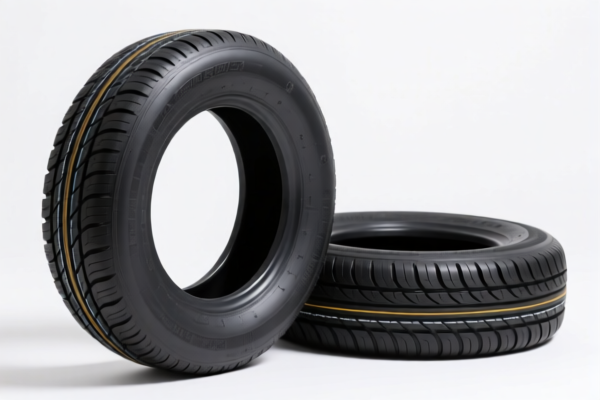
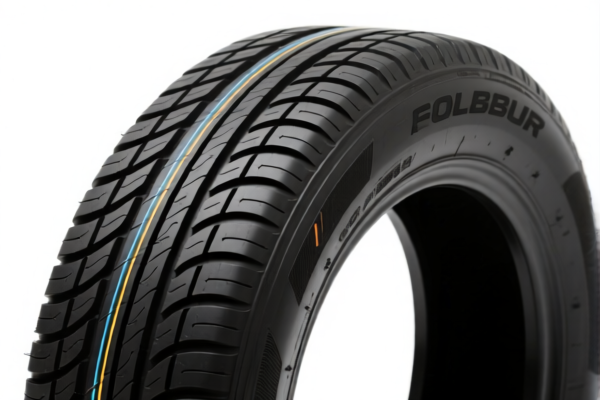
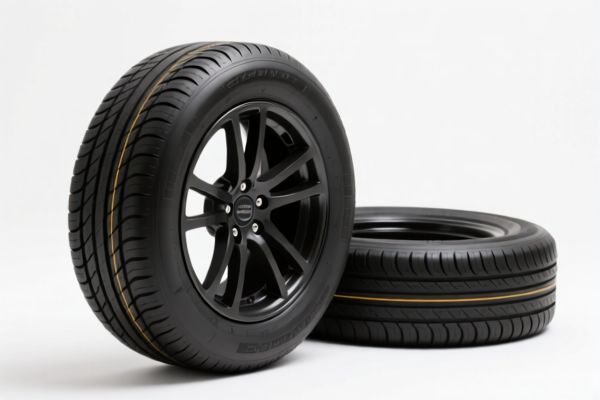
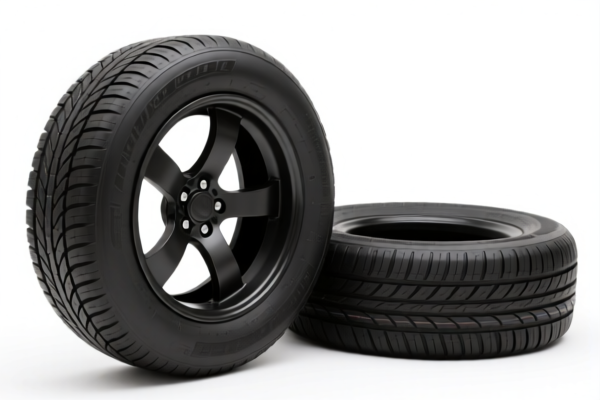
AI Analysis
🚗 Used Natural Rubber Electric Vehicle Tires
🌐 HS Code Reference & Customs Clearance Guide | 2024/2025 Latest Tariff Analysis | Professional Strategy for US Imports
📌 I. Product Definition & Classification: What Are "Used EV Tires" Really?
Used natural rubber tires for electric vehicles (EVs) are a specialized category in international trade. Unlike new tires, used tires face significantly higher barriers due to environmental regulations, trade remedies (Section 301), and specific US import laws.
In the US Harmonized Tariff Schedule (HTSUS), used tires are generally classified under Heading 4012 ("Retreaded or used pneumatic tyres of rubber") or sometimes Heading 4011 if they are misclassified as new or fall into specific "passenger vehicle" buckets that still apply to old tires (though 4012 is the primary header for used).
⚠️ Critical Distinction:
- "Used" vs. "Retreaded":
- Retreaded: A new casing with a new tread. Often treated differently.
- Used: Tires worn from use. Subject to high tariffs and potential bans/restrictions.
- "Natural Rubber": While the composition matters for health/environmental assessments, the HS Code is primarily determined by condition (used) and vehicle type (passenger/EV).
📦 II. HS Code Classification Details (Based on Provided Data)
According to the provided data, these "Used Natural Rubber Electric Vehicle Tires" are classified into five specific HS Codes. Note that "Electric Vehicle" tires for passenger cars are typically categorized under Passenger Vehicle Tires or general Old/Used Pneumatic Tires.
| HS Code | Product Description (Summary from Data) | Applicable Scenario | Key Tax Detail |
|---|---|---|---|
4012.20.80.00 |
Used pneumatic tires (General Used) | Old EV tires, general used passenger tires | Base: 0%, Sec 301: 25%, Section 122: 10% |
4011.10.10.10 |
Radial tires (Misclassified/New Logic?) | Note: Data says "Used" but code is 4011 (New Radial). Check validity. | Base: 4%, Sec 301: 25%, Section 122: 10% |
4011.10.50.00 |
Passenger car tires | EV tires falling under passenger category | Base: 3.4%, Sec 301: 25%, Section 122: 10% |
4012.20.60.00 |
Old pneumatic tires (Specific Old Category) | Heavily worn, end-of-life EV tires | Base: 0%, Sec 301: 25%, Section 122: 10% |
4011.10.10.70 |
Pneumatic tires for passenger vehicles | Specific passenger EV tire subset | Base: 4%, Sec 301: 25%, Section 122: 10% |
🔍 Critical Alert on HS Codes 4011.10.xxxx:
The HS Codes4011.10.10.10,4011.10.50.00, and4011.10.10.70belong to Heading 4011 (New Pneumatic Tires).
However, the data explicitly states these are "Used".
This is a potential classification conflict.
- Correct Practice: Used tires should primarily fall under Heading 4012 (e.g.,4012.20.80.00or4012.20.60.00).
- Risk: If you declare used tires under4011(New Tire codes), you risk customs seizure, fines, or forced reclassification.
- Recommendation: Use4012.20.80.00or4012.20.60.00for genuinely used tires. Use the 4011 codes ONLY if the tires are actually new or retreaded (depending on specific legal definitions), but the data labels them as "used."
💰 III. 2024/2025 Tariff Rate Breakdown (Detailed Tax Clauses)
✅ Applicable Country: United States (US)
✅ Origin: China (CN) (Assumed based on "Section 122" and typical tariff structures for such goods)
✅ Effective Date: Current (Subject to change)
🎯 1. 4012.20.80.00 & 4012.20.60.00 — Used/Old Pneumatic Tires
| Item | Detail |
|---|---|
| Base Tariff (MFN) | 0.0% (Used tires often have 0% base duty) |
| Section 301 Tariff (USITC) | +25.0% (Added duty on Chinese goods) |
| Section 122 Tariff | +10.0% (Specific duty on certain Chinese imports, often part of broader trade actions) |
| Total Tax Rate | 35.0% |
| Tax Calculation | CIF Value × 35% |
| De Minimis Exemption | ❌ Not Eligible (Section 321 de minimis ($800) does NOT apply to tires from China due to Section 301/122 exclusions) |
| Legal Basis | HTSUS 4012.20 + USITC Footnote 9903.88.01 (Section 301) + 19 USC 1677 (Section 122 context) |
📌 Explanation:
- Base 0%: The US encourages recycling, so the base duty for used tires is often low.
- +25% (Section 301): This is the most significant cost driver. Tires are a major target in the US-China trade war.
- +10% (Section 122): This is an additional punitive tariff.
- Total 35%: This is a very high effective tax rate, making used tire imports from China financially challenging unless volume is massive.
🎯 2. 4011.10.10.10, 4011.10.50.00, 4011.10.10.70 — Passenger/Radial Tires (New/Retreaded Logic?)
| Item | Detail |
|---|---|
| Base Tariff (MFN) | 3.4% – 4.0% (Higher for new/passenger specific tires) |
| Section 301 Tariff (USITC) | +25.0% |
| Section 122 Tariff | +10.0% |
| Total Tax Rate | 38.4% – 39.0% |
| Tax Calculation | CIF Value × (38.4% to 39.0%) |
| De Minimis Exemption | ❌ Not Eligible |
| Legal Basis | HTSUS 4011.10 + USITC Footnote 9903.88.01 + Section 122 |
📌 Note: If these are indeed used tires, declaring them under 4011 (New) is high-risk. If they are new EV tires, the tax is even higher (up to 39%).
🛠️ IV. Customs Clearance Practical Advice (Avoid Pitfalls)
✅ 1. Documentation Checklist (Mandatory)
| Document | Required | Reason |
|---|---|---|
| Commercial Invoice | ✔️ | Must clearly state: "Used Tires," Condition, Quantity, CIF Value. |
| Packing List | ✔️ | Detailed breakdown of tire sizes, quantities per box/pallet. |
| Certificate of Origin (CO) | ✔️ | To prove origin (China). Without it, you may pay higher MFN rates (if any) or face scrutiny. |
| Used Tire Declaration Form | ✔️ | Some states require proof that tires are not prohibited for import. |
| Product Photos | ✔️ | To prove they are used (tread wear visible). Critical if using 4012 codes. |
| Bill of Lading (B/L) | ✔️ | Standard shipping document. |
✅ 2. Declaration Strategy (Key Tips)
🔥 "Be Honest, Be Precise: Used = 4012, New = 4011. Mislabeling = Seizure."
| Scenario | Correct HS Code | Risk of Misclassification |
|---|---|---|
| Genuinely Used Tires | 4012.20.80.00 or 4012.20.60.00 |
If declared as 4011, you may face fraud allegations. |
| Retreaded Tires | Check specific 4012 subheadings | Ensure they meet US safety standards. |
| New EV Tires | 4011.10.xxxx |
Tax is higher (38-39%). Do not use "Used" description. |
| Tires with Tread > 50% Worn | 4012.20.80.00 |
Clearly mark as "Used/End-of-Life." |
✅ 3. Special Considerations for EV Tires
- Weight & Size: EVs use heavier, larger tires. Ensure your declaration matches the actual dimensions. Undervaluing or underweighting can trigger inspections.
- Material Composition: "Natural Rubber" is specified. Ensure the tires do not contain banned substances (e.g., certain ozone protectants) that might violate EPA or state regulations.
- State-Level Bans: Some US states (e.g., California, New York) have strict bans or taxes on used tire imports for environmental reasons. Check state laws before shipping!
🌍 V. Global Market Comparison (2024/2025)
| Country/Region | Recommended HS Code | Approx. Total Tax (China Origin) | Notes |
|---|---|---|---|
| 🇺🇸 USA | 4012.20.80.00 |
35.0% | High tariffs due to Section 301/122. |
| 🇨🇳 China | 4012.20.80.00 |
0% | China often allows used tire imports for recycling, but restrictions apply. |
| 🇪🇺 EU | 4012.20.10 |
Varies (0-6.5%) | EU has stricter environmental regulations; used tire imports are heavily regulated. |
| 🇨🇦 Canada | 4012.20.00 |
5-10% | Lower than US, but still subject to environmental checks. |
| 🇯🇵 Japan | 4012.20.00 |
Varies | Japan has strict rules on used tire imports; often requires recycling plans. |
📌 Conclusion:
- The US market is the most expensive for used Chinese tires due to 35% total tariffs.
- EU and Canada have lower tariffs but stricter environmental regulations.
- Profit Margins: High tariffs mean you must have very low acquisition costs in China to remain profitable in the US.
📌 VI. Common Errors & Pitfalls (Lessons Learned)
❌ Error 1: Declaring used tires as "New Tires" (HS 4011) to avoid "Used" labels.
👉 Consequence: Customs may detect tread wear via photos or physical inspection. Result: Seizure, fines, and blacklisting.
❌ Error 2: Ignoring Section 122 Tariff.
👉 Consequence: You pay only 25% (Section 301) but owe an additional 10% + penalties. Total cost increases by 10%.
❌ Error 3: Using De Minimis ($800) for used tire shipments.
👉 Consequence: Illegal. Tires from China are excluded from de minimis treatment. Small shipments will be held and taxed.
❌ Error 4: Not checking State Laws.
👉 Consequence: Even if US Customs allows it, your state may ban it. Example: California charges a tire fee and restricts used tire imports.
🎯 VII. Conclusion: Strategic Advice for Importers
🎯 Remember:
🔹 "Used Tires = 4012 + 35% Tax."
🔹 "EV Tires are heavier/larger = Higher Freight Costs."
🔹 "Section 122 is not optional = Pay the 10%."
✅ Actionable Steps:
- Verify HS Code: Confirm with a customs broker if
4012.20.80.00is appropriate for your specific used tires. - Calculate Landed Cost: Add 35% duty + freight + insurance + port fees + potential state fees.
- Check State Regulations: Ensure your destination state allows used tire imports.
- Prepare Documentation: Have clear photos and invoices ready.
📣 Immediate Action:
📞 Consult a US Customs Broker before shipping.
📦 Test Shipment: Start with a small batch to verify customs treatment and costs.
🚀 Profitability Check: Ensure your margin can absorb the 35% tariff.
✨ Professional Clearance, Accurate Classification, Lower Risk!
💼 Every Dollar Saved on Classification is Profit Added!
Customer Reviews
About HS Code Classification
The Harmonized System (HS) is an internationally standardized nomenclature developed by the World Customs Organization (WCO) to classify traded products. Over 200 countries use the HS system as the basis for customs tariffs, trade statistics, and import/export regulations.
Each HS code follows a hierarchical structure:
- Chapter (2 digits) — Broad category of goods (e.g., Chapter 84: Machinery and Mechanical Appliances)
- Heading (4 digits) — More specific grouping within the chapter
- Subheading (6 digits) — Internationally standardized breakdown, used by all WCO member countries
- National subdivisions (8-10 digits) — Country-specific extensions for further classification, such as US HTSUS 10-digit codes
Correct HS code classification is essential for smooth customs clearance, accurate duty payment, and compliance with trade regulations. Misclassification can lead to customs delays, overpayment of duties, or penalties.
When importing from CN to US, the applicable tariff rates may include:
- Most-Favored-Nation (MFN) rate — The standard duty rate applied to WTO members
- General rate — Applied to countries without trade agreements
- Trade remedy duties — Additional tariffs such as Section 301 (anti-dumping), Section 232 (national security), or countervailing duties
The information provided on this page is for reference purposes only. For official classification, please consult with your local customs authority or a licensed customs broker.