Used Natural Rubber Inflatable Tires
CN → US| HS Code | Tariff Rate | Origin | Destination | Doc |
|---|---|---|---|---|
| 4012206000 | 35.0% | CN | US | Official Doc |
| 4011101070 | 39.0% | CN | US | Official Doc |
| 4012208000 | 35.0% | CN | US | Official Doc |
| 4011101010 | 39.0% | CN | US | Official Doc |
| 4011105000 | 38.4% | CN | US | Official Doc |
Product Images
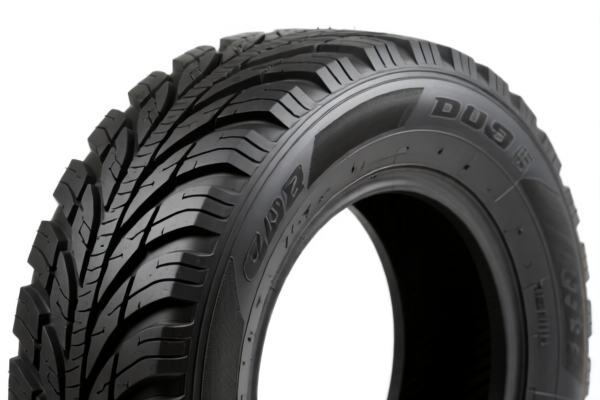
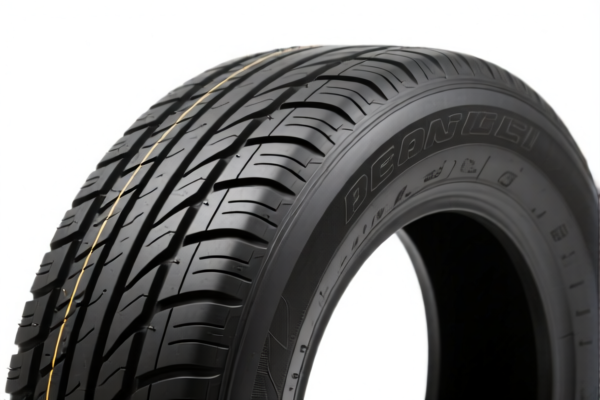
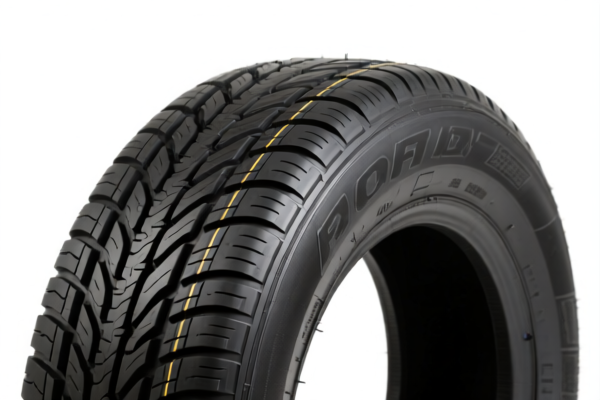
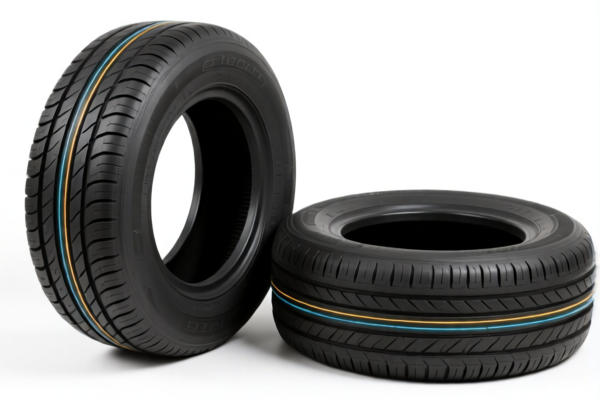
AI Analysis
🚗 Used Natural Rubber Inflatable Tires for Electric Vehicles
🌐 HS Code Reference & Customs Clearance Guide | 2026 Latest Tariff Full Analysis | Professional Entry Strategies
📌 I. Product Definition and Classification: Do You Really Understand "Used EV Tires"?
Used natural rubber inflatable tires for electric vehicles are secondary market components specifically designed for road transport vehicles. In international trade, these goods are strictly categorized based on vehicle type, tread structure, and usage status. The key distinction lies in whether the tire is classified for passenger cars or other road transport vehicles, and whether it falls under radial or general pneumatic categories.
⚠️ Key Distinction Points:
- Passenger Car Category (HS 4011.10): Includes tires for sedans, SUVs, and light trucks. These attract higher base tariffs due to stricter safety standards.
- Other Road Transport Vehicles (HS 4012.20): Covers tires for heavier loads, commercial trucks, or general-purpose pneumatic tires not specifically for passenger use.
- "Used" Status: All entries below are explicitly for used tires, which often face additional scrutiny regarding safety, recycling regulations, and anti-dumping measures.
📦 II. HS Code Classification Details (2026 Latest Tariff Authority Comparison)
| HS Code | Product Description | Application Scenario | Tax Rate Structure |
|---|---|---|---|
4012.20.60.00 |
Used natural rubber tires, matching old inflatable tires for road transport vehicles | Commercial vehicles, heavy-duty trucks, general pneumatic tires | 35.0% |
4011.10.10.70 |
Used natural rubber tires, matching the passenger car category of inflatable tires | Sedans, SUVs, light passenger vehicles | 39.0% |
4012.20.80.00 |
Used natural rubber tires, matching the category of old pneumatic tires | General pneumatic tires, non-passenger specific | 35.0% |
4011.10.10.10 |
Used natural rubber tires, matching radial tire classification logic | Radial tires for passenger cars | 39.0% |
4011.10.50.00 |
Used natural rubber tires, matching the passenger car tire category of inflatable tires | Alternative passenger car classification | 38.4% |
🔍 Key Reminder:
- Passenger car tires (HS 4011.10 series) are subject to higher base tariffs (3.4%–4.0%) compared to other transport tires (0.0%).
- "Used" tires are subject to the same additional duties as new tires in many jurisdictions, but may face stricter health/environmental inspections.
- Radial vs. Bias: Radial tires for passenger cars are explicitly covered under4011.10.10.10and4011.10.10.70.
💰 III. 2026 Latest Tariff Rate Breakdown (Including Additional Duties & Policy Surcharges)
✅ Applicable Country: United States (US)
✅ Origin: China (CN)
✅ Effective Date: From November 10, 2025 (including subsequent imports)
🎯 1. 4012.20.60.00 – Used Natural Rubber Tires (Road Transport Vehicles)
| Item | Content |
|---|---|
| Base Tariff | 0.0% (ad valorem) |
| USITC Additional Tariff | +25.0% (under USITC Footnote for Section 301) |
| Section 122 Tariff | +10.0% (Specific provision for certain used tires) |
| Total Tariff Rate | 35.0% |
| Tax Calculation | CIF Value × 35.0% |
| De Minimis Eligibility | ❌ Not Eligible (Used tires are excluded from de minimis exemptions in most cases) |
| Legal Basis Path | USITC:4012.20.60.00 → Section 301:25% → Section 122:10% |
📌 Explanation:
- The 25% USITC tariff is part of the broader Section 301 trade actions against China.
- The 10% Section 122 tariff is a specific additional duty applied to certain used tire categories.
- Total 35% is a high tariff rate, requiring careful cost calculation.
🎯 2. 4011.10.10.70 – Used Natural Rubber Tires (Passenger Car Category)
| Item | Content |
|---|---|
| Base Tariff | 4.0% |
| USITC Additional Tariff | +25.0% |
| Section 122 Tariff | +10.0% |
| Total Tariff Rate | 39.0% |
| Tax Calculation | CIF Value × 39.0% |
| De Minimis Eligibility | ❌ Not Eligible |
| Legal Basis Path | USITC:4011.10.10.70 → Section 301:25% → Section 122:10% |
📌 Note:
- Passenger car tires have a 4.0% base tariff, making the total higher than non-passenger tires.
- This classification applies to all passenger car inflatable tires, regardless of radial or bias-ply construction, unless specified otherwise.
🎯 3. 4012.20.80.00 – Used Natural Rubber Tires (Old Pneumatic Tires Category)
| Item | Content |
|---|---|
| Base Tariff | 0.0% |
| USITC Additional Tariff | +25.0% |
| Section 122 Tariff | +10.0% |
| Total Tariff Rate | 35.0% |
| Tax Calculation | CIF Value × 35.0% |
| De Minimis Eligibility | ❌ Not Eligible |
| Legal Basis Path | USITC:4012.20.80.00 → Section 301:25% → Section 122:10% |
📌 Note:
- This code is for general pneumatic tires not specifically for passenger cars.
- Identical tax burden to4012.20.60.00due to zero base tariff.
🎯 4. 4011.10.10.10 – Used Natural Rubber Tires (Radial Tire Classification)
| Item | Content |
|---|---|
| Base Tariff | 4.0% |
| USITC Additional Tariff | +25.0% |
| Section 122 Tariff | +10.0% |
| Total Tariff Rate | 39.0% |
| Tax Calculation | CIF Value × 39.0% |
| De Minimis Eligibility | ❌ Not Eligible |
| Legal Basis Path | USITC:4011.10.10.10 → Section 301:25% → Section 122:10% |
📌 Note:
- Specifically for radial tires used in passenger cars.
- Same total rate as other passenger car tires due to identical base + additional tariffs.
🎯 5. 4011.10.50.00 – Used Natural Rubber Tires (Passenger Car Tire Category)
| Item | Content |
|---|---|
| Base Tariff | 3.4% |
| USITC Additional Tariff | +25.0% |
| Section 122 Tariff | +10.0% |
| Total Tariff Rate | 38.4% |
| Tax Calculation | CIF Value × 38.4% |
| De Minimis Eligibility | ❌ Not Eligible |
| Legal Basis Path | USITC:4011.10.50.00 → Section 301:25% → Section 122:10% |
📌 Note:
- This is an alternative passenger car classification with a slightly lower base tariff (3.4% vs. 4.0%).
- Total rate is 38.4%, slightly cheaper than other passenger car codes but still high.
🛠️ IV. Customs Clearance Practical Advice (Real-World Pitfall Avoidance)
✅ 1. Documentation Checklist (All Required)
| Document | Required | Explanation |
|---|---|---|
| ✅ Product Specification Sheet | ✔️ | Must include size, tread pattern, ply rating, and "Used" status |
| ✅ Certificate of Origin (CO) | ✔️ | Essential for proving origin and applying any potential exemptions |
| ✅ Commercial Invoice | ✔️ | Must clearly state "Used Natural Rubber Inflatable Tire" and HS Code |
| ✅ Packing List | ✔️ | Detail quantity per box/pallet, gross/net weight |
| ✅ Pre-Shipment Inspection Report | ✔️ | Some countries require safety certification for used tires |
| ✅ Environmental Compliance Certificate | ✔️ | Proof that tires are not hazardous waste or prohibited for import |
✅ 2. Declaration Tips (Key Mantra)
🔥 "Specify 'Used', Clarify Vehicle Type, Declare Radial/Bias, Avoid Misclassification!"
| Situation | Correct Declaration | Wrong Action |
|---|---|---|
| Passenger Car Tire | 4011.10.10.70 or 4011.10.10.10 |
Misdeclare as truck tire → 35% (might seem cheaper, but inspection risk high) |
| Truck/Commercial Tire | 4012.20.60.00 or 4012.20.80.00 |
Misdeclare as passenger tire → 39% (overpay) |
| Radial Tire | Specify "Radial" in description | Omit radial info → Incorrect classification |
| Used vs. New | Explicitly state "Used" | Declare as "New" → Fraud penalty, seizure |
✅ 3. Special Cases Handling
| Situation | Handling Advice |
|---|---|
| Tires with Remounted Treads | Must declare as "Remanufactured" if applicable; otherwise, treat as used |
| Mixed Loads (Used + New) | Separate declarations required! Do not mix. Used tires face higher scrutiny. |
| Tires from Non-Origin Countries | If transshipped, provide full chain of custody documents to prove origin |
| Tires for Recycling Only | Must declare as "Waste/Recycling Material"; different HS code and regulations apply |
🌍 V. Global Market Customs Comparison (2026 Latest)
| Country/Region | Recommended HS Code | Tariff | Certification Requirements | Notes |
|---|---|---|---|---|
| 🇺🇸 USA | 4011.10.10.70 / 4012.20.60.00 |
35–39% | No specific tire certification, but subject to Section 301 | High tariff, strict inspection |
| 🇨🇳 China | 4011.10.10.10 / 4012.20.80.00 |
10–15% | CCC (if new), but used tires may have restrictions | Import of used tires is restricted/regulated |
| 🇪🇺 EU | 4011.10.10.10 / 4012.20.60.00 |
0–4.5% | E-marking (if new), used tires face environmental checks | Ban on import of used tires in some member states |
| 🇬🇧 UK | Same as EU | 0–4.5% | UKCA (if new) | Post-Brexit rules apply |
| 🇯🇵 Japan | 4011.10.10.10 / 4012.20.60.00 |
0–3.6% | JIS standards (if new) | Used tire import allowed but regulated |
📌 Conclusion:
- USA is the only major market with high additional tariffs (25% + 10%) on used Chinese tires.
- EU and China have restrictions or bans on used tire imports for environmental and safety reasons.
- Always verify local regulations before shipping used tires internationally.
📌 VI. Common Mistakes & Pitfall Avoidance (Lessons Learned)
❌ Mistake 1: Declaring "Used Tires" as "New Tires"
👉 Consequence: Seizure, fines, and blacklisting! Customs can easily detect wear and tear.
❌ Mistake 2: Misclassifying Passenger Tires as Truck Tires to Save Tax
👉 Consequence: Inspection delay, penalty, and possible rejection. Mismatch in description and reality.
❌ Mistake 3: Not Specifying "Radial" or "Bias"
👉 Consequence: Customs may reclassify, leading to higher tariffs or compliance issues.
❌ Mistake 4: Ignoring "Used" Status Documentation
👉 Consequence: Denial of entry in countries with strict waste import laws (e.g., EU, China).
✅ Correct Approach:
"Used Natural Rubber Inflatable Tire, 225/65R17, Radial, for Passenger Car, No Retread, Origin: China, HS Code: 4011.10.10.70"
🎯 VII. Conclusion: Professional Declaration, Save Time, Reduce Costs!
🎯 Remember the Mantra:
🔹 "Used tires are NOT new! Declare honestly, specify vehicle type, avoid classification errors!"
🔹 "HS Code determines tax rate, a 5% difference means thousands in savings or losses!"
📌 Pro Tip:
If your tires are not made in China, check for FTAA/USMCA exemptions for US imports, which may reduce or eliminate the 25% Section 301 duty.
Always apply for a Pre-Ruling from customs before shipping to ensure correct classification.
📣 Take Action Now:
📞 Consult a professional customs broker + Provide product photos + Apply for HS Code Pre-Ruling
🚀 Ensure your used tires clear customs smoothly, efficiently, and cost-effectively!
✨ Professional clearance starts with accurate classification!
💼 Every dollar of your cost deserves precise calculation!
Customer Reviews
About HS Code Classification
The Harmonized System (HS) is an internationally standardized nomenclature developed by the World Customs Organization (WCO) to classify traded products. Over 200 countries use the HS system as the basis for customs tariffs, trade statistics, and import/export regulations.
Each HS code follows a hierarchical structure:
- Chapter (2 digits) — Broad category of goods (e.g., Chapter 84: Machinery and Mechanical Appliances)
- Heading (4 digits) — More specific grouping within the chapter
- Subheading (6 digits) — Internationally standardized breakdown, used by all WCO member countries
- National subdivisions (8-10 digits) — Country-specific extensions for further classification, such as US HTSUS 10-digit codes
Correct HS code classification is essential for smooth customs clearance, accurate duty payment, and compliance with trade regulations. Misclassification can lead to customs delays, overpayment of duties, or penalties.
When importing from CN to US, the applicable tariff rates may include:
- Most-Favored-Nation (MFN) rate — The standard duty rate applied to WTO members
- General rate — Applied to countries without trade agreements
- Trade remedy duties — Additional tariffs such as Section 301 (anti-dumping), Section 232 (national security), or countervailing duties
The information provided on this page is for reference purposes only. For official classification, please consult with your local customs authority or a licensed customs broker.