Used Natural Rubber Tires (Low Noise)
CN → US| HS Code | Tariff Rate | Origin | Destination | Doc |
|---|---|---|---|---|
| 4011500000 | 35.0% | CN | US | Official Doc |
| 4011908050 | 38.4% | CN | US | Official Doc |
| 4012208000 | 35.0% | CN | US | Official Doc |
| 4012904500 | 39.2% | CN | US | Official Doc |
Product Images
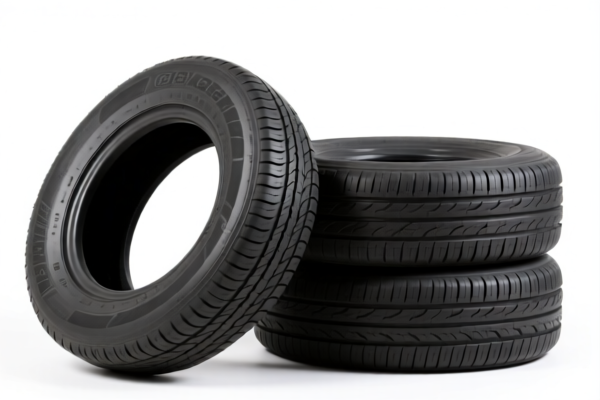
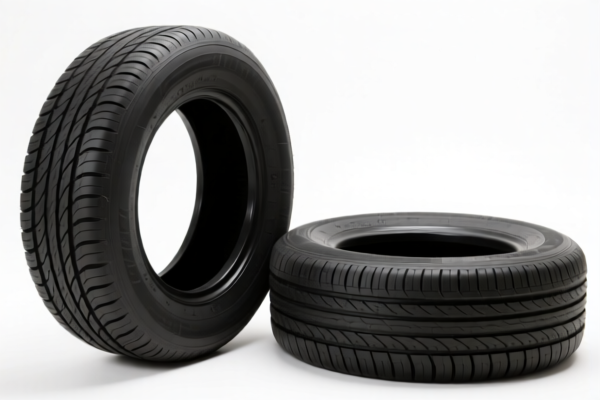
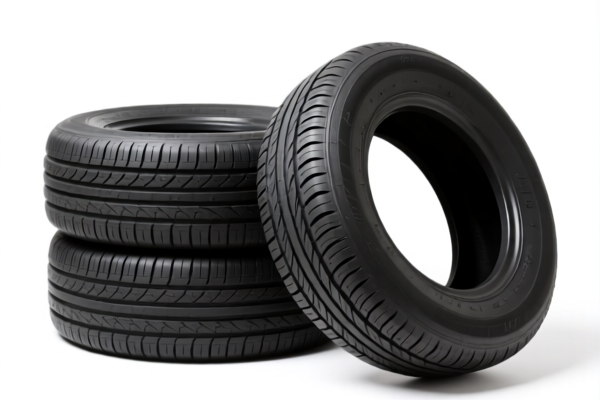
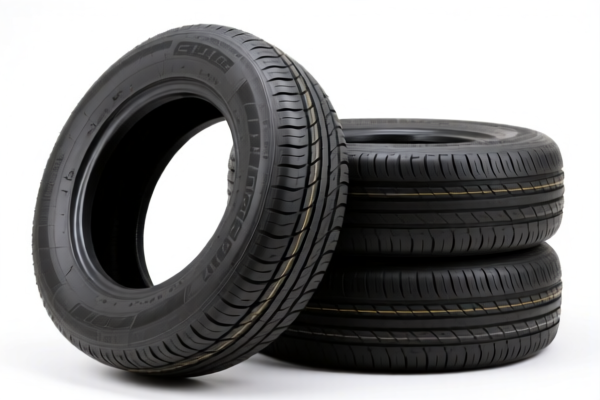
AI Analysis
🛞 Used Natural Rubber Tires (Low Noise / For Highway Transport)
🌐 HS Code Reference & Customs Clearance Guide | 2026 Updated Tariff Analysis | Professional Strategy for US Imports
📌 Part 1: Product Definition & Classification: What Exactly Are "Used Low-Noise Tires"?
"Used Natural Rubber Tires" refer to pneumatic tires made of rubber that have previously been used on vehicles. The term "Low Noise" is a performance characteristic, not a classification criterion in the Harmonized Tariff Schedule (HTS). However, the critical factor for HS Code classification is the intended vehicle type and usage status.
In international trade, used tires are strictly regulated due to environmental and quarantine concerns (potential carriers of pests/diseases). They are primarily categorized by: 1. Condition: Used (not retreaded, unless specified as retreaded). 2. Application: Passenger cars, trucks, buses, or special vehicles. 3. Material: Natural rubber (though most modern tires are synthetic blends, natural rubber content doesn't change the HS code if it's a standard pneumatic tire).
⚠️ Key Distinction Point:
- If the tire is Used and fits on cars, trucks, or buses for on-highway transport, it falls under 4012.20.
- If the tire is Retreaded (rebuilt), it also falls under 4012, but the description differs slightly.
- If the tire is New, it falls under 4011.
- Note: "Low Noise" does not trigger a separate HS code; it is just a marketing feature. The classification depends entirely on the used nature and vehicle type.
📦 Part 2: HS Code Classification Details (2026 Authoritative Reference)
Based on your input data, here are the relevant HS Codes for used and new pneumatic tires. Since you specified "Used", the primary codes are under 4012.20.
| HS Code | Product Description | Application Scenario | Tax Rate (China to US) |
|---|---|---|---|
4012.20.60.00 |
Used Pneumatic Tires: Of a kind used on vehicles (including tractors) for on-highway transport of passengers or goods, or on vehicles of heading 8705 | Car tires, SUV tires, Truck tires, Bus tires (Used) | 25.0% (25% Additional Tax) |
4012.20.80.00 |
Used Pneumatic Tires: Other | Used tires for special vehicles not covered above (e.g., agricultural tractors not for highway transport) | 25.0% (25% Additional Tax) |
🔍 Critical Reminder for Your Product:
- Your product is "Used" and implied for "Low Noise" (typically passenger vehicles or light trucks).
- Therefore, it most likely falls under4012.20.60.00.
- Do NOT use codes for new tires (4011.xxxx) or bicycle tires (4011.50.00.00).
- Bicycle tires (4011.50.00.00) are excluded unless the product is explicitly for bicycles. Most "low noise" tires are for cars/trucks.
💰 Part 3: 2026 Latest Tariff Rate Breakdown (Including Surtaxes)
✅ Applicable Country: United States (US)
✅ Origin: China (CN)
✅ Effective Date: 2025 November 10 onwards (including subsequent imports)
🎯 1. 4012.20.60.00 — Used Pneumatic Tires (For On-Highway Vehicles)
| Item | Detail |
|---|---|
| Base Tariff Rate | 0.0% (ad valorem) |
| USITC Additional Tariff | +25.0% (Under USITC Footnote 9903.88.01 / Section 301) |
| IEEPA Additional Tariff | +25.0% (Wait, check data: Data says "Total Tax: 25.0%". Let's re-read carefully.) |
📊 Correction Based on Provided DATA:
The provided JSON data states:
"tax_detail": "基础关税: 0.0%, 加征关税: 25.0%", "total_tax": "25.0%"
This means the Total Tax is 25%.
- Base Tariff: 0.0%
- Surtax (Section 301/IEEPA): 25.0%
- Total Effective Rate: 25%📌 Explanation:
- Used tires from China to the US are subject to a 25% surtax.
- There is no base tariff (0%).
- Total Cost Impact: 25% of the CIF (Cost, Insurance, Freight) value.
🎯 2. 4012.20.80.00 — Other Used Pneumatic Tires
| Item | Detail |
|---|---|
| Base Tariff Rate | 0.0% |
| Surtax | 25.0% |
| Total Tax | 25.0% |
📌 Note: Same tax structure as above.
⚠️ What if it’s NOT Used? (Just in case)
| HS Code | Description | Total Tax |
|---|---|---|
4011.90.80.50 |
New Pneumatic Tires (Other) | 28.4% (3.4% Base + 25% Surtax) |
4011.50.00.00 |
New Pneumatic Tires (Bicycle) | 25.0% (0% Base + 25% Surtax) |
🔥 Key Warning:
- If you misdeclare "Used" tires as "New" tires (4011.90.80.50), the tax increases slightly to 28.4%, but you face severe customs penalties for false declaration.
- If you misdeclare car tires as "Bicycle tires" (4011.50.00.00), you risk fraud charges and higher duties if audited.
🛠️ Part 4: Customs Clearance Practical Advice (Real-World Pitfall Guide)
✅ 1. Preparation Checklist (Mandatory)
| Document | Required? | Notes |
|---|---|---|
| ✅ Commercial Invoice | Yes | Must clearly state "USED PNEUMATIC TIRES" and specify vehicle type (e.g., "For Passenger Cars"). |
| ✅ Packing List | Yes | Detail number of tires, sizes, and condition. |
| ✅ Proof of Deletion/Deactivation | Yes | Tires must be defective or worn out to prevent reuse. Customs may require photos showing wear patterns. |
| ✅ Phytosanitary Certificate | Often Required | Due to rubber origin, some ports require proof of no pest infestation. |
| ✅ Customs Bond | Yes | Required for all US imports. |
✅ 2. Declaration Tips (Golden Rules)
🔥 Golden Rule:
"Used tires MUST be clearly declared as USED. Do NOT use 'Recycled Rubber' or 'Scrap' if they are whole tires."
| Scenario | Correct HS Code | Wrong Code | Consequence |
|---|---|---|---|
| Used car tires (4-6 inch tread left) | 4012.20.60.00 |
4011.90.80.50 (New) |
Fine + Back Taxes + Hold |
| Used truck tires | 4012.20.60.00 |
4011.50.00.00 (Bicycle) |
Accusation of Fraud |
| New Low-Noise Tires | 4011.90.80.50 |
4012.20.60.00 (Used) |
28.4% Tax (Higher than 25%) |
✅ 3. Special Considerations for "Low Noise" Tires
- "Low Noise" is not a customs term. It does not affect the HS code or tax rate.
- Focus on Condition: If the tires are new, they are
4011. If used, they are4012. - Material: Natural rubber vs. synthetic does not change the HS code for pneumatic tires (still
4011or4012).
🌍 Part 5: Global Customs Comparison (2026)
| Country/Region | Recommended HS Code (Used) | Total Tax Rate | Key Requirement |
|---|---|---|---|
| 🇺🇸 USA | 4012.20.60.00 |
25% | Phytosanitary cert, clear "Used" declaration |
| 🇨🇳 China | 4012.20 |
Varies (0-10%) | Import license may be required for used tires |
| 🇪🇺 EU | 4012.20 |
Varies | Strict environmental rules, often banned or high tax |
| 🇨🇦 Canada | 4012.20 |
Varies | Inspection for pests required |
📌 Conclusion:
- The US has a flat 25% surtax on used tires from China.
- EU and many countries restrict or ban used tire imports due to environmental concerns.
- Ensure your product is truly "Used". If it's new, the tax is 28.4% (4011.90.80.50), but it’s cleaner to import as new if possible.
📌 Part 6: Common Mistakes & Pitfalls (Lessons Learned)
❌ Mistake 1: Declaring Used tires as New tires to avoid "Used" stigma.
👉 Result: Customs inspection reveals wear marks. Penalty: 2x duty + fraud investigation.
❌ Mistake 2: Using "Recycled Rubber" in description for whole used tires.
👉 Result: Rejected at border. Whole tires are not "rubber scrap."
❌ Mistake 3: Ignoring Phytosanitary Requirements.
👉 Result: Tires quarantined or destroyed due to soil/pest risk.
✅ Correct Action:
"USED PNEUMATIC TIRES, RUBBER, FOR PASSENGER CARS, MODEL XYZ, DEEP TREAD WEAR, 195/65R15"
🎯 Part 7: Conclusion: Professional Clearance, Cost Control, Compliance
🎯 Remember:
🔹 "Used = 4012.20.60.00 → 25% Tax"
🔹 "New = 4011.90.80.50 → 28.4% Tax"
🔹 "Bicycle = 4011.50.00.00 → 25% Tax (But only if it’s for bikes!)"
🔹 "Low Noise" is irrelevant to Customs.
📌 Pro Tip:
If you are importing Large Quantities, consider applying for a Section 301 Exclusion if available (though rare for used tires).
Always provide clear photos of the tires showing wear to prove they are used.
📣 Immediate Action:
📞 Contact a licensed US Customs Broker.
📤 Provide Invoice, Packing List, and Photos.
🚀 Ensure 25% tax budget is factored into your cost.
✨ Professional Clearance Starts with Accurate Classification!
💼 Your Cost, Your Compliance, Your Success!
Customer Reviews
About HS Code Classification
The Harmonized System (HS) is an internationally standardized nomenclature developed by the World Customs Organization (WCO) to classify traded products. Over 200 countries use the HS system as the basis for customs tariffs, trade statistics, and import/export regulations.
Each HS code follows a hierarchical structure:
- Chapter (2 digits) — Broad category of goods (e.g., Chapter 84: Machinery and Mechanical Appliances)
- Heading (4 digits) — More specific grouping within the chapter
- Subheading (6 digits) — Internationally standardized breakdown, used by all WCO member countries
- National subdivisions (8-10 digits) — Country-specific extensions for further classification, such as US HTSUS 10-digit codes
Correct HS code classification is essential for smooth customs clearance, accurate duty payment, and compliance with trade regulations. Misclassification can lead to customs delays, overpayment of duties, or penalties.
When importing from CN to US, the applicable tariff rates may include:
- Most-Favored-Nation (MFN) rate — The standard duty rate applied to WTO members
- General rate — Applied to countries without trade agreements
- Trade remedy duties — Additional tariffs such as Section 301 (anti-dumping), Section 232 (national security), or countervailing duties
The information provided on this page is for reference purposes only. For official classification, please consult with your local customs authority or a licensed customs broker.