Used Rubber Aircraft Tires
CN → US| HS Code | Tariff Rate | Origin | Destination | Doc |
|---|---|---|---|---|
| 4011300050 | 35.0% | CN | US | Official Doc |
| 4013905050 | 38.7% | CN | US | Official Doc |
| 4013901000 | 35.0% | CN | US | Official Doc |
| 4011300010 | 35.0% | CN | US | Official Doc |
| 4012206000 | 35.0% | CN | US | Official Doc |
Product Images
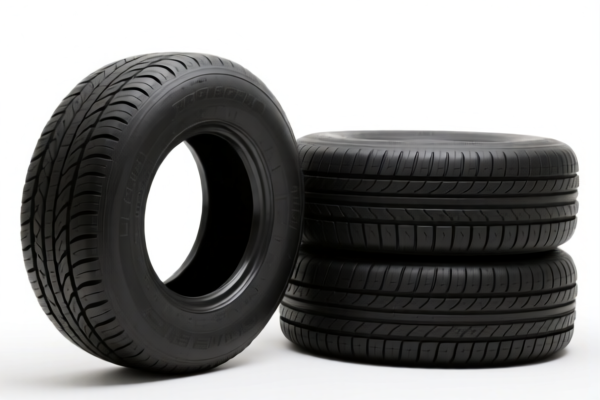
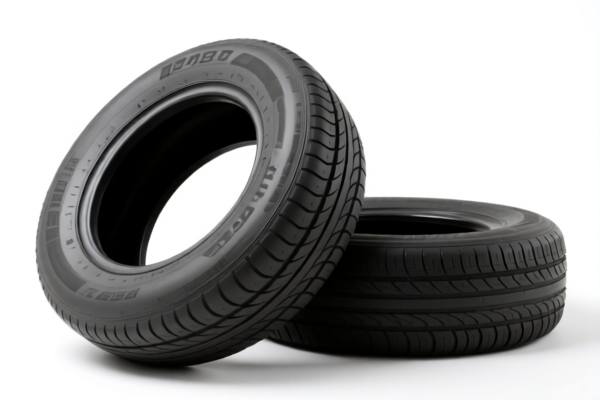
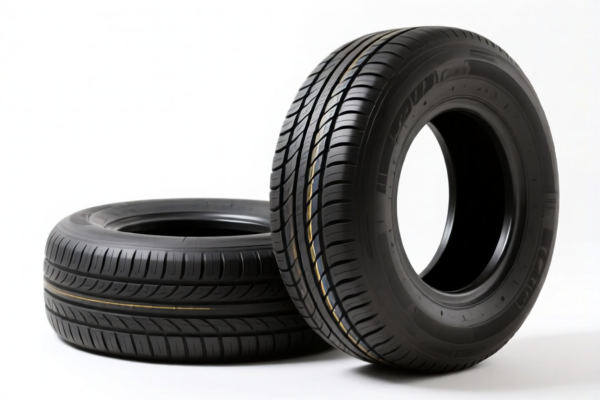
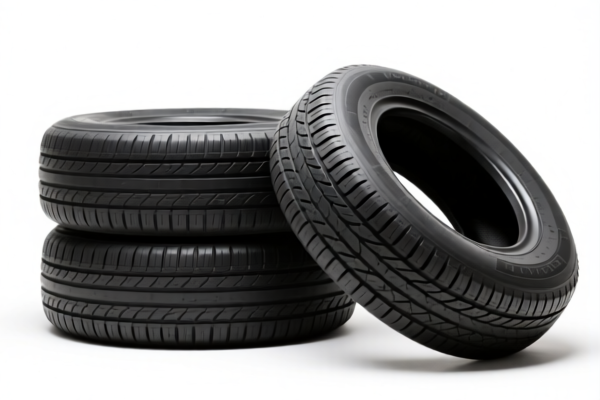
AI Analysis
🛩️ Used Rubber Aircraft Tires (Aviation Landing Gear Tires)
🌐 HS Code Reference & Customs Clearance Guide | 2026 Latest Tariff Analysis | Professional Clearance Strategy
📌 I. Product Definition & Classification: Do You Really Understand "Aviation Tires"?
Used Rubber Aircraft Tires are critical safety components for civil and military aircraft. In international trade, they are strictly regulated due to their dual-use nature (civilian vs. potential dual-use) and material composition. The classification depends heavily on whether they are classified as "Inflatable Rubber Tyres" (tires themselves) or "Inner Tubes" (air-containing parts), and crucially, whether they are new or used.
⚠️ Key Distinction:
- If the item is a whole tire assembly (rubber carcass + bead) intended for inflation → Classify under Chapter 40.11 (Inflatable Rubber Tyres).
- If the item is an inner tube specifically designed for aircraft (even if used/old stock) → Classify under Chapter 40.13 (Rubber Inner Tubes).
- "Used" Status: While "used" often triggers different duties in some categories (e.g., car tires), for aircraft tires, the primary HS code structure often remains consistent with new counterparts, but customs scrutiny is higher for safety and origin verification.
📦 II. HS Code Classification Details (2026 Latest Tariff Authority Match)
Based on the provided <DATA>, here is the precise mapping for Used Rubber Aircraft Tires. Note that while "used" implies condition, the HS Code logic provided focuses on the structural definition (Tire vs. Inner Tube) and application (Civil Aviation vs. General Aviation).
| HS Code | Product Description & Logic Match | Applicable Scenario | Tax Rate (Total) |
|---|---|---|---|
4011.30.00.50 |
Rubber Aircraft Spare Tires: Matches the classification for "Inflatable Tyres for Aircraft". This is the primary code for the tire shell itself. | Civil aviation aircraft landing gear; spare tires. | 35.0% |
4013.90.50.50 |
Rubber Aircraft Inner Tubes (Fallback): Matches the "Other" category for rubber inner tubes. Used as a fallback if the specific aviation inner tube definition is ambiguous, or for general aviation inner tubes not covered by 4013.90.10. | General aviation inner tubes; fallback classification. | 38.7% |
4013.90.10.00 |
Rubber Aircraft Inner Tubes: Matches the "Rubber Inner Tubes for Aircraft" logic. This is the specific code for inner tubes used in aircraft. | Aircraft inner tubes (used or new). | 35.0% |
4011.30.00.10 |
Rubber Aircraft Tires: Matches the "Inflatable Tyres for Civil Aircraft" definition. This is the most precise code for civil aviation tires. | Civil aircraft tires only (not military/special). | 35.0% |
4012.20.60.00 |
Used Natural Rubber Electric Vehicle Tires: Matches the "Used Inflatable Tyres" classification. ⚠️ Caution: This code is for EV Car Tires, NOT aircraft tires. Only use if misdeclared or if there is a severe classification error in documentation. | Incorrect for Aircraft: Only for used EV tires. | 35.0% |
🔍 Critical Reminder:
- Do NOT use4012.20.60.00for Aircraft Tires. This is a trap. While it says "Used," it specifies "Electric Vehicle" tires. Using it for aircraft tires is a clearing error that will lead to detention and penalties.
- Aircraft Tires vs. Car Tires: Even if "used," aircraft tires retain their specific HS codes under 4011 (for tires) or 4013 (for tubes). The "used" status does not move them to Chapter 4012 (used tires) unless they are automotive tires.
- Civil vs. Military:4011.30.00.10is for Civil aviation. For military/special aircraft,4011.30.00.50is often used as the broader "Aircraft" category.
💰 III. 2026 Latest Tariff Rate Breakdown (Including Surcharges & Policy Add-ons)
✅ Applicable Country: United States (US)
✅ Origin: China (CN)
✅ Effective Date: Post-November 2025 (Includes subsequent imports)
🎯 1. 4011.30.00.50 & 4011.30.00.10 —— Inflatable Rubber Tyres for Aircraft
| Item | Content |
|---|---|
| Base Tariff | 0.0% (ad valorem) |
| Note: Aircraft tires often enjoy 0% base duty due to their specialized nature. | |
| Section 301 Surcharge | +25.0% (From USITC Footnote under Section 301) |
| IEEPA Surcharge | +10.0% (Under Section 122 of the Trade Expansion Act, targeting specific Chinese goods) |
| Total Tariff | 35.0% |
| Tax Calculation | CIF Value × 35% |
| De Minimis Exemption | ❌ Not Available (Deny de minimis) |
| Legal Basis Path | IEEPA:122.10 → USITC:4011.30.00.10/50 → FOOTNOTE:301.88.01 |
📌 Explanation:
- Base 0%: Recognizes aircraft tires as specialized aviation equipment.
- 25% Section 301: Applies to most Chinese-origin rubber products.
- 10% IEEPA/Section 122: Additional punitive tariff for specific Chinese imports.
- Total 35%: This is a high-cost clearance. Must be calculated into landed cost.
🎯 2. 4013.90.50.50 & 4013.90.10.00 —— Rubber Inner Tubes for Aircraft
| Item | Content |
|---|---|
| Base Tariff | 0.0% (for 4013.90.10.00) or 3.7% (for 4013.90.50.50 fallback) |
| Section 301 Surcharge | +25.0% |
| IEEPA Surcharge | +10.0% |
| Total Tariff | 35.0% (for 4013.90.10.00) or 38.7% (for 4013.90.50.50) |
| Tax Calculation | CIF Value × Total Rate |
| De Minimis Exemption | ❌ Not Available |
| Legal Basis Path | IEEPA:122.10 → USITC:4013.90.10.00/50.50 |
📌 Note:
- If the inner tube falls under the specific "Aircraft" subheading (4013.90.10.00), the base is 0%, total 35%.
- If it falls under the "Other" fallback (4013.90.50.50), the base is 3.7%, total 38.7%.
- Always aim for4013.90.10.00to save 3.7%.
🎯 3. 4012.20.60.00 —— Used Natural Rubber Electric Vehicle Tires (⚠️ WARNING)
| Item | Content |
|---|---|
| Base Tariff | 0.0% |
| Section 301 Surcharge | +25.0% |
| IEEPA Surcharge | +10.0% |
| Total Tariff | 35.0% |
| Applicability | ❌ INCORRECT for Aircraft. This code is for Used EV Car Tires. Misclassification here is a serious violation. |
🛠️ IV. Customs Clearance Practical Advice (Battle-Hardened Pitfall Avoidance Guide)
✅ 1. Required Documentation Checklist (Non-Negotiable)
| Document | Mandatory? | Explanation |
|---|---|---|
| ✅ Product Specification Sheet | ✔️ | Must state: "Aircraft Tire," "Used/Remanufactured," Load Index, Pressure Rating. |
| ✅ Material Composition Report | ✔️ | Confirm rubber type (natural/synthetic) and absence of prohibited materials. |
| ✅ Photos (Clear Labeling) | ✔️ | Show sidewall markings, size codes (e.g., 34x6.5), and "USED" stamp. |
| ✅ Commercial Invoice | ✔️ | Must explicitly state "Used Rubber Aircraft Tire" and HS Code. |
| ✅ Certificate of Origin (CO) | ✔️ | Required for Section 301/IEEPA assessment. |
| ✅ Packing List | ✔️ | Detail quantity, weight, and dimensions. |
📌 Critical Note:
- Do not label as "New" if used. Misrepresentation of condition can lead to fraud allegations.
- Do not use "Car Tire" as a generic description. Use "Aircraft Landing Gear Tire".
✅ 2. Declaration Tips (Key Mantra)
🔥 "Aircraft vs. Auto, Inner Tube vs. Shell, Used is Not 'Other', Be Precise or Get Stuck!"
| Scenario | Correct Declaration | Wrong Approach |
|---|---|---|
| Whole Tire (Used) | 4011.30.00.10 (Civil) or 4011.30.00.50 (General Aircraft) |
Declaring as 4011.90 (Other) → Risk of higher scrutiny. |
| Inner Tube (Used) | 4013.90.10.00 (Specific Aircraft Inner Tube) |
Declaring as 4013.90.50.50 → Higher tax (38.7% vs 35%). |
| Car Tire (Used) | 4012.20.60.00 |
Using this for Aircraft Tire → Clearing Failure. |
| Mixed Shipment | Separate HS Codes for Tires and Tubes | Grouping under one HS Code → Audit Risk. |
✅ 3. Special Case Handling
| Situation | Handling Advice |
|---|---|
| Remanufactured Tires | Must declare as "Remanufactured." Some jurisdictions offer different rates, but under current US rules, they often still attract 35%. Check for specific exemptions. |
| Military Aircraft Tires | Use 4011.30.00.50. Ensure no export control violations (EAR/ITAR). |
| Tires with Metal Beads | Ensure description includes "Rubber with Steel Beads" if required by local customs. |
| Used Tire Entry | Some US ports may require a Prior Notice or additional inspection due to biosecurity or safety concerns. Prepare for physical inspection. |
🌍 V. Global Market Clearance Comparison (2026 Latest)
| Country/Region | Recommended HS Code | Tariff (China Origin) | Certification Requirements | Notes |
|---|---|---|---|---|
| 🇺🇸 USA | 4011.30.00.10/50 |
35% | FAA/EASA Compliance Docs | High scrutiny; 122 IEEPA tax applies. |
| 🇨🇳 China | 4011.30.00.10 |
5% - 10% | CCC (if new), Inspection Cert | Used tires may face stricter import bans. |
| 🇪🇺 EU | 4011.30.00.00 |
0% - 4.5% | EASA Certification | No Section 301/IEEPA taxes. |
| 🇬🇧 UK | 4011.30.00.00 |
0% - 4.5% | UKCA Compliance | Post-Brexit rules apply. |
| 🇦🇺 Australia | 4011.30.00.00 |
5% | RCM/Safety Standards | Biosecurity checks for used rubber. |
📌 Conclusion:
- USA is the most expensive market due to 35% total duty.
- EU/UK/Australia are more favorable (0-5%).
- China may restrict used tire imports for environmental reasons. Check local ban lists.
📌 VI. Common Mistakes & Pitfall Avoidance (Blood-Tearing Lessons)
❌ Mistake 1: Classifying Aircraft Tires as Car Tires (4011.10 or 4011.20)
👉 Consequence: Wrong HS Code, 35% vs 10-20% difference, plus penalties for misdeclaration.
❌ Mistake 2: Using 4012.20.60.00 (Used EV Tires) for Aircraft Tires
👉 Consequence: Clearing Rejection. This code is strictly for Electric Vehicle tires. Customs will flag the mismatch.
❌ Mistake 3: Not distinguishing between Tire and Inner Tube
👉 Consequence: If you ship an inner tube but declare as a tire (4011), it may be rejected. If you ship a tire but declare as a tube (4013), you may underpay duty (or overpay if base rate differs).
❌ Mistake 4: Ignoring "Used" Status
👉 Consequence: Some countries ban used tires for environmental reasons. Even if duty is 35%, entry may be prohibited. Check local import bans on used rubber.
✅ Correct Approach:
"Used Rubber Aircraft Tire, Size XX, Load Index YY, Remanufactured/New Condition, Model ZZ, FAA Approved"
🎯 VII. Conclusion: Professional Declaration Saves Money!
🎯 Remember the Mantra:
🔹 "Aircraft Tires are 35%, Car Tires are Different, Inner Tubes have 2 Codes, Used is Not 'Other'!"
🔹 "HS Code is Life, 35% Duty is High, Declare Correctly or Pay Double!"
📌 Pro Tip:
If your aircraft tires are originally from the US, Europe, or Canada, and re-exported from China, you MAY still be subject to US tariffs if they are imported back into the US. However, if they are originally from China but used, the 35% still applies.
Recommendation: Apply for a Pre-Ruling (Advance Ruling) from US Customs (CBP) for high-value shipments to confirm classification and duty liability.
📣 Immediate Action:
📞 Contact a Professional Customs Broker + Provide Photos + Apply for HS Code Pre-Ruling
🚀 Let your aircraft tires clear smoothly, avoid delays, and protect your profit margin!
✨ Professional Clearance Starts with Accurate Classification!
💼 Every Cent of Duty is Worth Calculating Precisely!
Customer Reviews
About HS Code Classification
The Harmonized System (HS) is an internationally standardized nomenclature developed by the World Customs Organization (WCO) to classify traded products. Over 200 countries use the HS system as the basis for customs tariffs, trade statistics, and import/export regulations.
Each HS code follows a hierarchical structure:
- Chapter (2 digits) — Broad category of goods (e.g., Chapter 84: Machinery and Mechanical Appliances)
- Heading (4 digits) — More specific grouping within the chapter
- Subheading (6 digits) — Internationally standardized breakdown, used by all WCO member countries
- National subdivisions (8-10 digits) — Country-specific extensions for further classification, such as US HTSUS 10-digit codes
Correct HS code classification is essential for smooth customs clearance, accurate duty payment, and compliance with trade regulations. Misclassification can lead to customs delays, overpayment of duties, or penalties.
When importing from CN to US, the applicable tariff rates may include:
- Most-Favored-Nation (MFN) rate — The standard duty rate applied to WTO members
- General rate — Applied to countries without trade agreements
- Trade remedy duties — Additional tariffs such as Section 301 (anti-dumping), Section 232 (national security), or countervailing duties
The information provided on this page is for reference purposes only. For official classification, please consult with your local customs authority or a licensed customs broker.